Night Fishing Techniques
Ever wonder if the fish truly sleep when the sun goes down? Or maybe you've tried fishing after dark and found it frustrating, with fewer bites, more tangles, and the unsettling feeling of not quite knowing what's lurking in the shadows. It's a common dilemma for many anglers who are curious about the mysteries of nocturnal fishing but are intimidated by the unknowns. This guide is here to demystify night fishing techniques in Virginia, sharing specific strategies, essential gear, and practical tips to turn those moonlit hours into some of your most successful and memorable angling adventures.
The Allure of Night Fishing in Virginia
When the sun dips below the horizon, a whole new world awakens beneath the surface. Many anglers might pack up their gear, assuming the fishing's done for the day, but that's precisely when some of the biggest and most elusive fish start to roam. There's a certain magic to the quiet solitude of night fishing, a sense of peace you just don't get during the bustling daylight hours. But beyond the ambiance, there are real, tangible reasons why fishing after dark can be incredibly productive.
Why Fish Get More Active After Dark
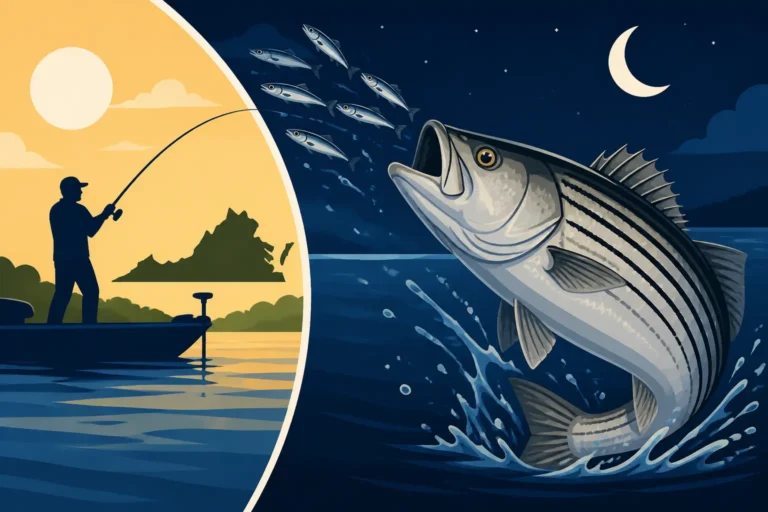
It's not just a myth; many species of fish become significantly more active under the cover of darkness. This shift in behavior is primarily driven by two factors: prey availability and predator evasion. During the day, bright sunlight allows predators like ospreys, eagles, and even some larger fish to spot their prey more easily. When night falls, this visual advantage diminishes. This makes smaller baitfish feel safer moving into open water or shallower areas to feed, and in turn, larger predatory fish follow them. Think about it: a big bass or striper that's been hiding in deep cover all day to avoid being seen suddenly has the advantage. They become opportunistic hunters, using their other senses—like their lateral line for vibration detection and their keen sense of smell—to track down meals. This means they might be less wary and more aggressive in their pursuit of food.
Another reason for this increased activity is temperature. In the scorching Virginia summers, water temperatures can get uncomfortably warm for many fish, especially in shallower areas. As night approaches and the air cools, the surface water temperature begins to drop, bringing more comfortable conditions for fish to feed actively without expending as much energy to stay cool. This is particularly true for species like striped bass in freshwater lakes and even some trout in larger, slower-moving rivers. If you've ever found yourself struggling to get a bite on a sweltering July afternoon, switching to a night fishing strategy could completely turn your luck around. It's truly an eye-opening experience to witness the underwater world come alive after dark.
Escaping the Crowds and Summer Heat
One of the most immediate and appreciated benefits of night fishing in Virginia is the sheer reduction in human traffic. During peak seasons, popular fishing spots can feel more like amusement parks than tranquil angling retreats. Boats zip by, jet skis churn the water, and busy shorelines mean less peace and quiet. All this activity creates noise and disturbance that can put fish off their feed. When you hit the water after sundown, you'll often find yourself with entire stretches of lake or river almost to yourself. This means less competition for prime spots, fewer distractions, and a much more serene fishing experience.
Beyond the peace, the escape from the summer heat is a huge draw. Virginia summers can be brutal, with temperatures often soaring into the 90s, making daytime fishing uncomfortable for both anglers and fish. Sunburn, dehydration, and general fatigue become real concerns. Night fishing allows you to enjoy cooler air temperatures, making your outing far more pleasant. You can fish longer, stay more focused, and truly immerse yourself in the experience without battling the elements. This is especially true when you're targeting those bigger, more active fish that prefer the cooler, darker conditions themselves. It transforms what could be an exhausting daytime trip into a relaxing, productive nocturnal adventure. If you're looking for solace and serious fishing, consider the quiet hours of the night.
Essential Gear for Your Night Fishing Excursion
Getting ready for a night fishing trip requires a bit more thought than your typical daytime outing. Safety, visibility, and the ability to effectively manage your tackle are paramount when you're working in the dark. Don't just grab your rod and go; a few key pieces of specialized gear can make all the difference between a frustrating, fumbling experience and a smooth, successful one.
Lighting Up Your Setup: Headlamps, Lanterns, and Navigational Lights
First and foremost, you need light, but not just any light. You want practical, efficient illumination that helps you without spooking the fish or blinding yourself and others. A good headlamp is indispensable. Look for one with adjustable brightness settings and, crucially, a red light option. Red light doesn't disrupt your night vision as much as white light, and many anglers believe it's less likely to spook fish. You'll use your headlamp for tying knots, baiting hooks, and maneuvering around your tackle box. Many high-quality headlamps can be found on Amazon, offering a range of features from waterproof designs to long battery life.
For general area lighting on a boat or at a fixed bank spot, a compact LED lantern is incredibly useful. These provide a softer, ambient glow that allows you to see your immediate surroundings without having to constantly turn your headlamp on and off. Again, rechargeable options are fantastic for convenience and sustainability. Just make sure it's not so bright that it creates a harsh spotlight on the water, which can definitely send fish packing.
If you're fishing from a boat, proper navigational lights are not just helpful; they're legally required. Ensure your boat's bow and stern lights are fully functional and properly displayed. Consider adding a small, low-powered work light to your console or transom if you need to perform tasks that require more light than a headlamp provides, such as handling a large catch or untangling a major mess. Always prioritize safety on the water when darkness descends.
Specialized Tackle for After-Dark Angling
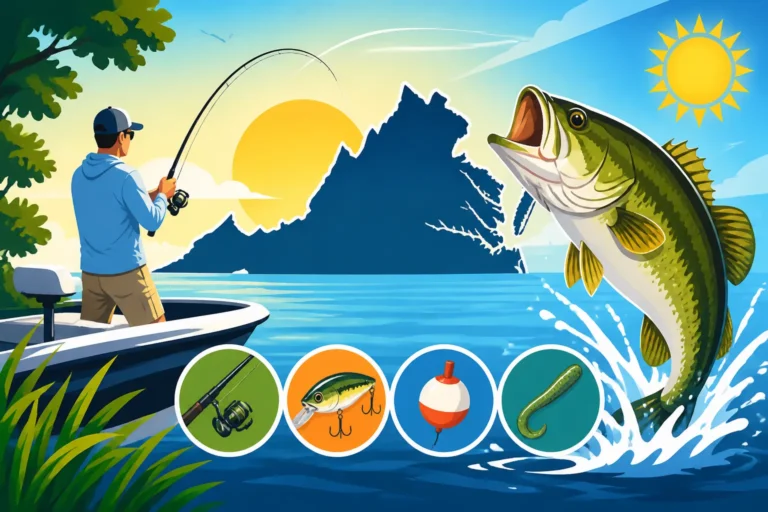
While you'll primarily use your favorite rods and reels, some adjustments to your terminal tackle and accessories will greatly enhance your night fishing experience. One of the biggest frustrations at night is tying knots or re-rigging in the dark. This is where pre-rigged leaders, glow-in-the-dark beads or jig heads, and robust line choices come into play. Many anglers opt for slightly heavier line than they might use during the day, simply because it's easier to feel bites and manage snags without visual cues. A good fluorocarbon leader can still be stealthy while providing strength.
Consider incorporating lighted bobbers if you're float fishing for crappie or catfish. These battery-powered bobbers illuminate, allowing you to see even the slightest strike. They're a game-changer for this style of fishing. Additionally, keep a pair of line clippers or small scissors on a lanyard around your neck or attached to your vest; fumbling for these in the dark is no fun. A small, UV flashlight can be handy for "charging" glow-in-the-dark lures, making them shine brighter and longer. Having these small but critical items organized and easily accessible will make your night outing much more enjoyable and productive.
Safety First: Personal Flotation Devices and Communication
Safety absolutely cannot be overlooked when fishing after dark. The dangers of slipping, falling overboard, or encountering unexpected obstacles are significantly heightened without daylight. A properly fitting personal flotation device (PFD) is non-negotiable, especially if you're fishing from a boat, kayak, or on uneven terrain along a riverbank. Even strong swimmers can quickly become disoriented or incapacitated in cold water or if they hit their head. Modern PFDs are lightweight and comfortable, so there's no excuse not to wear one. Many can be found on Amazon and are designed for active use, so they won't impede your casting or movement.
Beyond PFDs, think about communication. Always let someone know where you're going and when you expect to return. Carry a fully charged cell phone in a waterproof case, and consider a portable power bank for backup. If you're going out on larger bodies of water, a marine band VHF radio is a smart addition, as cell service can be spotty in remote areas. A whistle attached to your PFD is also a simple, effective way to signal for help if needed.
Finally, pack a basic first-aid kit for minor cuts, scrapes, or insect bites. Bug spray is another must-have, as mosquitoes and other critters are often more active at night. Taking these proactive safety measures means you can focus on the fishing, knowing you're prepared for unforeseen circumstances. Remember, a successful night fishing trip is, first and foremost, a safe one.
Top Night Fishing Techniques for Freshwater Species
Virginia's freshwater lakes and rivers teem with fish that become prime targets once the sun goes down. Bass, catfish, and crappie are among the most popular species to pursue after dark, and each requires a slightly different approach to maximize your chances of success. The quiet of the night, combined with the fish's increased activity, can lead to some truly memorable catches.
Chasing Largemouth and Smallmouth Bass at Night
Night fishing for bass, especially largemouth, can be incredibly rewarding. During the day, these fish might be deep and lethargic, but as darkness falls, they often move shallower and become aggressive ambush predators. The key is to target areas where bass would typically hunt: structure like submerged trees, weed lines, docks, and rocky points. In lakes like Smith Mountain Lake or Lake Anna, bass will often move right up to seawalls or boat docks, hunting baitfish attracted to ambient lights.
For largemouth bass, consider using larger, darker-profile lures that create a lot of vibration or disturbance. A big black or dark blue spinnerbait with large thumping blades is a classic choice, as is a noisy topwater bait like a Jitterbug or Pop-R. These lures displace water, create sound, and present a silhouette that's easy for bass to key in on. Slow your retrieve significantly; bass rely more on sound and vibration at night, so give them time to find and strike your bait. Sometimes, casting directly at dock lights and letting your lure fall just outside the brightest area can trigger a strike from a bass lurking in the shadows. For smallmouth bass, particularly in rivers like the Shenandoah River, focus on rocky current breaks and eddies. Crankbaits in darker colors or jigs tipped with plastic trailers worked slowly along the bottom can be highly effective. The key for both species is patience and understanding that their feeding patterns shift dramatically under the cloak of night. If you're looking for tips on How to Catch Bass at Night in Summer, focusing on these aggressive techniques will serve you well.
Catfish and Crappie: Nocturnal Nuisances
Catfish are arguably the quintessential night fishing target, and for good reason—they have an incredible sense of smell and thrive in low-light conditions. Virginia's rivers and lakes are home to an abundance of channel, flathead, and blue catfish, and many of the best catfish fishing spots in Virginia come alive after dark. For these bottom-feeders, simplicity and scent are your best friends. Use a Carolina rig or a slip-sinker rig with a large hook and smelly natural bait. Cut bait (like shad or sunfish), chicken livers, nightcrawlers, and prepared stink baits are all excellent choices. Cast your bait near drop-offs, deep holes, and channel edges, and then just wait. A common technique involves setting multiple rods in rod holders with bells on the tips, waiting for that tell-tale "ring" indicating a bite. Catfish are not usually picky at night; if they can smell it, they'll often eat it.
Crappie, on the other hand, require a more finessed approach, but they also become very active at night, particularly around lights. Many anglers use submersible green fishing lights dropped into the water off a boat or dock. These lights attract plankton, which attracts baitfish, which in turn brings in the crappie. Once the crappie show up, small jigs (1/32 to 1/16 ounce) in darker colors like black, blue, or purple, or small minnows fished under a lighted bobber, are deadly. Vertical jigging directly beneath the light or casting small jigs to the edges of the illuminated area and slowly retrieving them can be highly effective. The best time of day to catch crappie often extends well into the night, especially in the warmer months. Focus on suspended brush piles, bridge pilings, and dock lights. When considering Crappie Fishing Techniques for Beginners, night fishing under lights is a fantastic way to learn the ropes and catch a lot of fish.
Mastering Saltwater Night Fishing in Virginia
Virginia's coastline, particularly around the Chesapeake Bay and its tributaries, offers fantastic opportunities for saltwater night fishing. The cooler temperatures and reduced boat traffic make for a more peaceful and often more productive outing. Striped bass (or "rockfish"), flounder, and various bottom fish are prime targets once the sun sets.
Striped Bass Under the Stars
Striped bass, often referred to as "rockfish" in Virginia, are renowned for their aggressive feeding habits at night, especially during their migratory runs. In the Chesapeake Bay, particularly during the fall and spring seasons, stripers will move into shallower waters or hunt near structure where baitfish are abundant. Targeting them at night can be incredibly productive for larger fish that are more wary during the day.
When fishing from a boat, look for areas with current around bridge pilings, jetties, or channel edges. Live eels are a legendary bait for big stripers at night, but large soft plastic swimbaits (like those from Amazon's selection of Z-Man or Bass Assassin) in darker colors (black, purple, or dark blue) or large bucktail jigs can also be extremely effective. Cast these baits upcurrent and allow them to drift naturally through known holding areas, feeling for the distinctive thump of a striper strike. Slow trolling large swimming plugs or Umbrella rigs at night is another popular and effective technique, particularly in deeper channels or along ledges. Remember to be mindful of Virginia's striped bass season and slot limit, as regulations can change.
For shore anglers, fishing off lighted piers or jetties can yield great results. Stripers are often drawn to the light where baitfish congregate. Casting soft plastics or live bait (like spot or mullet) into the illuminated zones and letting them drift into the darker edges is a proven tactic. You might also encounter them in the surf, where they cruise just beyond the breaking waves, ambushing baitfish. These nocturnal encounters with powerful stripers are what make saltwater night fishing so exhilarating.
Pier and Surf Fishing After Dark
Virginia offers numerous public piers and expansive stretches of beach perfect for night fishing. Piers, in particular, are fantastic because they often have overhead lights that attract a whole ecosystem of baitfish, which in turn draws in predatory species. On a pier, you might hook into croaker, spot, flounder, or even a speckled trout under the lights. The strategy here is often simpler: use a bottom rig with shrimp, squid, or cut bait. For flounder, jigging Gulp! baits or live minnows near the pilings can be effective. Make sure your glow sticks are ready for action.
Surf fishing at night can be a more solitary and adventurous experience. The cooler temperatures mean less crowded beaches and often more active fish closer to shore. Species like red drum, flounder, and even some smaller sharks will move into the surf zone to feed. A classic setup involves a sturdy surf rod, a fish-finder rig with pyramid sinkers to hold bottom in the current, and large pieces of cut bait like mullet or spot. Cast beyond the breaking waves into the sloughs and troughs where fish will patrol. Night fishing in the surf demands patience and a good headlamp, but the rewards can be significant, especially when targeting those bigger, less wary fish that come closer to shore under the cover of darkness. Always be aware of the tides; incoming high tide at night is often the most productive.
Choosing the Right Baits and Lures for Nighttime Success
When daylight fades, fish rely less on sight and more on their other senses—vibration, sound, and smell—to find their next meal. This shift in perception means that your daytime go-to lures and baits might not be as effective. Adapting your selection to leverage these nocturnal instincts is crucial for success.
The Power of Scent and Noise
At night, anything that makes noise or emits a strong scent becomes a beacon for hungry fish. For freshwater species like catfish, the importance of scent cannot be overstated. As discussed, traditional stinky baits like chicken livers, cut bait, or commercial stink baits are paramount. These release a potent odor trail that catfish can follow from a considerable distance, even in murky water. Similarly, for bass, using plastic baits infused with strong fish attractants can give you an edge. Many soft plastics from brands like Berkley PowerBait or Gulp! are designed specifically for this, releasing scents that mimic natural prey. Adding a spray-on scent to your lures can also be a quick way to enhance their appeal.
When it comes to noise, think about lures that create a commotion. Topwater lures like Jitterbugs, Pop-Rs, and Whopper Ploppers excel at night because their gurgling, splashing, and spitting sounds travel far and grab the attention of predatory bass. Spinnerbaits with large, Colorado-style blades create a powerful thumping vibration that fish can feel through their lateral line, even if they can't see the lure. Rattling crankbaits and jigs with built-in rattles also serve this purpose. The idea is to make your presentation impossible to ignore in the darkness. Many effective options for these types of noisy and smelly baits can be easily found on Amazon, often with detailed descriptions of their sound and scent properties. Remember, you're trying to give the fish every opportunity to locate your offering without relying on their eyes.
Glow-in-the-Dark and Darker Profile Lures
While scent and noise are critical, visual cues still play a role, albeit a different one, at night. This is where glow-in-the-dark lures and darker profile baits come into play. Glow lures, jigs, and even soft plastics absorb light (from your headlamp or a UV flashlight) and then slowly emit a greenish glow, creating a subtle visual target for fish. These can be particularly effective for crappie under lights, or for bottom fish in saltwater. The key is to "charge" them regularly to maintain their luminescence.
Conversely, for many predatory fish like bass and striped bass, darker profile lures are often preferred. Think black, dark blue, or purple. The reason? Against the dim backdrop of the night sky or the moonlight, a dark silhouette stands out more distinctly than a lighter color. A dark lure creates a strong contrast, making it easier for a fish to track and ambush. This is particularly true for topwater baits or swimbaits fished near the surface. A large, black spinnerbait, for example, can be incredibly effective, presenting a clear target without being overly flashy. Experiment with both, and you'll often find that a combination of dark colors, strong scent, and distinct vibration is a winning formula for getting bites after the sun has set. This concept is often crucial when choosing lure color for murky water as well, which can mimic low-light conditions.
Navigating Virginia's Waters Safely After Sundown
Fishing at night in Virginia offers incredible opportunities, but it also presents unique challenges. Low visibility can make simple tasks difficult and amplify potential hazards. Being prepared for these challenges is key to a successful and safe experience.
Overcoming Visibility Issues and Cold Fronts
The most obvious challenge of night fishing is, of course, the lack of light. Simple tasks like tying knots, rebaiting hooks, or even locating specific items in your tackle box become significantly harder. This is why organized tackle, reliable headlamps with red light options, and even pre-tied leaders are essential. Consider using tackle boxes with clear lids so you can identify contents without fumbling. If you're on a boat, use GPS and chartplotters to mark productive spots during the day and navigate safely at night. Always proceed with extreme caution and at reduced speeds.
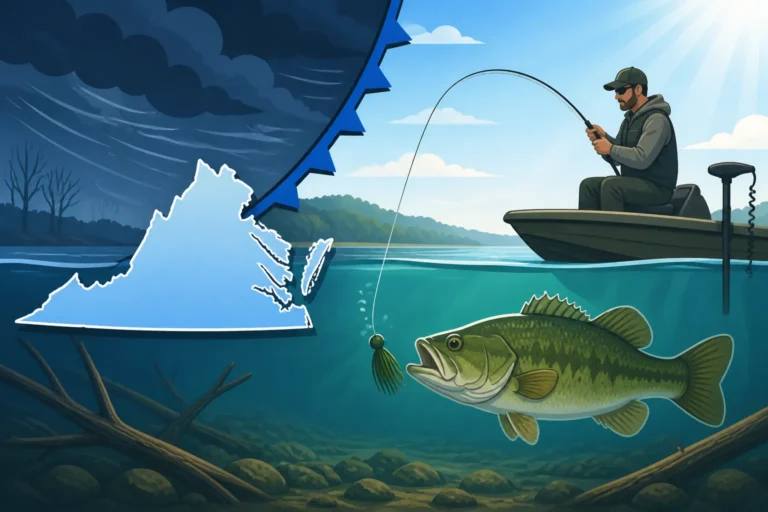
Another significant factor, especially in Virginia, is the impact of cold fronts. While night fishing is often excellent during warm summer nights as temperatures drop, a sudden cold front can shut down the bite. Fish become lethargic and less willing to chase baits. If a cold front has recently passed, you might need to adjust your strategy: fish deeper, use slower retrieves, and consider smaller, more subtle presentations. Just like in the daylight, understanding how fishing techniques after a cold front affect fish behavior is vital. Dress in layers, as nighttime temperatures can drop sharply, even after a warm day. Hypothermia is a serious risk if you're not adequately prepared.
Planning Your Trip for Optimal Nocturnal Bites
Successful night fishing isn't just about showing up after dark; it's about smart planning. Before you even head out, scout your chosen location during the day. Identify key structures, potential hazards, boat ramps, and access points. Pay attention to changes in depth, weed lines, and submerged timber. Knowing the layout of the water in daylight will make navigating and fishing in the dark much safer and more efficient.
Secondly, always check the weather forecast. Look not only for rain and wind but also for significant temperature drops or approaching cold fronts. A calm, clear night with a rising moon can be magical, but a stormy night is simply dangerous. Tides are also crucial for saltwater anglers; many species feed best during specific tidal phases at night. Consult a tide chart for your specific location.
Finally, consider the moon phase. While fishing can be good on any dark night, a full moon can sometimes provide enough natural light to make fish a bit more wary, similar to cloudy daylight conditions. Conversely, a new moon offers maximum darkness, which can encourage the most aggressive nocturnal feeding. However, some anglers swear by a full moon for certain species, so it often comes down to personal experience and local conditions. The key is to be flexible and adapt your approach based on the conditions you encounter. Remember, a great night of fishing starts long before you cast your first line. For deeper insights, you might want to consider Is Night Fishing Better Than Day Fishing? to truly round out your nocturnal angling strategy.
Disclaimer
Fishing laws and regulations are subject to change. Always consult the latest Virginia Department of Wildlife Resources (DWR) regulations before heading out to fish. This guide is for informational purposes only and does not constitute legal advice. Adherence to all local, state, and federal fishing laws is the responsibility of the angler. Be safe and respectful of the environment.