Is Night Fishing Better Than Day Fishing?
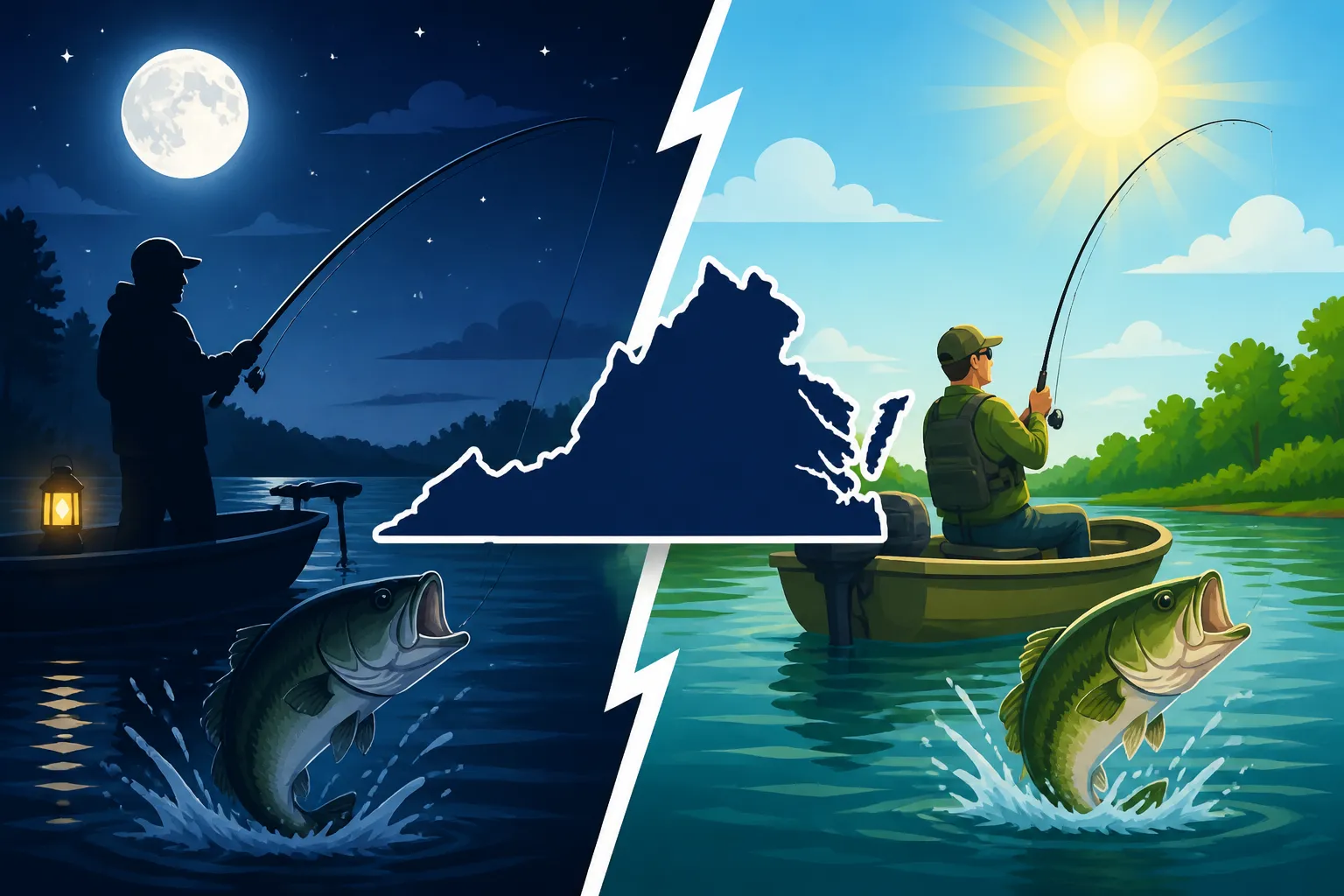
That age-old question, “Is night fishing better than day fishing?” is one every angler in Virginia has probably pondered at some point, especially after a scorching summer day or a long stretch of unproductive daylight hours. It’s frustrating when you put in the time and effort during the day only to come up empty-handed. Many seasoned pros swear by the cloak of darkness for bigger catches and more consistent action, while others cherish the clear visibility and vibrant scenery that only daylight can offer. This guide aims to cut through the speculation and give you a clear understanding of when, where, and why you might consider fishing under the moon or the sun in Virginia's diverse waters.
Understanding the Allure of Night Fishing in Virginia
There’s something truly magical, almost primal, about being out on the water after the sun dips below the horizon. The world quiets, the stars emerge, and a different kind of angling experience begins. But it's not just about the ambiance; for many species in Virginia, the nighttime offers tangible advantages that can translate into incredible fishing.
The Nocturnal Advantage for Certain Species
Think about it: during the heat of the day, especially in the Virginia summer, many fish retreat to deeper, cooler waters or hide in dense cover to escape the sun's glare and warmer surface temperatures. When night falls, the surface water cools, and fish feel more comfortable moving into shallower feeding grounds. This is particularly true for several popular game species.
Catfish, for instance, are classic nocturnal feeders. Whether you're targeting Channel Catfish, Flathead Catfish, or White Catfish in rivers like the James or the Rappahannock, they often become much more active as darkness descends. They use their keen sense of smell and touch to forage along the bottom, making them prime targets for anglers employing bottom fishing techniques with smelly baits. Crappie are another species that can really turn on at night, especially around submerged brush piles or dock lights. The artificial light attracts baitfish, and the crappie follow, often suspended at specific depths under the lights, making them easier to pinpoint. Even Striped Bass, affectionately known as rockfish in saltwater circles, can be incredibly active at night, especially during warmer months or in clear, moonlit conditions in places like the Chesapeake Bay or Smith Mountain Lake. They'll often push baitfish to the surface under the cover of darkness. For those chasing larger specimens, understanding the Virginia Striped Bass Season and Slot Limit Guide is crucial, as rules can vary.
Escape from Heat and Crowds
Let's be honest, fishing in the middle of a Virginia summer day can be brutal. The sun beats down, the humidity is thick, and even if the fish are biting, you might not feel like staying out there. Night fishing offers a welcome reprieve from the oppressive heat, making the experience far more comfortable and enjoyable. Imagine a gentle breeze blowing across the water instead of the relentless sun turning your boat into an oven. This comfort factor alone is a huge draw for many anglers.
Beyond the heat, night fishing often means escaping the crowds. Popular lakes and rivers can be packed with pleasure boats, jet skis, and other anglers during daylight hours, creating noise, boat wakes, and general disturbance that can spook fish and make fishing less peaceful. At night, the waterways tend to clear out. You’ll find more solitude, less competition for prime fishing spots, and a much more tranquil environment. This reduction in pressure can make fish bolder and more willing to bite. If you're looking for remote fishing spots or just a quieter experience, the night can be your best friend.
The Benefits of Day Fishing in Virginia's Waters
While night fishing holds a unique charm and definite advantages for certain situations, let's not discount the enduring appeal and effectiveness of fishing during the day. For many anglers and many species, daylight hours are still the gold standard.
Visibility and Precision
One of the most immediate and obvious benefits of day fishing is visibility. You can actually see what you're doing! Tying knots, re-rigging, identifying structure, reading water currents, and spotting subtle bites become infinitely easier. This precision is invaluable, especially for techniques that require a visual component.
Think about sight fishing for carp or actively targeting structure like submerged timber or rock piles – it’s nearly impossible to do effectively in the dark. For fly anglers on clear trout streams, the ability to see your drift, mend your line, and spot rising fish is paramount. Even for casual bank fishing, being able to watch your bobber dance or see a fish take your bait makes the experience more engaging and educational. When you're trying to master specific presentations or cast to precise targets, daylight is your best instructor. Many of the techniques for How to Catch Bass in Spring Before the Spawn or How to Catch Bass After the Spawn rely heavily on visual cues.
Targeting Visual Hunters
Many of Virginia’s most sought-after game fish are primarily visual predators. Largemouth Bass, for example, rely heavily on their eyesight to ambush prey. While they can be caught at night, especially on noisy or vibrantly colored lures, their peak feeding times often occur during dawn, dusk, or overcast daylight conditions when they can effectively see and track their meals. The same goes for Smallmouth Bass in the clear, rocky rivers of the Shenandoah Valley, or the various trout species – Rainbow, Brown, and Brook Trout – found in Virginia's Best Trout Streams. These fish key in on visual cues, whether it’s the flash of a lure, the subtle drift of a fly, or the natural appearance of bait.
When you're trying to "match the hatch" with specific fly patterns or select the perfect crankbait color to mimic local forage, daylight gives you the advantage of seeing how your lure looks in the water and how fish are reacting to it. It also makes it easier to follow your line, detect light strikes, and react quickly. If your goal is to target these visually-driven species with finesse techniques or precise presentations, day fishing will generally offer a higher chance of success.
Key Factors Influencing Night vs. Day Success
The choice between fishing under the sun or the moon isn't a simple "either/or." It's a nuanced decision influenced by several environmental and biological factors that dramatically impact fish behavior.
Water Temperature and Season
Water temperature is perhaps the most critical factor. In the scorching heat of a Virginia summer, surface water temperatures in lakes and ponds can become uncomfortably warm for many fish during the day. This pushes them deep, makes them lethargic, or sends them seeking shade. When night arrives, the air cools, and the surface water temperature drops, stimulating fish to move into shallower feeding areas. This is why summer nights can be so productive for species like crappie, catfish, and even some bass. Learning about Water Temperature and Fish Feeding Patterns is key here.
Conversely, during cooler seasons like spring and fall, daytime fishing often takes the lead. The sun's warmth can actually activate fish, drawing them out of deeper water to feed in shallower, sun-warmed zones. Early spring, for instance, often sees fish becoming more active as the water slowly warms up during the day. In the fall, as waters begin to cool, the sun's presence can be crucial for extending feeding windows. Winter fishing, too, is almost exclusively a daytime affair, as fish seek any available warmth and light.
Target Species Behavior
Understanding the natural behavior of your target species is paramount. As we touched on, some species are inherently more nocturnal, while others are diurnal.
- Catfish: These whiskered bottom-dwellers thrive at night. Their superb sense of smell and touch makes them highly effective hunters in the dark. If you're specifically after Channel, Flathead, or White Catfish, night fishing will often yield better results. Consider using a robust rod and reel setup and plenty of stink bait or cut bait.
- Crappie: While crappie can be caught during the day, they frequently become very active at night, especially under lights which aggregate baitfish. They’re sensitive to light, so bright moonlight or artificial boat lights can be a draw.
- Striped Bass (Rockfish): These powerful fish are active both day and night. However, during hot summer months, nighttime offers them cooler water and less pressure, often leading to explosive topwater action or effective trolling under the stars, particularly at Smith Mountain Lake or in the deeper channels of the Chesapeake Bay. Understanding how to troll for Striped Bass in Deep Water can be a game-changer.
- Largemouth Bass: Largemouth are primarily visual predators, but they will feed at night, especially on dark, noisy lures. Their prime time usually remains during low light conditions like dawn, dusk, or on cloudy days, making the distinction more about light levels than strictly day vs. night. Many anglers find How to Catch Bass at Night in Summer to be a thrilling challenge.
- Trout: Wild and stocked trout almost always prefer daylight, particularly during cooler parts of the day. They are highly visual feeders, and the clear water of their typical habitats makes low-light fishing difficult for them. You won't typically find anglers fly fishing for trout in the middle of the night.
Fishing Pressure and Location
The amount of angling pressure a specific body of water receives can heavily sway the night vs. day debate. On popular lakes like Lake Anna or Claytor Lake, where boat traffic and fishing activity can be intense during the day, fish often become wary and hard to tempt. They learn to associate daylight with danger.
In such scenarios, night fishing offers a distinct advantage. With fewer boats and less noise, fish tend to move out of cover and become more aggressive feeders. This is especially true for larger, more experienced fish that have learned to avoid daytime pressure. If you consistently fish a high-pressure spot, trying a night trip could unlock a whole new level of success.
On the other hand, if you're exploring remote, less-fished waters, like some of the quieter sections of the Shenandoah River or hidden ponds, day fishing might be just as productive, if not more so, since the fish haven't developed the same level of wariness. The peace and quiet of these spots often allow fish to feed confidently throughout the day.
Essential Gear and Safety for Virginia Night Fishing
Venturing out after dark means more than just throwing on a headlamp. It requires careful planning, the right equipment, and a heightened sense of safety awareness. The tranquil darkness can also hide unseen hazards.
Lighting and Navigation
Your most critical piece of equipment for night fishing is reliable lighting. A quality headlamp is non-negotiable. It allows you to keep your hands free for tying knots, rigging bait, and handling fish. Look for models with different brightness settings and, ideally, a red light option, which helps preserve your night vision and is less disruptive to fish (and other anglers). Beyond a headlamp, consider having a brighter, handheld spotlight or flashlight for scanning the water, navigating, and seeing further distances.
If you’re on a boat, ensure all your navigation lights are working perfectly and are properly displayed according to Coast Guard regulations. Don't rely solely on your fishing buddy's light. Consider glow sticks or clip-on LED lights for marking rod tips, buoys, or even your anchor line. Amazon offers a wide variety of reliable headlamps, waterproof spotlights, and marine navigation lights that are essential for safe night excursions. Always have backup batteries for all your lights – better safe than sorry!
Specific Baits and Lures for Darkness
While traditional baits and lures can still be effective, night fishing often benefits from certain modifications or choices that cater to a fish's reduced vision.
- Scent is King: For nocturnal feeders like catfish, scent becomes paramount. Stink baits, cut bait (like pieces of shad or herring), and prepared dough baits with strong odors are incredibly effective. Even for species like bass, adding scent to your soft plastics can give them an edge in the dark.
- Noisy Lures: Lures that create vibrations or noise are excellent for night fishing, as they help fish locate your offering without relying solely on sight. Bladed jigs, spinnerbaits with large thumping blades, lipped crankbaits that wobble aggressively, and topwater lures with propellers or chugging actions can draw strikes from surprising distances.
- Darker Colors and Silhouettes: While "glow in the dark" lures exist, often, darker colors that create a clear silhouette against the lighter night sky or water surface are more effective. Black, dark blue, or purple jigs and worms can be surprisingly productive. The idea is for the fish to perceive the bait's profile, rather than its intricate color details.
- Slow Presentations: Fish activity levels can vary at night, but a slower, more deliberate retrieve often allows fish more time to locate and commit to your bait. Don’t be afraid to let your lures sink and retrieve them with subtle twitches. This contrasts with daytime fishing where faster retrieves might be used to trigger reaction strikes.
Making the Choice: When to Go Day or Night in Virginia
Deciding whether to pack your gear for a sunrise start or a sunset adventure ultimately comes down to your personal preferences, the type of fish you're after, and the specific conditions you're facing. There's no single right answer, but understanding the optimal scenarios for each can help you maximize your time on the water.
Optimal Scenarios for Night Fishing
Night fishing truly shines in several key situations, making it not just a viable alternative but often a superior choice.
- Hot Summer Months: When Virginia's lakes and rivers become bathwater-warm during the day, night fishing offers cooler temperatures for both you and the fish. This is when species like catfish, crappie, and even striped bass become more active as they move into shallower, more comfortable feeding zones. If you're targeting these species between June and September, try fishing at night for better results.
- Heavily Pressured Waters: On popular waterways that see a lot of boat traffic and angling pressure during daylight hours, fish often become extremely wary. The quiet solitude of the night reduces this pressure, making fish bolder and more likely to strike. This can be a game-changer for those who regularly fish well-known spots.
- Targeting Specific Nocturnal Species: If your primary goal is to catch catfish, especially the larger Flathead Catfish in rivers, or you enjoy the unique challenge of crappie fishing under lights, then night fishing is undeniably the optimal choice. These species are physiologically geared for hunting in low light.
- Seeking Solitude and Tranquility: Beyond the fish, if you're looking for a peaceful escape, away from the hustle and bustle of daytime recreation, night fishing provides a serene experience under the stars. It's a different kind of connection with nature.
Optimal Scenarios for Day Fishing
Day fishing, with all its traditional appeal, remains the best option for many anglers and situations, offering clarity and accessibility that night fishing simply can't match.
- Cooler Seasons (Spring, Fall, Winter): When the water temperatures are moderate to cold, the sun's warmth during the day is often what stimulates fish activity. In spring, it draws fish into spawning areas; in fall, it triggers feeding frenzies before winter; and in winter, it's often the only time fish are active enough to bite.
- Targeting Visual Predators: If you're focused on highly visual hunters like Largemouth Bass in clear water, Smallmouth Bass in rocky rivers, or any species of trout, daytime provides the necessary light for them to see and chase your lures or flies. Precise presentations and sight fishing are nearly impossible after dark.
- Learning and Accessibility: For beginners, children, or anyone still honing their fishing skills, day fishing is far more forgiving. It’s easier to see what you're doing, understand your surroundings, and get comfortable with casting and rigging. Plus, many fishing spots, particularly those designated as family-friendly fishing spots in Virginia, are often better accessed during daylight hours.
- Safety and Navigation: While night fishing can be safe with proper precautions, day fishing inherently offers better visibility, reducing risks associated with navigation, slippery banks, or unexpected obstacles. For peace of mind and easier maneuverability, daylight is the way to go.
- Social Fishing: If you enjoy fishing with friends or family, sharing stories, and taking photos of your catches, daylight provides the ideal backdrop for these social aspects of fishing.
To help you visualize the trade-offs, here’s a quick comparison:
| Feature | Night Fishing Advantages | Day Fishing Advantages |
|---|---|---|
| Fish Activity | Increased for nocturnal species (catfish, crappie, stripers in summer) | Increased for visual predators (bass, trout, panfish) |
| Water Temp. | Cooler surface temps in summer, good for deeper fish | Warmer surface temps in cooler seasons, activates fish |
| Visibility | Minimal, relies on sound/scent/silhouette | Excellent, allows for sight fishing and precise presentations |
| Crowds | Significantly reduced, more solitude | Often crowded on popular waters, more competition |
| Safety | Requires extra lighting, vigilance, and navigation skills | Generally safer due to clear visibility |
| Comfort | Cooler in summer, pleasant in mild weather | Can be hot in summer, but generally comfortable otherwise |
| Species Best | Catfish, Crappie, Summer Striped Bass, Walleye | Bass, Trout, Panfish, Pike, Perch, Winter Striped Bass |
| Gear Focus | Scented baits, noisy lures, dark colors, strong lights | Wide variety of lures/baits, visual cues, polarized sunglasses |
So, is night fishing better than day fishing? It's not a simple yes or no. It's about aligning your efforts with the conditions and the fish you want to catch. For a trophy Flathead Catfish on the James River in August, night fishing is almost certainly better. But for targeting Rainbow Trout in the Shenandoah River in April, you'll want the sun high in the sky.
The real answer lies in being versatile. Don't be afraid to try both. Explore the tranquility of a moonlit lake and the vibrant energy of a sunny morning on the river. Each offers a unique experience and, with the right approach, the chance for a fantastic catch here in Virginia.
Disclaimer
This article is for general informational purposes only and does not constitute professional advice. Laws, prices and regulations vary by location and change over time. Consult a qualified professional for guidance on your specific situation.