How to Fish During a Bright Sunny Afternoon
Oh, the bright, sunny afternoon! It's one of those times when many anglers, myself included, might be tempted to just pack it in and wait for the evening bite. You look out at that sparkling water, the sun glinting off every ripple, and a little voice in your head says, "The fish are never biting now." It’s a common frustration, feeling like your chances are gone when the sun is high and the air is hot. But here’s the good news: while it certainly presents challenges, a bright, sunny afternoon doesn't have to mean a wasted trip. With a few strategic adjustments, you can absolutely turn a seemingly slow afternoon into a successful fishing adventure in Virginia. This guide will walk you through exactly how to adapt your techniques, choose the right gear, and find those elusive fish when the sun is doing its best to keep them hidden.
The Afternoon Sun: Why It's a Challenge and Not Always a Dealbreaker
Let's be real, fishing on a bright, sunny afternoon can feel like an uphill battle. It's not just in your head; fish do react to these conditions. Understanding why they do can help you predict their behavior and, ultimately, outsmart them.
Understanding Fish Behavior in Bright Light
Think about it from a fish's perspective. Most species, especially the ones we love to target like bass, crappie, and trout, aren't exactly sunbathers. They don't have eyelids, for one, and that intense glare from above can be uncomfortable and make them feel exposed. Just like you'd squint or seek shade on a scorching day, fish will do the same. Their eyes are often adapted for lower light conditions, making the midday glare a real hindrance to their vision. This sensitivity means they'll naturally retreat from direct sunlight, seeking refuge where they feel safer and more comfortable.
Furthermore, bright light can make them more visible to predators, whether that's an osprey soaring overhead or a bigger fish lurking below. This instinct for self-preservation drives them deeper or into thick cover. So, when you cast your line into open, sun-drenched water and nothing bites, it's not always because there are no fish around; it's often because the fish that are there are hunkered down, waiting for better conditions. This also ties into how light penetration affects their entire ecosystem. Clear, bright water means light can penetrate deeper, pushing fish further down or into denser cover than on a cloudy day.
The Impact of High Water Temperatures
The sun's relentless rays don't just affect visibility; they also significantly warm up the surface layers of the water. For cold-blooded creatures like fish, water temperature is everything. Each species has an optimal temperature range where they are most active, feed most vigorously, and feel generally comfortable. When surface water temperatures soar, especially in shallower areas, many fish become lethargic. Their metabolism slows down, and they're less inclined to chase after a fast-moving lure. This is a common phenomenon you might notice during Summer Bass Fishing Patterns.
Imagine trying to run a marathon in 100-degree heat – you'd probably prefer to conserve energy, right? Fish are similar. High water temperatures also mean less dissolved oxygen, particularly in stagnant or shallow waters. Fish need oxygen to breathe, and when it's scarce, they'll seek out areas with cooler, more oxygenated water. This often means moving to deeper pockets, areas with springs, or spots where current creates a better oxygen flow. So, a bright, sunny afternoon often correlates with higher water temperatures, forcing fish to adjust their location and activity levels, which directly impacts how and where you need to fish. Understanding How Water Temperature Affects Fish Feeding is key to solving this afternoon puzzle.
Adapting Your Approach: Where to Find Fish When the Sun is High
Since fish are going to be uncomfortable in direct sunlight and warm surface water, our job as anglers is to think like a fish and find those comfortable spots. This means changing our usual go-to locations and techniques.
Seeking Shade and Cover
This is perhaps the most obvious, yet often overlooked, tactic for bright, sunny afternoons. Fish will seek shade, no question about it. Think of any natural or man-made structure that casts a significant shadow into the water.
- Natural Shade: Overhanging trees, bushes, dense lily pads, or even steep banks can provide crucial relief from the sun. Look for fallen trees or brush piles that extend into the water, creating both shade and physical cover. These spots offer a double whammy: comfort from the sun and a safe hiding place from predators. For example, if you're exploring a lake like Smith Mountain Lake Fishing Guide, focus on its numerous coves with wooded banks.
- Man-Made Structures: Bridges are absolute goldmines on sunny afternoons. The shade they cast can extend for a considerable distance, attracting schools of baitfish and, consequently, the predatory fish that feed on them. Docks, piers, boat houses, and even moored boats can also provide shade. Don't be shy about casting right up under these structures. Sometimes, the fish are tucked so far back into the darkest parts of the shadow that you need to be incredibly precise with your cast to get to them. Remember, these structures also often provide physical cover and act as ambush points, making them prime real estate for fish.
When fishing these areas, consider casting beyond the shaded line and working your lure into the darker water. Fish will often sit right on the edge of the shade, waiting to dart out and grab a meal.
Going Deep: The Thermocline and Cooler Water
If shade isn't readily available, or if the water is simply too warm even in shaded shallows, fish will often move to deeper water where the temperature is more stable and cooler. This is where understanding terms like "thermocline" comes into play. The thermocline is a layer of water in a lake or large pond where the temperature changes rapidly with depth. Above it, the water is warmer; below it, it's colder. Fish, especially species like bass and crappie, will often suspend or hold just above, below, or within this layer where they find their optimal comfort zone regarding temperature and oxygen.
To target these deeper fish, you need lures that can get down there and stay there.
- Ledges and Drop-offs: These are underwater highways and neighborhoods for fish. As the sun gets high, fish will often slide down ledges into deeper, cooler water, but they won't necessarily go to the bottom of the abyss. They'll often stage on the first available flat or shelf that offers a comfortable temperature.
- Humps and Points: Underwater humps and points that rise from deeper water can be magnets for fish. They offer structure and a change in depth, allowing fish to move up and down easily as conditions change.
- Channels and River Bends: In rivers, deeper channels or the outside bends of a river will naturally have cooler water and more current, providing both comfort and oxygen. Fishing the James River in Virginia or Fishing the Shenandoah River in Virginia often requires knowing these deeper pockets.
Using electronics like a fish finder can be incredibly helpful here. It allows you to identify these depth changes, humps, and schools of baitfish, taking the guesswork out of finding those deep-water refuges. Remember, if fish are deep, you need to present your bait at their level. Don't just cast shallow if the sun is high and the water is warm. Learn How to Catch Bass in Cold Water and apply those deep-water tactics, even if the surface is boiling hot.
Low-Light Feeding in Bright Conditions
It might sound counterintuitive, but even on bright, sunny afternoons, fish still need to eat. They just might do it differently. Instead of aggressively chasing bait in open water, they'll often become opportunistic feeders, waiting for an easy meal to pass right by their noses.
- Ambush Points: This ties back to shade and cover. Fish will tuck themselves into dense cover, under docks, or in thick weeds, waiting for an unsuspecting baitfish or insect to swim within striking distance. Your presentation needs to be slow, deliberate, and precise. You're not trying to draw them out with a flashy, fast retrieve; you're placing the meal directly in front of them.
- Bottom Feeding: Many species, especially catfish and some larger bass, will become more lethargic and stay near the bottom in deeper, cooler water. They'll wait for food to drift down to them. This makes techniques like Catfish Bottom Fishing Techniques or slow-dragging jigs and Texas-rigged worms incredibly effective.
- Dawn and Dusk Patterns (Even in Afternoon): While true dawn and dusk are prime times, sometimes a brief cloud cover or a slight dip in the sun's intensity can mimic these low-light conditions, triggering a short feeding window. Pay attention to changes in the sky, even if fleeting.
The key here is patience and persistence. You might not get a bite every cast, but by targeting these specific areas and presenting your bait thoughtfully, you increase your chances significantly. It's about working smarter, not harder, when the sun is blazing.
Lure and Bait Selection for Bright Conditions
When the sun is beating down and the water is clear, your lure and bait choices become even more critical. What works on a cloudy morning might get completely ignored during a bright afternoon.
Color Choices for Clear, Sunny Water
In clear, sunny water, fish have excellent visibility. This means they can scrutinize your lure more closely. Loud, unnatural colors that might work well in murky water can often spook fish in bright, clear conditions.
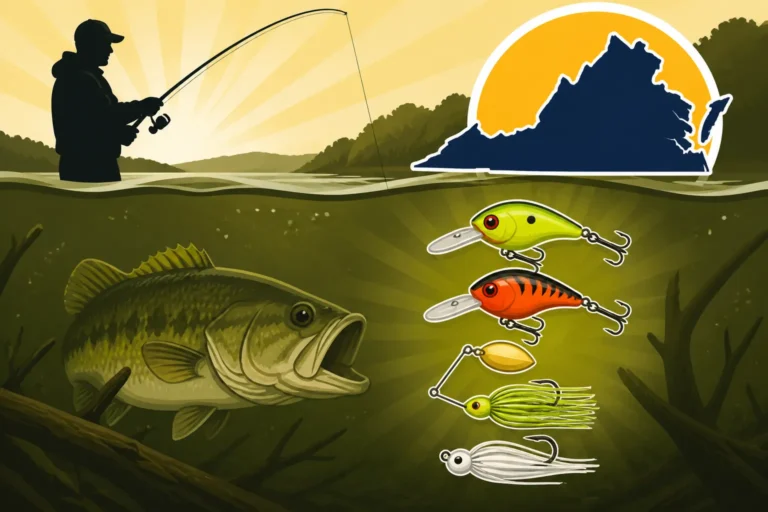
- Natural and Subtle: Think about the baitfish and prey species in the water you're fishing. Often, natural patterns like greens, browns, and whites, or translucent lures, will be most effective. Shad, perch, and crawfish patterns are usually safe bets. Colors like pumpkin seed, watermelon, junebug, or natural silver/gold can imitate baitfish effectively.
- A Touch of Flash (Sometimes): While subtlety is often key, a slight amount of flash can sometimes attract attention without being too aggressive. A spinnerbait with one silver blade or a crankbait with a subtle chrome finish can mimic the flash of a fleeing baitfish. However, too much flash in clear water under bright sun can be blinding and unnatural.
- Darker Colors for Deep Water/Shade: If you're fishing deep or in heavy shade, darker colors can create a stronger silhouette against the lighter surface, making your lure more visible. Black, blue, or deep purple can be surprisingly effective in these conditions. This is where learning How to Choose Lure Color for Clear Water really pays off.
It's always a good idea to have a variety of colors in your tackle box. What works one day might not work the next, and conditions can change even over a few hours. When in doubt, start with natural and subtle, then experiment. You can find a vast array of these specific color patterns on Amazon, often with reviews from other anglers that can guide your choices.
Action and Presentation
When fish are lethargic due to heat and bright light, a fast, erratic presentation might be too much for them to commit to. They're conserving energy, so they're looking for an easy meal.
- Slow and Deliberate: Think slow-moving plastics like Texas-rigged worms, Senkos, or jigs. Let them sink naturally, then move them with subtle twitches and long pauses. The goal is to make the lure look like an injured or easy-to-catch prey item that requires minimal effort to snatch.
- Deep Water Retrieves: If you're targeting fish in deeper water, your retrieve needs to keep the lure in that strike zone for as long as possible. Bottom-bouncing techniques with jigs or slow-rolling deep-diving crankbaits are ideal. For crappie, Crappie Jigging Techniques with a slow, vertical presentation can be very effective in deeper cover.
- Erratic, But Not Fast: Sometimes, a subtle, erratic action can trigger a reaction strike, especially if the fish are still active but just less aggressive. Jerkbaits, worked with long pauses, or a shaky head worm, slowly dragged and bounced along the bottom, can mimic an injured creature struggling.
Avoid topwater lures during the bright midday sun, as fish are rarely looking up in these conditions. Save those for dawn, dusk, or heavily overcast days. Instead, focus on techniques that get your bait down to where the fish are hiding and present it in a way that appeals to their desire for an easy meal. For some great tips on this, check out Best Bass Fishing Techniques for Fall – many of those slower, deep-water approaches translate well to hot afternoon fishing.
Natural Baits for Tough Bites
When artificial lures just aren't cutting it, and fish are particularly finicky, live bait often becomes your secret weapon. Nothing beats the natural look, smell, and action of a real worm, minnow, or piece of cut bait.
- Worms and Nightcrawlers: Always a classic, worms are irresistible to a wide range of freshwater fish. They're especially effective for panfish, trout, and bass that are hugging the bottom in cooler water. Their natural scent and squirming action can entice even the most inactive fish.
- Minnows and Shiners: For predatory fish like bass, crappie, and even walleye, a lively minnow or shiner fished under a bobber in shaded areas, or on a slip-sinker rig in deeper water, is hard to beat. The natural movement is often enough to trigger a strike when artificials fail.
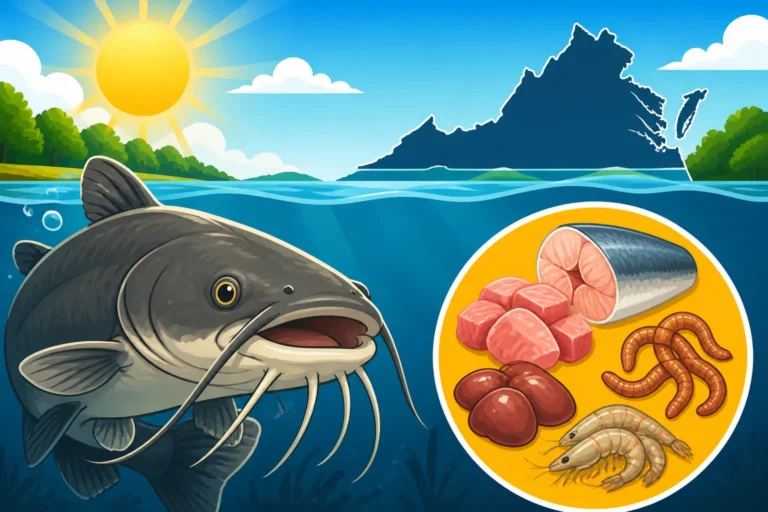
- Cut Bait: For catfish, particularly in the larger sizes, cut bait is often the most productive option. Pieces of shad, sunfish, or even chicken liver on the bottom in deeper holes will attract their attention. This is a go-to for Catfish Fishing Techniques and Bait Guide.
- Crickets and Grasshoppers: For smaller panfish and trout in streams, crickets and grasshoppers can be incredibly effective, especially when fished near overhanging vegetation where they might naturally fall into the water.
The beauty of natural bait is its inherent appeal. It smells, tastes, and moves like real food, which can be the deciding factor for fish that are otherwise uninterested in expending much energy. Always check local regulations regarding live bait use, as some areas may have restrictions.
Lure & Bait Table for Bright Afternoons
Here's a quick guide to some effective lure and bait combinations for bright, sunny afternoons, considering different depths and fish species.
| Fishing Scenario | Primary Target Species | Recommended Lure/Bait | Color/Pattern Suggestions | Key Presentation Tips |
|---|---|---|---|---|
| Shaded Shallower Water | Bass, Panfish | Wacky-rigged Senko, Jig with soft plastic trailer, Live Worms | Watermelon, Green Pumpkin, Black/Blue, Natural | Slow retrieve, precise casts into shadows, subtle twitches |
| Deep Ledges/Humps | Bass, Walleye, Stripers | Deep-diving Crankbait, Football Jig, Carolina Rig, Live Minnows | Natural Shad, Crawfish, Perch, Chartreuse (deep) | Slow roll, bottom-bouncing, long pauses, vertical jigging |
| Heavy Cover (Brush Piles) | Bass, Crappie | Jig-n-Pig, Texas-rigged creature bait, Live Minnows | Black/Blue, Green Pumpkin, Junebug, Natural Shad | Pitching/flipping, letting lure sink, very slow retrieve |
| Bridges/Piers (Shade) | Bass, Crappie, Catfish | Drop Shot, Small Jig, Live Minnows, Cut Bait | Natural, Chartreuse, Dark Colors (shade) | Vertical presentation, jigging, letting bait sit on bottom |
| River Channels/Bends | Catfish, Smallmouth Bass | Cut Bait, Heavy Jig, Tube Bait, Live Crawfish | Natural, Brown, Green Pumpkin, Black/Blue | Bottom-bouncing, dragging, holding in current |
Gear and Personal Protection for Sunny Afternoons
Fishing on a bright, sunny afternoon isn't just about what you throw in the water; it's also about how you prepare yourself. The sun's intensity can quickly lead to discomfort, fatigue, and even sunburn if you're not properly equipped.
Essential Angler Gear for Sun Protection
Spending hours under direct sunlight without proper protection is a recipe for a miserable day and potential long-term health issues. Don't let the sun cut your fishing trip short!
- Wide-Brimmed Hats: A good hat is non-negotiable. It protects your face, ears, and the back of your neck from harmful UV rays. Baseball caps are okay, but a full wide-brimmed hat offers superior protection. You can find excellent fishing-specific hats with quick-drying materials and adjustable straps on Amazon.
- Long-Sleeved, UV-Protective Clothing: Forget the old cotton t-shirt. Invest in lightweight, breathable shirts made from technical fabrics that offer UPF (Ultraviolet Protection Factor) ratings of 30 or 50+. These shirts wick away sweat, keep you cool, and block a significant amount of UV radiation. Many also feature hoods for extra neck and ear protection.
- Neck Gaiters/Buffs: These versatile pieces of fabric can be pulled up to cover your neck and face, protecting them from direct sun, especially when combined with a hat. They are crucial for preventing sunburn on often-exposed areas.
- Gloves: Fishing gloves protect your hands from both sun exposure and the elements. Many brands offer gloves with fingerless designs for better dexterity.
Remember, prevention is always better than cure. Stocking up on these items will make your bright-afternoon fishing much more enjoyable and safer.
The Power of Polarized Sunglasses
If there's one piece of gear that can dramatically improve your fishing experience on a sunny afternoon, it's a good pair of polarized sunglasses. This isn't just about looking cool; it's about seeing into the water.
- Cutting Glare: The primary benefit of polarized lenses is their ability to cut glare off the water's surface. Without them, all you see is a reflective sheen. With them, the glare is significantly reduced, allowing your eyes to penetrate the surface and see what's beneath.
- Spotting Fish and Structure: This means you can spot submerged logs, rock piles, weed lines, and even fish themselves, especially in clear, shallower water or when fish are holding near the edge of shade. Imagine being able to see that bass tucked under a dock before you even cast – that's the advantage polarized lenses give you.
- Eye Comfort and Health: Beyond spotting fish, polarized sunglasses reduce eye strain, which can lead to headaches and fatigue over a long day on the water. They also protect your eyes from harmful UV rays, reducing the risk of long-term damage.
When choosing polarized sunglasses, opt for amber, brown, or copper lens tints for general fishing, as these enhance contrast. Gray tints are excellent for extremely bright conditions and offer true color perception. Again, checking out options on Amazon allows you to compare different styles and lens technologies to find what works best for you and your budget.
Hydration and Comfort
Finally, don't underestimate the importance of staying hydrated and comfortable. High temperatures, even with a breeze, can quickly lead to dehydration and heat exhaustion.
- Plenty of Water (and More): Bring far more water than you think you'll need. A good rule of thumb is at least a gallon for a full day of fishing, more if it's extremely hot. Electrolyte drinks can also be beneficial to replenish salts lost through sweating.
- Cooler with Ice: A cooler filled with ice is not just for keeping your drinks cold; it's also vital for keeping yourself cool. You can use ice packs or even a wet towel kept in the cooler to drape over your neck or head for quick relief from the heat.
- Snacks: Small, energy-boosting snacks like nuts, fruit, or energy bars can help keep your energy levels up when the heat saps your strength.
- Breaks: Don't be afraid to take breaks. Find some natural shade on the bank, sit down, and rehydrate. There's no prize for pushing yourself to exhaustion. Listening to your body is key to an enjoyable and safe fishing trip, especially during challenging afternoon conditions.
By combining these smart personal protection strategies with informed fishing techniques and lure choices, you'll find that a bright, sunny afternoon in Virginia can still yield some fantastic catches. It's all about adapting to the conditions and remembering that fish are always somewhere, even if they're not where you usually find them. So next time the sun is high, don't despair – grab your polarized sunglasses, find that shade, and get ready to prove those fish wrong!
Disclaimer
This article is for general informational purposes only and does not constitute professional advice. Laws, prices and regulations vary by location and change over time. Consult a qualified professional for guidance on your specific situation.