Catfish Fishing Techniques and Bait Guide
Anglers often feel overwhelmed by the sheer variety of catfish species and the countless techniques and baits touted as the "best" for reeling them in. It's a common frustration to spend hours on the water, only to come up empty-handed while others seem to effortlessly pull in trophy cats. This comprehensive guide aims to demystify catfish fishing in Virginia, sharing proven techniques and bait strategies that will help you confidently target and catch these whiskered wonders, no matter your experience level.
Understanding Virginia Catfish Species
Virginia's waters are teeming with different catfish species, each with its own quirks and preferences. Knowing what you're targeting is half the battle, trust me. You wouldn't use the same tactics for a shy brook trout as you would for an aggressive largemouth bass, right? The same goes for catfish. It's crucial to understand the distinct characteristics of Channel, Flathead, and White Catfish to tailor your approach effectively. This knowledge will save you a lot of time and heartache, guiding you toward the right gear and locations for your intended quarry. For a broader overview, take a look at the comprehensive guide on Virginia Catfish Species: Channel, Flathead, and White Compared.
Channel Catfish The Common Catch
The Channel Catfish is probably the most widely recognized catfish in Virginia, and for good reason—they're incredibly abundant and found in a huge variety of habitats. If you've ever caught a catfish, chances are it was a Channel Cat. They're characterized by their scattered black spots, deeply forked tail, and a somewhat smaller, more streamlined body compared to their Flathead cousins. These guys are opportunistic feeders, which makes them a fantastic target for anglers of all skill levels. They're not picky eaters, which is a huge bonus when you're just starting out or introducing someone new to fishing.
You'll find Channel Cats in just about any freshwater system in Virginia, from large rivers like the James and the Rappahannock to smaller creeks, ponds, and reservoirs such as Lake Anna. They thrive in warmer waters and often hang out in deeper holes during the day, moving into shallower areas to feed as the sun sets or on overcast days. Their diet is incredibly varied; they'll gobble up everything from insects and crustaceans to smaller fish, frogs, and even decaying organic matter. This wide palate is why so many different baits work so well for them.
While not usually reaching the gargantuan sizes of Flatheads, Channel Cats still offer a fantastic fight, especially on lighter tackle. A 5-10 pound Channel Cat can really pull, making for some exciting moments on the water. They're also widely regarded as excellent table fare, with sweet, flaky white meat. So, if you're looking to fill your cooler and enjoy a delicious meal, targeting Channel Catfish is definitely the way to go. Their widespread distribution and willingness to bite make them a reliable and rewarding species for any Virginia angler.
Flathead Catfish The River Monster
Now, if you're chasing truly massive fish, the Flathead Catfish is your ticket. These are the "river monsters" of Virginia, known for their enormous size, broad, flattened heads, and distinctively mottled brown and yellow coloration. Unlike the Channel Cat's deeply forked tail, the Flathead has a square or slightly notched tail, and they lack the scattered spots. These fish are powerful, aggressive predators, and hooking into a big one will test your tackle and your endurance. They are a completely different beast to handle, requiring a different mindset and gear. You can learn more about their distinctions in Channel Catfish vs Flathead Catfish: How Virginia Anglers Tell Them Apart.
Flatheads are primarily found in the large rivers and reservoirs of Virginia, preferring slow-moving, deep sections with plenty of underwater cover like logjams, rock piles, or bridge pilings. They are ambush predators and will lie in wait for unsuspecting prey to swim by. This means they are far less likely to be tempted by smelly, prepared baits than Channel Cats. Instead, live bait is almost always the key to success with Flatheads. They want a meal that's alive and kicking, something they can actively hunt and overpower.
Catching a trophy Flathead can be an all-night affair, often requiring heavy-duty rods, stout line, and a lot of patience. These fish can easily reach 30, 40, or even 50 pounds or more in Virginia, with the state record pushing well over 100 pounds! Imagine the thrill of battling a fish that big! But be warned, their powerful jaws and sandpaper-like teeth are designed for crushing, so always handle them with care, especially when removing hooks. For those seeking a true angling challenge and a potential fish of a lifetime, the Flathead is the ultimate prize in Virginia's freshwaters.
White Catfish A Smaller but Feisty Opponent
Often overlooked in the shadow of their larger cousins, the White Catfish is another common species in Virginia, particularly in the tidal fresh and brackish waters. They're smaller than both Channel and Flathead cats, typically topping out around 1-3 pounds, though larger specimens can be found. You can identify them by their broader, flatter heads compared to a Channel Cat, and a somewhat less forked tail that's more rounded than a Channel Cat's. Their coloration is usually a uniform greenish-gray to brownish-yellow, without the spots of a Channel Cat.
While they may not offer the same brute strength as a Flathead or the consistent size of a Channel Cat, White Catfish are incredibly feisty for their size and provide excellent sport on light tackle. They're often found in the same areas as Channel Cats, but have a higher tolerance for brackish water, making them prevalent in the lower reaches of Virginia's tidal rivers. Think about the productive waters of the James River or the York River, extending into areas with a slight saline mix. They'll readily take a variety of baits, making them a great target for beginners or those just looking for consistent action.
White Catfish are also highly regarded for their flavor, often considered by some to be superior to Channel Cats due to their generally cleaner diet in brackish environments. They are fantastic for frying or baking, providing a delicious meal for the family. So, don't discount these smaller, yet spirited fish. They can provide an incredibly fun day on the water, especially when the bite for larger species is slow. They're a fantastic way to introduce kids to the joys of fishing, as they're usually willing biters and don't require overly specialized gear.
Essential Gear for Catfish Anglers
Alright, let's talk tackle. You can't expect to reel in a brute of a Flathead with a flimsy ultralight rod meant for panfish. Getting your gear sorted before you hit the water is paramount for a successful catfish outing. There’s a certain frustration that comes with having the right bait and the perfect spot, only for your equipment to fail when that trophy fish finally bites. Trust me, I've been there, watching my line snap or my rod bend to its breaking point. Investing in the right tools will not only improve your chances of landing that fish but also enhance your overall enjoyment and reduce those heart-sinking moments.
Rods, Reels, and Line Choices
When it comes to rods, think power and backbone. For Channel Catfish, a medium to medium-heavy action spinning or baitcasting rod, typically 6 to 7.5 feet long, is usually sufficient. This setup offers a good balance of casting distance and the power needed to handle a feisty five-pounder. Brands like Ugly Stik or Penn Battle are often popular for their durability and reliable performance in the catfish world. However, if you're serious about targeting those monster Flatheads or bigger Blues, you'll want to step up to a heavy or even extra-heavy action rod, 7 to 9 feet in length. These longer, stiffer rods provide the leverage needed to muscle large fish away from snags and absorb powerful runs.
Reels need to match the rod's power and your target species. For Channel Cats, a sturdy spinning reel in the 4000-6000 series or a baitcasting reel with a good drag system is ideal. For the heavy-duty Flathead and Blue Catfish, a robust baitcasting reel (like an Abu Garcia Ambassadeur or a Penn Squall) with a large line capacity and a smooth, powerful drag is non-negotiable. You'll need that capacity for long casts and even longer runs. Line choice is just as critical: for most Channel Cat fishing, 15-20 lb monofilament or fluorocarbon is a solid choice. Many anglers, especially those chasing bigger fish, opt for braided line in the 30-80 lb test range. Braid offers superior strength, sensitivity, and a smaller diameter for its breaking strength, allowing you to spool more line. Just remember, braid has no stretch, so a good rod and a well-adjusted drag are essential to prevent hooks from pulling out or lines snapping under sudden pressure.
Hooks, Weights, and Floats
The business end of your tackle needs to be robust. For hooks, circle hooks are king in catfish fishing. They're designed to hook fish in the corner of the mouth, minimizing gut hooks and making for easier, safer releases, which is especially important if you plan on releasing trophy fish or adhering to specific regulations. Sizes typically range from 2/0 to 8/0 for Channel Cats, and for Flatheads, you might go as large as 10/0 or even 12/0, depending on your bait size. Kahle hooks are another popular option, offering a wider gap for bulkier baits. Ensure they are strong, sharp, and high-quality; cheap hooks will bend or break under the strain of a big catfish.
Weights are crucial for getting your bait to the bottom and holding it there, especially in current. Sinker styles vary: egg sinkers, disc sinkers, and pyramid sinkers are common. For bottom fishing, a Carolina rig or a three-way swivel rig works wonders. With a Carolina rig, the weight slides freely on the main line above a swivel, allowing the fish to pick up the bait without feeling the resistance of the sinker. This is fantastic for shy biters. The amount of weight depends entirely on the current and depth; you might use anywhere from 1/2 ounce in still water to several ounces in heavy river current. Floats, or bobbers, come into play when you want to suspend your bait at a certain depth, off the bottom, or over submerged structure. Large slip bobbers are popular for presenting live bait, allowing it to drift naturally while still indicating a bite.
Other Must-Have Accessories
Beyond the basic rod, reel, and terminal tackle, there are a few other items that will significantly improve your catfish fishing experience. First off, a good set of heavy-duty pliers or jaw spreaders is invaluable for safely removing hooks from a catfish's tough mouth, especially if it's deeply hooked. You'll also want a sturdy pair of gloves to protect your hands from their sharp pectoral and dorsal fins, which can deliver a painful "sting." Many anglers swear by specialized catfish gloves that are puncture-resistant.
A reliable headlamp or flashlight is absolutely essential for night fishing, which is often the most productive time for bigger cats. Consider something waterproof and with a red light setting to preserve your night vision. A sharp knife for cutting bait, a comfortable chair, a cooler for drinks and bait, and a large landing net or even a grip tool like a boga grip for handling big fish are also highly recommended. If you're going after Flatheads, a sturdy net with a rubberized mesh (to protect the fish) and a wide hoop opening is a wise investment. You can find many of these essential items on Amazon, often in convenient bundles. Don't forget your fishing license! You can learn more about How to Get a Fishing License in Virginia through the DWR website or licensed agents.
Top Catfish Fishing Techniques in Virginia
Catfish aren't always found in the same places or biting on the same things, which is why having a few different techniques in your arsenal is a game-changer. There's nothing more frustrating than sticking to one method when the fish are clearly preferring another! From the tried-and-true classic of bottom fishing to more active approaches, understanding these techniques will help you adapt to various conditions and greatly increase your chances of success across Virginia's diverse waterways.
Bottom Fishing The Classic Method
Bottom fishing is, without a doubt, the most popular and often most effective technique for targeting catfish, especially Channel Cats and larger Blue Cats. The basic idea is simple: get your bait to the bottom, where catfish spend a lot of their time scavenging for food. A classic setup involves a sliding sinker rig, often called a Carolina rig, where a weight slides freely above a swivel, which is then tied to a leader and a hook. This allows the fish to pick up the bait without feeling the resistance of the heavy sinker, giving you a better bite indication and preventing them from dropping the bait prematurely.
To execute this, cast your rig out and let it settle on the bottom. Keep your line relatively tight, just enough to feel for a bite, but loose enough that the current doesn't move your weight too much. When a catfish bites, you'll often see a gentle tug, a steady pull, or even your rod tip bending sharply. It's crucial not to set the hook too aggressively with circle hooks; instead, just reel down until the line tightens, and the hook will typically set itself in the corner of the fish's mouth. This technique is especially effective in deeper holes, along channel edges, or near any submerged structure in rivers and lakes where catfish tend to congregate.
Many anglers will fish multiple rods using this method, spreading them out to cover more water. This is particularly useful from a boat or from the bank at a good spot with plenty of room. Remember to keep an eye on all your rods! When a big one hits, it can be quite a challenge to keep everything straight. For more detailed insights, check out this guide on Catfish Bottom Fishing Techniques.
Trotlines and Jug Fishing Passive Power
For those looking to cover more water or fish multiple baits simultaneously, trotlining and jug fishing offer fantastic passive approaches, though they come with specific regulations you absolutely need to understand first. Trotlines involve a main line stretched across a body of water or suspended from bank to bank, with multiple baited hooks attached at intervals. It's a method that can be incredibly effective for both Channel and Flathead catfish, as it presents numerous baits in different locations.
Jug fishing, on the other hand, involves individual baited lines tied to floats or "jugs" that drift freely or are anchored in specific areas. Anglers typically deploy several jugs, each with a single baited hook, and then follow them, checking for bites. This method allows the bait to cover a wider area, mimicking natural drift. Both trotlines and jug fishing are especially popular for targeting larger catfish in big rivers and reservoirs where fish might be more spread out.
However, these methods are subject to strict rules in Virginia regarding the number of lines, hook limits, proper tagging, and permitted locations. For instance, in many public waters, you might be limited to a certain number of hooks per person or lines per boat, and trotlines may require specific permits or only be allowed in certain areas. Ignoring these rules can lead to significant penalties, so always consult the latest Virginia Fishing Regulations Explained by the DWR before deploying any passive gear. Also, for detailed setups, you can refer to resources like Catfish Trotline Setup and Tips and Jug Fishing for Catfish.
Drift Fishing and Controlled Presentation
Sometimes, catfish aren't sitting still and waiting for a static bait. Especially in rivers, they might be actively cruising for food, or you might need to cover a lot of ground to find them. This is where drift fishing comes in. Whether from a boat or by slowly wading a river, drift fishing involves allowing your bait to move naturally with the current or wind, covering different depths and structures.
From a boat, you can deploy a slip bobber rig with live bait or a bottom rig and let your boat slowly drift with the current, dragging your bait along prime catfish holding areas. This technique is fantastic for covering long stretches of river or expansive lake flats, effectively presenting your bait to active fish. You maintain control of your lines, but the natural movement of the boat or the current does the work of covering territory. It’s a more active form of fishing compared to simply anchoring, and it allows you to quickly locate where the fish are concentrated on any given day.
Another form of controlled presentation involves using an electric trolling motor to slowly move your boat along contours or submerged structures, dragging your bait. This is a very precise way to fish, allowing you to present your bait exactly where you want it for extended periods. This method is particularly effective for targeting Flatheads and larger Channel Cats that might be holding tight to specific pieces of cover. It's about taking the bait to the fish, rather than waiting for the fish to come to the bait, and it can be incredibly productive when you've pinpointed a high-percentage area.
Choosing the Right Bait for Virginia Catfish
Ah, bait! This is where a lot of anglers get tripped up, and it's also where you can really stack the odds in your favor. Catfish are often thought of as scavengers, and while that's true to an extent for Channel Cats, it's a gross oversimplification for species like Flatheads. The wrong bait at the wrong time can leave you staring at a still rod tip all day. Let’s dive into what these whiskered critters really want to eat.
Natural Baits Live and Cut
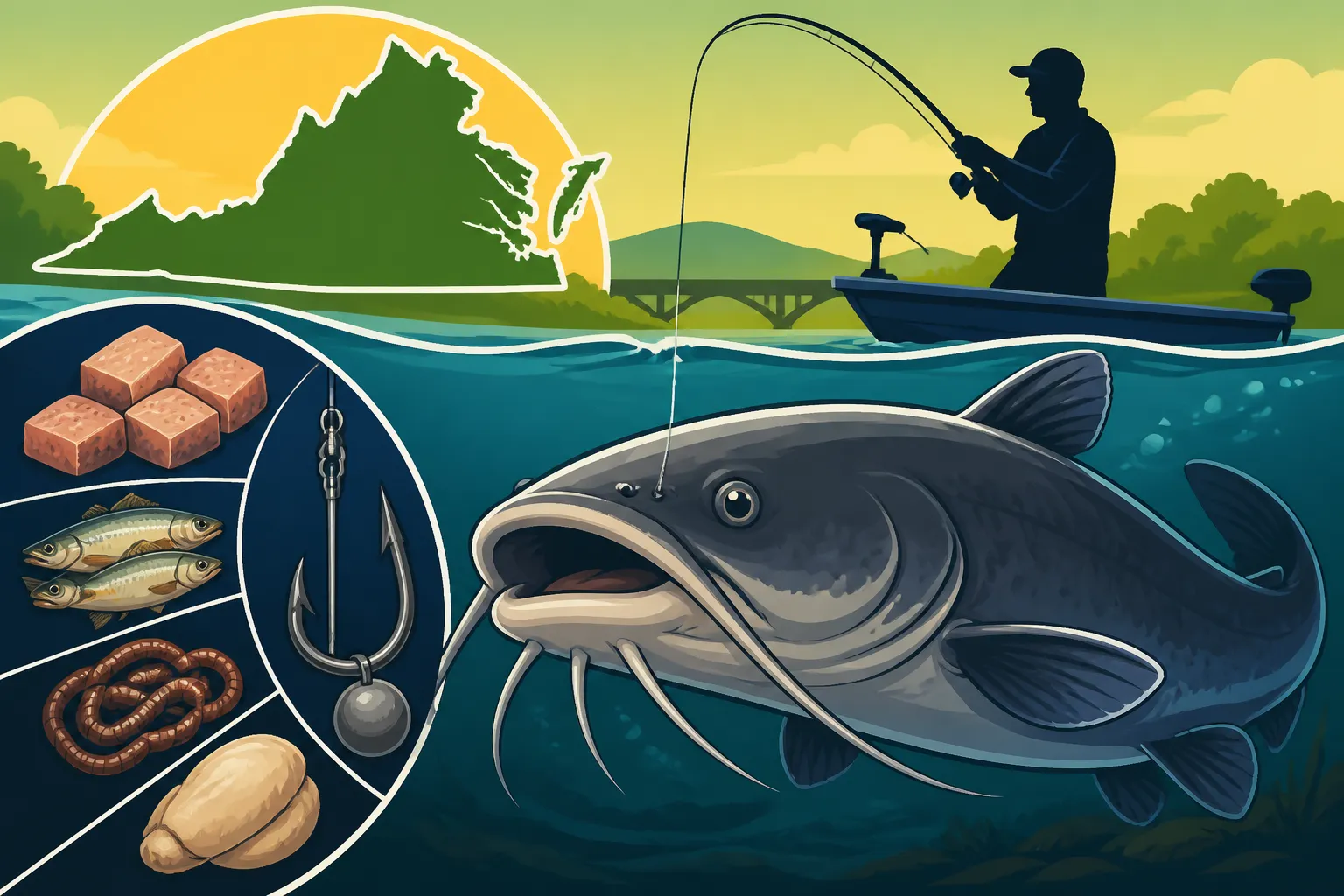
For Flathead Catfish, there's really only one true champion: live bait. They are predatory fish, preferring to chase down and ambush live prey. Small sunfish (bluegill, crappie), shad, minnows, or even small carp are excellent choices, depending on what's available and legal to use as bait in your area. Make sure your live bait is healthy and active; a struggling baitfish sends out distress signals that attract predators. Hook them carefully through the back or lips to keep them alive and swimming for as long as possible. Using a heavy-duty circle hook is crucial here to ensure a solid hookset when a Flathead decides to strike.
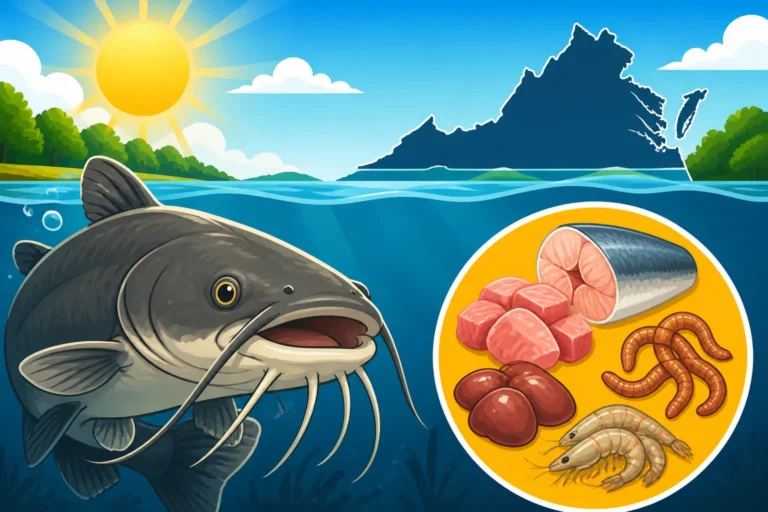
For Channel Catfish and Blue Catfish, cut bait is often incredibly effective. This involves cutting up oily, smelly fish like shad, herring, mullet, or even oily portions of carp or drum into chunks or strips. The key is the scent trail these baits release, which travels downstream and draws catfish in from a distance. The fresher the cut bait, the better, though some anglers swear by slightly "aged" cut bait for an extra potent smell. Different sizes of cut bait can be used, from small chunks for Channel Cats to larger sections for bigger Blue Cats and even Flatheads if they're in a scavenging mood (though live bait is still preferred for Flatheads). For specific tactics, consider articles like Best Bait for Catfish in Summer.
Prepared and Stink Baits
Prepared baits, often called "stink baits" or "punch baits," are a Channel Catfish angler's best friend. These commercially available baits are designed to be incredibly smelly and attractive to Channel and Blue Cats, which have an exceptional sense of smell. They come in various forms: dough balls, dip baits (which require a special bait holder or sponge), and pre-formed chunks. Brands like Berkley PowerBait or Catfish Charlie offer a wide range of these potent options, often available on Amazon. The appeal of these baits lies in their convenience and their intense, lingering scent, which can call in catfish from a surprisingly long distance.
While these baits are generally less effective for the ambush-predator Flathead, they are absolutely dynamite for Channel Cats, especially in lakes, ponds, and slower-moving rivers. Many anglers swear by particular scents or formulas that work best in their local waters, so don't be afraid to experiment. When using dip baits, a spring-loaded bait holder or a small piece of sponge attached to your hook can help keep the smelly concoction on your hook until a fish finds it. Just be prepared for the smell – it lives up to its name! It’s a good idea to bring extra paper towels or wipes.
Homemade Concoctions and Their Appeal
For the truly adventurous angler, there's a whole world of homemade catfish baits to explore. From chicken livers, which are a classic favorite, to hot dogs soaked in garlic, Kool-Aid, or various oils, the possibilities are endless. Chicken livers, with their rich blood and soft texture, are incredibly effective for Channel Cats but can be a challenge to keep on the hook. Many anglers will wrap them with a small piece of mesh or thread to secure them better.
Other popular homemade options include shrimp (fresh or slightly spoiled for extra funk), cheese (especially strong varieties like Limburger), and even chunks of soap. The common thread among these DIY baits is a strong, distinctive scent that appeals to the catfish's olfactory senses. While it might sound strange to us, these potent aromas are like a dinner bell to a hungry catfish. Experimentation is key here; what works wonders in one body of water might not be as effective in another. There's a real satisfaction in catching a fish on a bait you concocted yourself, so don't be afraid to get a little creative and maybe a little messy in the kitchen!
Where to Find Catfish in Virginia Waters
Knowing what to fish for and with what bait is essential, but it all comes to naught if you're casting into barren water. Catfish, like any other fish, have preferred habitats, and understanding these can dramatically increase your success rate. Virginia offers a diverse range of aquatic environments, and catfish thrive in many of them. The frustration of fishing unproductive water is real, but a little homework on catfish habitat can turn a slow day into a memorable one.
Rivers and Their Deep Holes
Virginia's extensive river systems are prime real estate for all three major catfish species, particularly the mighty James, Rappahannock, and Shenandoah Rivers. In these flowing waters, catfish often relate to current breaks, deep holes, and submerged structure. Look for areas where the river bends, creating deeper outside turns, or where tributaries merge, forming eddies and scour holes. These spots provide both cover and a natural funnel for food.
Flathead catfish, in particular, are drawn to woody debris, logjams, and rock piles in deep river sections. They'll often sit right in the middle of a dense snarl of timber, waiting for prey to drift by. For Channel and Blue Catfish, deep holes downstream of dams, bridge pilings, and rocky ledges are excellent targets. These areas often concentrate baitfish and offer relief from strong currents. Fishing at night can be especially productive in rivers, as catfish become more active and venture into shallower feeding flats. You can find more targeted information on Best Catfish Fishing Spots in Virginia for specific river recommendations.
Lakes and Reservoirs: Structure is Key
Virginia's numerous lakes and reservoirs, such as Smith Mountain Lake, Lake Anna, and Claytor Lake, hold impressive populations of Channel and Blue Catfish, and some even have Flatheads. In these stiller waters, structure becomes paramount. Look for humps, submerged creek channels, points, and sudden depth changes. Catfish will often school up in these areas, especially during the day, seeking cooler, deeper water and ambush points.
During warmer months, deeper sections of the lake near the main channel or significant underwater structure will be key. As water temperatures cool in the fall, catfish might move shallower, following baitfish. Think about targeting the mouths of creeks, submerged timber, or even old roadbeds if you have good contour maps or a fish finder. Many anglers have success casting towards dam rip-rap or causeways where there's a good drop-off. Remember, catfish are often creatures of comfort and will utilize any available cover to hide from the sun and ambush prey. For instance, Smith Mountain Lake's Channel and Flathead Catfish Fishery is renowned for its excellent catfish potential due to abundant structure and healthy baitfish populations.
Tidal Waters A Unique Challenge
The tidal sections of Virginia's rivers, leading into the Chesapeake Bay, offer a unique twist to catfish fishing. Here, you'll find primarily Channel and White Catfish, and sometimes even Blue Catfish, thriving in the freshwater and brackish zones. The constantly changing tides dictate fish movement and feeding patterns. Catfish will often move with the tide, utilizing current seams, oyster beds, and channel edges to ambush baitfish.
Fishing around current breaks created by points, bridge pilings, or docks during different stages of the tide can be incredibly productive. During incoming or outgoing tides, catfish often position themselves to intercept food being swept along. The presence of brackish water adds another dimension; while Channel and White Catfish tolerate it well, Flatheads generally prefer purely freshwater environments. Pay attention to the tide charts, and don't be afraid to fish during periods of strong current, as this is often when the catfish are most actively feeding. These tidal environments are dynamic, offering a constantly changing puzzle that can be incredibly rewarding when you crack the code.
Best Times and Seasons for Catfish
Timing is everything in fishing, and catfish are no exception. While they can be caught year-round in Virginia, certain seasons and times of day offer significantly better chances of success. It's frustrating to hit the water when the fish aren't biting, and understanding their seasonal patterns and daily rhythms can make all the difference, transforming a slow day into a productive one.
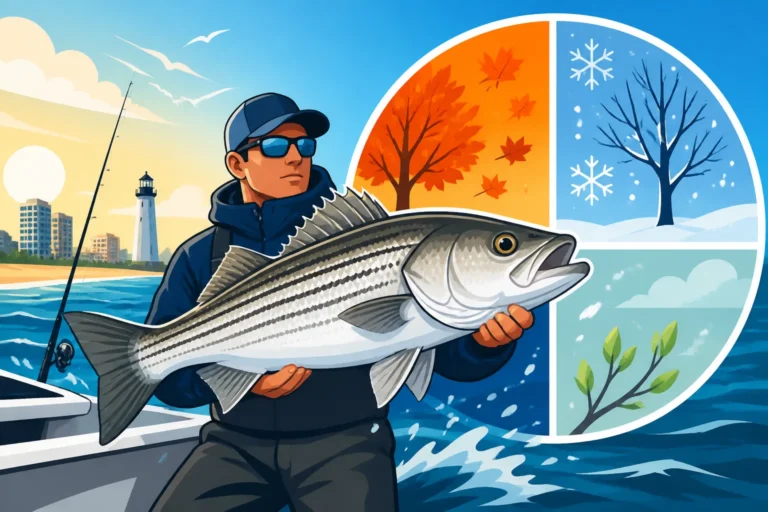
Spring Pre-Spawn Feasting
Spring, particularly from late March through May, is a fantastic time for catfish in Virginia. As water temperatures begin to rise after the winter chill, catfish become incredibly active and start feeding heavily in preparation for spawning. This pre-spawn period sees them gorging themselves, making them much more willing to bite. Look for them in shallower waters that warm up first, often near spawning grounds or areas with good food sources.
In rivers, catfish will often move out of their deep wintering holes and into slightly shallower, current-protected areas. In lakes, they'll cruise flats and channel edges. This is an excellent time for both live and cut bait, as their metabolism kicks into high gear. While the water is still cool, they might not be chasing baits as aggressively, so slower presentations are often more effective. This is also a prime time for targeting larger Channel and Blue Catfish, as they are at their peak weight and activity levels. Don't miss out on this prime feeding window!
Summer Night Bites and Deep Dwells
Summer fishing for catfish in Virginia can be a mixed bag during the day, but it truly shines at night. As surface water temperatures soar, catfish, especially larger ones, tend to retreat to deeper, cooler water during daylight hours. They become less active and harder to tempt. However, as the sun sets and the air cools, they often move into shallower areas to feed under the cover of darkness. This makes summer nights absolutely prime time for catfishing.
Night fishing requires proper preparation: a good headlamp, insect repellent, and knowing your fishing spot well. Catfish rely heavily on their sense of smell and lateral lines at night, making stink baits and fresh cut bait particularly effective. Focus on the same structures you'd fish during the day, but perhaps target the shallower edges of those structures where catfish will be foraging. From bank fishing spots along rivers to anchored boats in lake coves, the summer night bite can be epic, providing cool, comfortable fishing and often the biggest fish of the year. For specific guidance, review How to Catch Catfish at Night. You might also find tips on How to Catch Channel Catfish From the Bank useful.
Fall and Winter Slow but Steady Action
While not as explosive as spring or summer nights, fall and winter still offer excellent opportunities for dedicated catfish anglers in Virginia. As water temperatures cool in the fall, catfish will once again go on a feeding binge, fattening up for the colder months. They might be found in shallower depths during sunny days but will retreat to deeper holes as temperatures drop. This "fall bite" can be incredibly strong, especially for large Blue Catfish.
In winter, catfish become lethargic and less active, but they don't stop feeding entirely. They'll typically congregate in deep holes, slack water areas, or power plant discharges where water is slightly warmer. The key to winter catfishing is patience and a slow presentation. Use smaller baits, and let them sit for longer periods. The bites will be subtle, often just a slight tap or increased pressure on your line. While you might not catch as many fish, the ones you do catch can often be some of the biggest and healthiest of the year. Don't put your rods away just because it's cold; winter catfishing can be surprisingly rewarding for those willing to brave the elements.
Tips for a Successful Catfish Trip
Beyond knowing the species, gear, techniques, and timing, there are always those little nuances that separate a good day from a great one. These are the subtle insights that veteran anglers have picked up over years on the water, and they can make a significant difference in your catch rate and overall enjoyment.
Reading the Water and Locating Fish
Catfish, especially larger ones, are often found in specific types of water. Learning to "read the water" is a skill that develops over time, but there are some universal cues. Look for current breaks in rivers – anywhere the water slows down or creates an eddy behind an obstruction. These are natural resting and ambush points. Submerged cover like log jams, rock piles, or bridge pilings are also catfish magnets, offering shelter and ambush opportunities.
In lakes and reservoirs, pay attention to depth contours, sudden drop-offs, and submerged creek channels. Fish finders can be invaluable here, helping you locate schools of baitfish (which attract catfish) or even the catfish themselves holding near structure. Don't be afraid to move around if you're not getting bites. Sometimes, shifting your position by just 20-30 yards can put your bait right in front of active fish. Also, keep an out for surface activity of baitfish; where there's bait, there are usually predators nearby.
Scent Management and Presentation
Catfish have an incredible sense of smell, and leveraging this can drastically improve your results. When using cut bait or stink bait, make sure it’s fresh (or properly "aged" for stink bait) and continually releasing scent. You might even consider "chumming" lightly by throwing small pieces of bait into the water upstream of your lines to create a scent trail. However, be mindful of local regulations on chumming.
Presentation is also vital. A natural, unhindered presentation is always best. If you're bottom fishing, make sure your weight is heavy enough to hold your bait in place against the current, but not so heavy that it prevents a fish from taking the bait. Use leader lines that are a bit lighter than your main line and long enough to allow your bait to move enticingly. If you're using live bait, hook it in a way that allows it to swim freely and naturally. A bait that looks injured but can still move around is often more attractive to a predatory Flathead. Consider different depths and distances from shore, and don't be afraid to experiment with how your bait is sitting on the bottom.
Handling and Releasing Catfish Safely
Catfish, particularly Channel and White Cats, possess sharp spines on their dorsal and pectoral fins. A poke from these can be quite painful and can even lead to infection if not treated. Always handle catfish carefully, gripping them firmly by the lower jaw (without putting fingers in the gills of larger fish) or using a grip tool. Large Flatheads and Blue Cats have incredibly strong jaws, so be extra cautious with them. Wear gloves to protect your hands, especially when reaching into their mouths to retrieve hooks.
When releasing catfish, especially trophy-sized specimens, do so quickly and gently. Support the fish horizontally, ideally in the water, and allow it to revive before letting it swim away. If you've been fighting a large fish for a long time, it might need a few minutes to recover. Hold it upright in the water, facing into a gentle current if possible, until it kicks strongly on its own. Releasing fish properly ensures the health of Virginia's catfish populations for future generations of anglers. You can refer to Virginia's Fishing License and Catch Limit Basics for specific rules on keeping fish.
Safety and Regulations for Catfishing
Fishing, especially for powerful species like catfish, comes with inherent risks, and disregarding regulations can lead to serious consequences. Being informed and prepared not only keeps you safe but also protects the fishery for everyone. Nothing ruins a great day on the water faster than a run-in with a game warden or an avoidable accident.
Virginia Fishing Regulations Explained
Before you even think about casting a line, ensure you have a valid Virginia fishing license. The Department of Wildlife Resources (DWR) has clear guidelines on who needs a license, different license types (freshwater, saltwater, combination), and associated costs. Remember, even if you’re just crabbing or fishing from a pier, there might be specific requirements. For example, some pier operations have their own blanket licenses, but it’s always best to verify. You can purchase your license online, at DWR offices, or through authorized vendors like many sporting goods stores, or even on Amazon for certain related products like tackle. Information on Virginia Fishing License Costs and Types Explained and A Complete Guide to Fishing Licenses in Virginia is readily available and should be reviewed regularly, as regulations can change.
Beyond the license, pay close attention to species-specific regulations. These include daily creel limits (how many fish you can keep), length limits (minimum or maximum sizes), and specific seasons. While catfish generally have liberal regulations compared to game fish like bass or trout, there can be exceptions for certain waters or species. For instance, there may be Special Slot Limits on Certain Virginia Waters or different Tournament Angler License Rules in Virginia. If you're using passive gear like trotlines or jug lines, there are strict rules about how many you can deploy, how they must be marked, and in which waters they are allowed. Always check the current DWR fishing regulations manual for the specific body of water you plan to fish. Ignorance of the law is not an excuse, and Penalties for Fishing Without a License in Virginia or violating catch limits can be steep.
Handling Sharp Spines and Fish Safely
Catfish, particularly the smaller to medium-sized Channel and White Catfish, are equipped with sharp, serrated spines on their dorsal (back) and pectoral (side) fins. A puncture from these spines is not only painful but can sometimes lead to localized swelling and discomfort. In rare cases, if the spine introduces bacteria, it can lead to infection. Always exercise caution when handling these fish.
The safest way to handle a catfish is to grip it firmly behind the head, placing your thumb on one side of the dorsal fin and your fingers on the other, pressing down to pin the dorsal spine. For smaller fish, a firm grip on the lower jaw, avoiding the gills, also works well. For larger fish, a lip gripper or specialized fish-handling gloves are highly recommended. Always have a pair of pliers or a hook remover handy for easy and safe hook extraction. If you do get poked, clean the wound immediately with soap and water and keep an eye on it for any signs of infection.
Boating Safety and Night Fishing Considerations
If you're fishing from a boat, basic boating safety rules are non-negotiable. Ensure you have all required safety equipment, including life jackets for everyone on board, throwable flotation devices, a whistle or horn, and navigation lights if you'll be out after dark. File a float plan with someone on shore, letting them know where you're going and when you expect to return. Always check the weather forecast before heading out, as conditions on Virginia's lakes and rivers can change rapidly.
Night fishing, which is often the most productive time for larger catfish, presents its own set of safety concerns. Visibility is reduced, making navigation trickier and hazards harder to spot. A powerful, waterproof headlamp is crucial for tying knots, baiting hooks, and handling fish. Avoid wearing dark clothing, and consider adding reflective tape to your gear. Be extra careful when moving around the boat, and avoid standing up unnecessarily. Ensure your anchor is securely set if you're staying in one spot. Always let someone know your plans when you're heading out for a night of catfishing, and consider bringing a fishing buddy along for extra safety.
Popular Catfish Baits by Species
| Catfish Species | Primary Bait Types | Preferred Bait Condition | Scent Profile | Common Examples |
|---|---|---|---|---|
| Channel Catfish | Cut bait, prepared baits, natural | Fresh, smelly, active | Strong, pungent | Chicken liver, shad chunks, stink baits, hot dogs |
| Flathead Catfish | Live bait | Lively, active, healthy | Subtle (live bait) | Bluegill, shad, minnows, small carp |
| White Catfish | Cut bait, worms, prepared baits | Fresh, smelly | Moderate to strong | Worms, shrimp, chicken liver, small cut bait |
| Blue Catfish | Cut bait, live bait | Fresh, oily, active | Strong, pungent | Shad, herring, mullet, live sunfish |
Disclaimer
The information provided in this guide is for general informational purposes only and does not constitute professional advice. Fishing regulations and conditions in Virginia can change frequently. Always consult the official Virginia Department of Wildlife Resources (DWR) website or current regulations guide for the most up-to-date and accurate information regarding fishing licenses, catch limits, seasons, and specific water body rules before engaging in any fishing activities. Adherence to all local, state, and federal laws is the responsibility of the angler. Fishing carries inherent risks, and proper safety precautions should always be taken.