Best Crankbait Retrieve for Largemouth Bass
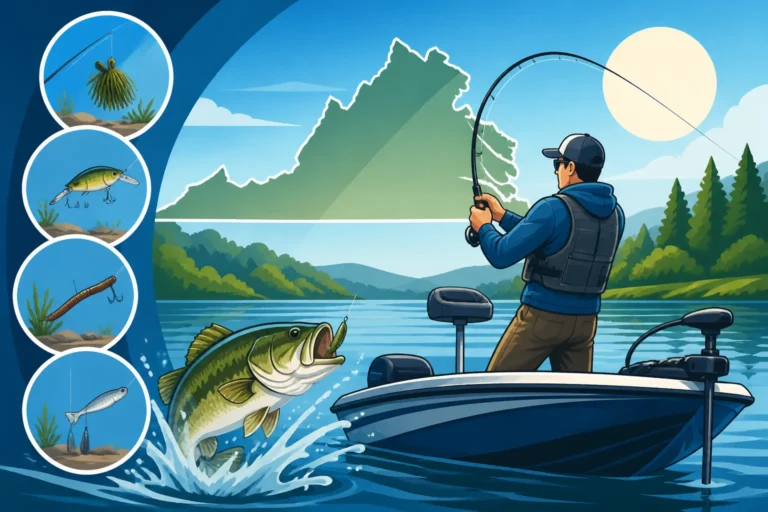
There's nothing quite like the excitement of tying on a crankbait, knowing it's one of the most effective lures for tempting a big largemouth bass. But if you've ever cast one out and just reeled it straight back with no luck, you know the frustration. It feels like you're doing something wrong, and often, it comes down to how you're working that lure. This guide will dive deep into the nuances of crankbait retrieves, helping you understand how to make your lure irresistible to those elusive Virginia largemouths.
The Art of the Crankbait: More Than Just Reeling
Many anglers, especially when they're just starting out, assume that a crankbait is a "cast and reel" lure. While that's partially true, it's a huge oversimplification. The real magic of a crankbait retrieve lies in mimicking natural prey and exploiting the bass's predatory instincts. It's about triggering a reaction strike, not just presenting a meal.
Understanding Crankbait Types and Actions
Before you even think about the retrieve, it’s crucial to understand the different kinds of crankbaits and what they're designed to do. Each style has a unique personality, and knowing that personality is key to making it dance.
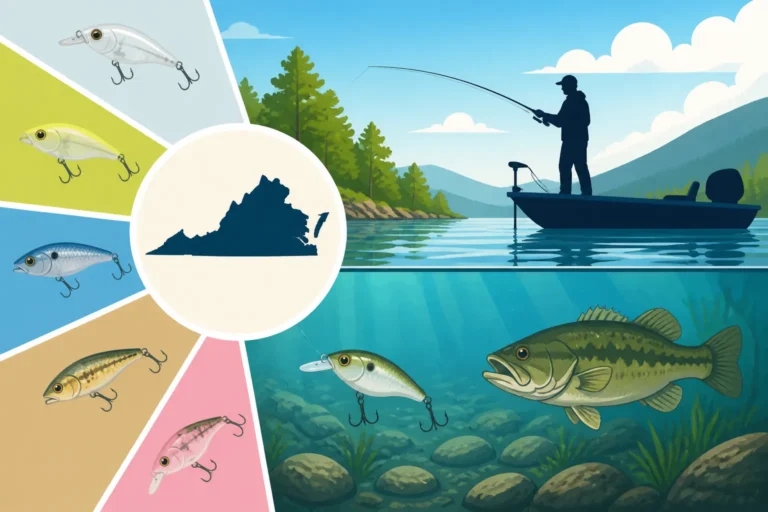
First up, you have your squarebill crankbaits. These typically run shallower, often just a few feet deep, and are fantastic for bumping off shallow cover like stumps, rocks, and laydowns. Their square lip helps them deflect off obstacles rather than getting hung up, which is a massive advantage in timber-rich lakes like parts of Lake Anna or when fishing the banks of the James River. When a squarebill hits something, it dartily changes direction, mimicking a crawfish or baitfish trying to escape, and that sudden, erratic movement is often what triggers a strike.
Then there are medium-diving crankbaits and deep-diving crankbaits. These lures feature longer, more angled bills that help them plunge deeper into the water column. A medium diver might get down to 8-12 feet, while a deep diver can hit 20 feet or more. These are your workhorses for fishing ledges, deep points, and offshore humps on reservoirs like Smith Mountain Lake. The design of these bills also dictates their wobble. Some have a wide, slow wobble, while others have a tighter, faster wiggle. The wider wobbles are generally better in colder water or when bass are sluggish, while tighter wobbles excel in warmer water or when fish are more active. You can find an incredible variety of these on Amazon, making it easy to experiment with different sizes and dive depths.
Finally, we can't forget lipless crankbaits. These are distinct because they lack an external diving lip; their weight distribution and flat head create a tight, vibrating action on the retrieve. They're often used for covering large areas quickly, particularly over submerged grass beds or when bass are feeding on schooling baitfish in open water. They sink, allowing you to work them at various depths depending on your retrieve speed and pauses. This versatility makes them a staple for anglers across Virginia, from the tidal rivers to the mountain lakes.
Why the Retrieve is More Than Just Reeling
If you simply cast out any of these crankbaits and reel it back at a constant speed, you might get lucky, but you're missing out on the vast majority of strikes. The retrieve is about telling a story, creating an illusion that bass can't resist. It's about imparting action, varying speed, and adding pauses that make your lure look vulnerable or erratic.
Think about a baitfish swimming along. It doesn't move in a perfectly straight line at a consistent speed. It darts, it pauses, it changes direction to avoid predators or investigate something. By mimicking these natural movements, you tap into the bass's innate hunting instincts. That sudden change in direction, a quick burst of speed, or a momentary stall can be the trigger that makes a bass decide it's now or never. It's a fundamental principle for any angler learning how to catch bass year-round. Moreover, the type of retrieve directly influences how well your lure interacts with cover, which is often where the biggest bass are hiding. Learning to effectively bump and deflect your crankbait is a skill that separates successful crankbait anglers from those who just throw and wind.
Reading the Water: Tailoring Your Retrieve to the Conditions
The "best" retrieve isn't a fixed speed or motion; it's a dynamic response to the conditions around you. What works on a hot summer day in clear water might totally flop in muddy, cold water. Becoming a skilled crankbait angler means becoming an excellent observer.
The Impact of Water Temperature
Water temperature is one of the most critical factors influencing bass behavior and, consequently, your crankbait retrieve. Bass are cold-blooded creatures, and their metabolism is directly tied to the water temperature.
In cold water, generally below 50-55 degrees Fahrenheit, bass are sluggish. They're not going to chase down a fast-moving meal. This is when a slow, deliberate retrieve shines. Think long pauses, slow cranks, and subtle twitches. You might use a deep-diving crankbait on a slow grind along the bottom, letting it crawl and deflect off every piece of structure. Or, a lipless crankbait can be effectively "yo-yoed" — cast out, allowed to sink, then ripped up a few feet before sinking again. This simulates a dying or struggling baitfish, an easy meal for a lethargic bass. This is particularly relevant when you're learning how to catch bass in cold water during Virginia's chillier months.
As the water warms up into the mid-50s to low 70s, bass become much more active. This is often during the spring and fall transitions, times of year when you might be focused on the bass spawn timing on Virginia lakes. Now, a more aggressive retrieve can be highly effective. A medium-speed, steady retrieve with occasional twitches or short pauses can mimic active baitfish. This is also prime time for squarebills, where you're actively trying to bang them into cover. The bass are willing to move and chase, so don't be afraid to experiment with faster speeds and more erratic movements.
In hot summer water, especially if it's high 70s or 80s, bass might either be very active in low-light conditions or pulled deep to cooler, oxygenated water during the day. In the mornings or evenings, a faster, more aggressive retrieve can work as bass ambush schooling baitfish. During the heat of the day, when bass are suspended or on deep structure, a deep diver retrieved with a steady, moderate pace might be best, occasionally ticking off the bottom or structure to create that reaction. Knowing the water temperature for bass fishing in Virginia is paramount to success.
Reading the Cover and Structure
The type of cover you're fishing will dictate not only your crankbait choice but also how you retrieve it. Crankbaits are designed to interact with their environment, and you need to leverage that.
When fishing wood cover like laydowns, stumps, or brush piles (common in places like Lake Anna), a squarebill crankbait is often the best choice due to its deflection properties. The retrieve here should involve actively banging the lure into the wood. As soon as you feel it hit, pause for a split second, then give it a short, sharp rip to pull it free. That sudden, seemingly unplanned movement right after contact is a huge trigger. Bass often sit right on the edge of the cover, waiting for something to dart out. This applies whether you're fishing for largemouths in a lake or smallmouth bass on the Shenandoah River.
For rocky banks, riprap, or gravel points, again, the squarebill or a shallow-to-medium diver is excellent. The key here is to keep the bait in contact with the bottom or rocks as much as possible. A slow to moderate retrieve, letting the bill scrape and deflect, creates a lot of commotion. The bass associate these areas with crawfish and other bottom-dwelling prey. That grinding, bumping action tells them something is down there trying to hide.
When targeting grass beds, especially submerged hydrilla or milfoil, lipless crankbaits are king. Cast them out and let them sink into the grass, then rip them free with a sharp upward motion of your rod. Let them fall back into the grass, then rip again. This "rip-and-kill" technique imitates a baitfish struggling to escape the vegetation, and it's incredibly effective, especially in lakes known for their healthy grass populations like parts of the Chickahominy River system. If you're on a boat, a fish finder can really help you identify these grass lines.
Lastly, for open water fishing over deep humps, ledges, or points (a classic Smith Mountain Lake fishing guide scenario), deep-diving crankbaits are your go-to. Here, the retrieve is usually a steady, moderate pace, making sure the lure is reaching the desired depth and occasionally ticking the bottom or structure. Vary your retrieve with subtle speed changes or short pauses. The goal is to keep the bait in the strike zone for as long as possible.
Mastering the Retrieve: Techniques for Every Scenario
Now that we've covered the "why," let's get into the "how." These are the bread-and-butter retrieves that every crankbait angler in Virginia should have in their arsenal.
The Stop-and-Go (or "Yo-Yo") Retrieve
This is a phenomenal retrieve for when bass are finicky, or in colder water, as it emphasizes vulnerability. It also works wonders for lipless crankbaits and deeper divers.
How to do it: Cast your crankbait out and reel it down to its desired depth or until it hits cover. Then, stop reeling completely, letting the bait float up (for buoyant crankbaits) or sink (for lipless crankbaits). Count to 2-5 seconds, then resume your retrieve with a couple of quick cranks or a short rip of the rod tip, then pause again. The key is the sudden change from movement to stillness. Bass often strike as the bait stops or starts moving again. This retrieve is especially potent for pre-spawn bass fishing tips when they're transitioning and might not be super aggressive.
When it shines:
- Cold Water: When bass are lethargic and want an easy meal.
- Finicky Bass: When fish are following but not committing.
- Deep Structure: When you want to keep a deep diver in the strike zone longer.
- Lipless Crankbaits: For vertical presentations in grass or over deep bait.
- Specific Example: Imagine you're working a deep-diving crankbait over a rocky point on Claytor Lake in early spring. You reel it down, feel it bump a rock, then stop. The bait slowly floats up a foot or two. Thwack! A largemouth often slams it on that upward float or when you restart the retrieve.
Deflecting Off Cover (The "Contact" Retrieve)
This is the quintessential technique for squarebill crankbaits and is incredibly effective for triggering reaction strikes in shallow water.
How to do it: Choose a crankbait that dives to the depth of your cover (or slightly deeper). Cast it past the cover you want to hit – a stump, a rock, a laydown log. Retrieve it at a steady, moderate pace until you feel it make contact with the cover. The moment you feel that bump, give your rod a quick, sharp twitch or a slight pause, then immediately resume your retrieve, often at a slightly faster pace for a few feet before settling back into your original rhythm. The idea is to make the bait bounce off the cover and then dart away, like a panicked baitfish.
When it shines:
- Shallow Wood or Rock: Any areas with hard cover where bass ambush prey.
- Warmer Water: When bass are actively feeding and willing to chase.
- River Systems: Excellent for fishing the eddies and current breaks along the James River, bumping off submerged rocks and timber.
Specific Example: Picture yourself fishing the shoreline of Lake Gaston in late spring. You see a gnarly old stump field. You cast a squarebill crankbait like a Strike King KVD 1.5 a few feet past a stump. You reel it in, feeling it bump, then quickly twitch your rod to the side, letting the bait deflect off the wood. The very next second, your rod bends over from a strong strike. That deflection changed the bait's direction and speed just enough to trick the bass into thinking it was escaping prey.
Steady Retrieve with Speed Changes and Twitches
This retrieve is highly versatile and can be adapted to many situations. It adds subtle variations that can make a big difference.
How to do it: Start with a steady, moderate retrieve. As you reel, occasionally speed up your retrieve for a few cranks, then slow back down. Or, give your rod tip a quick, subtle twitch to make the bait momentarily dart or wobble more intensely. You can also incorporate short, 1-second pauses. The goal isn't dramatic stops and starts, but rather slight inconsistencies that make the bait look more natural and alive. These variations often coax strikes from bass that are following your lure.
When it shines:
- Active Bass: When bass are chasing and you want to trigger a pursuit.
- Searching Lure: When covering water to find active fish.
- All Crankbait Types: From lipless to deep divers, this can be applied universally.
- Specific Example: You're fishing a long, tapering point on Buggs Island Lake (Kerr Lake Fishing Guide for Beginners) in mid-summer with a Rapala DT-10 deep diver. You're reeling at a steady pace, trying to locate schooling fish. Every 10-15 feet, you give it two fast cranks, then slow back down. On one of those speed bursts, you feel a solid thud – a largemouth has committed to the chase! You can find a range of these classic lures on Amazon.
Ripping Lipless Crankbaits
This aggressive retrieve is specific to lipless crankbaits and is incredibly effective for activating bass, especially over grass or suspended baitfish.
How to do it: Cast your lipless crankbait out and let it sink to the desired depth or into the top of submerged grass. Then, aggressively rip your rod tip upward, pulling the bait sharply through the water. This creates a powerful vibration and an erratic upward movement. Let the bait fall back on a semi-slack line (watching for line jumps, which indicate a strike), then rip it again. The "rip" and "fall" mimic a baitfish bursting out of cover or struggling erratically.
When it shines:
- Submerged Grass Beds: Excellent for triggering reaction strikes from bass hiding in vegetation.
- Schooling Baitfish: When bass are busting bait on the surface or suspended below.
- Covering Water Quickly: Can be fished fast to locate active fish.
- Virginia's Tidal Rivers: Works well in areas like the Potomac River where grass lines can hold a lot of bass.
Specific Example: It's late fall on a shallow flat near a creek channel in Lake Anna. You know bass are staging near the last remnants of grass. You cast a Bill Lewis Rat-L-Trap, let it sink into the grass, then rip it hard. As it flutters down on the slack line, your line suddenly jumps sideways. You set the hook into a chunky largemouth that couldn't resist the dying-baitfish imitation.
Here's a quick overview of these techniques:
| Retrieve Type | Primary Lure Type(s) | Best Conditions | Key Action | Bass Reaction Triggered |
|---|---|---|---|---|
| Stop-and-Go (Yo-Yo) | Lipless, Deep Diver | Cold water, finicky bass, deep structure | Pause and resume, let bait float/sink | Curiosity, easy meal, opportunistic |
| Deflecting Off Cover | Squarebill, Medium Diver | Shallow wood, rocks, riprap, active bass | Bump cover, quick dart/pause, then resume | Reaction strike, perceived escape |
| Steady with Speed Changes/Twitches | All Crankbait Types | Active bass, searching, varied conditions | Moderate reel, occasional speed bursts, rod twitches | Mimics natural baitfish, encourages chase |
| Ripping Lipless Crankbaits | Lipless Crankbaits | Submerged grass, schooling baitfish, aggressive bass | Hard upward rips, controlled fall | Reaction strike, panicked baitfish |
Fine-Tuning Your Approach: Advanced Tips and Troubleshooting
Even with the best techniques, there will be days when the bass just aren't cooperating. That's when you need to start experimenting and paying close attention to the subtle cues.
Adjusting to Bass Moods
Bass don't always want the same thing. Their mood can change throughout the day, influenced by weather, pressure, and feeding cycles. If one retrieve isn't working, don't be afraid to switch it up dramatically.
- When they're aggressive: If you're getting short strikes or follows but no commitments, try speeding up your retrieve, adding more erratic twitches, or using a more vibrant color. Sometimes a quicker, more irritating presentation is what triggers an instinctual strike. Conversely, if they're blowing up on topwater, they might be willing to chase a fast-moving crankbait just below the surface.
- When they're neutral: This is where the stop-and-go retrieve really shines. Lengthen your pauses, slow down your overall retrieve, and focus on subtle deflections. You're trying to present an easy, vulnerable target rather than an escaping meal. Changing your retrieve angle by casting parallel to a bank instead of perpendicular can also make a big difference, keeping your bait in the strike zone longer.
- When they're lethargic: Go even slower. Consider down-sizing your crankbait. Long pauses, barely perceptible twitches, and letting the bait suspend or sink slowly can often tempt a bass that otherwise wouldn't budge. This is critical during cold fronts or post-frontal conditions, which often make bass very inactive. Looking for the best time of year for bass fishing in Virginia will help you plan your trips around these moods.
Dealing with Snags and Hangups
One of the biggest frustrations with crankbait fishing is getting hung up. It's inevitable, especially when you're intentionally bumping cover, but there are ways to minimize it and free your lure.
- Rod Angle: Maintain an upward rod angle when retrieving, especially with shallow-diving crankbaits. This helps the bill deflect off cover more effectively. If you reel with your rod tip pointed straight down, your bait is more likely to dig in and snag.
- Line Choice: Monofilament line is often preferred for crankbait fishing because of its stretch. This stretch acts as a shock absorber, making it less likely for the bait to bury itself too deeply into cover when it hits something hard. It also gives you a bit more forgiveness for freeing snags.
- The "Bow-and-Arrow" Technique: If you get snagged, point your rod tip directly at the snag. Reel down to take up all slack, then pull the line tight. Now, strum the line like a bowstring. The vibrations often cause the treble hooks to shake free from wood or rock. This works a surprising amount of the time.
- The "Sweeper" Technique: If the bow-and-arrow fails, keep the line tight and parallel to the water. Move your boat (or walk along the bank, if applicable) past the snag, then sweep your rod violently to the other side. This changes the angle of pull on the lure, often dislodging a hook. If you can get directly over the snag, even better, as a vertical pull can sometimes work.
- Snag Retrievers: For those deep-diving crankbaits that get stuck far offshore, a crankbait retriever (essentially a heavy weight with chains that slides down your line) can be a lifesaver. You can easily find various options for these on Amazon, and they can save you a lot of money and frustration by recovering expensive lures.
Mastering the crankbait retrieve takes practice, but the rewards are well worth it. By understanding your lures, reading the water, and varying your techniques, you'll soon be triggering more strikes and landing more largemouth bass across the beautiful waters of Virginia.
Disclaimer
The information provided in this guide is for general informational purposes only. Fishing regulations, seasons, and licensing requirements can change, and it is the responsibility of the angler to stay informed of the most current rules set by the Virginia Department of Wildlife Resources (DWR). Always consult the official DWR website or publications before heading out on the water. Fishing inherently carries risks, and safety precautions should always be observed.