Best Trout Streams in Virginia
Finding the best trout streams in Virginia can often feel like searching for a needle in a haystack, especially with so many beautiful waterways and specific regulations to navigate. It's frustrating to plan a fishing trip, only to arrive and realize you're unprepared or at the wrong spot. This comprehensive guide aims to demystify Virginia's trout fishing scene, detailing the most rewarding streams, the types of trout you'll find, and essential tips to ensure your next outing is a resounding success.
Understanding Virginia's Trout Fisheries
Virginia is a surprisingly diverse state when it comes to trout fishing, offering everything from pristine mountain streams holding native brookies to easily accessible rivers brimming with hatchery-raised rainbows. Knowing the fundamental differences between these fisheries is the first step to planning a successful trip. It’s not just about where the fish are, but what kind of experience you’re looking for.
Wild Trout vs. Stocked Trout Streams
The distinction between wild trout and stocked trout streams is perhaps the most crucial for any Virginia angler. Wild trout streams, primarily found in the cooler, higher elevation headwaters of western Virginia, are home to self-sustaining populations of trout, often native brook trout, but sometimes wild browns or rainbows. These fish are typically smaller, more elusive, and demand a keen eye and delicate presentation. Fishing for wild trout is an immersive experience, often requiring a good hike into remote, breathtaking environments where the solitude is as rewarding as the catch itself. The thrill comes from outsmarting a truly wild creature in its natural habitat.
On the other hand, stocked trout streams are regularly replenished by the Virginia Department of Wildlife Resources (DWR) with hatchery-raised trout. These fish, usually rainbow and brown trout, are often larger and generally easier to catch, making these waters ideal for beginners, families, or anyone looking for a more consistent "put-and-take" fishing experience. These streams are typically more accessible, often located near roads or in state parks, and while they might not offer the same wilderness solitude as wild trout streams, they provide fantastic opportunities for anglers to catch fish and hone their skills. They are perfect for a spontaneous day trip where you just want to feel the tug of a fish on your line.
General Regulations and Special Permits
Navigating the rules and regulations can sometimes feel like solving a puzzle, but it’s absolutely essential for responsible and legal angling. First and foremost, anyone aged 16 or older needs a valid Virginia freshwater fishing license. That's a given for most fishing across the Commonwealth. However, if you plan to fish in designated stocked trout waters, you’ll likely need an additional Stocked Trout License Requirements in Virginia. This permit helps fund the DWR's extensive stocking program, ensuring these popular fisheries remain vibrant. It's an investment in future fishing opportunities.
Beyond the basic licenses, many trout streams, particularly those managed for wild trout or designated as "special regulation" waters, have specific rules regarding creel limits, size limits, and even the type of tackle you can use. For instance, some wild trout streams, especially within national parks or designated "Heritage Trout Waters," are strictly catch-and-release, often requiring single, barbless artificial lures. Other areas might have delayed harvest seasons, where fish are stocked in fall and spring, are catch-and-release only for a period, and then open for harvest later in the year. Before you even pack your bags, always consult the current Virginia Fishing Regulations Explained on the DWR website for the specific water you intend to fish. A few minutes of research can save you a potential headache – and a fine – out on the water.
Identifying Virginia's Trout Species
Virginia is home to three primary trout species, each offering a distinct angling experience. Understanding who you're casting for enhances your trip and ensures you adhere to specific regulations. This understanding is key to respecting these beautiful fish and their ecosystems.
The most iconic, and Virginia's only native trout, is the Brook Trout. These stunning fish are characterized by their worm-like markings (vermiform patterns) on their backs, red spots with blue halos along their sides, and most distinctively, white leading edges on their lower fins, often with a black stripe behind them. Wild brook trout are typically found in the coldest, cleanest headwater streams, usually small and shaded, demanding pristine conditions. They rarely grow large in Virginia's smaller streams, often measuring 6-10 inches, but their vibrant colors and wild spirit make them a prized catch. Knowing how to differentiate them is critical, especially in areas with Wild Trout Stream Rules in Virginia where specific handling or release protocols apply.
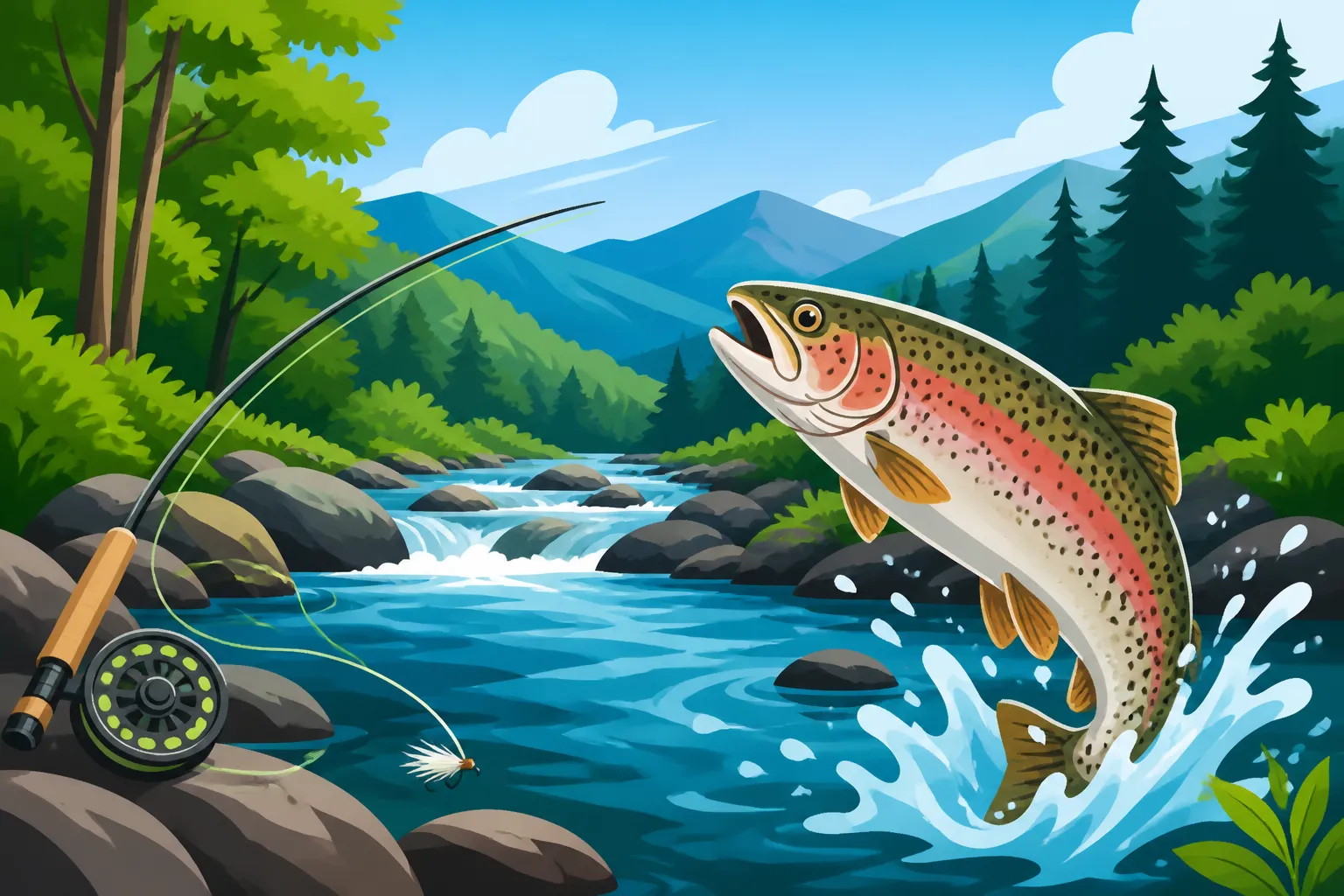
Next, we have the Rainbow Trout, easily recognizable by the broad, pinkish-red band running horizontally along their sides, a feature that often becomes more pronounced during spawning. Their bodies are typically covered in small black spots on their backs, sides, and tail fin. Rainbows are incredibly popular in stocked waters due to their robust fighting ability and willingness to bite. They thrive in a wider range of water temperatures than brook trout and can grow quite large in Virginia's lakes and larger stocked rivers. You'll encounter them frequently in the DWR's put-and-take fisheries.
Finally, the Brown Trout often presents a more subdued appearance than the rainbow, featuring a yellowish-brown or olive-brown body with prominent dark spots, often encircled by a lighter halo, and some red or orange spots that may or may not have halos. Unlike rainbows, brown trout typically have few or no spots on their tail fins. They are known for their cunning, wariness, and often nocturnal feeding habits, making them a challenging but highly rewarding catch. Brown trout can also grow quite large, especially in larger rivers and tailwaters where they have access to bigger forage. Telling Rainbow Trout vs Brown Trout in Virginia: How to Tell Them Apart and how to apply Brook Trout Identification for Virginia Anglers correctly ensures you're playing by the rules and appreciate the unique beauty of each species.
The Legendary Streams of Western Virginia
When most anglers dream of trout fishing in Virginia, their minds drift westward, toward the rolling Appalachians and the countless cold, clear streams that tumble down their slopes. This region is truly the heart of the Commonwealth's trout country, offering a diverse array of experiences from challenging wilderness pursuits to more accessible, productive waters.
Shenandoah National Park's Hidden Gems
Tucked within the breathtaking beauty of Shenandoah National Park lies a network of pristine mountain streams, primarily known for their thriving populations of native brook trout. These aren't your typical stocked fisheries; they are wild, untamed jewels that offer a truly unique angling experience. Streams like the upper sections of the Rapidan River, Staunton River, Rose River, and Whiteoak Canyon Run are famous among those willing to put in the effort. Access to these waters often means a significant hike, sometimes several miles down steep, winding trails, adding an element of adventure to your fishing trip.
The brook trout here are typically small, but what they lack in size, they make up for in beauty and a fiery fight. These fish are acutely sensitive to their environment, making them a true test of an angler's skill and stealth. Regulations within the park are strictly catch-and-release, often requiring single, barbless artificial lures to minimize stress on these delicate populations. It's a place where the journey is as important as the destination, and the serene beauty of the cascading waterfalls, lush forests, and abundant wildlife creates an unforgettable backdrop for your pursuit of wild trout. For those interested in the art of fly fishing, these smaller tributaries are where many discover the magic of Shenandoah River Fly Fishing for Trout and Smallmouth Bass in Virginia in its purest form, often targeting these feisty brookies.
George Washington and Jefferson National Forests
Sprawling across much of western Virginia, the vast lands of the George Washington and Jefferson National Forests hold an incredible wealth of trout streams, offering something for every type of angler. This immense public land provides a mix of wild trout waters, robust stocked streams, and even some highly productive tailwater fisheries. One of the crown jewels is the Jackson River tailwater below Gathright Dam near Covington. This section of river is known for its cold, clear, nutrient-rich water, supporting both wild and large stocked rainbow and brown trout. It’s a popular destination for fly anglers, particularly during its renowned delayed harvest periods where catch-and-release regulations are strictly enforced, allowing fish to grow larger.
Further south, Whitetop Laurel Creek, flowing through the Mount Rogers National Recreation Area near Damascus, is another legendary stream. It boasts a reputation for excellent fishing for both wild brook trout in its headwaters and a mix of stocked rainbows and browns in its lower, more accessible sections. It’s frequently cited as one of Virginia’s top trout destinations, offering diverse angling experiences from scenic roadside casting to more challenging wade fishing. Other notable streams in these forests include Cripple Creek, Big Cedar Creek, and Passage Creek, each offering their own unique charm and fishing opportunities. If you're unsure about navigating these vast lands or want to maximize your chances of success, a local guide found through platforms like FishingBooker can be an invaluable asset, showing you the secret spots and techniques that only years of experience can teach. They know these waters like the back of their hand.
Exploring the Mountain Empire
Venturing into Virginia’s southwestern corner, often referred to as the "Mountain Empire," reveals even more incredible trout fishing opportunities, characterized by rugged beauty and diverse fisheries. This region is a true gem for anglers seeking both wild and stocked trout in some of the most scenic settings Virginia has to offer. The previously mentioned Whitetop Laurel Creek truly shines here, its waters winding through picturesque valleys, offering easy access in some stretches and more secluded spots in others. It's not uncommon to catch all three trout species – brook, rainbow, and brown – in different sections of this remarkable stream. The creek's robust insect life and consistent cold water provide an ideal habitat for trout, making it a consistent producer.
While technically a bit further afield, the headwaters flowing into the South Holston River, before it crosses into Tennessee, also offer promising, though smaller, tributary fishing for wild trout. However, the region is more broadly defined by the numerous smaller creeks and streams that descend from the Appalachian peaks, many of which receive regular DWR stockings. These provide excellent opportunities for a less strenuous, but equally rewarding, day on the water. The local communities in places like Abingdon and Marion embrace their fishing heritage, and you'll often find bait and tackle shops eager to share local knowledge. Looking for a guide to help you unlock the secrets of these southwestern streams? A quick search on FishingBooker can connect you with experienced locals who know these waters intimately, from the best fly patterns to the most productive eddies, ensuring your trip is unforgettable.
Central and Eastern Virginia's Surprising Trout Opportunities
While the western mountains grab most of the trout fishing headlines, it would be a mistake to overlook the often-surprising opportunities available closer to Virginia’s more populated central and eastern regions. The DWR works hard to bring trout fishing closer to home for many anglers, creating accessible options that don't require a long drive into the backcountry. These fisheries might lack the rugged wilderness appeal, but they make up for it in convenience and the sheer joy of a bending rod.
Lesser-Known Stocked Waters
The DWR's comprehensive stocking program isn't just limited to the large, well-known western rivers. Many smaller rivers, creeks, and even ponds in central and eastern Virginia receive regular stockings, providing excellent "put-and-take" fisheries for those looking for a quick and accessible trout fix. These waters are often perfect for a morning or afternoon outing, especially for families or beginners. Streams like sections of the Tye River and Piney River in the Blue Ridge foothills, or even specific designated trout streams within counties further east, are examples of these overlooked gems. These stocking events often mean a higher concentration of fish, increasing your chances of success.
It's important to understand that these fisheries are often managed differently from their wild counterparts. They are designed for harvest, meaning you can typically keep a certain number of fish within the daily creel limits. This makes them fantastic for introducing new anglers to the sport or for those who simply enjoy bringing fresh trout home for dinner. Keeping an eye on the Virginia Stocked Trout Season Guide is crucial, as stocking schedules dictate the best times to visit these locations. These opportunities prove that you don't always need to travel far to enjoy productive trout fishing; sometimes, the best spots are right in your backyard, waiting to be discovered.
Urban and Suburban Trout Fishing
You might be surprised to learn that even bustling urban and suburban areas in Virginia offer trout fishing opportunities, thanks to the DWR's community fishing programs. While you won't find wild brook trout finning in city park ponds, these waters are frequently stocked with hatchery-raised rainbow and brown trout, bringing the joy of trout fishing to anglers who might not have the time or means to venture into the mountains. For example, specific lakes or ponds in city and county parks around Richmond, Charlottesville, and even further north, are designated as "put-and-take" trout waters during the cooler months.
These urban trout fisheries are a fantastic resource for families, children, and anglers with limited mobility, providing easy access from paved paths and designated fishing piers. They offer a unique chance to experience trout fishing without the need for specialized gear or extensive travel. While the setting might be different from a remote mountain stream, the excitement of a fish on the line is universal. Even if you only have a few hours, Virginia's stocked trout waters offer excellent opportunities, and a quick look on sites like FishingBooker might reveal local guides specializing in these accessible spots, eager to introduce you to the fun of urban trout fishing. It’s a testament to Virginia’s commitment to making fishing accessible to everyone, no matter where they live.
Essential Gear and Techniques for Virginia Trout
Having the right gear and knowing the appropriate techniques can dramatically improve your success rate and overall enjoyment when fishing for trout in Virginia. Whether you prefer the elegance of fly fishing or the simplicity of spin casting, a few key considerations will set you up for a fantastic day on the water.
Fly Fishing Essentials
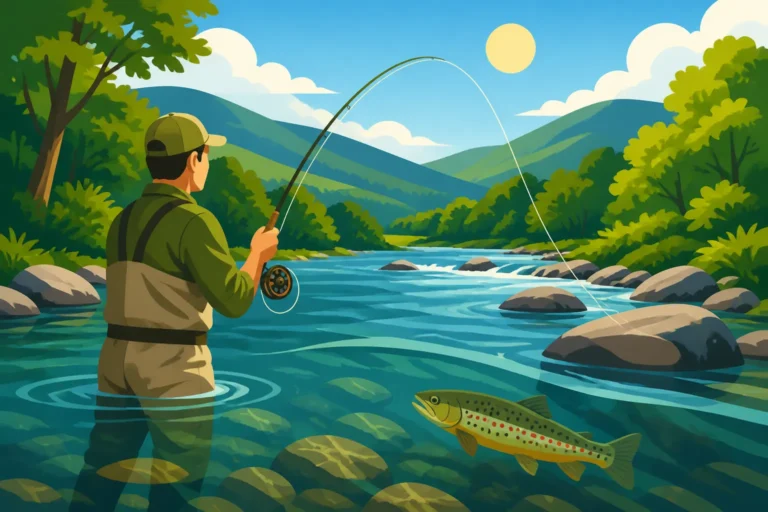
For many, fly fishing is synonymous with trout fishing, offering a delicate and engaging method to target these wary fish. A 3-weight to 5-weight fly rod is typically ideal for Virginia’s trout streams. A 3-weight is perfect for the smaller wild brook trout streams, offering a delicate presentation, while a 4- or 5-weight provides more versatility for larger streams and stocked fish, allowing for longer casts and handling larger trout. Pair your rod with a matching reel that balances the rod and holds appropriate floating fly line, often a weight-forward taper.
Your selection of flies will be crucial. For nymphing, common patterns like the Pheasant Tail, Hare's Ear, Prince Nymph, and Squirmy Wormy are highly effective. When trout are rising to feed on insects at the surface, dry flies such as the Elk Hair Caddis, Adams, Parachute Adams, and various ant or beetle patterns can be deadly. Streamers like the Woolly Bugger in olive, black, or white are excellent for enticing larger trout, especially in deeper pools or during higher flows. Don't forget an appropriate leader and tippet setup; a 9-foot tapered leader ending in 5X or 6X tippet is a good starting point for most scenarios. Finally, waders and wading boots are essential for navigating rocky stream beds and staying comfortable in cold water. Many anglers find a great introduction to the sport through guided trips, and Fly Fishing for Trout on Rivers is often a highlight of trips booked via services like FishingBooker, providing hands-on instruction in these beautiful settings.
Spin Fishing Setups
Spin fishing offers a highly effective and often more accessible way to catch trout, making it a favorite for beginners and seasoned anglers alike. For Virginia trout, an ultralight or light action spinning rod, typically 5 to 7 feet long, paired with a small spinning reel (size 1000 or 2000), is the perfect setup. This lighter gear allows for precise casting of small lures and baits while still providing excellent sensitivity to detect subtle bites. Spool your reel with 4-6 pound test monofilament or fluorocarbon line; monofilament is more forgiving for beginners, while fluorocarbon offers less stretch and better abrasion resistance.
When it comes to lures, small inline spinners like Mepps Aglia, Panther Martin, or Rooster Tail in sizes #0 to #2 are incredibly effective, mimicking small baitfish or insects. Small spoons, such as a Kastmaster or Little Cleo, can also work well, especially in deeper pools. For bait fishing, classic options like live worms (red wigglers or nightcrawlers), scented dough baits (like Berkley PowerBait), and even corn (where legal) are often irresistible to trout, particularly stocked fish. Be sure to use small hooks, typically size 8 to 14, to match the size of the bait and the trout's mouth. Knowing the best times and conditions to deploy these setups is just as crucial as the gear itself.
Best Times and Conditions for Trout
Trout, being cold-water fish, are most active when water temperatures are within their comfort zone, typically between 45°F and 65°F. This makes spring (March-May) and fall (September-November) generally the best times to target them in Virginia. During these seasons, cooler air temperatures translate to ideal water conditions, and trout are often more aggressively feeding. In spring, as insect hatches begin, fly fishing can be particularly productive. Fall fishing offers breathtaking scenery and active fish preparing for winter.
As for the time of day, dawn and dusk are often the most productive periods. During these low-light conditions, trout feel safer moving into shallower waters to feed, and insect activity is frequently at its peak. On bright, sunny days, trout tend to retreat to deeper pools or shaded areas. Pay attention to recent weather patterns as well. A light rain can often stir up insects and wash food into the stream, making fish more active. However, heavy rains that cause high, muddy water can make fishing challenging. Conversely, a prolonged dry spell can lead to low, clear water, requiring a more stealthy and delicate approach. Always reference the Virginia Stocked Trout Season Guide for specifics on when and where stocked trout are available, as this dictates prime fishing times for those particular waters.
Preserving Virginia's Trout Habitats
Our trout streams are precious resources, and as anglers, we have a vital role in ensuring their health and productivity for future generations. Responsible practices and a commitment to conservation are not just good ideas; they are essential for sustainable fishing in Virginia.
Catch and Release Practices
While harvest is a perfectly acceptable and enjoyable part of fishing in many stocked trout waters, practicing responsible catch and release, especially in wild trout streams or special regulation areas, is paramount. The goal is to minimize stress and injury to the fish, giving it the best possible chance of survival after being caught. Always wet your hands before handling a trout; dry hands can remove the fish's protective slime layer, leaving it vulnerable to disease. Minimize the time the fish is out of the water – every second counts. Use barbless hooks or crimp down the barbs on your hooks; this makes hook removal much quicker and less damaging.
When removing the hook, use a hemostat or pliers, and try to keep the fish in the water if possible. If the fish seems sluggish after being released, gently hold it upright in the current, facing upstream, allowing water to flow over its gills until it regains its strength and swims away on its own. Avoid squeezing the fish, particularly around its belly, as this can damage internal organs. By adopting these careful practices, you contribute directly to the health and abundance of Virginia's trout populations, ensuring that these beautiful creatures continue to thrive.
Supporting Conservation Efforts
The future of Virginia's trout fisheries depends heavily on ongoing conservation efforts, and anglers play a crucial role in supporting these initiatives. Organizations like Trout Unlimited (TU) are actively involved in stream restoration, habitat improvement, and advocacy for cold-water fisheries across the Commonwealth. They organize stream clean-ups, bank stabilization projects, and work with landowners to protect riparian buffers, all of which directly benefit trout populations by improving water quality and providing essential habitat.
Beyond volunteering, simply purchasing your Virginia Fishing License Guide and any necessary special permits is a direct contribution to conservation. A significant portion of these fees goes directly to the Virginia Department of Wildlife Resources (DWR), funding their extensive stocking programs, scientific research, and enforcement efforts that protect fisheries. Understanding How Fishing License Fees Support Wildlife Conservation in Virginia highlights the direct link between your passion and the health of the ecosystem. Consider joining a local TU chapter or making donations to conservation groups. Every effort, no matter how small, helps preserve these invaluable natural treasures for everyone to enjoy for years to come.
Planning Your Virginia Trout Adventure
So, you're ready to hit the water, reel in some beautiful trout, and experience the stunning natural landscapes Virginia has to offer. The key to a truly memorable trip lies in thoughtful planning and a willingness to explore. Virginia’s trout fisheries are incredibly diverse, from the tiny, wild brook trout streams deep in the national park to the robust, stocked rivers of the western mountains and even the surprising opportunities closer to urban centers. Your adventure can be as wild or as convenient as you desire.
Before heading out, always double-check the latest regulations for your specific chosen stream; rules regarding seasons, tackle, and creel limits can vary significantly. Local tackle shops are invaluable resources for up-to-the-minute stream conditions, effective fly patterns, or lure choices. Don’t hesitate to ask for advice – local anglers are often eager to share their knowledge. If you're new to trout fishing, or exploring an unfamiliar area, considering a guided trip can provide an incredible advantage. Knowledgeable guides offer insights into local hot spots, proven techniques, and can quickly shorten your learning curve. Whether it's a remote wild trout stream or an easily accessible stocked pond, a well-planned trip, perhaps even with a guide found on FishingBooker, makes all the difference.
Embrace the journey, the challenge, and the peaceful moments that come with being on the water. Every cast holds the promise of a beautiful fish, and every stream offers a unique story. Don't forget to review Virginia Fishing Regulations Explained before heading out to ensure a smooth, legal, and enjoyable experience.
| Stream/Region | Primary Trout Species | Type of Fishery | General Access | Key Regulations |
|---|---|---|---|---|
| Rapidan River (SNP) | Brook Trout | Wild | Hike-in (difficult) | Catch & Release, single hook artificial lures |
| Jackson River Tailwater | Rainbow, Brown | Stocked/Wild | Roadside/Wading | Varies by section, often Delayed Harvest |
| Whitetop Laurel Creek | Brook, Rainbow, Brown | Wild/Stocked | Roadside/Trail | Varies, often Special Regulation waters |
| Shenandoah Nat. Park Tribs | Brook Trout | Wild | Hike-in | Catch & Release, single hook artificial lures |
| Tye River (select sections) | Rainbow, Brown | Stocked | Roadside/Easy | General state regulations, stocked trout license |
Disclaimer
Please be aware that fishing regulations, seasons, and access points can change. Always consult the official Virginia Department of Wildlife Resources (DWR) website or current fishing regulations pamphlet before planning any fishing trip to ensure you have the most up-to-date and accurate information. This guide is for informational purposes only.