Where to Catch Flounder on the York River
There’s nothing quite like the thrill of feeling that distinct thump and head shake when a flounder takes your bait. But let's be real, tracking down these camouflaged flatfish on a sprawling tidal river like the York can feel like searching for a needle in a haystack. Many anglers get frustrated trying to pinpoint their elusive hideouts. This guide is here to cut through that confusion, giving you the insider knowledge on exactly where to cast your line for flounder on Virginia's beautiful York River, ensuring you spend less time searching and more time reeling in those delicious doormats.
The Allure of Flounder Fishing on the York River
The York River, with its expansive tidal waters, deep channels, and numerous tributaries, presents a fantastic opportunity for flounder fishing. However, it also presents its fair share of challenges. Unlike fishing in a contained lake, the river's constantly moving water, varying depths, and diverse bottom structures mean that flounder are always on the move, following bait and current. It's this dynamic environment that makes figuring out their patterns so rewarding, but also why many anglers scratch their heads trying to consistently locate them.
Understanding the York River's Unique Flounder Habitat
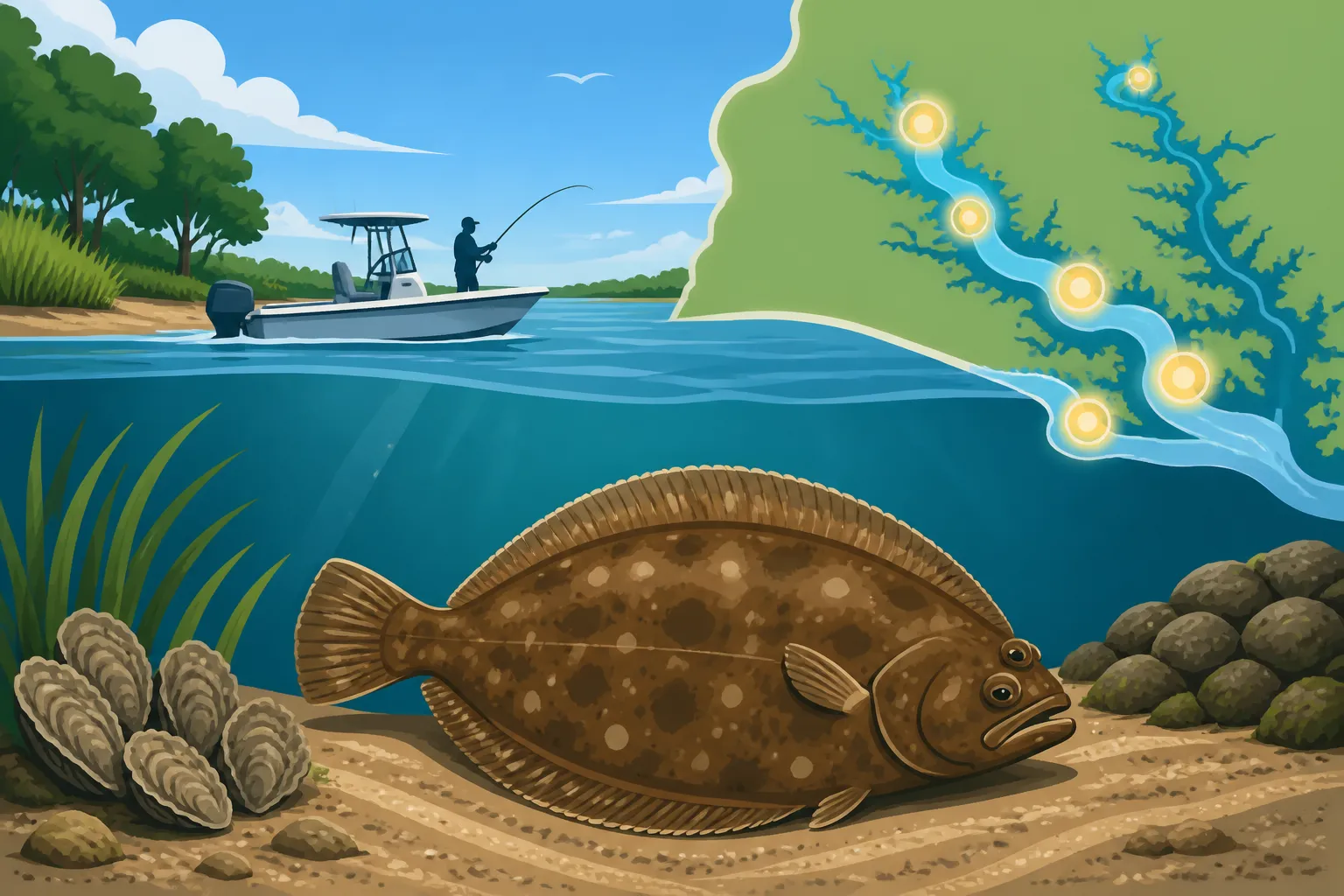
The York River is a complex estuarine system, formed by the confluence of the Mattaponi and Pamunkey Rivers, before emptying into the Chesapeake Bay. This mix of freshwater inflow and saltwater tidal influence creates a unique ecosystem that flounder thrive in, but also one that requires a nuanced approach from anglers. Flounder are ambush predators, meaning they prefer to lie in wait on the bottom, often partially buried in the sand or mud, and dart out to snatch unsuspecting baitfish or crustaceans that drift by. This behavior dictates where you’ll find them. They gravitate towards areas that offer both concealment and a steady supply of food.
Think about the river bottom – it’s not uniform. You’ll find stretches of soft mud, oyster beds, sandy patches, and rocky areas. Flounder will utilize all of these, but they have preferences. Sandy bottoms near structures or drop-offs are often ideal, as they provide both camouflage and an easy place for flounder to bury themselves while waiting for a meal. Oyster beds, while tricky to fish around due to snags, are absolute magnets for flounder because of the abundant baitfish and crabs they attract. Understanding this diverse underwater landscape is your first step to consistent success.
Prime Seasons for Chasing Flounder in the York
Flounder in the York River are seasonal residents, driven by water temperature and their migratory patterns. You're not going to find them in great numbers year-round, so timing your trip is absolutely crucial. The best time to target flounder generally starts in the spring as water temperatures begin to rise and they move into the shallower, warmer waters of the estuary to feed after overwintering offshore. This early spring bite can be fantastic, especially in the middle to lower sections of the river.
As summer progresses, the fishing often hits its peak. The water is warm, baitfish are abundant, and flounder are actively feeding. This is when you'll find them scattered throughout the river, from the deeper channels to the shallower flats and creek mouths. Early mornings and late evenings during the summer can be particularly productive as the sun isn't as intense. For a deeper dive into annual timings, check out our Virginia Fishing Seasons Explained guide.
Then comes the fall, which many seasoned anglers consider the absolute best time for flounder on the York. As water temperatures begin to drop, flounder start their migration back towards the Chesapeake Bay and then out to the ocean for winter. During this period, they feed aggressively, bulking up for their journey. You'll often find larger fish in greater concentrations, especially in the deeper channels and near the mouth of the river. This "fall run" is a legendary time for flounder fishing, and if you can only pick one time of year, this would be it.
Top Flounder Hotspots on the York River
Knowing when to fish is only half the battle; knowing where to fish is the other, equally critical piece of the puzzle. The York River offers a multitude of potential flounder hangouts, but some spots consistently produce more fish than others due to their specific characteristics. It's often about finding those subtle changes in bottom contour, current breaks, or bait concentrations that attract flounder.
Navigating the Main Channel and Deeper Areas
The main channel of the York River is a highway for baitfish, and consequently, a prime hunting ground for flounder. These deeper areas, often ranging from 20 to 50 feet or more, are particularly productive during outgoing tides when baitfish are swept out of the creeks, and in the fall when larger flounder stage before their migration. Don't be afraid to fish these deeper sections, especially on those calm, cool fall days.
When fishing the main channel, focus on the edges where the channel drops off steeply. These ledges provide a perfect ambush point for flounder to lie just out of the main current, waiting for food to pass over the edge. Look for subtle humps, bumps, or depressions in the bottom using your fish finder. These minor variations can hold pockets of flounder. Areas around navigation markers, particularly those in deeper water, often have submerged structure or scouring that creates ideal flounder habitat. Drifting slowly along these channel edges, letting your bait or lure bounce along the bottom, is a highly effective strategy here.
Another aspect of the main channel that gets overlooked is the presence of artificial reefs or shell beds that aren't always marked on standard charts. Local knowledge or a good GPS with detailed mapping can be invaluable in finding these hidden gems. These areas provide excellent cover and food sources, making them flounder magnets. Remember, flounder don't want to fight strong currents all the time; they'll seek out the calmer water adjacent to the main flow where they can easily grab a meal without expending too much energy.
Exploring Tributary Mouths and Creek Systems
The York River is fed by numerous creeks and smaller tributaries, and their mouths are absolutely essential flounder grounds, particularly during the warmer months and on moving tides. These creeks act as nurseries and feeding grounds for a variety of baitfish, which in turn attract flounder. When the tide changes, baitfish are either flushed out of the creeks or drawn into them, and flounder position themselves strategically to intercept them.
Consider places like Sarah Creek, Indian Field Creek, Wormley Creek, and Felgate Creek. These are well-known spots. When fishing these areas, focus on the distinct points where the creeks meet the main river. These points often create current eddies and deposition zones where flounder will stack up. The outgoing tide tends to be particularly strong in these spots, sweeping baitfish out and making it easy pickings for hungry flounder. Try drifting across these mouths, paying close attention to any sudden changes in depth or bottom composition.
Within the creeks themselves, look for deeper holes, oyster reefs, or submerged logs and docks. Flounder will move into these creeks on higher tides, especially if there are healthy grass beds that hold bait. As the tide recedes, they’ll often pull back to the deeper creek channels or position themselves near the mouth. Pay attention to structure; a solitary pilings or a small cluster of rocks in an otherwise featureless creek can hold several flounder. Many anglers also enjoy pursuing other species, and you can find great information on Best Croaker Fishing Spots on the York River, Virginia if you want to broaden your horizons while exploring these creek systems.
Targeting Structure: Bridges, Piers, and Oyster Beds
Flounder absolutely love structure, and the York River has plenty of it. Any submerged object that creates a current break or provides ambush points is a potential flounder hotspot. These structures concentrate baitfish, provide cover from predators, and offer a comfortable resting spot for flounder out of the main current. This makes them ideal places to target.
The Coleman Bridge, which spans the York River between Yorktown and Gloucester Point, is a prime example of a massive structure that holds flounder. Its numerous pilings create a vast artificial reef system. Flounder will stack up around these pilings, especially on the down-current side, waiting for baitfish to be swept past. Fishing directly next to the pilings can be productive, but be prepared for snags. The scour holes created around the pilings by strong currents are also excellent spots to drop a bait. Keep an eye on your fish finder for any indications of deeper depressions around the structure.
Beyond the major bridge, look for smaller structures like old dock pilings, submerged riprap along shorelines, and navigation aids. These smaller structures can be just as productive, often holding good numbers of flounder without the intense fishing pressure of the larger, more obvious spots. And then there are the oyster beds. These natural reefs are incredible ecosystems, teeming with life, and flounder are drawn to them like magnets. While oyster beds can be snag-prone, the rewards often outweigh the risks. Drifting a live minnow or a Gulp! shrimp over an oyster bed, just barely ticking the top of the shells, is a surefire way to entice a strike.
Essential Techniques and Gear for York River Flounder
Flounder can be finicky eaters, and sometimes it feels like they’re just nibbling the tail off your bait. Having the right techniques and gear in your arsenal can make all the difference between a frustrating day and a successful outing on the York River. It's about presentation, feeling the bite, and adapting to the conditions.
Mastering Baits and Lures for Finicky Flounder
When it comes to baits for flounder on the York River, live bait is often king, but artificials can be incredibly effective too, especially if you know how to work them. For live bait, finger mullet, peanut bunker (menhaden), or small spot are absolute favorites. These are natural food sources for flounder and are hard for them to resist. Presenting a lively bait on a traditional flounder rig, with a weighted sinker (pyramid or bank sinker, typically 1-4 ounces depending on current) and a leader with a Kahle hook, is a classic and highly effective method. The key is to keep the bait near the bottom, where flounder are lurking.
If live bait isn't available or you prefer to use artificials, Gulp! Alive soft plastics from Berkeley are almost magical for flounder. Their scent and action are incredibly appealing. Shrimp, grub, or swimming mullet patterns in sizes 3-5 inches are excellent choices. White, chartreuse, and natural baitfish colors are usually a good bet. Pair these with a jig head (1/4 to 1 ounce, again, depending on current and depth) and work them slowly along the bottom with short hops and pauses. The Gulp! products often outperform fresh cut bait due to their potent scent trail.
Traditional bucktail jigs tipped with a strip of cut bait (like squid or a strip of a freshly caught spot) or a Gulp! bait are also incredibly effective. The flash and vibration of the bucktail, combined with the scent, can draw flounder from a distance. Jig colors like white, chartreuse, or pink are popular. The key with any of these baits and lures is to maintain bottom contact and impart enough action to mimic a struggling baitfish or crab. Experimentation is always a good idea, as flounder can show a preference for different baits on any given day.
The Art of Drifting and Jigging for Success
Flounder fishing on the York River is largely about covering ground and presenting your bait effectively along the bottom. This is where the techniques of drifting and jigging truly shine. Drifting is perhaps the most popular and often most effective method. It involves allowing your boat to be carried by the current or wind (or a combination of both), dragging your bait or lure along the bottom. This allows you to cover a significant amount of territory and increase your chances of finding actively feeding flounder.
When drifting, use enough weight to keep your bait or lure consistently on the bottom, but not so much that it simply plows into the mud. You want it to tick along, occasionally bouncing off the bottom. If you feel your weight dragging too much, lighten it; if you're not touching bottom, increase it. A common setup involves a three-way swivel, with a sinker on a short dropper line, and your leader with hook and bait on a longer line. This keeps your bait suspended just above the bottom. If the wind is too strong, a drift sock can help slow your boat down, allowing for a more controlled presentation.
Jigging is a more active approach, often used when you're anchored over a known hotspot or trying to pinpoint fish from a stationary boat. It involves repeatedly lifting and dropping your jig or baited rig, creating a "hopping" motion along the bottom. The idea is to imitate a fleeing baitfish or a crab trying to bury itself. Subtle jigging motions are usually best – a sharp lift of a foot or two, followed by a controlled drop back to the bottom. Many flounder strikes occur on the pause, as the bait is fluttering down, so be attentive. Feel for any unnatural resistance or a sudden weight when your bait hits bottom, as this often indicates a flounder has taken the bait. If you're considering a guided experience, our article on How to Book a Fishing Charter in Virginia offers invaluable advice on learning these techniques from a professional.
Practical Tips for a Successful York River Flounder Trip
Beyond knowing the spots and the techniques, a few practical considerations can significantly elevate your flounder fishing success on the York River. These tips often come from years of experience on the water and address common challenges anglers face.
Reading the Tides and Currents Like a Pro
Understanding and correctly interpreting the tides and currents on the York River is not just helpful, it's absolutely critical for consistent flounder success. Flounder are heavily influenced by tidal movement, using it to their advantage for feeding. Generally, a moving tide – either incoming or outgoing – is better than slack tide. The moving water stirs up bait, carries food, and positions flounder in their ambush points.
On an outgoing tide, flounder will often congregate at the mouths of creeks, channel edges, and points where baitfish are being flushed out of shallower waters. They set up facing into the current, waiting for an easy meal. During an incoming tide, flounder might move into shallower flats or deeper holes within the creeks, following the bait as it pushes further upstream. The first hour of an incoming tide and the last two hours of an outgoing tide are often considered prime feeding windows, but this can vary depending on the specific location and strength of the current.
Pay attention to how the current affects your drift. You want a controlled drift that allows your bait to stay on the bottom. If the current is too fast, your bait will lift off the bottom; too slow, and you won’t cover enough ground. Consider using a tide chart app or website, specifically for the York River or a nearby point like Yorktown, to plan your trip. Over time, you'll start to notice patterns for specific spots. This crucial detail is often overlooked by newer anglers, but it’s a game-changer.
Getting Your Virginia Fishing License and Understanding Regulations
Before you even think about casting a line in the beautiful York River, you absolutely must have the proper Virginia fishing license. It’s not just a formality; it's a legal requirement, and wildlife officers do check. Virginia offers various types of licenses, including freshwater, saltwater, and combination licenses, as well as short-term options. Given the estuarine nature of the York River, a saltwater fishing license is typically required, even if you’re fishing far upstream, as long as it's within the tidal zone. Before you even think about casting a line, make sure you've got your Virginia Fishing License Guide in order.
Beyond the license, understanding the specific regulations for flounder is paramount. The Virginia Department of Wildlife Resources (DWR) sets strict limits on size, creel (number of fish you can keep), and season dates for flounder to ensure a sustainable fishery. These regulations can change, so always check the most current DWR guidelines before each season. For instance, flounder often have a minimum size limit (e.g., 16 or 17 inches) and a daily creel limit (e.g., four fish per person). There might also be specific seasons where flounder fishing is permitted or closed.
Ignoring these rules isn't just irresponsible; it can lead to hefty fines and confiscation of your gear. It’s also important to practice good conservation. If you catch a flounder that is undersized, handle it gently and release it quickly. Many experienced captains listed on FishingBooker can help you navigate these regulations, ensuring a responsible and enjoyable trip. Remember to always check the latest Virginia's Fishing License and Catch Limit Basics for flounder before heading out.
Finding a Guide or Charter for Local Expertise
While this guide provides a wealth of information, there’s truly no substitute for local knowledge and hands-on instruction, especially if you’re new to the York River or flounder fishing in general. Hiring a local guide or booking a charter can significantly shorten your learning curve and dramatically increase your chances of success. A good guide knows the river like the back of their hand – they know exactly where the flounder are holding based on the tide, time of year, and even recent weather patterns.
Many guides operate out of marinas around Yorktown and Gloucester Point. They have specialized equipment, including high-end fish finders and GPS, to pinpoint prime flounder habitat. They can also teach you the nuanced techniques for drifting and jigging that are difficult to master on your own. Plus, they often provide all the necessary gear, bait, and tackle, making it a hassle-free experience. Before booking, check out angler reviews on sites such as FishingBooker to find a captain whose style and expertise match what you're looking for.
A guided trip is an investment, but it pays dividends in knowledge gained and fish caught. It’s also a fantastic way to enjoy the scenic beauty of the York River without the stress of navigating, launching a boat, or constantly checking charts. If you're new to the area or prefer to learn from a pro, many excellent guides listed on platforms like FishingBooker specialize in flounder trips on the York River, offering both half-day and full-day options. They often include the fishing license as part of the trip fee, which is a nice bonus!
| Flounder Hotspot | Key Features | Optimal Tide | Preferred Method | Best Season |
|---|---|---|---|---|
| Main Channel Ledges | Deep drops, current breaks, subtle humps | Outgoing (strong) | Drifting | Fall (especially large fish) |
| Sarah Creek Mouth | Points, eddies, bait flush | Outgoing (strong) | Drifting | Summer, Fall |
| Coleman Bridge Pilings | Scour holes, current breaks, deep water | Incoming/Outgoing | Jigging, Anchored Bait | Year-Round (seasonal variations) |
| Indian Field Creek | Deep holes, oyster beds, marsh edges | Incoming/Outgoing | Drifting, Anchored Bait | Spring, Summer |
| Wormley Creek Channel | Deeper channels, access to flats | Outgoing (early) | Drifting | Spring, Summer |
Disclaimer
Please remember that fishing conditions, regulations, and fish behavior can change. Always consult the latest Virginia Department of Wildlife Resources (DWR) regulations before your trip. The information provided here is for general guidance and entertainment purposes only.