Best Striped Bass Spots on the York River, Virginia
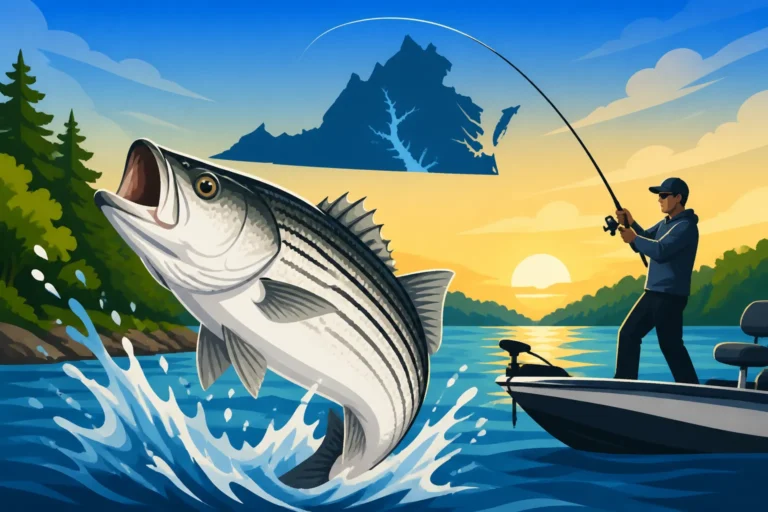
If you're an angler in Virginia, you know the thrill of targeting striped bass, often affectionately called "rockfish" by locals. But finding those elusive stripers in a sprawling tidal river like the York can feel like searching for a needle in a haystack. This guide is dedicated to cutting through that confusion, pinpointing the best striped bass spots on the York River and equipping you with the knowledge to make your next trip a success.
Understanding Striped Bass Behavior in the York River
To consistently catch striped bass on the York River, you need to think like a striper. These powerful fish aren't just swimming around aimlessly; they follow predictable patterns based on seasons, tides, and the available forage. Mastering these behaviors is your first step to a successful day on the water.
Seasonal Movements and Feeding Patterns
Striped bass are highly migratory, and their presence in the York River is largely dictated by the calendar and water temperature. The river acts as a vital highway for these fish, especially during their spawning migrations.
In the spring, typically from March through May, large numbers of striped bass move into the Chesapeake Bay system, including the York River, for their spawning run. This is a fantastic time to target them, as they're actively feeding to fuel their journey. They'll often chase schools of baitfish like menhaden, herring (alewives and bluebacks), and silversides that are also moving into the shallower, warmer waters to spawn. Look for birds diving or baitfish breaking the surface – these are telltale signs of stripers pushing bait from below. The bite can be aggressive, especially around dawn and dusk.
As summer progresses and water temperatures rise, many of the larger migratory stripers will move out of the river and into cooler, deeper waters of the main Bay or even the ocean. However, a resident population of smaller to medium-sized stripers often remains in the York, holding in deeper holes, around structure, or near cool water discharges. They become more nocturnal in their feeding habits during the heat of the day, so dawn, dusk, and even night fishing can be highly productive.
The fall run, from September through December, is arguably the most exciting time for striped bass fishing on the York. As water temperatures begin to drop, stripers migrate back into the Bay and its tributaries, including the York, gorging themselves on baitfish to build up fat reserves for winter. This period is characterized by intense feeding frenzies, often called "blitzes," where schools of stripers drive massive bait balls to the surface. It's truly a sight to behold and offers some of the best fishing opportunities of the year. Understanding Virginia Striped Bass Season and Slot Limit Guide is crucial during these peak times, as regulations can be specific to protect the spawning population.
Tidal Influences and Structure Preferences
The York River is a tidal river, and understanding the ebb and flow of the tide is paramount to finding stripers. Tides create currents, and currents are what stripers use to their advantage, ambushing prey that gets swept past them.
Current breaks are goldmines for striped bass. These are areas where the moving water creates a seam or eddy, allowing stripers to sit just out of the main current, expending minimal energy while waiting for an easy meal. Think about the upstream side of bridge pilings, submerged oyster reefs, points of land jutting into the river, or even deep holes where the current slows down.
- Outgoing Tide (Ebb Tide): As the water recedes, baitfish are often flushed out of creeks, marshes, and shallow flats into the main river channel. Stripers will stage at the mouths of these tributaries or along the edges of the main channel to intercept this easy meal. Look for areas where feeder creeks meet the main river, creating a clear "funnel" effect.
- Incoming Tide (Flood Tide): As the tide pushes in, baitfish move into shallower areas, and stripers will follow them. This is often a good time to target shallower flats, points, and docks, especially during low light conditions. The pushing current can also activate fish around main river structures.
Stripers are structure-oriented fish. They love to hold near anything that provides cover, current breaks, or ambush points. On the York River, these key structures include:
- Bridge Pilings: The pilings of the Coleman Bridge (US-17) are legendary striper magnets. The currents around these massive structures create eddies and upwellings that concentrate baitfish, making them prime ambush points.
- Deep Channels and Holes: Especially during warmer months or colder periods, stripers will retreat to the deeper parts of the river where water temperatures are more stable. Consult a good nautical chart to identify these areas.
- Oyster Reefs: These submerged habitats provide both cover for stripers and a thriving ecosystem for baitfish and crustaceans, making them excellent feeding grounds.
- Submerged Timber and Rock Piles: Any underwater obstruction that breaks the current or provides cover can hold stripers. This might include old dock pilings, fallen trees, or artificial reef structures.
Understanding these dynamics means you're not just casting randomly; you're strategically presenting your lure or bait where a striper is most likely to be waiting.
Top Striped Bass Fishing Locations on the York River
The York River, formed by the confluence of the Mattaponi and Pamunkey Rivers, is a magnificent tidal estuary that stretches for miles, offering diverse habitats for striped bass. Knowing where to focus your efforts can drastically improve your chances. While some of the best fishing spots in Virginia might seem obvious, the nuance of tidal rivers often requires a deeper dive.
The Mouth of the River and Lower Reaches
The lower York River, particularly the area around Yorktown and Gloucester Point, is a prime location for striped bass, especially during the spring and fall migrations. This section is essentially the gateway to the Chesapeake Bay, and fish moving into or out of the Bay will pass through here.
- Coleman Bridge (US-17): This iconic bridge is arguably the most famous striper hotspot on the entire York River. The numerous pilings create significant current breaks and eddies, concentrating baitfish and providing perfect ambush points for stripers. Fish can be found here year-round, though the spring and fall runs bring in the biggest numbers and largest fish. Anglers often target the deeper channels on either side of the bridge, using live bait or heavy jigs. When fishing around the bridge, always be mindful of boat traffic and navigation. You'll find specific details about the local rules in Virginia Fishing Regulations Explained.
- Deep Channels Near Yorktown: The main shipping channel that runs through the lower York River maintains significant depth, offering cooler water during summer and a highway for migratory fish. Look for bends in the channel or areas where it narrows. These deep-water areas are excellent for trolling or vertically jigging, especially during the summer months when stripers retreat to cooler depths.
- Confluence with Chesapeake Bay: While not directly in the York River, the immediate mouth where it meets the Bay is crucial. This area experiences strong tidal currents and is a natural funnel for baitfish and the stripers that pursue them. If you're struggling in the river itself, extending your search to the immediate Bay entrance can often pay off. Numerous Boat Ramps on the York River for Fishing Access are available to get you to these prime locations.
Mid-River Hotspots and Tributary Confluences
As you move further upriver from Yorktown, the York River becomes narrower, but its character changes, offering new opportunities. This mid-river section is particularly productive during the transition seasons when fish are moving up or down.
- Mouths of Major Tributaries: The York River has several significant tributaries that feed into it, such as the Poropotank River, Queen Creek, and Wormley Creek. The mouths of these creeks are often excellent fishing spots, especially on an outgoing tide. As the tide drains these smaller waterways, baitfish are flushed out, creating a buffet for waiting stripers. Focus on the points and channel edges at these confluences.
- Deep Bends and Creek Entrances: Throughout the mid-river section, look for pronounced bends in the river that create deeper holes on the outside curve. These areas often hold schools of stripers, particularly when they are not actively chasing bait on the surface. Similarly, smaller, unnamed creeks and guts that flow into the main river can be excellent ambush points.
- "The Flats" and Oyster Beds: While the York River is known for its depth, there are also shallower flats, especially in the wider sections. These flats often hold oyster beds, which are fantastic habitats for baitfish and, consequently, stripers. On incoming tides, stripers will move onto these flats to feed. Using a good depth finder to locate these submerged oyster reefs is key.
Key Structures and Deep Water Channels
Beyond specific geographical areas, certain types of underwater structures are universally attractive to striped bass throughout the York River. It’s all about finding those subtle changes in the riverbed that make a difference.
- Channel Edges and Drop-Offs: Stripers love to patrol the edges of the main river channel. These sharp drop-offs provide easy access to deep water for safety and cooler temperatures, while allowing them to quickly move into shallower feeding grounds. Trolling along these edges or casting lures that mimic baitfish can be highly effective.
- Submerged Structures (Wrecks, Rubble Piles): While not as numerous as in the main Bay, the York River does have some scattered submerged structures, including old pilings, forgotten docks, and possibly even small wrecks. These provide significant cover and concentrate baitfish. If you have access to detailed marine charts or side-scan sonar, seeking out these hidden gems can yield impressive results.
- Artificial Reefs: The Virginia Marine Resources Commission (VMRC) has deployed various artificial reef structures throughout the Chesapeake Bay and its tributaries, designed to enhance habitat. While most famous Bay-wide, some smaller, less publicized efforts might exist within the York. Researching VMRC's public reef data can sometimes uncover overlooked hot spots that attract species like striped bass. This highlights How Fishing License Fees Support Wildlife Conservation in Virginia directly benefits anglers through habitat improvement projects.
By combining an understanding of tidal movements, seasonal patterns, and these specific locations and structures, you can build a robust strategy for catching striped bass on the York River.
Essential Techniques and Tackle for York River Stripers
Catching striped bass on the York River isn't just about finding them; it's also about knowing how to tempt them with the right gear and presentation. The techniques you choose will often depend on the season, the depth you're fishing, and whether the fish are actively feeding.
Popular Baits and Lures for Success
Stripers in the York River can be finicky one day and ravenous the next. Having a versatile tackle box is crucial.
- Live Bait: When stripers are a bit more lethargic or when you're targeting larger, more cautious fish, live bait is often king.
- Live Spot or Croaker: These are natural food sources for stripers in the York River and can be incredibly effective, especially when fished on a fish-finder rig with a circle hook.
- Live Eels: Large stripers absolutely love eels. Fished on a simple fish-finder rig or drifted unweighted in current, they can be irresistible.
- Live Menhaden (Bunker): When schools of menhaden are present, using them as live bait is a deadly tactic. Cast nets are your friend here.
- Artificial Lures: For more active fishing and covering more water, artificials are the way to go.
- Bucktail Jigs: These classic lures are incredibly versatile. They can be cast and retrieved, jigged vertically, or trolled. Tipping them with a soft plastic trailer (like a curly tail grub) often enhances their appeal. Colors like white, chartreuse, and natural baitfish patterns work well.
- Soft Plastic Swimbaits: Paddle-tail swimbaits rigged on jig heads are highly effective at imitating baitfish. Popular choices include those from Z-Man, Berkley Gulp!, or Bass Assassin. Match the size and color to the prevalent bait in the river.
- Jerkbaits and Plugs: Floating or suspending jerkbaits can be deadly when stripers are feeding near the surface or around structure. Yo-Zuri and Rapala offer many effective options. For topwater action during low light, poppers and walk-the-dog style lures can induce explosive strikes.
- Spoons: Casting or jigging heavy metal spoons can imitate injured baitfish, particularly when stripers are feeding on schooled bait.
- Umbrella Rigs and Mojo Rigs: These are trolling specialties, particularly effective for larger migratory fish in deeper channels. Umbrella rigs mimic a school of baitfish, while Mojo rigs feature heavy lead heads with bucktails, often trolled in tandem.
Remember, the goal is always to "match the hatch" – use baits or lures that resemble what the stripers are currently feeding on. For more ideas on what tempts these fish, check out Best Bait for Striped Bass in Chesapeake Bay.
Fishing Methods: Trolling, Casting, and Live-Lining
Different situations call for different approaches. Becoming proficient in several methods will increase your catch rate.
- Trolling: This is a highly popular and effective method for covering large areas, especially in the lower York River and its deep channels. Anglers use planer boards, downriggers, or simply heavy lead core line to get their lures (umbrella rigs, Mojo rigs, large crankbaits, or deep-diving plugs) down to where the fish are holding. Trolling is excellent for locating schools of fish.
- Casting and Retrieving: When stripers are schooling on the surface, casting lures (jigs, swimbaits, topwater plugs) into the fray is an exhilarating experience. When fishing around structure like bridge pilings or oyster reefs, precision casting is key to getting your lure into the strike zone.
- Live-Lining (or Drifting Live Bait): This involves drifting live bait, often unweighted or with minimal weight, in the current or near structure. The natural movement of the live bait is often irresistible to stripers. This method requires a sensitive rod and reel and a keen eye for subtle bites. Use circle hooks with live bait to promote healthy Virginia's One-Fish Striped Bass Limit on Charter Trips and release.
Navigating the York River for Stripers
Safety and efficiency on the water go hand-in-hand. The York River is a busy waterway with commercial traffic, so good navigation is essential.
- Chart Your Course: Invest in a good GPS unit with up-to-date nautical charts (e.g., from Navionics or C-MAP). These charts will show you channel markers, depths, oyster reefs, and other underwater features critical for finding fish and avoiding hazards.
- Understand Channel Markers: Red, right, returning. Learn your channel markers to stay in safe waters, especially when commercial vessels are present.
- Monitor Your Electronics: A quality fish finder/sonar unit is indispensable. It will help you locate bait balls, identify schools of stripers, and map the bottom contours to find those crucial drop-offs and submerged structures. Side-scan sonar can reveal structure off to the sides of your boat, uncovering hidden hot spots.
- Tide Charts and Weather: Always consult local tide charts and weather forecasts before heading out. Strong currents, choppy conditions, or approaching storms can make fishing dangerous or unproductive.
- Boat Ramps: The York River offers several public and private boat ramps. Familiarize yourself with options like the York River State Park or Gloucester Point Beach Park. More information on access can be found under Boat Ramps on the York River for Fishing Access.
By understanding these techniques and maintaining safe boating practices, you'll be well-prepared to tackle the challenges and rewards of striped bass fishing on the York River.
Planning Your York River Striped Bass Trip
A successful fishing trip is often less about luck and more about preparation. When targeting striped bass on the York River, smart planning can make all the difference, whether you're a seasoned local or visiting from out of state.
Timing Your Visit for Peak Action
As discussed earlier, the seasonal movements of striped bass are the most critical factor in planning your trip.
- Spring Spawning Run (March – May): This is a prime time for targeting large, migratory stripers. Focus your efforts on the lower river and around the Coleman Bridge where fish are staging before or after spawning. The action can be fast and furious, but pay close attention to changing regulations during this sensitive period.
- Fall Feeding Frenzy (September – December): Many anglers consider the fall run to be the absolute best time for stripers on the York. Fish are aggressively feeding throughout the river, often creating spectacular surface blitzes. This is when you'll want to be on the water.
- Summer (June – August): While the largest migratory fish may be elsewhere, resident stripers can still be caught. Focus on early mornings, late evenings, or night fishing in deeper holes and around structure. This might be a good time to target other species too, as Is the York River Good for Family Fishing Trips? can attest.
- Winter (January – February): Stripers are typically more sluggish in cold water. You'll need to slow down your presentation and focus on deep holes where fish congregate. Less active but still catchable for dedicated anglers.
Always keep an eye on local fishing reports and water temperature data, as these can shift the "peak" windows slightly each year.
Considering a Guided Experience
If you're new to the York River, new to striper fishing, or simply want to maximize your chances without the learning curve, booking a guided fishing trip or charter is an excellent option.
- Local Expertise: A seasoned guide knows the river like the back of their hand. They'll know exactly where the fish are holding, what baits or lures they're hitting, and how to navigate the specific tidal conditions of the day. This local knowledge is invaluable and can save you countless hours of trial and error.
- Equipment Provided: Most charters provide all the necessary fishing gear, bait, and tackle, which can be a huge advantage if you don't own specialized striper setups. Some even cover the fishing license for the day, though it's always wise to confirm this beforehand.
- Learning Opportunity: A guided trip is a fantastic opportunity to learn new techniques, refine your skills, and understand the nuances of the York River fishery from an expert. You can ask questions, observe their methods, and gain confidence for future solo trips.
- Booking a Trip: Platforms like FishingBooker make it easy to find and book reputable fishing charters in the Yorktown and Gloucester Point areas that specifically target striped bass on the York River. You can compare different captains, read reviews, and find a trip that fits your budget and preferences. Searching for Virginia Fishing Charters and Guides: The Complete Guide will provide an overview of what to look for, but specifically for the York, FishingBooker offers a convenient way to connect with local pros. When planning, consider What to Look for When Booking a Virginia Fishing Charter.
Regulations and Conservation Efforts
Fishing is a privilege, and responsible angling is crucial for sustaining healthy fish populations for future generations. Virginia has specific regulations for striped bass to ensure their long-term viability, especially given their importance to the ecosystem and the fishing industry.
- Understanding Slot Limits and Seasons: Striped bass regulations, often referred to as "rockfish rules," frequently include specific slot limits (a size range within which fish can be kept) and seasons, which can sometimes be split into multiple windows throughout the year. These regulations are designed to protect both juvenile fish and the large, mature spawning females. For current details, refer to the Virginia Department of Wildlife Resources (DWR) website or guides like Striped Bass Season and Slot Limit in Virginia.
- Possession Limits: There are also daily possession limits, dictating how many fish you can keep per person per day. These limits are strictly enforced.
- Circle Hooks: In many areas targeting striped bass with bait, the use of circle hooks is mandatory. This is a conservation measure designed to reduce "gut hooking" and improve the survival rate of released fish.
- Catch and Release Best Practices: For any fish you intend to release (especially larger breeding females), minimize handling time, use wet hands, avoid dragging fish over rough surfaces, and use de-hooking tools if possible. The health of the striped bass population depends on all of us doing our part.
- Fishing License: Don't forget your fishing license! Unless you're on a licensed charter where the captain covers it, you'll need a valid Virginia saltwater fishing license to fish the York River. Details on how to obtain one can be found in a Virginia Fishing License Guide.
By being well-informed and adhering to regulations, you're not just avoiding fines; you're actively contributing to the conservation of this incredible fishery.
York River Striped Bass Hotspots and Techniques Summary
To help you visualize your next trip, here's a quick reference table summarizing some of the key information for striped bass fishing on the York River.
| Location/Area | Key Features | Best Times | Recommended Techniques | Common Baits/Lures | Notes |
|---|---|---|---|---|---|
| Coleman Bridge (US-17) | Bridge pilings, deep channels, strong currents, major migratory path | Spring, Fall | Trolling, Live-lining, Jigging | Live Spot/Eels, Bucktails, Soft Plastics, Mojo Rigs | High boat traffic, excellent for trophy fish |
| Lower River (Yorktown Area) | Deep channels, channel edges, points, confluence with Chesapeake Bay | Spring, Fall | Trolling, Live-lining, Casting | Live Menhaden, Large Swimbaits, Plugs, Spoons | Good for locating schools, focus on structure |
| Mid-River Tributary Mouths | Creek entrances, shallow flats nearby, current breaks | Incoming/Outgoing Tide | Casting, Drifting, Light Trolling | Smaller Swimbaits, Bucktails, Live Shrimp | Excellent for ambush points, can find resident fish |
| Deep Holes/Bends | Cooler water in summer, stable temps in winter, current breaks | Summer, Winter | Vertical Jigging, Live-lining | Live Eels, Heavy Jigs, Soft Plastics | Fish often less active, slow presentations work best |
| Oyster Reefs/Submerged Structure | Cover, baitfish congregation, current breaks | All Year | Casting, Jigging, Live Bait | Bucktails, Swimbaits, Live Croaker/Spot | Requires good electronics, watch for snags |
Disclaimer
Fishing involves inherent risks. Always prioritize safety, be aware of your surroundings, and adhere to all local, state, and federal fishing regulations. The information provided in this guide is for informational purposes only and should not be considered legal or professional advice. Fishing conditions and regulations can change rapidly. Always check with the Virginia Department of Wildlife Resources (DWR) for the most current rules and advisories before heading out on the water.