Best Smallmouth Bass Rivers in Virginia
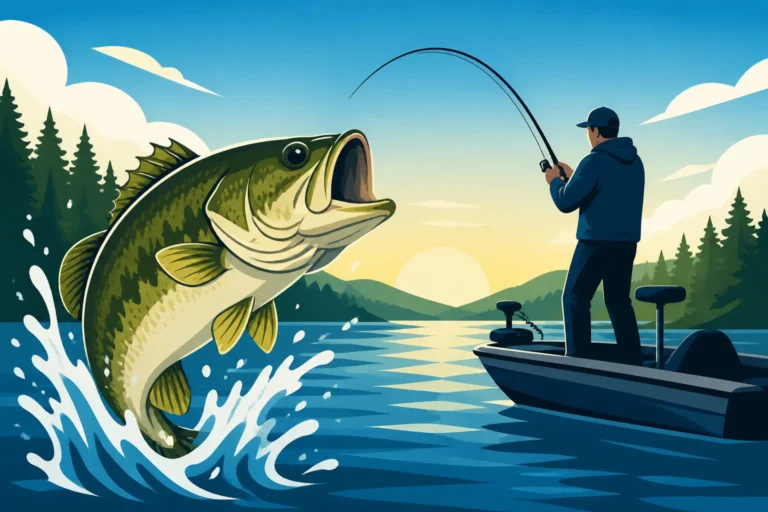
The thrill of a smallmouth bass hitting your line in a river, that unmistakable head shake, and the powerful fight against the current – it's an experience many anglers chase relentlessly. But let's be honest, figuring out which river will deliver that kind of action, especially in a state as rich with waterways as Virginia, can be overwhelming. You want to spend your time fishing, not guessing! This comprehensive guide is designed to cut through the noise, highlighting Virginia's absolute best rivers for smallmouth bass and arming you with the knowledge to make your next trip unforgettable.
The Legendary Shenandoah River System: A Smallmouth Paradise
When most folks think about river smallmouth fishing in Virginia, the Shenandoah River system almost immediately springs to mind, and for good reason. This iconic river, with its North and South Forks, offers some of the most consistent and exciting smallmouth action you'll find anywhere. It's truly a classic, providing diverse habitats from riffles and runs to deep pools and rocky ledges, all tailor-made for these bronze-backed fighters. If you've ever dreamt of floating lazily down a scenic river, casting to hungry bass, this is where you need to be.
North Fork's Clear Waters and Rock Gardens
The North Fork of the Shenandoah River, flowing through Virginia's beautiful Shenandoah Valley, is often celebrated for its incredibly clear water and abundant rock gardens. This clarity can be a double-edged sword: it makes for stunning scenery and sight fishing opportunities, but it also means the bass can be a bit more wary. Anglers often find success here by being stealthy, making precise casts with lighter lines and natural presentations. It's a fantastic spot for wading or floating in smaller crafts like kayaks and canoes, allowing you to really pick apart the river's structure.
Imagine yourself casting a finesse jig or a small crankbait into a riffle where the current breaks around a cluster of submerged rocks. That's prime smallmouth territory in the North Fork. The fish here are incredibly feisty, often striking aggressively despite the clear water. The section from the town of Edinburg downstream to its confluence with the South Fork near Front Royal offers mile after mile of this classic smallmouth habitat. It’s also a fantastic place to practice "Fly Fishing for Smallmouth Bass", as the clear water allows you to observe their behavior.
South Fork's Classic Float Trips and Deep Pools
The South Fork of the Shenandoah River presents a slightly different character, often a bit wider and deeper in places, making it ideal for longer float trips. While still abundant with rock gardens and riffles, it features more significant bends and larger pools that hold bigger fish. This fork winds through equally picturesque landscapes, providing a sense of solitude even on busier days. The sections near Luray and Bentonville are particularly popular for launching canoes or jon boats, offering excellent opportunities for "Smallmouth Bass Fishing on Virginia's Shenandoah River".
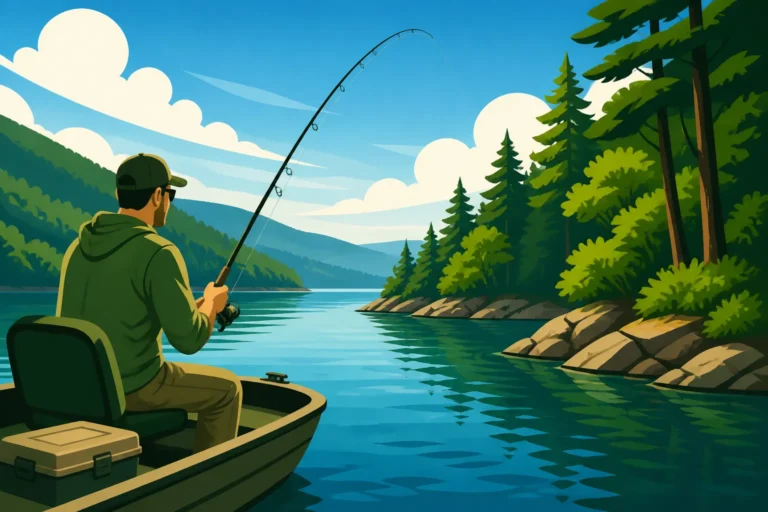
Floating the South Fork is a quintessential smallmouth experience. You can drift past towering sycamores, casting soft plastics or topwater lures into shaded eddies and along undercut banks. These deeper pools are crucial, especially during hotter summer months, as they offer cooler, more oxygenated water where smallmouth bass often congregate. Many anglers opt for a guided trip on the South Fork, and if you're looking to book one, you can often find experienced local guides through platforms like FishingBooker who specialize in these float trips.
The Mighty James River's Diverse Smallmouth Habitats
The James River, Virginia’s longest river, carves its way through a vast portion of the state, from the rugged Allegheny Mountains to the Chesapeake Bay. While its tidal sections are famous for other species, the upper and middle stretches are a legitimate smallmouth bass haven, offering a surprising range of fishing experiences. It's a river that truly showcases how smallmouth can adapt to different environments, from rocky mountain flows to broader, agricultural-belt waters.
Upper James: Mountain Streams to Scenic Floats
The Upper James River, particularly the stretch above Lynchburg, provides a wilder, more remote smallmouth experience. Here, the river maintains much of its mountain stream character: swift currents, rocky bottoms, and numerous rapids punctuated by calmer pools. This part of the James is absolutely stunning and feels a world away from urban life, making it a favorite for those seeking a more adventurous angling trip. "Best Smallmouth Bass Spots on the James River, Virginia" often highlights these upper sections for good reason.
Access here is often via canoe or kayak, navigating through breathtaking scenery. Wading is also a popular option in many stretches, allowing anglers to carefully pick apart promising runs and eddies. Smallmouth here are often lean, mean, and incredibly powerful, reflecting their life in the strong currents. Think about throwing spinnerbaits, tube baits, or even "Fly Fishing for Smallmouth Bass" with crayfish patterns into these moving waters. These fish are opportunists and will smash anything that looks like a meal.
Middle James: Bigger Water, Bigger Bass Opportunities
As the James River flows eastward, particularly between Lynchburg and Richmond, it transitions into a broader, more substantial waterway known as the Middle James. While it retains its rocky character, the river widens, the current mellows in spots, and you'll find larger, deeper pools perfect for holding bigger smallmouth bass. This section becomes more accessible to motorized jon boats, though canoes and kayaks are still widely used, especially for exploring the countless islands and riffles.
This part of the river offers excellent "Fishing the James River in Virginia" for anglers targeting larger smallmouth. The increased water volume and diverse structure, including submerged timber, ledges, and current seams, create ideal ambush points for bigger fish. It's not uncommon to pull 2-3 pound smallmouth from these waters, with trophy-sized fish always a possibility. When planning a trip to the Middle James, consider that "Water Temperature and Fish Feeding Patterns" play a critical role; cooler water often means more active fish in shallower rocky areas, while warmer periods push them to deeper, shaded pockets.
The Untamed New River: Ancient Waters, Trophy Smallmouth
The New River is truly unique, not just in Virginia but across North America. It's one of the oldest rivers on the continent, and unlike most other rivers, it flows north. This ancient waterway, cutting through rugged Appalachian landscapes in Southwest Virginia, is celebrated for its incredible scenery and, perhaps more importantly, its reputation for producing some of the largest smallmouth bass in the state. If you're looking to catch a true trophy smallmouth, the New River should be at the very top of your list.
Upper New River: Wading and Smaller Craft Adventures
The upper reaches of the New River, especially the sections around Galax and Allisonia, offer excellent opportunities for anglers preferring a more hands-on approach. Here, the river is often shallower and narrower, making it perfect for wading or navigating with canoes, kayaks, or smaller drift boats. The landscape is rugged and beautiful, with steep banks and dense forests lining the river, giving you a sense of being truly out in the wild.
The smallmouth in the Upper New River are incredibly strong, accustomed to fighting the consistent current. Anglers frequently target rock outcroppings, submerged boulders, and current seams. These fish are notoriously aggressive, making them a blast to catch on various lures and techniques. For those looking to explore this magnificent fishery with local expertise, a quick search on FishingBooker can connect you with guides who know these secluded stretches intimately. They'll often have insights into the "Best Time of Year for Bass Fishing in Virginia" for trophy smallmouth on this river.
Lower New River: Jet Boats and Multi-Day Excursions
As the New River continues its northward journey, particularly below Claytor Lake and towards West Virginia, it becomes a much larger, more powerful river. This "Lower New River" section is often navigated by jet boats or larger drift boats, allowing anglers to cover more water and access deeper, more remote pools that can hold truly giant smallmouth bass. Multi-day float trips, with camping along the banks, are a popular way to experience the vastness and productivity of this river.
This section is where stories of massive smallmouth come to life. The river here can be wide, with significant rapids and long, deep pools. The tactics shift slightly, often incorporating heavier gear and larger baits to tempt the bigger fish lurking in the depths. You'll find anglers targeting ledges, deep eddies, and large boulders. Because of the sheer size and power of the river, having a good understanding of river navigation and safety is paramount. The rewards, however, are often phenomenal, with the potential for five-pound-plus smallmouth making every cast exciting.
Rappahannock and Potomac Rivers: Hidden Gems and Urban Edges
While the Shenandoah and New Rivers often steal the smallmouth spotlight, Virginia also boasts fantastic, albeit sometimes overlooked, smallmouth fisheries in the Rappahannock and Potomac rivers. These rivers offer unique experiences, from the Rappahannock’s wild, rocky runs to the Potomac’s surprisingly robust fishery within sight of the nation's capital. They are perfect for anglers looking for quality smallmouth action a little closer to Virginia’s more populated areas.
Rappahannock River's Rocky Runs and Secluded Spots
The Upper Rappahannock River, especially upstream from Fredericksburg, is a delightful smallmouth fishery characterized by rocky runs, shallow riffles, and occasional deep pools. It's often overshadowed by its more famous neighbors, but those in the know appreciate its consistent action and beautiful, relatively undeveloped banks. This part of the river is fantastic for kayak, canoe, or wading trips, allowing you to explore its many nooks and crannies.
The smallmouth in the Rappahannock are strong and plentiful, readily hitting a variety of baits. You'll find classic river smallmouth habitat here, with plenty of current breaks and underwater structure to target. Focus your efforts around fallen trees, large boulders, and the transition zones between shallow rapids and deeper pools. For those living in Northern Virginia, the Rappahannock offers a convenient and rewarding escape, making it a prime spot to explore for great "Fishing the Rappahannock River in Virginia". Just be sure to always check "Virginia Fishing Regulations Explained" before you head out.
Potomac River's Smallmouth Pockets and Tidal Influence
When people think of the Potomac River, they often picture the tidal bass fishery near Washington D.C., known for its largemouth. However, head upstream into the non-tidal sections, particularly those bordering Loudoun County and further west, and you'll discover a vibrant smallmouth bass fishery that rivals any in the state. This part of the "Fishing the Potomac River in Virginia" offers classic river smallmouth fishing, with rocky bottoms, swift currents, and clear water.
These upper Potomac stretches are popular for anglers who enjoy float trips or wading. The smallmouth here are abundant and aggressive, providing excellent sport. You'll find them lurking behind current breaks, in eddies, and around submerged timber. While some stretches might feel busier due to proximity to population centers, there are still plenty of secluded pockets to explore. It's a testament to the adaptability of smallmouth bass that they thrive in a river with such diverse character.
Essential Strategies for River Smallmouth Bass
Catching smallmouth bass in rivers isn't just about showing up; it's about understanding their behavior, their preferred habitats, and the most effective ways to present your lure. River smallmouth are generally more active and harder fighting than their lake-dwelling cousins, making them incredibly rewarding to pursue. Success often boils down to a few key strategies that are universally applicable across Virginia's best rivers.
Best Baits and Lures for River Smallmouth
River smallmouth bass are opportunistic predators, and a versatile tackle box will serve you well. However, some baits consistently outperform others in moving water. Soft plastic baits like tubes, grubs, and creature baits rigged on jig heads are absolute killers. They mimic crayfish, minnows, and other forage, and their compact profile allows them to sink quickly and work effectively in current. For instance, a brown or green pumpkin tube jig is nearly irresistible when bounced along a rocky bottom.
Beyond soft plastics, crankbaits that dive to the appropriate depth for the water you're fishing are excellent for covering water and triggering reaction strikes. Smallmouth love a bait that deflects off rocks. Spinnerbaits and buzzbaits can be deadly, especially when fish are actively feeding or when targeting shallower runs and riffles. Topwater lures, particularly poppers and walk-the-dog baits, provide some of the most exciting strikes you'll ever witness, especially during low-light conditions or when casting into shaded pockets. Don't forget the power of smallmouth's favorite meal: crayfish. Jigs with trailers or soft plastic crayfish imitations can be incredibly effective, especially when worked slowly along the bottom near rocky structure. Many of these effective options are detailed in "Best Lures for Smallmouth Bass on the Shenandoah River".
Access Points and Navigating River Currents
Accessing Virginia’s smallmouth rivers can range from easy public boat ramps to more challenging, undeveloped put-in spots. Public access points are often managed by the Virginia Department of Wildlife Resources (DWR) or local parks and recreation departments, offering launch sites for various craft. For the smaller, wilder sections of rivers like the Upper James or parts of the Shenandoah, canoe liveries and private landowners often provide shuttle services and put-in/take-out points for a fee. Planning your float trip, especially with a shuttle, is crucial for a successful and stress-free day.
Navigating river currents requires a different skill set than lake fishing. Understanding how current affects your boat, your lure presentation, and fish location is paramount. Smallmouth bass will almost always orient themselves facing upstream, waiting for food to drift down to them. They'll hold in current breaks – behind large rocks, fallen trees, or in eddies – to conserve energy while still having access to the food highway. When you cast, aim slightly upstream of your target structure, allowing your lure to drift naturally into the strike zone. Learning to "read the water" – identifying seams, eddies, and subtle changes in current – will dramatically improve your success. This nuanced approach is key to becoming a successful river angler and putting "Smallmouth Bass Fishing Tips for Virginia Anglers" into practice.
| River Section | Primary Method | Typical Smallmouth Size | Key Features | Best Season |
|---|---|---|---|---|
| Shenandoah North Fork | Wading, Kayak, Canoe | 10-16 inches | Clear water, rock gardens, consistent action | Spring, Fall |
| Shenandoah South Fork | Canoe, Kayak, Small Jon Boat | 12-18 inches | Float trips, deeper pools, scenic | Spring, Summer, Fall |
| Upper James River | Wading, Kayak, Canoe | 10-17 inches | Mountain stream feel, strong current | Spring, Fall |
| Middle James River | Jon Boat, Kayak, Canoe | 14-20+ inches | Wider water, bigger bass potential | Spring, Summer, Fall |
| Upper New River | Wading, Kayak, Drift Boat | 12-20+ inches | Trophy potential, rugged scenery | Spring, Summer, Fall |
| Lower New River | Jet Boat, Large Drift Boat | 15-22+ inches | Trophy potential, deep pools, rapids | Spring, Fall |
| Upper Rappahannock | Wading, Kayak, Canoe | 10-16 inches | Rocky runs, convenient access | Spring, Fall |
| Upper Potomac (VA side) | Wading, Kayak, Canoe | 12-18 inches | Abundant fish, classic river structure | Spring, Summer, Fall |
Disclaimer
Please note that fishing conditions, regulations, and access can change. Always check the latest Virginia Department of Wildlife Resources (DWR) regulations before any fishing trip. Be mindful of private property, practice responsible angling, and prioritize safety on the water.