Best Catfish Fishing on the York River, Virginia
There’s nothing quite like the thrill of feeling that distinct tug on your line, signaling a big, whiskered fighter on the other end, especially when you’re out on the majestic York River. Many anglers get a bit intimidated by tidal rivers, wondering how the shifting currents and varying salinity impact where the fish are and what they’ll bite. But trust me, the York River is a fantastic, yet often overlooked, spot for some seriously impressive catfish action. This guide is here to break down exactly where to find those big cats, what to tempt them with, and how to make your next York River catfish adventure a roaring success.
The Unique Appeal of Catfish Fishing on the York River
The York River, formed by the convergence of the Mattaponi and Pamunkey Rivers near West Point, offers a fascinating and dynamic environment for catfish. Unlike some static lakes, this tidal river presents a unique set of challenges and rewards that make every outing an adventure. The ever-changing conditions mean you need a solid understanding of the river's characteristics to consistently land fish, but the rewards are well worth the effort.
A Tidal Haven for Diverse Catfish Species
What makes the York River so special for catfish is its diverse aquatic environment. As a tidal estuary, it boasts a gradient of salinity, transitioning from purely freshwater far upriver into the Mattaponi and Pamunkey, to brackish conditions as it widens and approaches the Chesapeake Bay. This mix means you're likely to encounter several species of catfish, each with their own preferences and fighting styles.
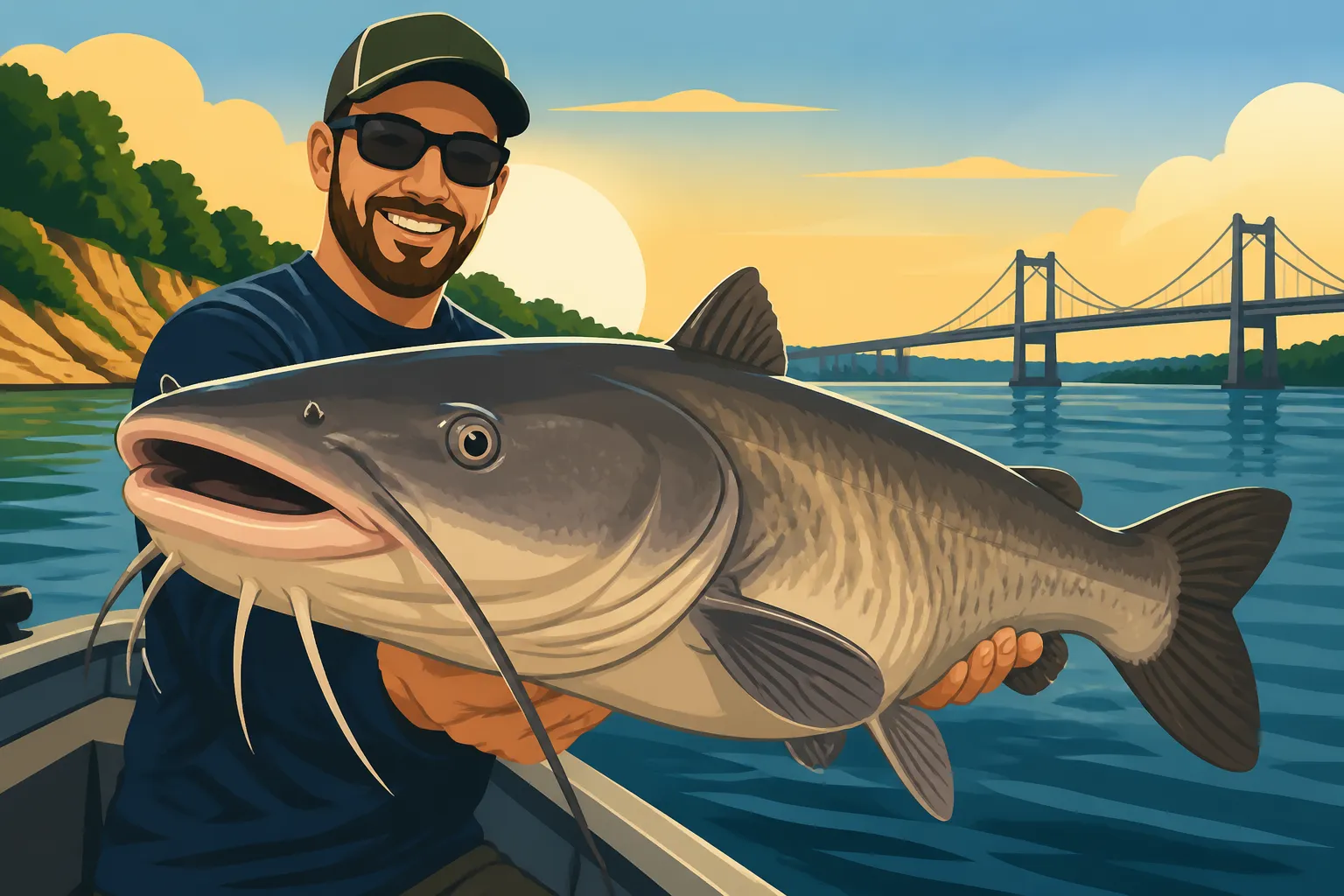
The most common catfish species you'll encounter here are the Channel Catfish and White Catfish. Channel cats are recognized by their deeply forked tails and scattered spots when young, and they thrive in both fresh and slightly brackish waters. White Catfish, smaller but equally eager to bite, have a less forked tail and are often found in the muddier, slower stretches. Critically, the York River, like many other major Virginia rivers, has also seen a significant increase in the presence of Blue Catfish. These are the giants of the catfish world, known for their massive size and incredible fighting power. Blue Catfish are an invasive species, and catching them is not only thrilling but also helps the local ecosystem. Understanding the differences between these species, as detailed in guides like "Channel Catfish vs Flathead Catfish: How Virginia Anglers Tell Them Apart", can help you tailor your approach and identify your catch.
Why the York River Provides Prime Catfish Habitat
The York River's geography and hydrology create ideal habitats for these whiskered predators. Catfish are opportunistic feeders and often congregate around structures and areas with abundant food sources and favorable currents. The river's natural features provide exactly what they're looking for.
Firstly, the deep channels that carve through the riverbed are natural highways for catfish. These channels provide cooler water in summer and stable temperatures in winter, making them year-round holding areas. Along these channels, you'll often find submerged structure – think fallen trees, old dock pilings, rock formations, and even man-made debris. These features offer ambush points and shelter from strong currents, making them prime real estate for catfish. Secondly, the York River's significant tidal flow means a constant influx of nutrients and baitfish. Catfish will often position themselves in eddies or behind structure, waiting for the current to deliver an easy meal. This abundant forage, including various baitfish like shad and herring, keeps the catfish well-fed and actively hunting, creating excellent fishing opportunities.
Top Catfish Hotspots Along the York River
Knowing where to drop your line is half the battle when targeting catfish on a river system as extensive as the York. The river offers different types of catfish experiences depending on how far upstream you go, from the predominantly freshwater tributaries to the wider, more brackish stretches closer to the Bay. Each section has its own charm and prime locations for those elusive whiskered fighters.
Productive Areas Upriver: Freshwater Dominance
If your target is primarily Channel Catfish and potentially some big Blue Catfish, your best bet often lies further upstream in the Mattaponi and Pamunkey Rivers, before they fully merge to form the York. These sections are largely freshwater, which many catfish species prefer, especially for spawning and rearing young. Areas around West Point, Virginia, are particularly renowned for their catfish populations.
Think about the stretches immediately upstream from the town of West Point. Public boat ramps in this area offer easy access, allowing you to navigate to prime locations. Look for deeper bends in the river, the mouths of smaller creeks that feed into the main river, and any visible structure like old docks, fallen timber, or abrupt changes in bottom contour. These areas often concentrate baitfish, which in turn attracts hungry catfish. Bank access can be a bit trickier, but some public parks or bridge crossings might offer limited shore fishing opportunities. These upstream reaches can be particularly fruitful in the spring and early summer when catfish are highly active.
Mid-River Sweet Spots: Brackish Challenges and Rewards
As you move downstream from West Point into the main stem of the York River, the water becomes increasingly brackish, especially closer to the Chesapeake Bay. This doesn’t deter catfish; in fact, some species thrive in these conditions, and the tidal influence becomes even more pronounced, presenting both a challenge and a massive opportunity.
One of the most iconic landmarks and a known catfish hotspot in this mid-river section is the George P. Coleman Memorial Bridge (Route 17). The bridge pilings and the deeper channel beneath it create excellent current breaks and structure where catfish love to hide and ambush prey. Fishing around these pilings, especially during slower tidal flows, can yield impressive results. Focus on the deeper holes and the edges of the main shipping channel. The areas where smaller creeks and tributaries meet the main York River, such as those around Yorktown, also present fantastic opportunities. These confluences often concentrate baitfish and provide nutrient-rich waters that catfish are drawn to. Many anglers find success by anchoring upstream from a promising spot and allowing their baits to drift naturally into the holding areas as the tide moves. Finding local guides or exploring options through resources like FishingBooker, while not specifically for catfish, could provide insights into general river dynamics and access points if you're planning a broader fishing trip in the area.
Nearshore Structures and Deep Water Access
Even closer to the mouth of the York River, where salinity levels are higher, you can still find productive catfish spots, particularly during certain times of the year or with specific tidal conditions. Here, the focus shifts more towards very deep water access and prominent nearshore structures that provide significant cover and food sources.
Public fishing piers and private docks that extend into the deeper parts of the river can be excellent starting points. Look for any pier that has access to deeper water, especially if there's significant structure like pilings, sunken debris, or rock beds nearby. The Gloucester Point Pier or Yorktown Fishing Pier, while known for saltwater species, can sometimes yield surprising catfish catches, especially White Catfish and smaller Channel Catfish, particularly on the landward side where the water is less saline. When fishing from a boat in these lower stretches, target the deep ledges and drop-offs along the main channel. Understanding the tide is paramount here; catfish will often move into shallower feeding flats with the incoming tide and retreat to deeper channels as the tide recedes. A good fish finder can be invaluable for identifying these depth changes and locating schools of baitfish, which are reliable indicators of predator presence. For those who prefer fishing from shore, checking out "How to Catch Channel Catfish From the Bank" can offer additional tips relevant to accessible spots along the York.
Essential Techniques and Baits for York River Catfish
To consistently hook into those feisty York River catfish, you need more than just good spots; you need the right gear, the right bait, and a solid understanding of how to present it effectively. The tidal nature of the river means your approach needs to be adapted to the moving water, ensuring your bait stays in the strike zone and signals "easy meal" to any passing whiskerfish.
Rigging Up for Success: Bottom Fishing Basics
The most effective technique for catfish on the York River is almost always bottom fishing. Catfish are scavengers and bottom feeders, and presenting your bait directly on the riverbed, or slightly above it, is crucial. However, the current can make this challenging if you're not properly rigged.
For heavy currents, a Carolina rig is a classic and highly effective choice. Start with a heavy sinker, typically a pyramid or no-roll style, that is heavy enough to hold your bait in place against the current. Depending on the current strength, this could mean anywhere from 2 to 8 ounces or even more. Slide your sinker onto your main line, then add a bead (to protect your knot) and tie on a strong barrel swivel. To the other end of the swivel, attach an 18-36 inch leader of slightly lighter line, ending with a robust circle hook. Circle hooks are fantastic for catfish because they minimize gut-hooking, improving catch-and-release survival and often hooking fish securely in the corner of the mouth when they move away with the bait. For particularly aggressive currents or when fishing with multiple hooks, a three-way swivel rig can also be effective, allowing you to tie a sinker to one eye, a leader to another, and your main line to the third. Ensure your main line is strong – a braided line of 30-65 lb test is ideal for its sensitivity and strength, especially when battling bigger Blue Catfish or extracting fish from structure.
The Best Baits for York River's Finned Whiskers
When it comes to bait, catfish aren't typically picky, but they do have preferences, and some baits are simply more effective than others for stimulating those scent-driven hunters. The key is often using something strong-smelling and natural to their diet.
By far, the most universally effective bait for large Channel Catfish and especially Blue Catfish on the York River is fresh cut bait. Shad, alewife, or blueback herring, if you can catch them locally, are absolute gold. The fresher, the better! Cut the bait into chunks roughly 1-2 inches long for Channel Cats and larger, palm-sized pieces for big Blue Cats. The blood and oils released into the water create a powerful scent trail that catfish simply can't resist. You can learn more about this in "How to Rig Cut Bait for Catfish."
| Catfish Species | Preferred Baits | Key Characteristics | Best Fishing Locations |
|---|---|---|---|
| Blue Catfish | Fresh Cut Bait (Shad, Herring), Live Bait | Largest species, powerful fighters, often in deep channels | Upper & Mid-York River, deep holes |
| Channel Catfish | Cut Bait, Chicken Livers, Nightcrawlers, Stink Bait | Forked tail, strong scent feeders, medium size | Throughout the York River, structured areas |
| White Catfish | Chicken Livers, Nightcrawlers, Smaller Cut Bait | Smaller, less forked tail, often in muddier, slower water | Lower & Mid-York River, tidal creeks |
Beyond cut bait, classic options like chicken livers are highly effective for Channel Catfish and White Catfish. Their strong scent attracts fish from a distance, though they can be messy and prone to falling off the hook. Large nightcrawlers or chunks of garden worms also work well, particularly for smaller catfish and panfish that might also be present. While not as universally effective for big blues, prepared stink baits or punch baits can be incredibly good for Channel Catfish, especially in slower currents. Remember, freshness often trumps type when it comes to cut or natural baits – a fresh piece of local baitfish will almost always outperform frozen or old bait. For more specific insights, check out "Best Bait for Channel Catfish in Rivers and Lakes".
Timing Your Trip: Tides, Seasons, and Night Fishing
Catfish are creatures of habit and opportunity, and understanding their activity patterns based on the time of day, season, and most importantly, the tidal stage, can dramatically improve your success rate on the York River.
On a tidal river, the movement of water is your best friend. Catfish often become most active during the incoming and outgoing tides, especially around the periods of peak flow or just before and after slack tide. These moving currents dislodge food, carry scent trails, and make it easier for catfish to ambush prey. Many anglers find the period roughly two hours before and after high or low slack tide to be particularly productive. The fish will move from deeper channels onto shallower flats to feed with the rising tide, and then retreat as the water falls. Learning to read the current and anticipate these movements is key.
Seasonally, late spring through late fall typically offers the best catfish action on the York. As water temperatures rise, catfish become more active and feed more aggressively. During the summer, fishing can be fantastic, especially if you focus on deeper, cooler water. As the water cools in the fall, they continue to feed heavily to prepare for winter. While you can catch them in winter, their metabolism slows down, and they are generally less active. One of the absolute best times to target big catfish, particularly in warmer months, is at night. Catfish are nocturnal feeders, using their incredible sense of smell and touch to navigate and hunt in the dark. The cooler night air, reduced boat traffic, and their natural instincts make for some truly epic fishing. Setting up with lanterns and glow sticks for "How to Catch Catfish at Night" can lead to memorable catches. You can also explore "Best Time of Year to Catch Catfish" for broader seasonal patterns.
Navigating Regulations and Responsible Angling on the York
Fishing on the York River, like any public waterway in Virginia, comes with a set of rules and responsibilities designed to protect the resource and ensure everyone can enjoy it safely and legally. Ignoring these regulations can lead to penalties, so it's always better to be informed.
Understanding Virginia's Fishing License Requirements
Before you even cast a line into the York River, you need to ensure you have the correct Virginia fishing license. Since the York is a tidal river that transitions from freshwater to saltwater, the type of license you need can sometimes be a bit confusing. Generally, a Virginia freshwater fishing license will cover you in the upper reaches of the Mattaponi and Pamunkey Rivers, while a Virginia saltwater fishing license (often combined with the Virginia Saltwater Recreational Fishing License known as FIP registration) is required as you move closer to the Chesapeake Bay.
To avoid any doubt, especially when fishing the mid- to lower sections of the York, many anglers opt for a Freshwater and Saltwater Fishing Licenses in Virginia combo license. This provides coverage for both environments, ensuring you’re legal no matter where the fish take you on the river. It's always a good idea to consult the Department of Wildlife Resources (DWR) website for the most current information or pick up a physical copy of the regulations. Remember, the game wardens are out there, and they will check. For a comprehensive overview, checking out the "Virginia Fishing License Guide" is always a smart move.
Catfish Specific Regulations and Conservation
When it comes to catfish, Virginia's regulations are generally quite liberal, especially for invasive species like the Blue Catfish. This is a deliberate strategy to encourage anglers to harvest these fish, which can have significant impacts on native species and the ecosystem.
For Channel Catfish and White Catfish, there are typically no daily creel or possession limits in most waters of Virginia, including the York River, though it's always wise to double-check the latest "Virginia Fishing Regulations Explained" to be sure. For Blue Catfish, there are also generally no limits, and anglers are strongly encouraged to keep all they catch. While they are a blast to fight and excellent table fare, remember that regulations can change, so a quick check of the DWR website before your trip is a habit worth cultivating. Practicing responsible angling, such as properly disposing of bait, line, and trash, ensures the York River remains a vibrant fishing destination for years to come. Understanding "Virginia's Fishing License and Catch Limit Basics" can also give you a broader perspective on why these rules are in place.
Respecting the Resource and Other Anglers
Beyond the legal requirements, responsible angling also means showing respect for the environment and your fellow anglers. The York River is a shared resource, and preserving its beauty and productivity is everyone's responsibility.
Always adhere to a "leave no trace" policy. Pack out everything you pack in, including any discarded fishing line, bait containers, and food wrappers. Littering not only spoils the natural beauty but can also be harmful to wildlife. When fishing from public access points or near private property, be mindful of others. Give fellow anglers ample space, keep noise levels down, and avoid encroaching on private land. For those fishing from a boat, be aware of speed limits, no-wake zones, and navigational rules. Remember that the York River is also used by recreational boaters and commercial traffic. Safe boating practices, including having all required safety gear on board, are paramount. By following these guidelines, you contribute to a positive experience for everyone and help ensure the York River continues to provide fantastic fishing opportunities for generations of anglers.
Disclaimer
Please note: Fishing regulations, license requirements, and fish populations can change. Always consult the latest Virginia Department of Wildlife Resources (DWR) regulations before planning your fishing trip to ensure you are compliant with current laws and to access the most up-to-date information.