Best Fishing Spots to Avoid the Crowds
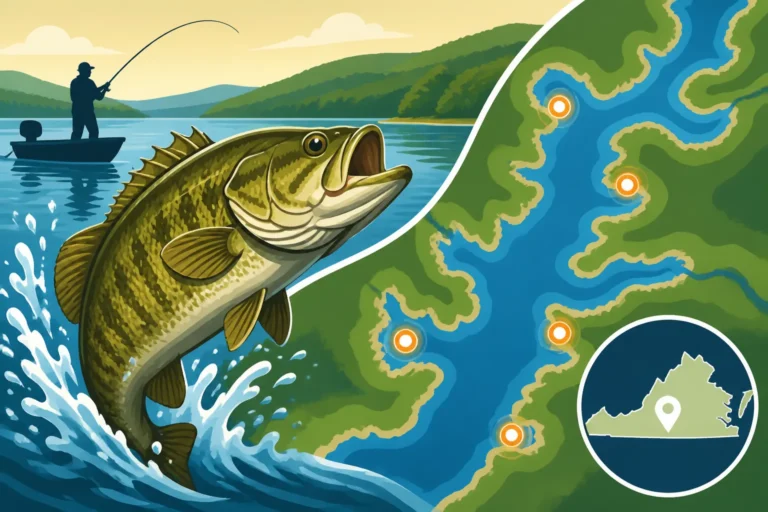
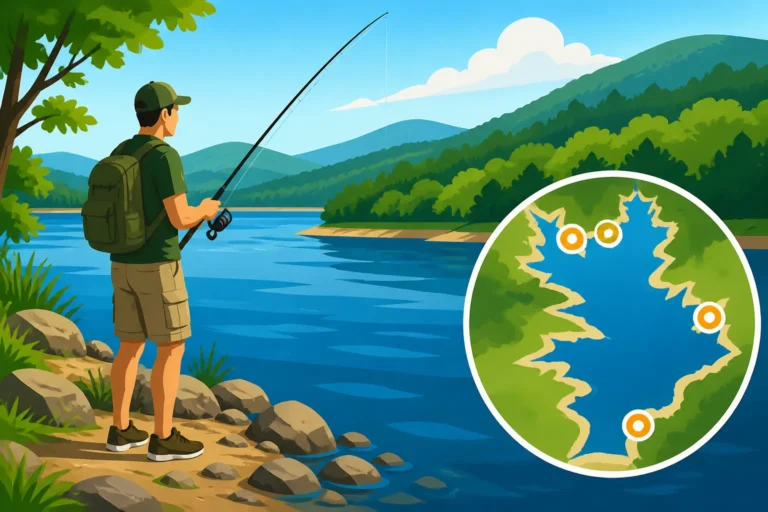
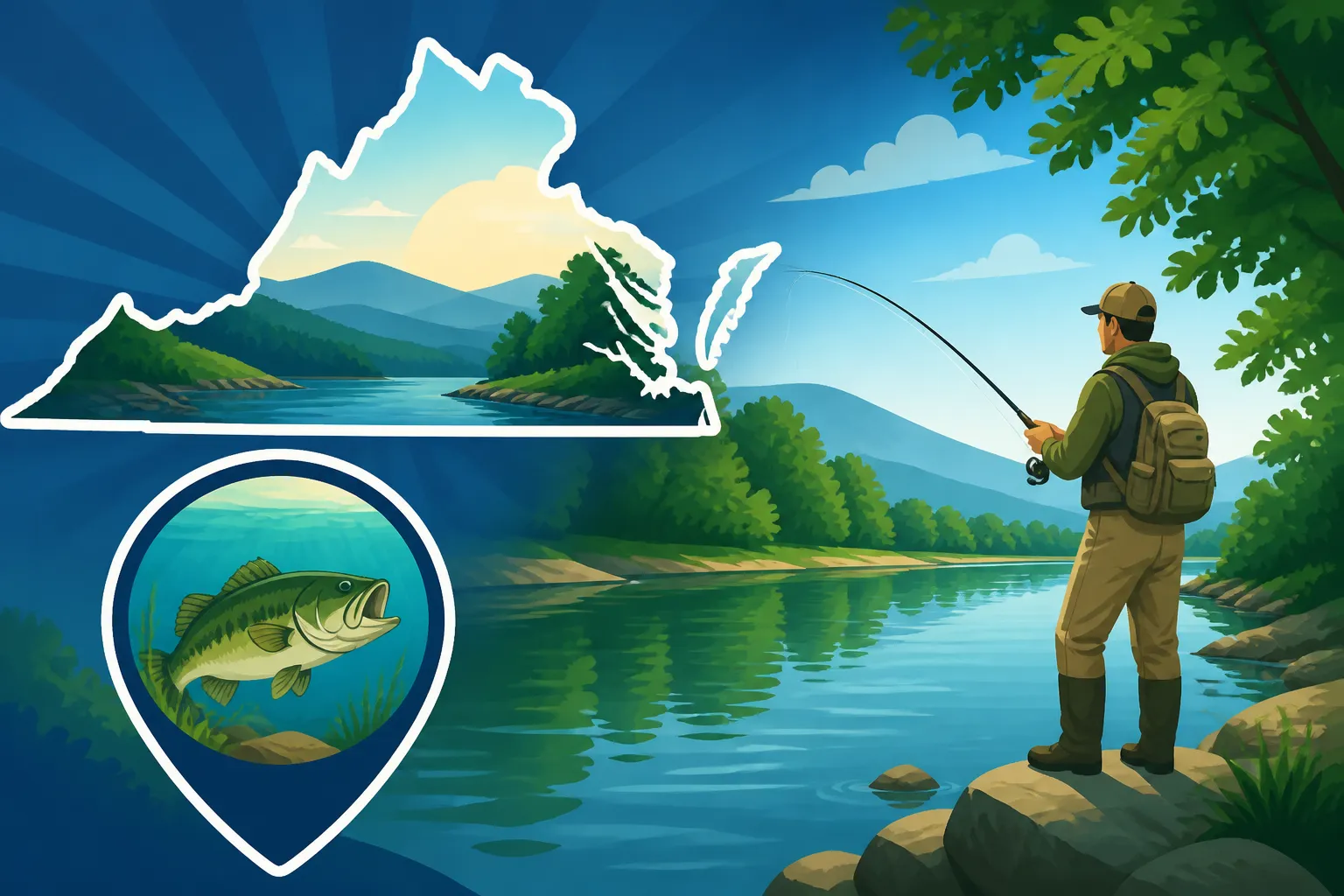
There’s nothing quite like the dream of a peaceful day on the water, rod in hand, the sounds of nature as your only company. But let’s be real – often, that dream quickly turns into a nightmare of crowded boat ramps, lines at the pier, and battling for elbow room on your favorite stretch of river. It's frustrating to plan a perfect fishing trip to a renowned spot, only to find it teeming with people. This guide is all about helping you escape that clamor, revealing how to find those serene, less-pressured fishing spots across Virginia where you can truly relax and enjoy the angling experience.
The Frustration of Crowded Waters and Why It Happens
We've all been there. You wake up before dawn, make the long drive to that "secret" spot you read about online, only to pull into a parking lot overflowing with cars and see anglers already lined up along the bank or launching their boats in a frenzy. It’s enough to make you want to pack up and go home before you even cast a line. The allure of a well-known, productive fishery is undeniable, but the price you pay is often a lack of solitude and increased competition for fish.
Virginia is a fantastic state for fishing, boasting incredible diversity from the freshwater rivers and lakes of the mountains to the vast saltwater opportunities of the Chesapeake Bay and the Atlantic Ocean. Naturally, certain spots gain a reputation for consistent catches or trophy-sized fish. Places like Smith Mountain Lake, Lake Anna, and popular sections of the James River or Shenandoah River draw anglers in droves, especially on weekends and during peak seasons. Social media, fishing forums, and even general tourism sites often highlight these locations, inadvertently contributing to the crowd. While these spots certainly offer great fishing, the sheer volume of anglers can diminish the quality of the experience, making it harder to find peace and quiet, and sometimes even harder to catch fish due to increased pressure.
Understanding why a spot is crowded is the first step to avoiding it. High accessibility (easy boat ramps, ample parking, nearby amenities), consistent stocking (especially for trout), and high catch rates are all factors. Even during popular events like Virginia Free Fishing Days in June, you'll find every easily accessible public lake and pond packed. For those of us seeking solitude, these well-trafficked areas are exactly what we want to sidestep. It’s not about avoiding good fishing; it’s about finding good fishing away from everyone else.
Uncovering Virginia's Hidden Gems: Types of Less-Frequented Fishing Spots
Virginia truly has an abundance of waters, and many of them fly under the radar. The key is knowing what kind of less-frequented spot might appeal to you and then putting in a little effort to find them. These aren't always secret honey holes that only locals know, but rather places that require a bit more legwork, a different approach, or simply don't get the same online buzz as the superstars.
Smaller Lakes and Ponds Beyond the Mainstream
While everyone flocks to the giants like Smith Mountain Lake or Lake Anna, Virginia is dotted with countless smaller lakes and ponds managed by the Department of Wildlife Resources (DWR), state parks, or local municipalities. These often have less boat traffic, if any, and can offer surprisingly robust fishing. Think about places like Lake Shenandoah, Briery Creek Lake, or even the smaller ponds within many Virginia State Parks. These often have good populations of bass, crappie, and sunfish. You might not break a state record here, but you'll certainly enjoy a peaceful day with plenty of bites. Sometimes, the only access is via a canoe, kayak, or small jon boat, which naturally filters out the larger, more boisterous crowds. Exploring the DWR's public fishing lake inventory online can yield some fantastic, lesser-known options that are deliberately stocked and managed for quality angling experiences without the heavy pressure.
Consider visiting places like Lake Orange or Powhatan Lake, which are smaller but offer great fishing for species like largemouth bass and various panfish. These often require a short drive off the main roads and might not have the big marinas or resorts, which is exactly what keeps the masses away. Always check specific regulations for these smaller bodies of water, as some may have unique size or creel limits.
Remote Stretches of Rivers and Tributaries
The major rivers like the James, Shenandoah, and Rappahannock are incredible fisheries, but their most accessible points can get busy. The trick to finding solitude on these rivers lies in seeking out their more remote sections or exploring their many tributaries. For instance, while the main stem of the Shenandoah sees a lot of smallmouth bass fishing, venturing into its forks or smaller feeder creeks can put you on fish with far less competition. These areas often require wading, kayaking, or canoeing to access, which discourages many anglers.
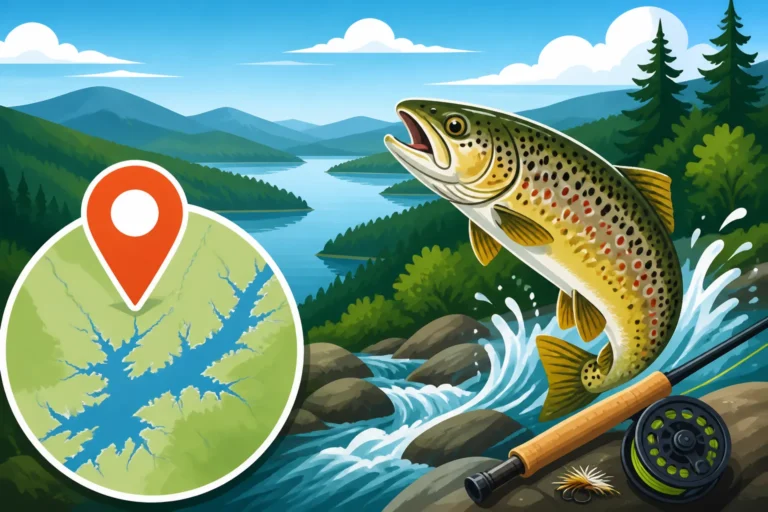
Look for areas marked as public access points on detailed maps that might be a bit further from towns or only accessible by foot paths. You'll often find excellent fishing for various species, depending on the river. The small mountain streams, often overlooked for their larger counterparts, can hold beautiful wild trout. For those interested in the quiet pursuit of trout, understanding Wild Trout Stream Rules in Virginia is essential, as these streams are often secluded and require specific angling practices. These tranquil settings, away from powerboats and crowded shorelines, offer a truly immersive natural experience. You might even find some hidden gems for Smallmouth Bass Fishing on Virginia's Shenandoah River if you are willing to put in the effort to find the less traveled paths.
Tidal Creeks and Saltwater Backwaters
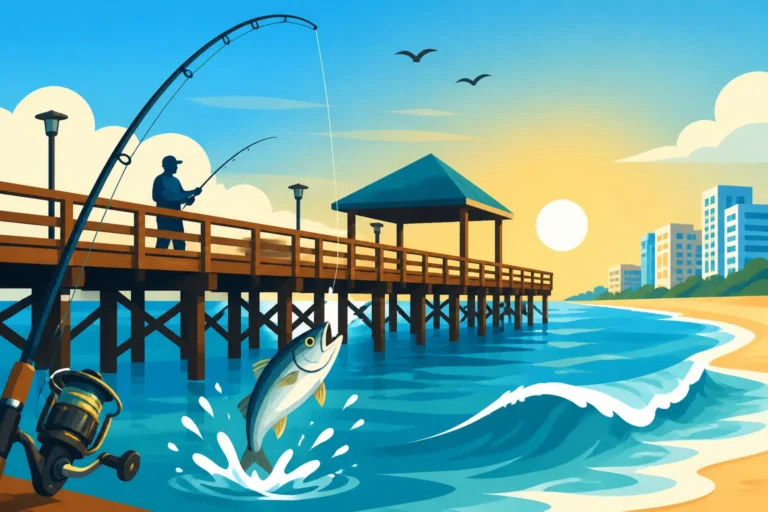
For saltwater enthusiasts, the Chesapeake Bay is phenomenal, but its popular piers and boat ramps, especially around Virginia Beach and Norfolk, can be a beehive of activity. To escape this, turn your attention to the myriad of tidal creeks, marshes, and backwaters that feed into the Bay. These areas often require smaller boats, kayaks, or even good wading boots to access. You might find excellent fishing for speckled trout, red drum, flounder, and white perch in these quieter areas.
Places like the creeks off the Eastern Shore or the less-developed areas of the Middle Peninsula can offer incredible fishing with minimal company. These spots rely heavily on local knowledge and good navigational skills. Pay close attention to tide charts, as fishing in these shallow areas is often tide-dependent. Using a reputable resource like FishingBooker can sometimes help you find local guides who specialize in these lesser-known backwater trips, giving you a safe and productive way to explore without getting lost. They often know precisely where to find the fish away from the bustling main channels, and can even help you navigate specific Virginia Fishing Regulations Explained for unique species or areas.
Public Lands and National Forests
Virginia is fortunate to have extensive public lands, including the George Washington and Jefferson National Forests. Within these vast areas are countless streams, rivers, and small impoundments that offer primitive fishing opportunities. Access might involve hiking, but the reward is often pristine waters and genuine solitude. These areas are excellent for fly fishing for trout or targeting smallmouth bass in clear mountain streams. The lack of easy road access naturally creates a barrier to entry, ensuring fewer anglers.
Before heading into these areas, always consult maps, check forest service websites for any closures or specific regulations, and be prepared for primitive conditions. A good GPS device or map and compass skills are crucial. It's also a good idea to let someone know your itinerary. While you won't find a Starbucks, you will find peace and some incredible fishing. Many of these areas fall under the umbrella of Remote Fishing Spots in Virginia, providing that coveted escape from the daily grind.
Strategies for Finding and Accessing Secluded Fishing Havens
Finding these quieter spots isn’t always about stumbling upon a hidden gem; it’s often about applying a few smart strategies and being willing to put in a little extra effort. The less effort required to access a spot, the more people you can expect to find there.
Utilize Topographic Maps and Satellite Imagery
Modern technology is your best friend when trying to locate secluded fishing spots. Google Maps, especially the satellite view, can reveal hidden ponds, feeder creeks, and obscure access points that aren't marked on typical fishing maps. Look for areas with limited road access, small trails leading to water, or undeveloped shorelines. Topographic maps, available through resources like the USGS, show elevation changes, which can indicate steep banks or remote sections of a river that are harder to reach and therefore less fished. Pay attention to how far you have to walk from the nearest road or parking area – the further the hike, the fewer people you'll usually encounter.
When you’re looking at a large body of water like the Chesapeake Bay, zoom in on the countless small coves and inlets. Many of these are too shallow for large boats or require navigation through tricky channels, making them perfect for kayak or wade fishing, and by extension, perfect for solitude. Apps like Navionics or Fishbrain can also provide crowdsourced information or show popular fishing pressure spots, helping you identify areas to avoid rather than seek out directly.
Explore Off-Peak Times and Seasons
Even popular fishing spots can offer solitude if you visit at the right time. Weekdays are almost always less crowded than weekends. Early mornings, just as the sun is rising, or late evenings, as dusk settles, often provide a peaceful experience, even on waters that are packed during midday. Fish are also often more active during these low-light periods, offering a double benefit.
Consider fishing during the "off-season" for certain species. For example, while spring and fall might be prime for bass or striped bass, you might find some excellent winter fishing opportunities with significantly less competition. Just be sure to dress appropriately and understand the unique challenges of cold-weather angling. The state's Virginia Fishing Seasons Explained article can give you a heads-up on general timings. Furthermore, venturing out on days with less-than-ideal weather (light rain, overcast skies) can also deter fair-weather anglers, leaving you with more water to yourself.
Leverage Local Knowledge (Respectfully)
While the internet is great, nothing beats local knowledge. If you're new to an area, stop by a local bait and tackle shop. These folks are often invaluable resources. They know the local waters like the back of their hand and can point you toward less-pressured spots, offer advice on access, and even suggest the right bait for the specific conditions. Be respectful, buy some tackle, and genuinely engage with them. Don't ask for their "secret spot," but inquire about places that might be good for wade fishing or where you can launch a kayak without a major crowd. You might find that some of these local gems are also some of the best Shore Fishing Access Points in Virginia if you prefer to stay on dry land.
Another great way to tap into local knowledge is through local fishing clubs or conservation groups. These organizations are often focused on specific regions or species and can offer insights into lesser-known waters while promoting responsible angling practices. Just remember, the goal isn't to exploit their knowledge, but to become a more informed and respectful angler yourself. For a truly unique and less-pressured experience, consider booking a trip through FishingBooker with a guide who specializes in light tackle or kayak fishing – they are experts at getting into those hard-to-reach, crowd-free areas.
Consider Non-Traditional Access
Sometimes, avoiding the crowds simply means changing how you get to the water. Instead of using a major boat ramp, look for places where you can launch a kayak or canoe by hand. Many state parks or wildlife management areas have unimproved access points that are perfect for smaller vessels.
| Access Type | Pros | Cons | Ideal For |
|---|---|---|---|
| Kayak/Canoe Launch | Access to shallow, remote areas; quiet | Limited range; weather dependent; requires paddling skills | Smaller rivers, tidal creeks, small lakes |
| Wade Fishing | Ultimate stealth; direct fish access; no boat needed | Limited to shallow, accessible stretches; can be physically demanding | Mountain streams, shallow river sections |
| Hiking/Foot Paths | Access to truly remote waters; peaceful | Requires physical effort; limited gear capacity | National forest streams, remote ponds |
| Smaller Boat Ramps | Less crowded than major ramps; faster launch | Still requires a boat; ramp conditions vary | Mid-sized lakes, less-popular river sections |
| Public Land Access | Vast areas to explore; primitive conditions | May require long walks; limited amenities; navigation skills needed | National forests, wildlife management areas |
This table illustrates that often, the extra effort in getting to a spot directly correlates with the amount of solitude you'll find there. Investing in a kayak or learning How to Find Fish From a Boat With a Fish Finder on deeper, less-frequented lakes can open up a whole new world of unpressured fishing. If you're looking for The Cheapest Way to Fish Legally in Virginia for a Weekend while avoiding crowds, combining a short-term license with a long hike into a national forest stream could be your best bet.
Maximizing Your Quiet Angling Experience and Respecting the Solitude
Once you've found your serene spot, the goal is to make the most of it without disrupting the very peace you sought. Fishing in less-pressured areas often means a more intimate connection with nature and a greater sense of accomplishment.
Practice Leave No Trace Principles
When you venture into remote or less-frequented areas, it’s even more critical to adhere to "Leave No Trace" principles. Pack out everything you pack in, and if you see any trash, consider packing that out too. Avoid disturbing wildlife, stay on established trails where possible, and be mindful of your impact on the environment. The beauty of these spots lies in their untouched nature, and it’s our responsibility to keep them that way for future generations. Respecting private property signs and understanding Virginia's Rules for Fishing on Public and Private Waters are paramount to maintaining access.
Be Prepared for Self-Sufficiency
These secluded spots rarely have amenities like restrooms, convenience stores, or even cell service. This means you need to be entirely self-sufficient. Bring plenty of water, snacks, a first-aid kit, sun protection, and appropriate clothing for changing weather conditions. A map and compass (or a fully charged GPS device) are non-negotiable. Let someone know where you’re going and when you expect to return. Being prepared ensures your safety and comfort, allowing you to fully immerse yourself in the tranquil fishing experience without worrying about what you might have forgotten. For saltwater outings, remember to check tide charts and have a reliable way to get back if you're navigating shallow creeks.
Focus on the Experience, Not Just the Catch
While catching fish is always a thrill, fishing in uncrowded, pristine environments offers so much more. Take the time to appreciate the natural beauty, the quiet sounds of the water, and the wildlife around you. The absence of crowds allows for a deeper connection with the outdoors. Even if the fish aren't biting aggressively, the peace and solitude can be incredibly rejuvenating. It's about the entire experience, from the anticipation of exploring a new place to the quiet satisfaction of casting a line in undisturbed waters. You might discover that the greatest catch isn't a trophy fish, but the profound sense of calm you find. If you’re introducing a beginner or child to fishing, these quiet spots are ideal, as they can focus on the basics without the pressure of other anglers around. Consider finding some Family-Friendly Fishing Spots in Virginia that also offer seclusion for a truly memorable first experience.
Consider a Virginia Fishing License Guide
Before heading out to any of these spots, remember that a valid fishing license is almost always required for anyone over the age of 16, whether you're fishing a popular lake or a remote mountain stream. You can find comprehensive information on how to obtain one in our Virginia Fishing License Guide. Ensure you have the correct type of license for the waters you plan to fish – freshwater, saltwater, or a combination. The fees from these licenses directly support the conservation efforts that keep these beautiful, wild places healthy and stocked with fish.
Disclaimer
Please note that fishing conditions and regulations can change. Always consult the Virginia Department of Wildlife Resources (DWR) website for the most up-to-date information on licenses, seasons, and catch limits before planning your trip. Practice safe angling and respect private property.