Remote Fishing Spots in Virginia
Ever feel like every prime fishing spot you know is packed with people, making that quiet, serene angling experience feel like a distant dream? It’s frustrating when you’re looking for peace and solitude, only to find yourself casting lines next to a dozen other folks. But don't despair! Virginia is a vast, beautiful state, and it still holds countless hidden gems where the fish are plentiful and the crowds are nowhere to be found. This comprehensive guide is your ticket to uncovering those truly remote fishing spots in Virginia, helping you escape the noise and find your perfect, peaceful angling adventure.
The Allure of the Untouched: Why Seek Remote Fishing Spots?
There’s a unique satisfaction that comes with finding a fishing spot where the only sounds are the rustle of leaves and the splash of your line hitting the water. It’s a return to what fishing truly is about for many of us: an intimate connection with nature, a challenge to outsmart wilder fish, and a profound sense of peace. The draw of remote fishing spots goes far beyond simply avoiding crowded boat ramps and shorelines; it’s about experiencing Virginia's wilderness in its purest form.
Escaping the Crowds and Noise
One of the biggest frustrations for anglers today is the sheer number of people on popular waterways. You spend all week looking forward to a tranquil morning on the water, only to arrive and find every good spot taken, boats zipping by, and general commotion. Remote fishing offers a genuine escape from this. When you venture into the less-traveled corners of Virginia, you're not just finding a place to fish; you're finding a sanctuary. This means no competing for casting room, no loud radios from neighboring boats, and no feeling rushed by others. It’s about being present, truly enjoying the moment, and letting the stress of everyday life melt away with each cast.
The peace and quiet of a secluded location can dramatically enhance your fishing experience. Imagine the subtle tug of a fish on your line, undisturbed by external noise, or the thrill of spotting local wildlife—a deer, an osprey, or even a bear—that would shy away from busier areas. These are the moments that truly create lasting memories, far more than any crowded hotspot could offer. Plus, with fewer anglers, you often find fish that are less pressured and more willing to bite, making for a more productive and enjoyable outing.
Discovering Untapped Fisheries
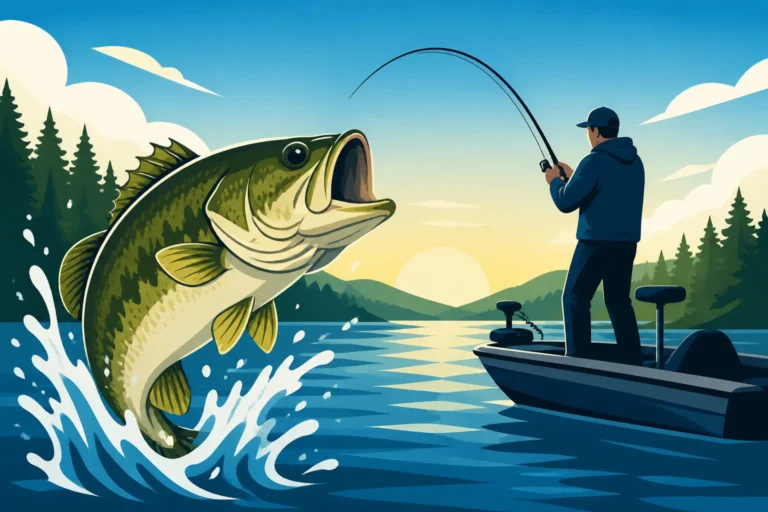
Fish in heavily trafficked areas become wary and accustomed to seeing lures and bait. They learn quickly, becoming harder to fool. In remote spots, however, you're often targeting fish that rarely see a hook. These untouched fisheries can be incredibly productive, holding larger, healthier fish that haven't developed a sophisticated sense of self-preservation against human angling pressure. This isn’t just about the quantity of fish, but the quality of the catch. You're more likely to encounter vibrant, aggressive fish that put up a fantastic fight, providing an exhilarating experience.
Beyond the thrill of a good fight, exploring untapped fisheries also offers the chance to discover unique ecosystems. You might find a hidden pool teeming with native Trout Fishing in Virginia, a slow-moving backwater full of robust Catfish Species Found in Virginia Waters, or a pristine river bend holding exceptional Best Smallmouth Bass Rivers in Virginia. These discoveries are a reward in themselves, adding an element of adventure and exploration to your angling pursuits. It's a treasure hunt, and the reward is not just the fish, but the knowledge of having found something truly special and largely unknown.
Connecting Deeper with Nature
Fishing in remote locations fosters a profound connection with the natural world. Away from the distractions of civilization, your senses become heightened. You notice the intricate patterns of sunlight on the water, the delicate scent of pine and damp earth, the specific calls of birds, and the subtle movements of insects. It's an immersive experience that allows you to observe the ecosystem around you with a deeper appreciation. This solitude provides ample opportunity for introspection, allowing your mind to wander and rejuvenate.
This deeper connection also extends to understanding the environment. You become more attuned to the flow of the water, the changes in the weather, and the behavior of the fish in their natural, undisturbed habitat. This isn't just about catching fish; it's about becoming part of the environment, even if just for a day. It’s a chance to truly unplug, breathe in fresh air, and remember the simple beauty of the world around us. For many anglers, this peaceful communion with nature is the ultimate goal, and remote fishing spots are the perfect vehicle to achieve it.
Navigating the Wilderness: Finding Your Secluded Haven
The beauty of remote fishing is precisely its remoteness, but that also means finding these spots requires a bit more effort than simply pulling up to a popular pier. It's about combining modern tools with old-fashioned exploration and local wisdom to unlock Virginia's hidden angling treasures. Don't be intimidated; the extra legwork is part of the adventure.
Leveraging Topographic Maps and Satellite Imagery
Before you even step out the door, some of the best scouting for remote fishing spots happens right from your computer. Topographic maps, whether physical paper maps from a sporting goods store or digital versions on apps like Gaia GPS or on USGS websites, are invaluable. They show elevation changes, contours, trails, water bodies, and even small creeks that might not appear on standard road maps. Look for areas with minimal road access, steep terrain that discourages casual visitors, or small, isolated ponds and stream sections. The harder it looks to get to, the less likely it is to be crowded.
Coupled with topo maps, satellite imagery (Google Maps, Bing Maps, etc.) provides a bird's-eye view that can confirm what the contours suggest. Zoom in to identify potential access points, visible trails (or lack thereof), areas of dense vegetation, and promising water features like deep bends, submerged structure, or confluence points where two streams meet. You can often spot small, unmapped feeder creeks or isolated coves that could hold fish. Look for features like beaver dams, fallen trees creating structure, or variations in water depth indicated by color changes. For example, a narrow, winding stream might broaden into a hidden pool ideal for Fly Fishing for Trout on Rivers.
Tapping into Local Knowledge and Online Forums
While digital tools are powerful, nothing beats the wisdom of those who know the land intimately. If you have friends or acquaintances who are avid outdoors enthusiasts, especially hunters or hikers, they might be able to point you towards obscure access points or forgotten fishing holes. Sometimes, simply talking to folks at local tackle shops in smaller towns can yield incredible insights. They often have a deep knowledge of the local waterways, even those off the beaten path. Be respectful, share your passion, and you might just get a tip that leads to your next favorite spot.
Online forums and specialized angling groups focused on Virginia fishing can also be a goldmine. While most people won't give up their exact secret spots, you can often glean general areas, types of waterways, or access strategies that might spark your own exploration. Look for discussions about lesser-known public lands, wilderness areas, or multi-use trails that follow rivers. Just remember to use discretion; if a spot starts getting mentioned too frequently online, its "remoteness" might be short-lived! Services like FishingBooker, while primarily for charters, sometimes have guides who specialize in accessing these harder-to-reach, productive areas and can offer valuable insights or even take you there.
Exploring Public Lands and Less-Traveled Access Points
Virginia boasts an incredible array of public lands, including national forests, state forests, wildlife management areas (WMAs), and state parks. Many of these areas contain vast tracts of wilderness with rivers, streams, and lakes that see far less pressure than their more accessible counterparts. While some state parks might have popular fishing piers, many offer extensive shoreline or backcountry access that requires a hike or a paddle. For example, the George Washington and Jefferson National Forests cover a huge portion of western Virginia, with countless miles of wild trout streams and remote sections of rivers.
The key here is looking beyond the obvious. Instead of turning into the main entrance of a WMA, check the property maps for smaller, often unmarked pull-offs or trailheads along the perimeter roads. These less-traveled access points usually lead to more secluded sections of water. Sometimes, a short hike through the woods, or a portage for a kayak, can open up miles of undisturbed fishing territory. Just be sure to check regulations for specific public lands, as some may have restrictions on vehicle access or require special permits beyond your standard Virginia Fishing License Guide. This dedication to exploring the less-trodden path is often what separates a truly remote fishing experience from a merely quiet one.
Virginia's Hidden Gems: Types of Remote Fishing Opportunities
Virginia's diverse geography, from its western mountains to its eastern coastline, offers a incredible range of remote fishing environments. Whether you prefer the rush of cold mountain streams or the quiet solitude of tidal backwaters, there's a secluded spot waiting for you. The trick is knowing what to look for and where these opportunities are most likely to exist.
Wild Mountain Trout Streams
Deep within the George Washington and Jefferson National Forests, and other mountain ranges across Virginia, lie countless wild trout streams. These are pristine, cold-water ecosystems where native brook trout, and sometimes wild brown or rainbow trout, thrive. Unlike stocked trout waters, these streams require a bit more effort to reach, often involving hikes into designated wilderness areas. The fish here are typically smaller, but their vibrant colors and aggressive strikes in crystal-clear water make for an incredibly rewarding experience. You'll often find yourself bushwhacking or navigating rocky terrain, but the solitude is unmatched.
Fishing these wild streams is primarily done with lightweight fly-fishing gear or ultra-light spinning setups with small spinners or jigs. Stealth is paramount, as the water is usually clear and the fish are wary. Look for plunge pools below waterfalls, undercut banks, and current seams around boulders where trout will hold. Popular yet still remote options include some of the tributaries flowing into the upper Jackson River or hidden creeks in the Shenandoah National Park (check park regulations specifically for fishing). Remember that special regulations, including single-hook artificial lures only and catch-and-release, often apply in these sensitive wild trout zones, so always consult the Virginia Fishing Regulations Explained before you go.
Secluded River Sections and Tributaries
While major rivers like the James or Shenandoah are well-known, they also have vast stretches and numerous tributaries that are incredibly remote. Picture a stretch of the upper Fishing the James River in Virginia that's only accessible by a long hike or a challenging paddle, or a smaller feeder creek off the Fishing the Shenandoah River in Virginia that's too shallow for motorboats but perfect for wading. These areas often hold healthy populations of smallmouth bass, rock bass, and various panfish, providing excellent light-tackle action. The currents can vary from gentle riffles to swift runs, offering diverse fishing opportunities.
Accessing these areas often means launching a canoe or kayak far upstream and floating down, or finding a lesser-known public access point that requires a significant walk to the water. Look for sections where the river flows through undeveloped private land or large public forest tracts, as these areas typically have fewer boat ramps and designated access points. The lack of easy road access creates a natural barrier to crowds. You might discover an amazing bend with deep holes perfect for bass, or a quiet eddy where large catfish lie in wait. These stretches provide endless opportunities for Bank Fishing Techniques or wading, offering a truly immersive river experience away from any boat traffic.
Hidden Tidal Creeks and Backwater Ponds
On the eastern side of Virginia, especially along the Chesapeake Bay and its many rivers like the York or Rappahannock, there's a whole different kind of remote fishing: hidden tidal creeks and brackish backwater ponds. These winding waterways are often too shallow or narrow for larger boats, making them perfect for kayaks, canoes, or even wade-fishing at low tide. They are teeming with a variety of saltwater and brackish species, including speckled trout, red drum, flounder, white perch, and even juvenile striped bass. The landscape here is often marshy and wild, creating a unique fishing atmosphere.
Finding these spots typically involves studying nautical charts or satellite imagery to locate small creeks that branch off larger tidal rivers, or ponds that are only intermittently connected to the main flow. Access might involve launching a kayak from a muddy bank or a small, informal pull-off. The key is to time your fishing with the tides, as water levels can dramatically affect accessibility and fish behavior. High tide might allow access deeper into a creek, while low tide can concentrate fish in deeper channels or pools. These areas offer incredible serenity and the chance to target a completely different array of species, far from the bustling marinas and popular fishing piers. For those seeking true solitude and a unique coastal experience, these hidden tidal gems are unparalleled.
Remote Lake Coves and Reservoirs
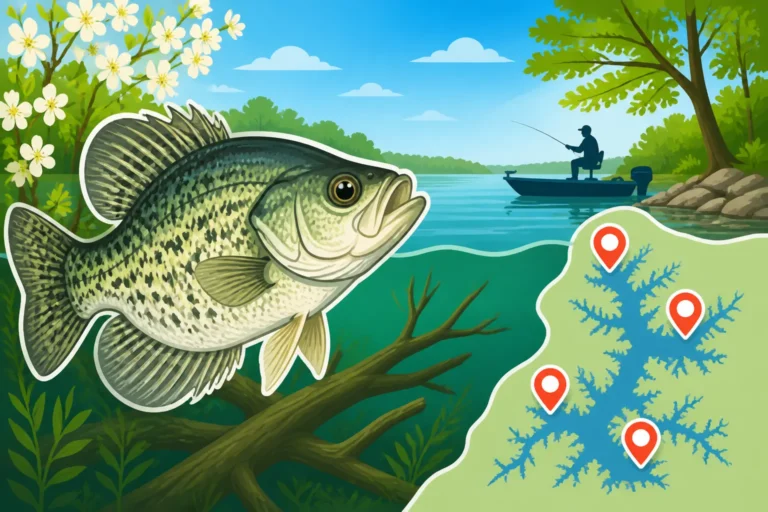
Even on Virginia's larger, more popular lakes and reservoirs, there are always remote coves, arms, or even entire sections that see minimal pressure. Think of the expansive Kerr Lake (Buggs Island Lake) or Lake Anna – while their main bodies can get busy, their extensive shorelines and numerous fingers contain countless pockets that require a long boat ride, a determined paddle, or a significant hike to reach. These areas often feature abundant submerged timber, rock outcroppings, and natural structure that hold largemouth bass, crappie, and catfish that rarely see a lure.
The strategy here is to identify sections of the lake that are furthest from public boat ramps, marinas, or developed areas. Look for lengthy no-wake zones, shallow flats leading into deep timber, or narrow channels that open into wider, secluded coves. A powerful mapping GPS unit is invaluable for navigating these areas, especially if you plan to cover a lot of water by boat. For those without a large fishing boat, a kayak or canoe is ideal for paddling into these quiet corners, allowing you to silently approach fish-holding structure. Remember that while a Virginia Fishing License Requirements for Residents and Nonresidents is always required, some lakes might also have specific launch fees or regulations, so always check before you head out. FishingBooker can sometimes list guides who know these less-traveled parts of larger lakes, offering a shortcut to finding productive, unpressured water.
Equipping for the Expedition: Gear for Remote Fishing
Venturing into remote fishing spots isn't just about packing your usual rod and reel. It requires a thoughtful approach to gear, prioritizing portability, durability, and self-sufficiency. You won't have a tackle shop around the corner, or even cell service in many cases, so preparation is paramount. Think of yourself as an explorer, ready for anything the wilderness throws your way.
Pack Light, Pack Smart: Essential Gear Checklist
When heading to remote fishing spots, every ounce counts, especially if you're hiking a considerable distance. Opt for multi-purpose items and leave anything non-essential at home. Your fishing tackle itself should be streamlined: a single versatile rod and reel combo, a small selection of your most trusted lures and baits, extra line, and basic tools like pliers and clippers. Instead of a bulky tackle box, consider a chest pack or a small backpack with modular organizers. For bait, non-refrigerated options like Berkley Gulp! or artificial worms are excellent choices, or bring a small, durable bait cooler if live bait is essential.
Beyond fishing gear, think survival essentials. A first-aid kit, water filter or purification tablets, high-energy snacks, a knife, a headlamp, and a fire starter are non-negotiables. You should also consider a small emergency shelter like a lightweight tarp or a bivvy bag. The goal is to be prepared for unexpected delays or an overnight stay if necessary. Remember, the further you go off the beaten path, the more self-reliant you need to be. A simple checklist, meticulously adhered to, can make all the difference between a successful adventure and a dangerous situation.
Navigation Tools and Communication Devices
Getting lost in remote Virginia wilderness is not a pleasant thought, so reliable navigation is key. Don’t rely solely on your phone, as cell service can be spotty or non-existent. A dedicated GPS unit (like a Garmin handheld) pre-loaded with detailed topographic maps is a smart investment. Always carry a physical map and a compass as a backup, and know how to use them. Take a navigation course if you're unsure; it's a valuable skill for any outdoor enthusiast. Plot your route in advance, noting landmarks and bail-out points.
For communication, a satellite messenger device (like a Garmin inReach or a Zoleo) is highly recommended. These devices allow you to send and receive text messages, track your location, and, most importantly, send an SOS signal even when you’re far beyond cell tower range. This isn’t just for emergencies for yourself, but also for letting loved ones know you’re safe or if your plans change. A portable power bank for charging your phone (for photos, not navigation) and any electronic devices is also a must. The peace of mind that comes from knowing you can call for help or navigate your way back, no matter how deep you go, is truly priceless.
Proper Apparel and Footwear for Wilderness Exploration
Your clothing and footwear choices are critical for comfort and safety in remote settings. Layering is always the best approach, allowing you to adapt to changing weather conditions. Opt for moisture-wicking synthetic fabrics or wool, which keep you warm even when wet, unlike cotton. Long sleeves and pants offer protection from sun, insects, and abrasive vegetation. Choose neutral colors that blend into the environment. A wide-brimmed hat and sunglasses are essential for sun protection.
Footwear is arguably the most important item. Sturdy, waterproof hiking boots with good ankle support are ideal for navigating uneven terrain, crossing shallow streams, and providing protection from thorns or snakes. If you plan on wading, a pair of quick-drying wading boots or old sneakers with good grip, paired with wool socks, can be comfortable. Always bring an extra pair of socks! Blisters can quickly turn an enjoyable trip into a painful ordeal. Remember, you might be walking miles to reach your fishing spot, and your feet need to be happy and protected every step of the way.
Respecting the Wild: Safety and Ethical Practices
When you venture into Virginia's remote fishing spots, you're entering pristine environments that need our care and respect. It's not just about what you catch, but how you conduct yourself in these untouched spaces. Prioritizing safety and adhering to ethical practices ensures these special places remain wild for generations to come, and that your adventure is a positive one.
Prioritizing Safety and Emergency Preparedness
The beauty of remote fishing comes with inherent risks. You are often far from immediate help, so self-reliance and preparedness are paramount. Always let someone know your detailed itinerary: where you're going, your planned route, when you expect to return, and what your backup plan is. This "float plan" is crucial in case of an emergency. Carry a fully charged cell phone (even if service is limited, it might get a signal in certain spots) and a separate, fully charged satellite communication device.
Beyond navigation and communication, be prepared for potential injuries or unexpected weather. A comprehensive first-aid kit, with items for cuts, blisters, sprains, and insect bites, is essential. Know how to use it! Pack extra food and water, or a reliable water filter, enough for at least an extra day. Be aware of local wildlife, especially venomous snakes and bears. Carry bear spray if appropriate for the area, and know how to use it. A whistle can be used to signal for help. Understanding the potential dangers and taking proactive steps to mitigate them is the cornerstone of safe remote exploration.
Practicing Leave No Trace Principles
The cornerstone of ethical wilderness use is the "Leave No Trace" philosophy. This means minimizing your impact on the environment so that others can enjoy it just as you did. Pack out everything you pack in—including all trash, food scraps, and fishing line. A small trash bag dedicated to this purpose is a simple addition to your gear. Avoid leaving any human waste near water sources; if you must go, dig a small cat hole at least 200 feet from water, trails, and campsites, and bury it.
Stay on designated trails where they exist to prevent erosion and damage to fragile vegetation. If you must go off-trail, spread out to avoid creating new paths. Avoid disturbing wildlife; observe from a distance and never feed animals. Do your part to prevent the spread of invasive species by cleaning your boots, waders, and fishing gear before and after visiting different waterways. These simple actions ensure that the remote beauty you seek remains unspoiled for future anglers and wildlife alike.
Understanding Local Regulations and Wildlife Interactions
Even in the most remote corners of Virginia, regulations apply. Before you embark on your trip, thoroughly research the specific rules for the area you plan to fish. This includes checking catch limits, size restrictions, seasonal closures, and tackle restrictions for the target species, especially for sensitive environments like Wild Trout Stream Rules in Virginia. Ensure you have the proper Virginia Fishing License Guide for the waters you’ll be fishing – freshwater, saltwater, or a combination. The penalties for fishing without a license in Virginia can be significant, even in remote areas where game wardens still patrol.
Be aware of wildlife in your chosen area. Virginia is home to black bears, deer, coyotes, and various bird species. If you encounter a bear, make noise, make yourself look as large as possible, and slowly back away. Never run. Store food properly in bear-resistant containers or hung from trees if camping. Respect private property boundaries, even if they appear remote and unmarked; always seek permission if you believe you might be accessing private land. Being a responsible angler means being informed, respectful, and prepared for interactions with both the environment and its inhabitants.
Planning Your Remote Angling Escape
Successfully tackling remote fishing spots in Virginia is less about luck and more about careful planning. A well-thought-out trip ensures not only a better chance of finding fish but also a safer and more enjoyable experience overall. From understanding fish behavior to logistics, every detail matters.
Researching Fish Species and Seasons
Before you head out, arm yourself with knowledge about the specific fish you hope to catch. Different species inhabit different types of remote waters. For instance, if you're seeking native brook trout, you'll be looking for cold, clear mountain streams. If smallmouth bass is your target, deeper river sections with rocky bottoms and good current are ideal. Research their preferred habitats, feeding patterns, and the best times of year to target them. Consider internal links like Best Crappie Fishing Lakes in Virginia for specific species in certain remote lake coves, or Best Trout Streams in Virginia if you're looking for an upstream mountain adventure.
Understanding the seasonal behavior of your target species is also vital. Bass, for example, will be in different stages of their spawn cycle in spring, moving from deep to shallow and back again. Trout behavior changes with water temperature and insect hatches. Knowing these patterns will help you choose the right lures, baits, and techniques for maximum success. Don't forget to check the specific fishing seasons and regulations for the species and location you are targeting, as these can vary significantly even within Virginia. For saltwater remote spots, knowing the Striped Bass Season and Slot Limit in Virginia can be crucial.
Considering Access and Transportation
Reaching remote fishing spots often means leaving your vehicle behind and relying on leg power, or a specialized watercraft. Consider the distance you’re willing to hike. Will you need to ford streams? Is the terrain rugged or relatively flat? For water access, think about what kind of craft is suitable: a lightweight kayak or canoe might be perfect for shallow rivers or hidden tidal creeks, while a small, easily launched jon boat could access larger remote lake coves. Some of these locations may even require a local guide with specialized knowledge and gear to reach, and a platform like FishingBooker could help you find guides who cater to these unique, off-the-beaten-path experiences.
Always scout your access points beforehand, if possible, or use satellite imagery to get a clear picture. Look for parking opportunities, even if it's just a small pull-off on a gravel road. Be aware of private property boundaries and respect them. If you’re hiking in, ensure your pack is comfortable and evenly weighted for the journey. For float trips, plan your put-in and take-out points, and arrange for a shuttle if needed. The challenges of transportation are often what keep these spots remote, so a solid plan is your key to unlocking them.
Building a Flexible Itinerary
Even the best-laid plans can go awry, especially in the wilderness. Weather can change quickly, trails can be harder than expected, or fish might just not be biting. Build flexibility into your itinerary. Have a backup plan for different weather conditions, or an alternative fishing spot in mind if your primary destination proves inaccessible or unproductive. Don’t overschedule; allow ample time for travel, setup, fishing, and breakdown. Rushing in a remote setting can lead to mistakes or accidents.
Leave detailed notes of your plan with a trusted contact, including estimated arrival and departure times for each leg of your journey. This person can raise an alert if you don’t check in. Be prepared to turn back if conditions become unsafe or if you're running out of daylight. The fish will always be there another day. A successful remote fishing trip isn't just about the catch; it's about the adventure, the experience, and most importantly, making it home safely to tell the tale.
| Remote Fishing Spot Type | Typical Fish Species | Best Access Method | Key Gear Considerations | Pros | Cons |
|---|---|---|---|---|---|
| Wild Mountain Streams | Brook, Rainbow, Brown Trout | Hike, Wade | Lightweight fly/spin gear, Hiking boots, First-aid, Water filter | Pristine, Solitude, Beautiful views | Difficult access, Small fish, Cold water |
| Secluded River Sections | Smallmouth Bass, Rock Bass, Catfish, Panfish | Hike, Kayak/Canoe, Wade | Versatile rod/reel, Durable footwear, Map/GPS | Variety of fish, Good fighting fish, Scenic | Strong currents, Requires shuttle for floats |
| Hidden Tidal Creeks | Speckled Trout, Red Drum, Flounder, White Perch | Kayak/Canoe, Wade (low tide) | Tide charts, Shallow-draft craft, Insect repellent | Unique species, Serene marsh environment | Tides dictate fishing, Muddy access, Mosquitoes |
| Remote Lake Coves | Largemouth Bass, Crappie, Catfish, Sunfish | Boat (small motor or paddle), Hike | Lake maps, Fish finder (optional), Stronger tackle | Larger fish potential, Diverse habitat | Can still be boat noise, Requires more gear to access |
Disclaimer
The information provided in this guide is for general informational purposes only. While we strive to offer accurate and up-to-date advice, fishing conditions, regulations, and access points in Virginia can change frequently. Always consult the official Virginia Department of Wildlife Resources (DWR) website or local authorities for the most current regulations, licensing requirements, and area-specific rules before planning any fishing trip. Fishing in remote areas carries inherent risks, and proper planning, safety measures, and respect for nature are essential. The author and publisher are not responsible for any accidents, injuries, or legal infractions incurred while using this information. Fish responsibly and safely.