Best Fall Rockfish Run Spots on the Chesapeake Bay
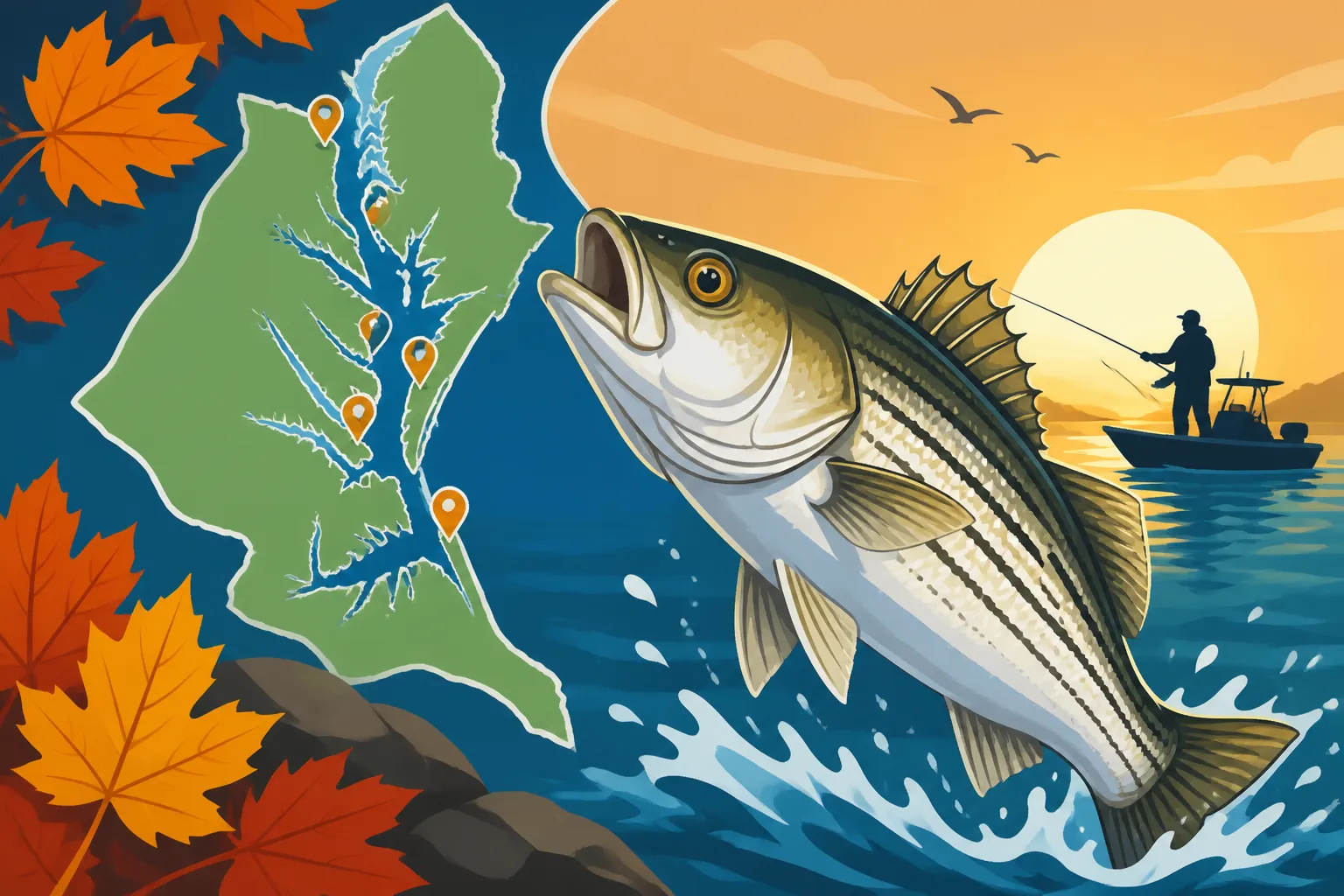
There's nothing quite like the crisp air of autumn, but for anglers in Virginia, fall means one thing above all else: the phenomenal rockfish run in the Chesapeake Bay. It's a time of intense action, as these powerful fish migrate south, feeding voraciously along the way. However, with such a vast body of water, knowing exactly where to target these migrating giants can feel like searching for a needle in a haystack, leading to frustration for many. This guide is here to unravel that mystery, pinpointing the very best spots on the Chesapeake Bay where you'll have the highest chances of hooking into a trophy striped bass (or "rockfish," as we affectionately call them here) during this spectacular seasonal event.
Understanding the Fall Rockfish Run in Chesapeake Bay
The fall rockfish run isn't just a phenomenon; it's a strategic migration driven by biology, weather, and the relentless pursuit of food. Understanding these underlying factors is absolutely crucial if you want to be in the right place at the right time. It's not enough to simply know a spot; you need to understand why it's a good spot when the temperatures drop and the baitfish gather.
The Dynamics of the Autumn Migration
As summer wanes and the days shorten, the Chesapeake Bay's striped bass populations, having spent the warmer months spread out in cooler, deeper waters or further north, begin to feel the urge to move. This isn't just a leisurely cruise; it's a dedicated journey south, driven by their spawning instincts and the availability of their primary food source. The main body of striped bass that spawn in the Chesapeake Bay often move out to the Atlantic Ocean after spawning in the spring, and then return or are joined by fish migrating down the coast from northern waters. These fish are generally headed for their overwintering grounds or staging areas before they make their way back into the spawning rivers in the spring.
This southbound migration turns the entire Bay into a feeding frenzy. Rockfish are opportunists, and as countless schools of baitfish—like menhaden, alewives, and anchovies—also begin their own migrations out of the Bay and into the ocean, the rockfish follow suit, creating a gauntlet of epic proportions for both predator and angler. It's a high-energy period where the fish are aggressively feeding to build up fat reserves for the colder months and the upcoming spawning season. The sheer volume of fish moving through can be astounding, making it one of the most exciting times to be on the water.
Key Environmental Factors for Locating Fish
While the general direction of the run is south, where precisely the fish congregate along that path is heavily influenced by a few key environmental factors. The most significant of these is water temperature. As the Bay cools, rockfish prefer certain temperature ranges, which dictate their depth and location. Cooler temperatures, usually in the low 60s down to the mid-40s Fahrenheit, really get them active. Another critical factor is bait concentration. Rockfish will follow the bait, so finding schools of bunker (menhaden) or other forage fish on your sonar is often the quickest way to locate the stripers. Look for congregations of bait, especially in deeper channels, near structure, or at the mouths of rivers where baitfish are flushing out.
Tides and current are also paramount. Strong currents can stack baitfish against underwater structures, making them easy targets for waiting rockfish. Fishing around the change of tides, especially the hour before and after a slack tide, can be incredibly productive. These periods often see increased feeding activity as the currents shift and disorient bait. Finally, weather patterns play a role. A series of cold fronts can accelerate the migration, pushing fish south faster, while sustained warm spells might slow things down. Watching bird activity is also a huge visual cue – diving gulls and terns are almost always indicators of baitfish being pushed to the surface by feeding stripers below.
Typical Fall Run Timing and Peak Windows
The fall rockfish run in the Chesapeake Bay typically kicks off in earnest around late October and can last well into December, sometimes even into early January, depending on how quickly the water temperatures drop. The sweet spot, the peak window when the action is truly legendary, usually falls between mid-November and early December. This is when the largest schools of migratory fish are actively moving through the mid and lower Bay.
However, it's important to remember that this isn't a precise calendar event. Every year is a little different, influenced by the specific weather patterns, water temperatures, and bait movements. Early in the run, you might find more localized feeding frenzies further north in the Bay, often involving smaller to medium-sized fish. As November progresses, larger migratory fish from up the coast join the parade, and the action shifts more towards the middle and southern portions of the Bay. To stay ahead of the game, keeping an eye on local fishing reports, checking water temperature charts, and even consulting with local bait shops or charter captains can provide invaluable, real-time insights into the current movements of the fish. These windows are when you want to plan your trips, especially if you're targeting those bigger, ocean-run stripers.
Prime Northern Bay Rockfish Havens
While the entire Chesapeake Bay can light up during the fall run, certain areas in the northern and mid-Bay consistently produce fantastic results. These are often choke points, deep channels, or significant river mouths where baitfish naturally congregate and migrating stripers lie in wait. Knowing these specific locations can save you a lot of time and fuel, putting you right on top of the action.
The Potomac River Mouth and Surrounding Waters
The mouth of the Potomac River is a legendary hotspot during the fall rockfish run, and for good reason. This massive estuary drains a huge area and serves as a major migration corridor for baitfish moving out of its waters and into the main stem of the Chesapeake Bay. Striped bass, sensing this abundance, stage at the confluence, ambushing schools of menhaden, herring, and other forage as they attempt to exit. The deeper channels and abrupt depth changes around Point Lookout and Smith Point are particularly productive. These areas create natural current breaks and ambush points that stripers absolutely love.
Anglers often target the main channel of the Potomac River as it meets the Bay, looking for diving birds and surface activity. Trolling with large swimbaits, umbrella rigs, or mojos dressed with large shad bodies can be incredibly effective here, especially when targeting larger fish holding deeper in the water column. Jigging with heavy spoons or soft plastics can also produce excellent results when you mark dense schools of fish on your sonar. The area around Cornfield Harbor and the shallow flats off the Eastern Shore, just south of the Potomac, can also hold good numbers of fish, especially on warmer days when bait pushes into shallower water. Don't forget to check the specific Virginia fishing regulations for this area, as there can be nuances depending on whether you're in Virginia or Maryland waters.
Tangier Sound and Pocomoke Sound Approaches
Further east, on the Virginia side of the Bay, Tangier Sound and Pocomoke Sound offer some truly unique and often less-pressured opportunities for fall rockfish. While not as deep as the main Bay channels, these expansive, shallower sounds are rich in baitfish and provide excellent feeding grounds for stripers. As the Bay water cools, menhaden and other baitfish often stage within these sounds before making their final push out into the deeper Bay and ocean. The many oyster reefs, scattered wrecks, and marsh edges within these sounds provide ideal ambush points.
Fishing the entrances and exits of these sounds, especially around the deeper channels and cuts, can be incredibly productive. Areas like Tangier Island and the channels leading into it, or the mouths of the many creeks and rivers feeding into the Pocomoke Sound, are prime locations. Unlike the main Bay where trolling is king, jigging and casting artificial lures or live bait can be very effective here. Soft plastic paddle tails, topwater plugs during low light, and suspending jerkbaits can all elicit aggressive strikes. Due to the shallower nature, these areas can cool down faster, so early to mid-November might be the sweet spot here before the main body of fish move further south. It's a great choice for those who prefer light tackle and a more active fishing style.
Eastern Shore Barrier Islands and Inlets
As the fall run progresses and stripers continue their journey south towards the Atlantic, the barrier islands and inlets along Virginia's Eastern Shore become critical waypoints. These dynamic environments, where the Bay meets the ocean, are teeming with life and serve as a highway for migrating fish. Inlets like Wachapreague, Quinby, and Machipongo, while often associated with flounder or red drum fishing, can also hold substantial numbers of striped bass during the fall run, especially as fish move between the Bay and the nearshore ocean waters.
The surf zones and immediately outside these inlets can be outstanding, particularly during strong outgoing tides that flush baitfish out. Anglers fishing from boats will often position themselves at the mouths of these inlets, casting large poppers, swimbaits, or even chunking bait. Surf casters can have incredible success here too, using large plugs, bucktails, or cut bait to target stripers feeding in the wash. The shoals and deeper channels just off these islands, such as those around Mockhorn Island or the Fisherman's Island area, also become prime locations as the larger, ocean-migratory striped bass move past. These are often the spots where you'll encounter truly massive, "trophy" sized rockfish that are on their way to or from the offshore grounds. Always pay close attention to the tide charts, as the current can be incredibly strong in these inlet areas.
Southern Bay Hotspots for Autumn Stripers
While the northern and mid-Bay offer fantastic opportunities, the southern end of the Chesapeake Bay, particularly as it merges with the Atlantic Ocean, becomes a truly epicenter of activity during the peak of the fall rockfish run. This region acts as a funnel, concentrating vast schools of stripers and baitfish into a relatively smaller area, often leading to spectacular fishing.
The Chesapeake Bay Bridge-Tunnel CBBT Complex
There is arguably no more iconic or productive spot for fall rockfish in Virginia than the magnificent Chesapeake Bay Bridge-Tunnel (CBBT) complex. This 17-mile marvel of engineering acts as a massive artificial reef, creating a labyrinth of structure, current breaks, and deep water that provides perfect ambush points for striped bass. As fish migrate south out of the Bay, they funnel directly through and around the CBBT, often pausing to feed on the abundant baitfish that also seek refuge and food around its pilings, islands, and tunnels.
The CBBT offers a variety of fishing scenarios. Anglers can troll large bucktails, swimbaits, or liveline menhaden around the pilings and bridge sections. Jigging with heavy metal jigs or large soft plastics (like the popular 6-inch to 9-inch Storm swim shads or Z-Man HeroZ) near the bridge structure and tunnel tubes is incredibly effective, especially when you mark fish on your sonar. The islands of the CBBT, particularly around the Fourth Island and the High Rise Bridge, are known for holding big schools of stripers. Remember that the current can be extremely strong around the CBBT, so heavy tackle is often necessary to get your bait or lure down to the fish. When the bite is on, you might see charter boats from FishingBooker all along the bridge, showcasing the prime nature of this location. The slot limit for striped bass in Virginia is 28 to 31 inches, and you can only keep one fish per person, so ensure you're familiar with all the current rules before you head out. This area is also popular for anglers targeting trophy "rockfish," especially as the larger migratory fish pass through.
| CBBT Spot | Primary Technique | Target Depth | Best Conditions |
|---|---|---|---|
| Bridge Pilings | Jigging, Live Bait | Mid-Column to Bottom | Strong Current, Low Light |
| Tunnel Tubes | Trolling, Jigging | Deep (20-40 ft) | Slack Tide Transition |
| Fourth Island | Casting, Live Bait | Surface to Mid-Column | Baitfish Blitzes, Birds |
| High Rise Span | Trolling, Jigging | Mid-Column | Moving Tide |
Hampton Roads and the James River Mouth
Just inside the mouth of the Chesapeake Bay, the vast expanse of Hampton Roads and the confluence of the James River become a major staging area for striped bass during the fall run. The James River, another significant spawning ground, flushes out tremendous amounts of baitfish as the water cools, drawing stripers into its mouth and the surrounding deep channels. The deep waters of the Hampton Roads harbor, along with the numerous wrecks and artificial reefs, offer excellent structure for fish to congregate.
Anglers often focus on the main shipping channels, particularly where they intersect with the James River. The Monitor-Merrimac Memorial Bridge-Tunnel (MMMBT) and the Hampton Roads Bridge-Tunnel (HRBT) also provide similar structure to the CBBT, albeit on a smaller scale, and can hold good numbers of fish. Trolling is a popular method here, especially pulling large plugs or umbrella rigs. Jigging around known wrecks or deep humps can also be very productive. Look for signs of baitfish and bird activity, especially around the Norfolk Naval Station and the deeper cuts near Old Point Comfort. This area can be heavily trafficked by commercial vessels, so situational awareness is key. For more in-depth information, check out our guide on Chesapeake Bay Striped Bass Fishing Guide.
Oceanfront and Nearshore Virginia Beach Areas
As the fall run progresses into late November and December, and water temperatures continue to drop, many striped bass exit the Bay entirely and move into the nearshore ocean waters off Virginia Beach. These fish are often larger, ocean-migratory stripers, heading south along the coastline. This provides fantastic opportunities for anglers willing to venture out into the Atlantic. The transition zones where the Bay meets the ocean, particularly around Cape Henry and Rudee Inlet, are prime areas.
Boat anglers will often troll large Mojos, umbrella rigs, or surgical tube lures just outside the Bay mouth and along the Virginia Beach coastline. Watch for bait schools and bird activity, as rockfish will push bait to the surface, creating spectacular feeding frenzies. Jigging over inshore wrecks and reefs can also produce excellent results for those targeting fish holding deeper. Surf anglers also get in on the action, casting large metal lures, bucktails, or cut bait from the beaches and piers of Virginia Beach. Popular spots include the Virginia Beach Fishing Pier and the beaches north and south of Rudee Inlet. Remember that when fishing in the ocean, rules can sometimes differ slightly from inside the Bay, so always confirm the latest Virginia Fishing Regulations Explained for striped bass. Many experienced anglers will book a charter through platforms like FishingBooker to target these specific nearshore ocean opportunities, as captains have the experience and equipment to find these elusive schools.
Tactics and Tips for Success During the Fall Run
Finding the right spot is half the battle; the other half is knowing how to effectively present your offerings and navigate the unique challenges of the fall rockfish run. These fish are actively feeding, but they can also be pressured, so having a few tricks up your sleeve can make all the difference between a good day and a truly epic one.
Effective Lures and Live Bait Strategies
When the rockfish are on the move and feeding aggressively, they'll hit a wide variety of offerings, but some stand out as consistent producers. For artificial lures, big soft plastic swimbaits are absolute killers. Brands like Hogy, Tsunami, and Z-Man make excellent paddle tails that imitate menhaden and herring, ranging from 6 to 10 inches. They can be jigged vertically in deeper water or cast to busting fish. Heavy metal jigs, like Stingsilvers or diamond jigs, are also excellent for reaching deeper schools, especially around bridge pilings or wrecks. Bucktails, dressed with a soft plastic trailer or a strip of pork rind, are a classic and remain incredibly effective, particularly when jigged around structure or trolled.
Trolling is a cornerstone technique during the fall run, especially for covering vast areas of the Bay. Umbrella rigs, surgical tubes, and large plugs (like Mann's Stretch series) are trolled at varying depths and speeds to cover the water column. For those targeting trophy fish, the big "mojo" rigs (a heavy lead-headed bucktail often paired with a large soft plastic body) are incredibly popular, fished on wire line or with heavy braid to get them deep. When it comes to live bait, nothing beats fresh menhaden (bunker) if you can get them. Livelining a frisky menhaden near bridge pilings or around bait schools is often irresistible to a hungry striper. Chunking fresh cut bait on the bottom can also produce results, particularly at anchor in known feeding zones. Always have a variety of options ready, as what works one day might not work the next. Consider bringing multiple rod setups for different techniques, ensuring you're ready for any scenario.
Navigating Crowded Waters and Reading the Birds
The fall rockfish run is no secret, and some of the best spots, especially the CBBT or areas with active bird play, can become incredibly crowded. Navigating these waters safely and effectively requires patience, courtesy, and a keen eye. Always maintain a safe distance from other boats, especially when trolling or casting. If you see a boat hooked up, give them plenty of room to fight their fish. Remember, everyone is out there to have a good time. One way to avoid the densest crowds is to consider fishing during weekdays or very early mornings/late evenings on weekends.
Learning to read the birds is perhaps the most crucial skill for locating active fish during the fall run. Gulls, terns, and gannets circling and diving are a dead giveaway that baitfish are being pushed to the surface by feeding stripers below. A few birds casually picking at the surface might indicate smaller fish or less intense feeding, but a flock of birds aggressively dive-bombing the water means a full-blown "rockfish blitz" is underway. When you see this, approach cautiously from upwind or upcurrent, cut your engine well away from the commotion, and drift into casting range. Avoid running right into the middle of the feeding frenzy, as this can spook the fish and scatter the bait. Pay attention to the type of birds too; larger gannets diving from high up often indicate bigger bait (and thus potentially bigger stripers) below. This is prime time for casting topwater plugs or large soft plastic swimbaits. Sometimes, a charter service on FishingBooker will find these groups of birds and know how to safely navigate the frenzy, offering a distinct advantage. If you're looking for Virginia's Top Striped Bass Fishing Spots, bird activity is often the best real-time indicator.
Planning Your Fall Striper Expedition
A successful fall striper trip requires more than just knowing a few spots; it demands careful planning. First and foremost, you'll need a valid Virginia Fishing License Guide. Double-check the current regulations for striped bass, as the Virginia Striped Bass Season and Slot Limit Guide can have specific dates and size limits (28-31 inches, one fish per person is the current general rule, but always verify).
Consider the weather forecast meticulously. While a crisp fall day is ideal, strong winds can make Bay fishing miserable, if not dangerous. Plan for layered clothing, as temperatures can change drastically throughout the day. Pack plenty of water, snacks, and a good cooler with ice for your catch. Ensure your boat is in top shape, with all safety equipment, navigation tools (GPS and sonar are invaluable for finding structure and bait), and enough fuel for your journey. If you're planning a trip from out of town, consider booking lodging near prime fishing access points like those around Virginia Beach or the lower Eastern Shore. For a hassle-free experience, especially if you're unfamiliar with the area or don't have a boat, consider booking a charter. Many excellent captains specialize in fall rockfish and can be found on platforms like FishingBooker. They provide all the gear, know the local spots, and can significantly increase your chances of success. Finally, always let someone know your float plan, especially when venturing out into the vast Chesapeake Bay during the cooler months. Being prepared means you can focus on the thrilling chase of these incredible fish.
Disclaimer
Please note that fishing regulations, seasons, and limits are subject to change. Always consult the latest official Virginia Department of Wildlife Resources (DWR) regulations before heading out on the water. This guide provides general information and recommendations, but it is the angler's responsibility to adhere to all current laws.