Kerr Lake vs Claytor Lake: Which Has Better Crappie Fishing?
Oh, the age-old question that keeps many a Virginia angler up at night: which lake holds the crown for crappie fishing – Kerr Lake or Claytor Lake? It's a real dilemma, isn't it? You hear whispers of monster slabs from one, and tales of endless limits from the other. Deciding where to spend your precious fishing time and hard-earned gas money can feel like a high-stakes gamble. This guide is here to cut through the confusion, offering a deep dive into what makes each of these iconic Virginia lakes a unique crappie destination, helping you choose the perfect spot for your next papermouth adventure.
Understanding Kerr Lake's Crappie Fishing Potential
Kerr Lake, also widely known as Buggs Island Lake, is a behemoth, straddling the Virginia-North Carolina border. It's a place where crappie thrive, thanks to its immense size and incredibly diverse underwater landscape.
Size and Structure: Why Kerr Lake is a Crappie Haven
When you talk about Kerr Lake, you're talking about a massive body of water—over 50,000 acres, to be exact, with more than 800 miles of shoreline. That's a lot of real estate for crappie to hide and grow! What makes Kerr truly special for crappie isn't just its size, but the sheer abundance of fish-holding structure. This lake is famous for its vast expanses of standing timber, particularly in the upper reaches of its tributary arms like the Staunton and Dan rivers. Imagine entire underwater forests where crappie can school up, ambush baitfish, and find refuge.
Beyond the standing timber, Kerr Lake boasts countless natural and man-made brush piles. Local anglers and the Virginia Department of Wildlife Resources (DWR) have strategically placed many of these to enhance crappie habitat. These submerged havens act like apartment complexes for crappie, offering shelter, feeding opportunities, and spawning grounds. The lake's fluctuating water levels, while sometimes challenging, also create new temporary structures and inundate shoreline vegetation, providing fresh cover for crappie, especially during the spring spawn. The rich, nutrient-filled waters of Kerr support an incredible forage base, meaning there's always plenty for crappie to eat, leading to healthy, robust populations.
Prime Seasons and Techniques for Kerr Lake Crappie
Crappie fishing on Kerr Lake is a year-round affair, but certain seasons truly shine. Spring is arguably the most popular time, particularly from March through May, as the crappie move into shallower coves and creeks for their annual spawn. During this period, you'll find anglers targeting depths of 2-10 feet, often around newly submerged brush, fallen trees, and bridge pilings. Techniques like tight-lining small jigs or fishing live minnows under a bobber are incredibly effective. You'll want to explore areas like Grassy Creek, Eastland Creek, and the numerous smaller pockets off the main lake, as these are often prime spots for the spring bite. If you're looking to really dial in your spring strategy, check out more on Where to Catch Crappie on Kerr Lake in Spring.
As summer heats up, crappie retreat to deeper, cooler waters, often suspending over brush piles or congregating around the standing timber in 15-30 feet of water. Trolling small crankbaits or spider rigging (using multiple long rods to cover a wide area with jigs or minnows at different depths) becomes the go-to method. Fall brings another fantastic bite as water temperatures cool, and crappie begin to school up again, often returning to similar depths and structures they occupied in the spring, though sometimes slightly deeper. Winter can be tough, but if you're willing to brave the cold, crappie can be found deep over brush and timber, requiring vertical jigging techniques.
Targeting Crappie Hotspots on Kerr Lake
Given its immense size, knowing where to start on Kerr Lake can be overwhelming. The key is to focus on areas that offer a combination of cover, forage, and ideal water conditions. The creek arms, particularly those on the Virginia side like Nutbush Creek, Bluestone Creek, and Grassy Creek, are consistently productive. Look for areas with dense standing timber, especially where there's a channel swing or a distinct drop-off nearby. Brush piles are crappie magnets; many are marked by local knowledge or can be found using good sonar. Many anglers also find success around bridge crossings, as the pilings provide vertical structure and often collect debris, creating excellent habitat.
Don't overlook the main lake points that extend into the deeper water, especially in the fall when crappie begin to move from the creek backs. Keep an eye on water temperature and clarity, as these factors will heavily influence crappie location. The DWR and local tackle shops often have maps or reports indicating recent stockings or where anglers have been finding success. If you're not familiar with the lake, considering a guided trip can fast-track your learning curve and put you on fish quickly. It's a massive lake, and a little local insight can go a long way in finding the best crappie hotspots.
Exploring Claytor Lake's Crappie Fishing Opportunities
Shifting gears to the southwestern part of the state, Claytor Lake offers a completely different, yet equally rewarding, crappie fishing experience. This deep, clear reservoir in Pulaski County has its own unique charm and challenges.
The Unique Environment of Claytor Lake for Crappie
Claytor Lake is a much smaller body of water compared to Kerr, spanning about 4,500 acres. It's a hydroelectric impoundment on the New River, characterized by its greater depth, steep rocky banks, and often clearer water. Unlike Kerr's extensive standing timber, Claytor's structure primarily consists of ledges, rock piles, submerged humps, and abundant man-made fish attractors like docks, brush piles, and Christmas tree reefs placed by anglers and the DWR. The clearer water conditions can make crappie a bit warier, often necessitating lighter lines and more subtle presentations.
The crappie in Claytor Lake tend to relate more to these vertical structures and depth changes. They use the steep drop-offs and ledges to ambush baitfish, and the countless docks provide excellent overhead cover and shade, especially during bright sunny days. While the numbers might not always rival Kerr's, Claytor is known for producing some seriously chunky crappie, making it a favorite for those chasing quality over quantity. The lake's robust forage base of alewife and gizzard shad keeps these crappie well-fed and growing. This unique environment demands a slightly different approach than the sprawling, timber-filled waters of Kerr. For more detailed insights, a comprehensive Claytor Lake Fishing Spots and Tips guide can be a game-changer.
Top Seasons and Effective Methods for Claytor Lake Crappie
Much like Kerr, spring is prime time on Claytor Lake. As water temperatures climb into the 50s and 60s, crappie move into shallower coves, around docks, and against riprap shorelines to spawn. Depths of 5-15 feet are common targets. Anglers will often cast small tube jigs, grub tails, or minnows to these visible structures. Vertical jigging alongside dock pilings or submerged brush is a highly effective technique. The key here is often stealth and precision, as the clearer water means crappie might spook more easily.
During the warmer summer months, crappie on Claytor will suspend over deeper brush piles, humps, and ledges, often correlating with the lake's thermocline (the layer where water temperature changes rapidly with depth). Techniques like spider rigging with live minnows or small jigs, or simply vertical jigging over marked schools of fish, work well. Fall sees a resurgence in activity as crappie again become more aggressive, feeding heavily in preparation for winter. They'll often be found in medium depths (15-25 feet) around brush and secondary points. In winter, crappie typically school up in deep water, often 25-40 feet or more, near significant structure. This is when patience and precise vertical jigging with small baits pay off. For specific strategies on how to target crappie in the colder months, understanding How Deep Do Crappie Go in Winter is crucial.
Finding Crappie on Claytor Lake's Varied Terrain
Locating crappie on Claytor Lake involves a bit of detective work, often relying heavily on good electronics. Start by exploring the numerous docks scattered around the lake; many anglers place brush piles directly under or near their docks, creating ideal crappie magnets. The DWR has also placed fish attractors throughout the lake, and their locations are often available online. Beyond docks, look for submerged humps, particularly those with brush or timber on top. The main lake points and steep rocky banks that drop quickly into deep water can also hold fish, especially during transition seasons.
Bridge pilings, like those on Route 100, are another excellent vertical structure. The deeper creeks, though not as numerous as in Kerr, also provide good crappie habitat. With Claytor's clearer water, paying attention to light conditions is essential. Crappie might be deeper on bright, sunny days, and shallower on overcast days or during dawn and dusk. Don't be afraid to experiment with different depths and retrieve speeds until you pinpoint their mood. Many anglers find immense value in engaging a local guide through platforms like FishingBooker to quickly learn the nuances of Claytor's unique crappie fishery.
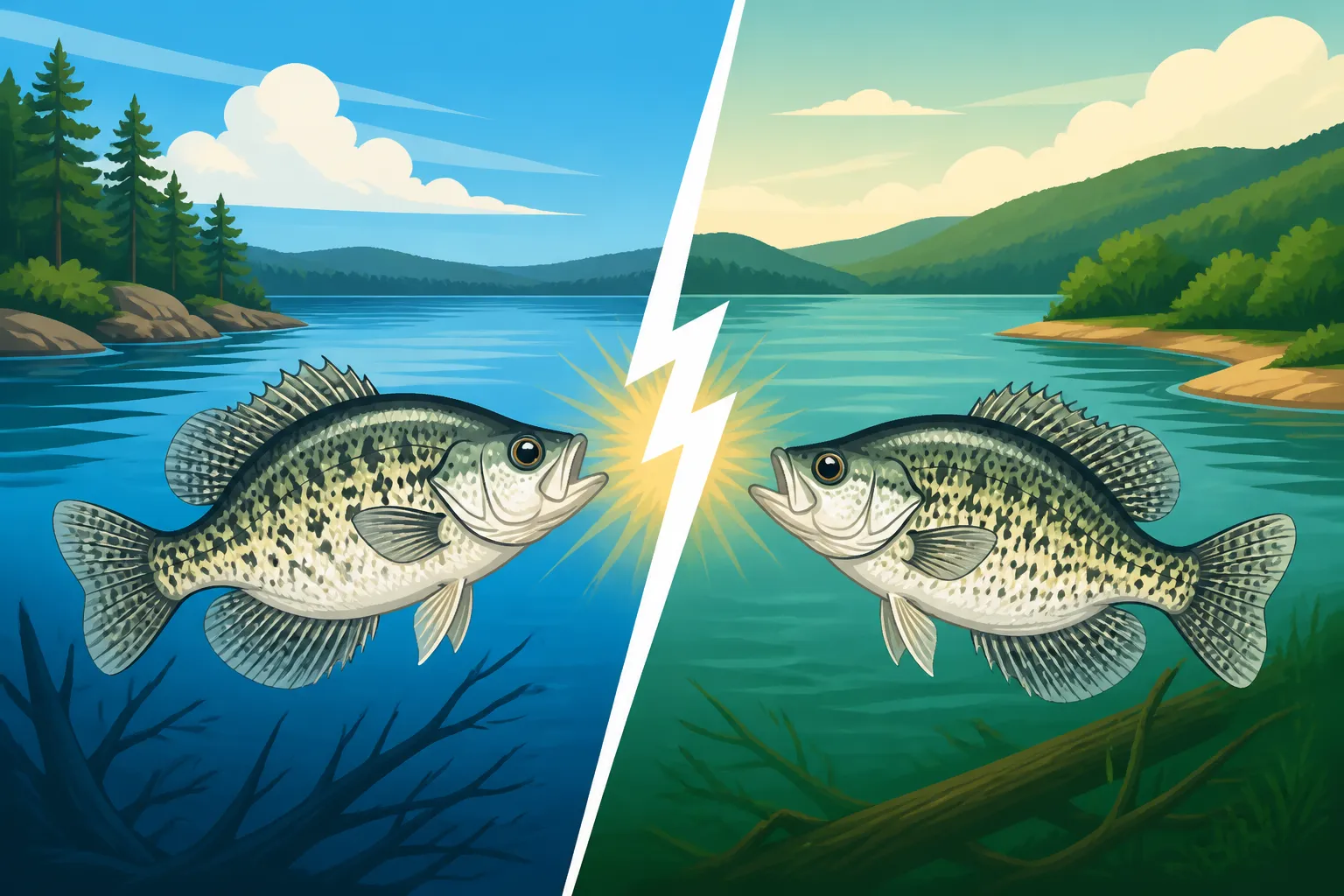
A Head-to-Head Crappie Showdown: Kerr vs. Claytor
So, which lake truly offers the "better" crappie fishing? The honest answer is, it depends on what you're looking for in your crappie adventure. Both lakes are phenomenal in their own right, but they offer distinct experiences.
Comparing Crappie Size and Numbers
When it comes to sheer numbers of crappie, Kerr Lake often takes the lead. Its vastness, extensive standing timber, and abundant shallow-water habitat mean that crappie populations can explode, particularly with white crappie dominating the catch. Anglers often report catching high numbers of fish, making it a fantastic destination if you're aiming for a full cooler of panfish. The average size on Kerr might lean towards the 9-11 inch range, but plenty of 12-14 inch slabs are caught regularly.
Claytor Lake, on the other hand, is frequently cited for its trophy potential. While you might not catch as many crappie as quickly as on Kerr, the fish you do hook on Claytor often run larger, with 13-15 inch crappie being more common, and true slab crappie (15+ inches) making regular appearances. Both black and white crappie are present in both lakes, but Claytor's clearer, deeper waters and different forage base seem to foster conditions where individual fish can grow to impressive sizes. If you're pondering the culinary aspects, some anglers even suggest subtle differences in flavor between the two species, a topic explored further in Black Crappie vs White Crappie: Which Tastes Better?.
Accessibility and Angler Experience
Accessibility is another factor to consider. Kerr Lake, being a large federal reservoir, has numerous public boat ramps scattered across its Virginia and North Carolina sections, offering easy access for various vessel sizes. Its sprawling nature also means that even on busy weekends, it's often possible to find quieter coves away from the crowds. It's a great lake for both bank anglers and those with boats, offering diverse opportunities. Its sheer size, however, can be intimidating for newcomers without a GPS or intimate knowledge of its channels and timber lines.
Claytor Lake, while smaller, also has excellent public access points, including those within Claytor Lake State Park. Its more compact size can make it feel less overwhelming for new anglers, though finding the prime, deeper crappie-holding structures often requires a good fish finder. Claytor also offers excellent pier fishing opportunities, making it very family-friendly and accessible for those without a boat. The fishing pressure on both lakes can be significant, especially during peak spring crappie season, but the vastness of Kerr often allows for more dispersion of anglers.
Ultimately, if you're a numbers angler who loves the challenge of navigating vast timber fields and wants a high likelihood of filling a cooler, Kerr Lake might be your preferred destination. If you're seeking to chase larger, trophy-sized crappie and enjoy fishing clearer, deeper waters around docks and ledges, Claytor Lake could be your personal paradise. Either way, you're in for some fantastic crappie action in Virginia. For beginners looking to get started, you'll find some great tips in Virginia Crappie Fishing Tips for Beginners.
Best Lake for Specific Crappie Fishing Goals
Let's distill it down even further. If your primary goal is quantity and a high catch rate, especially for a fish fry with friends and family, Kerr Lake likely holds the edge. Its expansive, shallow-water spawning grounds and abundant structure often lead to prolific catches, particularly during the spring. You can often find large schools of hungry crappie, making it possible to put together a limit relatively quickly once you locate them.
However, if your ambition is to land a trophy-sized crappie, one that might even earn you a spot on a local bragging board, then Claytor Lake might be where you want to focus your efforts. While the bites may be fewer, the average size of the crappie here tends to be larger. The challenge of enticing these bigger, often warier fish in clearer water can be incredibly rewarding for experienced anglers looking for that next personal best.
For bank anglers or those preferring shore access, both lakes offer options, but Claytor's state park and numerous public docks might provide a slightly more straightforward experience for crappie specific shore fishing. For kayak or small boat anglers, both are excellent, but Kerr's countless small coves are perfect for exploring quietly. When planning your trip, consider what truly drives your passion for crappie fishing. Are you all about the action, or the pursuit of that one giant slab? Your answer will point you toward the right lake. The best time of year to hit either of these crappie hotspots can be found by consulting a guide like Best Time of Year for Crappie Fishing in Virginia.
Planning Your Crappie Trip to Virginia's Lakes
Regardless of whether you choose Kerr Lake or Claytor Lake, a successful crappie trip requires a bit of planning, the right gear, and an understanding of the rules.
Essential Gear and Bait Recommendations
Crappie fishing doesn't require a huge investment in tackle, but having the right setup can make a world of difference. For rods, a light to medium-light spinning rod, around 6 to 7 feet in length, with a fast action tip is ideal. This allows for sensitive bite detection while still having enough backbone to handle a good-sized crappie. Pair it with a small spinning reel spooled with 4-6 pound monofilament or fluorocarbon line. The lighter line is less visible in clearer water (like Claytor) and allows for better bait presentation.
When it comes to baits, minnows are king for crappie. Live minnows, often hooked through the lip or back, are incredibly effective, especially when fished under a small bobber or tight-lined. For artificials, small jigs (1/16 to 1/8 ounce) with soft plastic bodies (tube jigs, grub tails, tiny shad imitations) are indispensable. Colors like chartreuse, white, pink, and combinations of these are perennial favorites. If you want to dive deeper into lure choices, check out Best Jig Colors for Crappie Fishing. Small crankbaits and spinnerbaits can also be effective, particularly when trolling for suspended crappie. Don't forget a landing net, a pair of pliers for hook removal, and a cooler to keep your catch fresh!
Licensing and Regulations You Need to Know
Before you even cast a line, ensure you have the proper Virginia fishing license. It's a non-negotiable requirement for all anglers 16 years of age and older. For freshwater lakes like Kerr and Claytor, you'll need a freshwater fishing license. If you're fishing on Kerr Lake, which straddles the North Carolina border, be aware that you'll need either a Virginia or a North Carolina fishing license, as reciprocity agreements are often in place for border waters. However, it's always best to double-check the latest regulations as they can change.
Beyond the license, familiarize yourself with the crappie specific regulations for the lake you plan to visit. This includes daily creel limits (how many fish you can keep per day) and minimum size limits. These regulations are in place to protect fish populations and ensure healthy fisheries for years to come. You can find all the up-to-date information on the Virginia Department of Wildlife Resources (DWR) website. A great resource to get started is the Virginia Fishing License Guide or the more general Virginia's Fishing Rules Every Angler Should Know. Don't risk a fine; always verify your license and the local rules before heading out.
Maximizing Your Crappie Success
To truly maximize your crappie success, whether on Kerr or Claytor, a few key practices can make all the difference. First, invest in good electronics. A reliable fish finder with side imaging or down imaging can help you locate those submerged brush piles, standing timber, and schools of crappie that would otherwise be invisible. Secondly, adaptability is crucial. Crappie can be finicky, and their location can change with weather fronts, water temperature fluctuations, and even time of day. Be prepared to switch up your baits, depths, and techniques until you crack the code.
Consider using a local guide if you're new to a particular lake. Guides, often found through services like FishingBooker, spend countless hours on the water and have an intimate understanding of crappie patterns and hotspots. They can shave years off your learning curve and put you on fish when you're struggling. For instance, a guide can show you exactly How to Catch Crappie Around Brush Piles or explain the best approach to finding them when they're scattered. Finally, pay attention to the details. Observe what other successful anglers are doing, notice the water conditions, and keep a log of what worked and didn't work. Crappie fishing is a rewarding pursuit, and with a little preparation and persistence, you'll be enjoying fresh crappie dinners in no time. If you're thinking about summer trips, also consider tips on How to Find Crappie in Summer.
Disclaimer
The information provided in this guide is for general informational purposes only and is subject to change. Fishing regulations, license requirements, and fish populations can vary. Always consult the official Virginia Department of Wildlife Resources (DWR) website or local authorities for the most current and accurate information before planning your fishing trip.