Where to Catch Catfish on the Potomac River
There's nothing quite like the thrill of a heavy tug on your line, the kind that makes your reel scream and your arms ache, all pointing to one thing: a big, powerful catfish. But if you've spent frustrating hours wondering exactly where to drop your bait to find those whiskered giants on the vast Potomac River, you're not alone. This guide is dedicated to helping you pinpoint the prime locations and master the techniques necessary to consistently land impressive catfish from the Potomac's diverse waters.
Understanding Potomac River Catfish: Species and Habits
The Potomac River, a truly iconic waterway that flows through the Mid-Atlantic, is a fantastic fishery for catfish, hosting a robust population of several different species. Knowing what kind of catfish you’re targeting and understanding their habits is the first step to successful angling. It's not just about throwing a line in; it's about understanding the underwater world.
Channel Catfish: The River's Abundant Scavengers
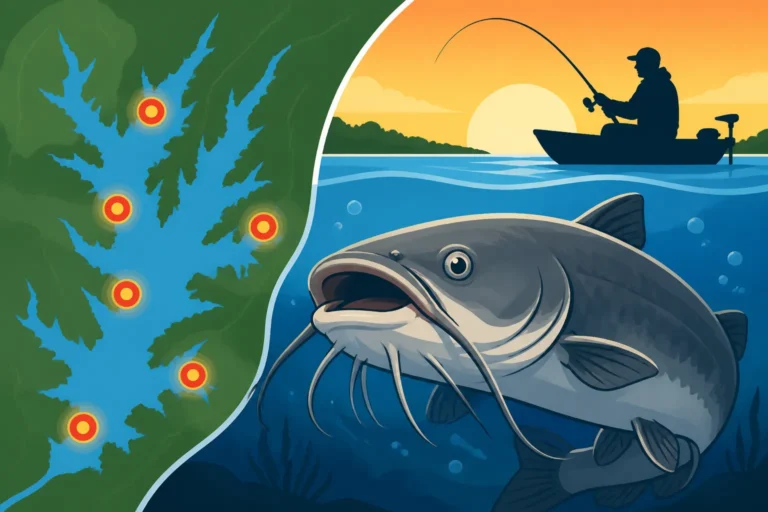
Channel catfish are hands-down the most widespread and common catfish species in the Potomac, thriving in both the tidal and non-tidal sections of the river. They're a favorite among many anglers because they’re relatively easy to catch and put up a decent fight. These fish are true opportunists, eating almost anything from cut bait and stink baits to live worms, insects, and even small fish. You'll often find them in areas with moderate current, around submerged structure like logs, rock piles, or bridge pilings, and especially in deeper holes adjacent to shallower flats where they can ambush prey. When the water warms up in the summer, they become incredibly active, making those long, balmy evenings a prime time for fishing. If you're looking to consistently bend a rod, focusing on Channel cats is a solid bet. They’re also known for their delicious, mild-flavored meat, making them a popular target for dinner.
Flathead Catfish: The Potomac's Big, Bottom-Dwelling Predators
If you're after a true trophy, the Flathead catfish is your ultimate prize on the Potomac. These aren't your typical scavenger cats; Flatheads are voracious predators that primarily feed on live fish. They are often found in the deeper, slower-moving sections of the river, especially around significant submerged structure such as large logjams, undercut banks, and rock formations. Unlike Channel cats, they tend to be more solitary and prefer clean, hard bottom structures. The Potomac has some truly massive Flatheads, with fish easily exceeding 40 pounds, making them an incredible challenge. They’re less common in the upper, shallower reaches of the river, becoming more prevalent in the middle and lower tidal sections. Targeting them requires a different approach, often using larger live baits like bluegill, sunfish, or even small carp, presented close to their ambush points. It takes patience and heavy tackle, but the reward of landing a giant Flathead is unparalleled. To learn more about identifying these behemoths, check out our guide on Channel Catfish vs Flathead Catfish: How Virginia Anglers Tell Them Apart.
White Catfish: A Smaller, Often Overlooked Species
The White catfish is another resident of the Potomac, though generally smaller than both Channel and Flathead catfish. They're often found in the tidal freshwater and brackish sections of the river, particularly in slower-moving creeks and coves. While they don’t grow to the gargantuan sizes of Flatheads, they're abundant and can offer consistent action, especially for anglers using lighter tackle or those just looking for a fun day on the water. White catfish will readily take many of the same baits as Channel cats – cut bait, worms, and various prepared baits – but they tend to prefer slightly less current. They're a great option for family fishing trips or when you want to catch a lot of fish in a shorter amount of time. Don't underestimate them, though; they can still put up a surprising fight for their size and are quite tasty!
Prime Catfishing Locations Along the Potomac
The Potomac River stretches for hundreds of miles, offering a vast array of fishing opportunities. Knowing where to focus your efforts can make all the difference, whether you're looking for numbers or a monster trophy.
Tidal Potomac Near Washington D.C. and Alexandria
The tidal Potomac, particularly the stretch around Washington D.C. and extending down to Alexandria and Fort Washington, is a phenomenal catfishing ground. This area is heavily influenced by the tides, which create excellent feeding conditions. You'll find a mix of deeper channels, submerged vegetation, bridge pilings, and old dock structures that provide perfect ambush points for catfish.
- Key Spots:
- The Woodrow Wilson Bridge: The pilings and surrounding deep water offer incredible structure and current breaks. Both Channel and Flathead catfish congregate here. Anchor upcurrent and let your bait drift into the eddies.
- Fletcher's Cove: While known for shad and herring runs, the deeper pockets and nearby channels hold good numbers of Channel catfish, especially during warmer months. The confluence of Rock Creek and the Potomac also creates interesting current dynamics that attract fish.
- D.C. Waterfront / The Wharf: The modern infrastructure of The Wharf, with its numerous piers and docks, creates artificial structure where Channel catfish can be found lurking beneath. Fishing from the public piers can be productive, especially during the evenings.
- Near Fort Washington: The deeper main channel and the quieter coves on the Maryland side around Fort Washington offer excellent opportunities, particularly for larger Flatheads if you can find significant submerged timber.
- Occoquan River Confluence: Where the Occoquan meets the Potomac, you'll find a mix of freshwater and tidal influences, creating a nutrient-rich environment that catfish absolutely love. Look for deeper holes and current seams.
Remember, tidal influence means fish activity can vary greatly. Often, the hour leading up to and after a tide change can be particularly productive as fish move to feed. Consider consulting tide charts before heading out. For those looking to explore this area, there are many public boat ramps, and even some Fishing Spots Near Alexandria, Virginia that are accessible by foot or offer boat rentals.
Middle and Lower Tidal Potomac: Fredericksburg and Beyond
As you move further south down the Potomac, past Quantico and towards Fredericksburg and the Route 301 bridge, the river widens, and the tidal influence becomes even more pronounced. This section is known for its incredible Flathead and large Channel catfish populations. The vastness here means you'll want to leverage tools like FishFinders or even consider booking a trip with a local guide. Many experienced guides list their services on platforms like FishingBooker, offering invaluable local knowledge.
- Key Spots:
- Near Fredericksburg: The Rappahannock River, which empties into the Chesapeake Bay not far from the Potomac's mouth, shares similar characteristics. The Potomac around Fredericksburg, with its numerous creeks and deeper holes, offers fantastic catfishing. Look for holes near sharp bends in the river.
- Route 301 Bridge: This bridge provides significant structure similar to the Wilson Bridge but in a less urbanized setting. The deeper water and swift currents here are prime for large Flatheads. Anglers often fish around the pilings or in the deep troughs created by the bridge.
- Large Tributaries: Smaller rivers like Aquia Creek, Nomini Creek, and Machodoc Creek, which feed into the Potomac, offer quieter, often shallower, but very productive catfishing. These can be excellent for numbers of Channel cats and smaller Flatheads, especially in their lower tidal sections where they meet the main river.
- Submerged Trees and Logjams: Throughout the middle and lower tidal Potomac, look for any visible or sonar-indicated submerged timber. Flatheads, in particular, will relate heavily to these structures. Approach these spots quietly and present your bait carefully.
Upper Potomac: Freshwater Stretches and Reservoirs
While the tidal sections are often lauded for their catfish, don't overlook the upper, non-tidal freshwater stretches of the Potomac, particularly above Great Falls and even upstream into Maryland and West Virginia. Here, the river takes on a more rocky, riverine character, and you'll primarily find Channel catfish, with some Flatheads in deeper pools.
- Key Spots:
- Seneca Creek State Park (Maryland Side): This area offers diverse fishing. While not directly on the main stem of the Potomac, nearby stretches of the river offer good access.
- Monocacy River Confluence: Where the Monocacy meets the Potomac, the mixing waters can concentrate fish. Look for deeper pockets and current breaks.
- River Bends and Deep Pools: In these shallower river sections, catfish will gravitate towards the deepest available water, especially pools below rapids or alongside sheer rock faces.
- Dam Areas: While access might be restricted directly at some dams, the calmer water immediately below or above small impoundments can hold good numbers of Channel catfish, particularly if there's an abundance of baitfish.
Keep in mind that while less pressured than some tidal areas, these spots may require more effort to find the fish, often involving walking the banks or using smaller boats/kayaks.
Best Baits and Techniques for Potomac Catfish
You've found the spots, now what do you put on the hook? Catfish aren't usually picky eaters, but certain baits and techniques will outperform others, especially depending on the species you're targeting.
Bait Selection: Matching the Menu
Choosing the right bait is crucial for tempting Potomac River catfish.
- Cut Bait: For both Channel and Flathead catfish, cut bait is a classic winner. Fresh cut bait from oily fish like herring, shad, or even smaller panfish (where legal) is incredibly effective. The scent trail it leaves in the water is irresistible. Cut bait into chunks a few inches long, ensuring there's enough meat and skin to stay on the hook. For Flatheads, a larger chunk or a whole small fish is often better.
- Stink Baits and Prepared Baits: These are primarily for Channel and White catfish. Brands like Catfish Charlie or pre-made dough baits infused with strong scents work wonders. They come in various forms – dip baits, punch baits, or pre-formed balls – and are designed to emit a powerful aroma that draws in actively feeding catfish.
- Live Bait: Essential for Flathead catfish. Small live bluegill, sunfish, gizzard shad, or even small carp are prime choices. The key is to keep them lively on the hook, as Flatheads are predators that respond to movement. Hook them through the back (above the lateral line) or through the lips to allow maximum swimming action.
- Worms: Nightcrawlers or red worms are a universal bait that will catch all species of catfish, especially smaller Channel and White cats. They're a great go-to if you're unsure what the fish are feeding on, or for more casual fishing trips with kids.
- Chicken Liver: A time-tested favorite, chicken liver is a super smelly and effective bait for Channel and White catfish. The challenge is keeping it on the hook, as it’s very soft. Some anglers wrap it in a small piece of nylon stocking or mesh to secure it.
Essential Rigs and Tactics
Your presentation can be just as important as your bait. Matching your rig to the conditions and target species will increase your success.
- Bottom Fishing with a Carolina Rig: This is perhaps the most popular and versatile rig for Potomac catfishing. It consists of a sliding egg sinker (or flat no-roll sinker in current), followed by a bead, a barrel swivel, and a leader (typically 12-24 inches) tied to a hook. The sliding sinker allows the fish to pick up the bait without feeling the weight, giving you a clear bite indication. This rig is perfect for presenting bait directly on the riverbed, where catfish often feed.
- Three-Way Swivel Rig: In strong currents, a three-way swivel rig can be effective. Tie your main line to one eye of the swivel, a short dropper line (6-12 inches) with a pyramid sinker to the second eye, and your leader (18-36 inches) with the hook to the third eye. This keeps your bait slightly off the bottom and allows it to waft enticingly in the current, making it very visible and smellable to cruising catfish.
- Float Fishing: While less common for the biggest bottom-dwelling catfish, float fishing (using a bobber) can be effective in shallower areas or over submerged grass beds for Channel and White catfish. This keeps your bait suspended at a specific depth and makes it easy to spot bites.
- Staking Out and Waiting: Patience is a virtue in catfishing. Once you've cast your bait, give it time. Catfish, especially Flatheads, might not immediately pounce. Set your rod in a sturdy holder, loosen your drag slightly, and pay attention to any subtle taps or rod bends. Don't be too quick to reel in if you don't feel an immediate bite.
- Drifting (Boat Fishing): From a boat, you can slowly drift with the current, dragging your bottom rigs behind you. This allows you to cover more water and present your bait to active fish over a wider area. Pay close attention to your sonar for any changes in depth or structure. This is often an effective strategy for locating scattered fish.
- Jug Fishing and Trotlines: While these methods require specific permits and adherence to Virginia Fishing Regulations Explained, they can be highly effective for catching large numbers of catfish, especially Channel cats, in appropriate areas of the Potomac. Jug fishing involves attaching baited hooks to floating jugs, allowing them to drift freely. Trotlines are long lines set across the river with multiple baited hooks at intervals. These are not typically employed by casual anglers but are part of the catfishing culture.
Here's a quick comparison of common baits for different Potomac River catfish species:
| Catfish Species | Best Baits | Preferred Habitat/Behavior |
|---|---|---|
| Channel Catfish | Cut bait (shad, herring), Stink baits, Worms, Chicken liver, Dough baits | Moderate current, structure (logs, rocks, bridges), deeper holes adjacent to flats, active scavengers |
| Flathead Catfish | Live bait (bluegill, sunfish, gizzard shad), large cut bait | Deeper, slower areas, significant submerged structure (logjams, undercut banks), solitary ambush predators |
| White Catfish | Cut bait, Worms, Chicken liver, Small pieces of prepared baits | Slower current, tidal freshwater/brackish sections, creeks, coves, often in shallower water, smaller schools |
Seasonal Strategies for Potomac River Catfish
Catfish are generally active year-round in the Potomac, but their behavior and prime locations shift with the seasons. Adapting your approach will dramatically improve your chances of success.
Spring: Awakening and Spawning Patterns
As the ice thaws and water temperatures begin to rise in spring, catfish start to become more active, moving out of their deeper wintering holes. This is an excellent time to catch large Channel cats, particularly in the tidal sections.
- Early Spring (March-April): Look for catfish moving into slightly shallower waters, especially flats adjacent to deep channels that warm up faster in the sun. They'll be feeding heavily to regain energy lost during winter. Cut bait and worms are excellent choices.
- Late Spring (May-June): This is when Channel catfish begin their spawning rituals. They'll often move into shallower, protected areas with some form of cover like logjams or undercut banks to lay their eggs. Fishing around these areas, particularly using cut bait or stink baits, can be incredibly productive, but remember to respect their spawning activities. Flatheads will also be more active, but their spawning comes a bit later.
Summer: Hot Weather, Hot Bites
Summer on the Potomac means hot temperatures, but it's also prime catfishing season. Catfish are generally very active, especially Channel and White catfish.
- Daytime: During the peak heat of the day, catfish will often retreat to deeper, cooler water or seek shade under bridge pilings, submerged trees, or alongside steep banks. Focus your efforts on these deeper haunts.
- Night Fishing: Without a doubt, summer nights are arguably the best time to target all species of catfish on the Potomac. As the sun sets and temperatures drop, catfish move into shallower areas to feed aggressively. This is when you can experience incredible action. Use strong headlamps, glow sticks for your rods, and be prepared for some serious battles in the dark. Our guide on How to Catch Catfish at Night has even more tips for after-dark angling.
- Bait Choice: Summer's warm water amplifies scent, making cut bait and stink baits incredibly effective for Channel and White catfish. For Flatheads, live bait is king.
Fall: Feasting Before Winter
As autumn arrives and water temperatures begin to cool, catfish enter a feeding frenzy, bulking up for the colder months ahead. This can be one of the most rewarding times to target trophy-sized fish.
- Active Feeding: Catfish will be found in a variety of depths, often moving between deeper channels and shallower flats as they forage for food. They'll be very aggressive, making them more willing to strike a wide range of baits.
- Migration Patterns: As baitfish begin to move in response to cooling water, catfish will follow. Pay attention to schools of shad or herring on your sonar; catfish won't be far behind.
- Optimal Baits: Cut bait remains highly effective, and live bait for Flatheads can produce some truly massive fish as they prepare for winter dormancy.
Winter: Deep Water and Slow Presentations
Winter fishing on the Potomac can be challenging but often rewarding for dedicated anglers. Catfish activity slows down significantly, and they tend to congregate in deep holes.
- Deep Water Focus: Concentrate your efforts on the deepest parts of the river, especially holes, channels, and humps where fish will stack up. They won't be actively chasing bait but will strike if it's presented slowly and directly in front of them.
- Subtle Bites: Bites in winter are often very light and subtle. Use sensitive rods and watch your line carefully.
- Patience is Key: You'll need even more patience during winter. Fish slowly, let your bait sit for extended periods, and be prepared for fewer bites but potentially larger fish. Cut bait, worms, and small live baits presented with a Carolina rig are good choices.
Remember, regardless of the season, always ensure you have the proper Virginia Fishing License Guide for the waters you intend to fish. It's not just about legality; your license fees help fund vital conservation efforts that keep the Potomac a thriving fishery for generations to come.
Disclaimer
Fishing conditions and regulations in Virginia can change. Always consult the latest Virginia Department of Wildlife Resources (DWR) regulations before heading out on your fishing trip. This guide is for informational purposes only.