Best Boat Ramps for Chesapeake Bay Fishing, Virginia
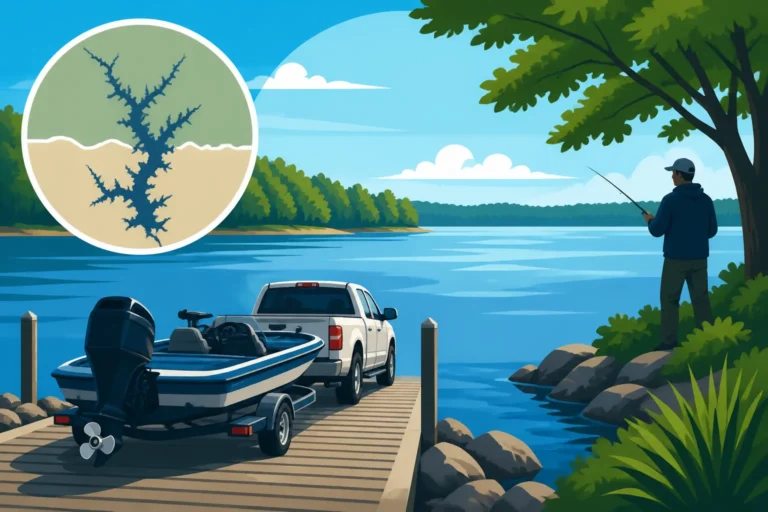
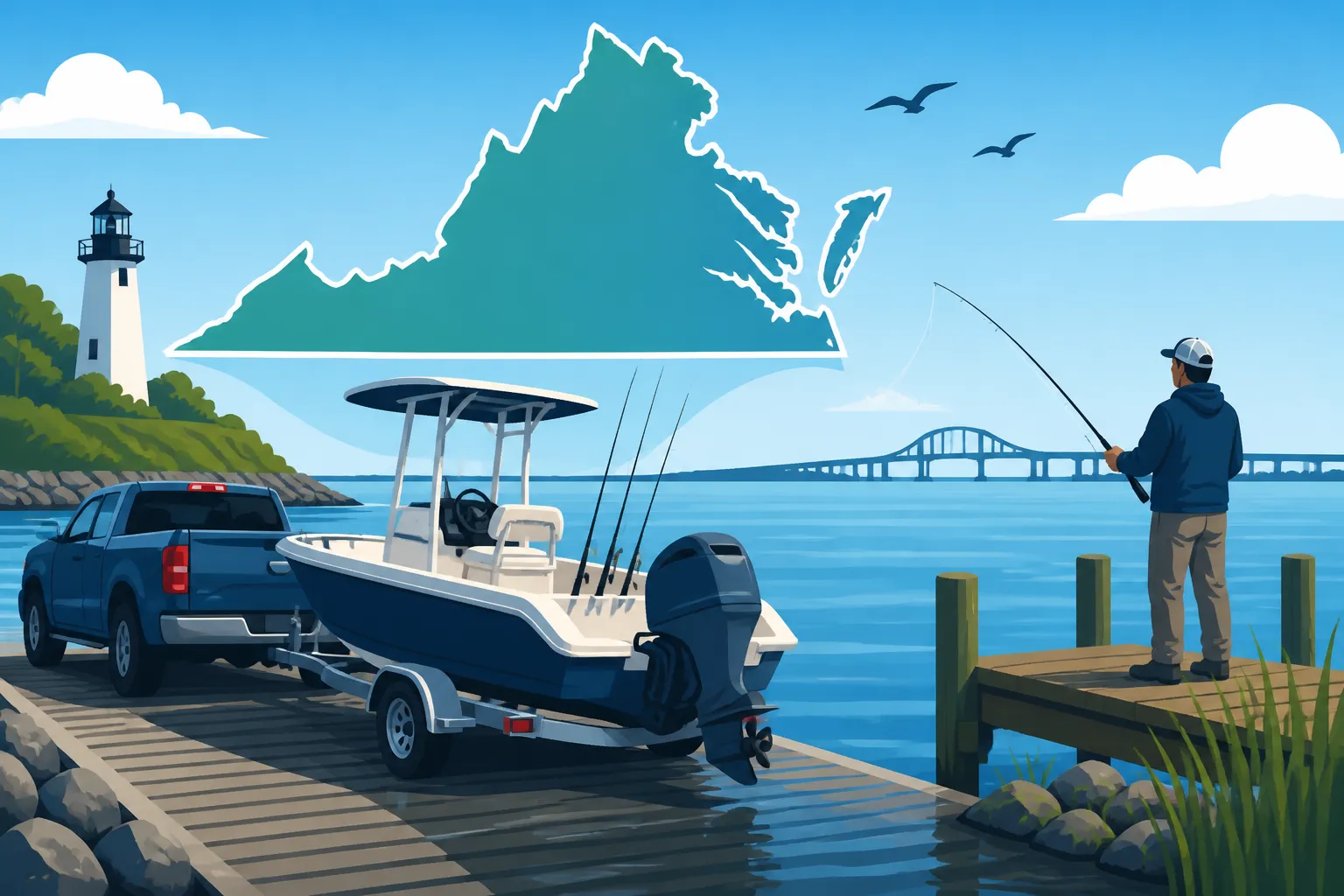
There’s nothing quite like the excitement of a fishing trip, especially when you’re headed for the legendary waters of the Chesapeake Bay. But let’s be real for a moment: that thrill can quickly turn into a headache if you pull up to a boat ramp that's a nightmare. Whether it's the endless line of trailers, dodgy ramp conditions, or just plain confusion about where to launch, finding good, reliable access can eat into your precious fishing time. This guide is here to cut through the frustration, giving you the inside scoop on the best boat ramps for Chesapeake Bay fishing in Virginia, so you can spend less time waiting and more time wetting a line.
Navigating the Challenges of Chesapeake Bay Boat Ramps
We’ve all been there, haven't we? That eager anticipation for a day on the water, only to be met with a chaotic scene at the boat ramp. The Chesapeake Bay is a vast, beautiful fishery, but its very popularity means that access points can become bottlenecks. It’s a common frustration for anglers, from seasoned captains to weekend warriors, trying to find a smooth entry point.
The Frustration of Limited Access and Crowds
Picture this: it’s a beautiful Saturday morning in early fall, prime time for chasing those big rockfish. You’ve got your boat hitched up, your gear is meticulously organized, and your cooler is packed. You arrive at the ramp, buzzing with excitement, only to see a line of trucks and trailers stretching a quarter-mile down the road. The launch lanes are backed up, parking spots are non-existent, and the air is thick with the fumes of idling engines and the occasional exasperated sigh. This isn't the relaxing start to a fishing trip you envisioned, is it?
This scenario is far too common, especially at some of the more popular ramps during peak seasons – think spring and fall striped bass runs, or summer flounder fishing. The demand for good water access in Virginia is huge, and unfortunately, the supply of well-equipped, easily accessible boat ramps hasn't always kept pace. This leads to stress, delays, and sometimes, even unsafe situations as people try to rush the process. It’s not just about getting your boat in; it’s also about having space to maneuver, adequate parking for your truck and trailer, and an efficient process that respects everyone's time.
Understanding Ramp Conditions and Features
Beyond the crowds, the actual condition and features of a boat ramp can make or break your experience. Not all ramps are created equal, and some are downright problematic. You might encounter ramps that are too shallow at low tide, leaving your prop churning mud or your keel scraping concrete. Others might have steep, slick surfaces that make launching a nerve-wracking ordeal, especially if you’re pulling a heavier boat. Poor lighting can turn an early morning launch into a high-stakes guessing game in the dark, and inadequate docking space means you're constantly jockeying for position while waiting for your crew to board.
Then there are the less obvious, but equally important, features. Does the ramp have a dedicated area for boat preparation, or are you forced to do it in the launch lane, holding everyone else up? Are there well-maintained courtesy docks for temporary tie-ups? Is there a fish cleaning station nearby, or will you be hosing down your catch in your driveway later? These details, often overlooked until you're already at the ramp, can significantly impact the overall enjoyment and efficiency of your fishing trip. It’s crucial to do a little homework before you head out, checking online reviews or local forums for up-to-date information on ramp conditions and amenities.
Top Public Boat Ramps for Chesapeake Bay Fishing
Alright, enough about the headaches. Let's talk about solutions! Virginia boasts a number of excellent public boat ramps that offer fantastic access to the Chesapeake Bay and its bountiful fisheries. Knowing which ones to target can save you a world of trouble and get you fishing faster.
Kiptopeke State Park Boat Ramp (Eastern Shore)
If you're looking to explore the pristine waters of the Eastern Shore, Kiptopeke State Park, located near Cape Charles, is an absolute gem. This ramp offers some of the best access to the middle and lower Bay, including the famous Chesapeake Bay Bridge-Tunnel (CBBT) complex and nearby coastal wrecks.
What makes Kiptopeke stand out? For starters, it features four wide, concrete ramps, which are usually well-maintained. The sheer number of lanes helps alleviate some of the crowding that plagues other ramps, though it can still get busy on prime fishing days. The parking lot is expansive, designed to accommodate numerous truck and trailer combos, which is a huge relief after a long drive. Anglers often target species like striped bass, flounder, red drum, and even cobia from this launch. After a successful day, you’ll appreciate the on-site fish cleaning station, making quick work of your catch before the drive home. It's a fantastic starting point if you're exploring Virginia's Best Saltwater Fishing Destinations on the Eastern Shore.
Fort Monroe Boat Ramp (Hampton)
For anglers in the Hampton Roads area, Fort Monroe in Hampton is a highly popular and well-regarded public access point. Its strategic location near the mouth of the Chesapeake Bay means you’re just a short run from some of the most productive fishing grounds, including the CBBT and various artificial reefs.
The Fort Monroe facility boasts multiple launch lanes and a substantial amount of parking for vehicles with trailers. It’s a favorite for both recreational anglers and charter boats, indicating its suitability for a variety of vessels. You'll find it well-maintained, offering a relatively smooth launch and retrieve experience. From here, you can target striped bass (often called rockfish here), speckled trout, red drum, and flounder, depending on the season. Its convenience for residents of Hampton, Norfolk, and Newport News makes it a consistent hub of activity, especially for those looking to fish the lower Bay.
Rudee Inlet Boat Ramps (Virginia Beach)
While Rudee Inlet is technically an ocean inlet in Virginia Beach, its public ramps provide excellent access to both the Atlantic Ocean and the lower reaches of the Chesapeake Bay. This is a prime location for those looking to fish the immediate coastal waters or venture a little further into the Bay itself.
Rudee Inlet features several public ramps, some managed by the City of Virginia Beach and others privately operated but offering public access for a fee. The primary public facility usually has multiple lanes and good parking, though it can get exceptionally crowded due to its popularity for both inshore and offshore fishing. What's great about Rudee is its proximity to essential amenities: bait shops, tackle stores, and even restaurants are all within a stone's throw. Anglers launching from here might be headed offshore for tuna or mahi-mahi, or sticking closer to shore for flounder, croaker, or even fall striped bass. It’s also a frequent departure point for Virginia Beach Fishing Charters and Trip Costs, so you'll see a mix of private boats and professional guides.
Gloucester Point Boat Landing (York River)
Moving up the Bay, the Gloucester Point Boat Landing provides fantastic access to the York River and its connection to the main Chesapeake Bay. This ramp is a perfect choice for anglers focusing on riverine species that transition into the Bay, or for those who prefer slightly calmer waters than the main stem of the Bay can sometimes offer.
The landing offers multiple launch lanes and sufficient parking, making it a reliable option for many anglers. From Gloucester Point, you can target a wide array of species, including striped bass, croaker, spot, bluefish, and various catfish species further upriver. Its location is particularly advantageous for fishing the productive oyster beds and deeper channels of the York River. While it might not be as well-known as some of the lower Bay ramps for "trophy" rockfish, it offers consistent action for many popular species and serves as a vital gateway to the Bay’s mid-section. It's also an excellent spot if you are trying to understand the Virginia Fishing Regulations Explained for tidal rivers.
Essential Tips for a Smooth Launch and Retrieve
Getting your boat in and out of the water shouldn't add stress to your day. A little preparation and good ramp etiquette go a long way in ensuring a smooth, enjoyable experience for everyone.
Prepping Your Boat and Trailer Before You Go
One of the biggest culprits for ramp congestion is anglers trying to get their boat ready while blocking a launch lane. This is where pre-planning becomes your best friend. Before you even get close to the ramp, pull into a designated prep area or a nearby parking lot. This is the time to:
- Load all your gear: Rods, tackle boxes, coolers, safety equipment – everything should be stowed away and secured.
- Install drain plugs: You wouldn't believe how many times this is forgotten until the boat is half in the water!
- Attach ropes and fenders: Have your bow and stern lines ready, and position fenders if you plan to tie up at a courtesy dock.
- Check lights and straps: Make sure your trailer lights are unplugged (if launching) and all tie-down straps are removed.
- Trim motor: Ensure your outboard or sterndrive is trimmed up for clearance.
- Final checks: Confirm you have your keys, kill switch lanyard, and, most importantly, your Virginia Fishing License Guide accessible. If you still need one, consider how easy it is to How to Buy a Fishing License Online in Virginia before you leave the house.
By taking these few extra minutes before you enter the ramp area, you can pull straight into a lane, back down, launch your boat, and get out of the way quickly, earning silent thanks from every angler behind you.
Mastering Ramp Etiquette and Safety
Boat ramps are shared spaces, and following some basic etiquette makes it better for everyone. Think of it like a dance; everyone has their part to play, and if you step on someone's toes, it throws off the whole rhythm.
- Be quick, but don't rush: Efficiency is key, but don't compromise safety. Take your time backing down, but once the boat is off the trailer, move your vehicle immediately.
- Don't block the ramp: Never leave your boat tied to the courtesy dock for extended periods while you park your truck. Load your crew and gear, then move on.
- Offer help: If someone is struggling, offer a hand. Whether it's helping guide them down the ramp or giving a push, a little camaraderie goes a long way.
- Use a spotter: If you’re not a seasoned backer, have a spotter help you, especially on busy days.
- Watch for children: Ramps can be dangerous with heavy vehicles and moving boats. Keep an eye on kids and ensure they understand safety rules. Speaking of kids, remember to check Fishing License Rules for Kids in Virginia before heading out with the little ones.
- Clean up: Don't leave trash or discarded bait around the ramp. Pack it in, pack it out.
Considering Local Conditions and Tides
The Chesapeake Bay is a dynamic environment, and local conditions can dramatically affect your ramp experience. Tides are paramount, especially in shallower areas. A ramp that's perfectly usable at high tide might be completely dry or dangerously shallow at low tide, stranding your boat or causing damage. Always check the tide charts for your specific launch location before heading out.
Weather also plays a huge role. Strong winds can make launching and retrieving a small boat incredibly challenging and even hazardous. Currents near river mouths or bridge complexes can also add a layer of difficulty. Before you leave home, consult a marine weather forecast. Look for wind speed and direction, wave height, and any advisories. It’s far better to reschedule your trip than to face unsafe conditions or a frustrating struggle at the ramp. For targeting certain fish like Striped Bass Season and Slot Limit in Virginia, understanding these conditions can also be key to finding where the fish are holding.
Choosing the Right Ramp for Your Fishing Adventure
With so many options, how do you pick the best boat ramp for your specific fishing trip? It comes down to a few key considerations that match your boat, your target fish, and your personal preferences.
Matching the Ramp to Your Boat Size and Target Species
Think about the size and type of your boat. If you’re running a small jon boat or a kayak, you have many more options for shallower, less formal launches. But if you’re piloting a 25-foot center console, you absolutely need a deep, wide ramp with ample turnaround space. Don't try to squeeze a big boat into a ramp designed for smaller craft; it's a recipe for disaster and aggravation.
Your target species also influences your ramp choice. If you’re after deepwater striped bass or flounder near the CBBT, a ramp like Kiptopeke or Fort Monroe makes sense, offering direct access to those prime areas. If you're focused on speckled trout in a specific creek or the upper reaches of a tidal river, a smaller, more localized ramp further up a tributary might be more efficient. For example, if you're targeting Virginia's Top Striped Bass Fishing Spots, you'll want to launch from a ramp that gets you there quickly and safely. Using an online platform like FishingBooker can even help you find local guides who know the specific ramps best suited for their target fish and vessels.
Evaluating Amenities and Proximity
Beyond just getting your boat in the water, consider the amenities that will enhance your trip. Is there a restroom available? A fish cleaning station? What about nearby bait and tackle shops to grab those last-minute essentials? Some ramps, especially those within state parks or larger municipal facilities, offer more comprehensive services.
Proximity is also a huge factor. While driving an extra 30 minutes for a truly superior ramp might be worth it, sometimes the closest, most convenient ramp that gets the job done is the best choice for a quick morning or evening trip. Balance the quality of the facility with the time you’ll spend driving. If you're considering a longer trip or a charter, knowing what amenities are included in the What to Bring on a Virginia Fishing Charter can help you determine your launch needs too.
Exploring Alternatives: Marinas and Private Launches
While public boat ramps are great, they’re not your only option. Many private marinas along the Chesapeake Bay offer public access to their ramps, often for a daily fee. These can sometimes be a fantastic alternative, especially on crowded weekends.
- Pros of Marina Ramps: Marinas often boast superior facilities, including well-maintained ramps, ample docking space, professional staff, and sometimes even fuel docks and ship stores. They might also be less crowded than the most popular public ramps.
- Cons of Marina Ramps: The primary downside is the cost, which can range from $10 to $30 or more for a daily launch fee. However, for a stress-free experience, it can be well worth the investment.
- Private Launches: In some areas, smaller, less-formal private launches might exist, though these often require permission or membership. It's always best to check local regulations and gain permission before using any non-public access point.
Sometimes, especially for anglers visiting from out of state or those unfamiliar with the Bay, booking a fishing charter is another excellent alternative. Charter captains already have their boats in the water and know exactly which marinas and launch points offer the best access to the fish. Websites like FishingBooker are a great resource for finding reputable charters operating in the Chesapeake Bay, offering a seamless way to get on the water without worrying about ramps at all.
| Boat Ramp Name | Location | Number of Ramps | Parking (Trailers) | Amenities | Typical Target Species | Notes |
|---|---|---|---|---|---|---|
| Kiptopeke State Park | Cape Charles | 4 | Excellent | Cleaning Station, Restrooms | Striped Bass, Flounder, Red Drum, Cobia | Eastern Shore gem, direct access to CBBT. |
| Fort Monroe | Hampton | 4 | Good | Restrooms, Courtesy Docks | Striped Bass, Speckled Trout, Red Drum, Flounder | Popular, great for lower Bay access, can get busy. |
| Rudee Inlet (Public) | Virginia Beach | 4 (multiple areas) | Moderate | Nearby bait/tackle, food | Striped Bass, Offshore species, Flounder, Croaker | Can be very crowded, direct ocean/lower Bay access. |
| Gloucester Point Boat Lndg. | Gloucester Point | 2 | Good | Restrooms | Striped Bass, Croaker, Spot, Bluefish, Catfish | Excellent for York River and mid-Bay exploration. |
| Messick Point | Poquoson | 2 | Good | Bait nearby, restrooms | Speckled Trout, Flounder, Striped Bass, Crabs | Good for Poquoson River and Hampton Roads area. |
| Willoughby Ramp | Norfolk | 3 | Moderate | Limited | Striped Bass, Flounder, Speckled Trout | Convenient for Norfolk, near CBBT. |
No matter which ramp you choose, a little planning and preparation will ensure your Chesapeake Bay fishing adventure starts (and ends!) on the right foot. Now get out there and catch some fish!
Disclaimer
Please be aware that fishing regulations, license requirements, and local access conditions can change. Always check the latest Virginia Department of Wildlife Resources (DWR) guidelines and local signage before heading out on your fishing trip. Ensure your Virginia fishing license is current and valid for the waters you plan to fish.