Where to Catch Largemouth Bass on Smith Mountain Lake
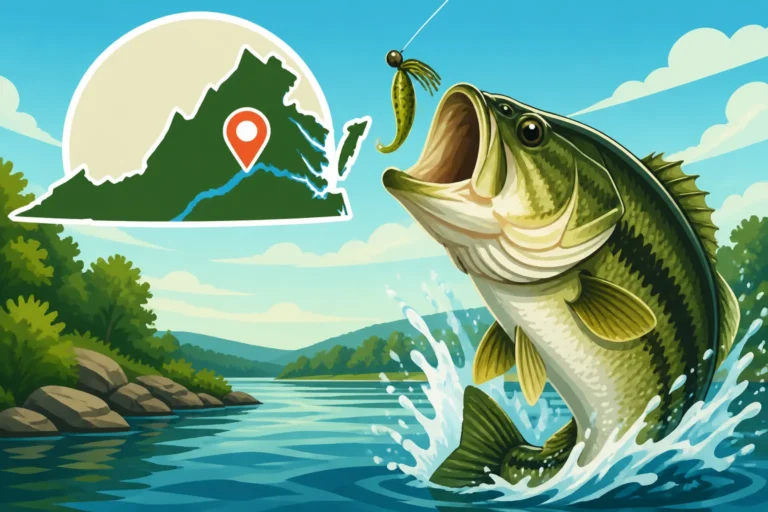
Few things are as thrilling as the initial strike of a powerful largemouth bass, especially when you're casting your line on a legendary lake like Smith Mountain Lake. Many anglers, myself included, have spent countless hours wondering if we're even fishing the right spots, or if the bass are just playing hard to get. This guide is dedicated to helping you unlock the secrets of SML, pinpointing those coveted largemouth bass haunts, and giving you the confidence to hook into some truly memorable fish.
Understanding Smith Mountain Lake's Bass Habitat
Smith Mountain Lake isn't just a body of water; it's a dynamic ecosystem, a sprawling 20,600-acre reservoir carved out of the Appalachian foothills. To consistently catch largemouth bass here, you've got to understand how this unique environment influences their behavior. It's not enough to just cast and hope; you need to think like a bass.
Lake Characteristics and Structure
Smith Mountain Lake, often affectionately called "SML" by locals, is a deep, clear impoundment fed by the Blackwater and Roanoke Rivers. This depth and clarity are crucial factors. Unlike some murkier, shallower lakes, SML's largemouth often relate to structure much more precisely, whether it's submerged timber, rock ledges, or man-made features. The water typically stays relatively clear, especially in the main lake and lower sections, which can make bass a bit warier of presentations and line visibility. However, this also means they rely heavily on ambush points.
The primary forage for largemouth here includes bluegill, threadfin shad, gizzard shad, and a healthy population of crayfish. Understanding what the bass are eating will significantly impact your lure selection. For instance, if you're seeing schools of shad dimpling the surface, a shad-imitating crankbait or swimbait might be your best bet. If you notice crayfish scuttling along the rocky banks, a jig or creature bait in a brown or green pumpkin color could be deadly. The lake also features numerous points, humps, and submerged islands that act as natural highways and feeding stations for bass. These topographical features, combined with varying depths from shallow flats to sharp drop-offs reaching over 200 feet, create an incredible diversity of bass habitat.
Seasonal Movements of Largemouth Bass
Largemouth bass on Smith Mountain Lake don't just stay in one spot all year; they're constantly moving in response to water temperature, forage availability, and their own spawning cycles. Knowing these general patterns is like having a roadmap to their whereabouts.
- Pre-Spawn (Late Winter to Early Spring): As water temperatures begin to climb into the 50s Fahrenheit, largemouth start moving from their deeper winter haunts towards shallower staging areas. They'll often hold on secondary points, creek channel swings, and hard bottom areas adjacent to spawning flats. This is a time of heavy feeding as they bulk up for the spawn. Think about areas where they can easily transition between deep and shallow water, like the mouths of major creeks.
- Spawn (Spring, typically April to May): When water temperatures hit the mid-60s, the bass move onto the shallow flats, into protected coves, and around docks to build their nests. They become highly territorial. During this time, you'll find them in very shallow water, sometimes just a few feet deep, making them visible to anglers. This is an incredible time for sight fishing, but remember to practice catch and release to protect the fishery.
- Post-Spawn (Late Spring to Early Summer): After the rigorous spawning process, bass are often exhausted and scattered. They'll recuperate in nearby cover, often retreating to slightly deeper water or dense brush piles. They're still active feeders but might be less aggressive than during pre-spawn. Look for them around shaded areas under docks or in the cooler, deeper pockets of coves.
- Summer (Late June to Early September): As the heat sets in and surface temperatures rise, largemouth often migrate to deeper, cooler water. They'll still feed aggressively, but often during low-light conditions (dawn, dusk, or night) or when schooling baitfish are present over deeper structure. Points, humps, deep docks, and submerged timber in 15-30 feet of water become key.
- Fall (Mid-September to November): This is a fantastic time to fish! As water temperatures cool, baitfish move into the creeks, and the bass follow, engaging in a major feeding frenzy to prepare for winter. They can be found shallower again, often schooling and chasing shad. Crankbaits, spinnerbaits, and topwater lures can be incredibly effective during this period.
- Winter (December to March): Largemouth retreat to deeper water, often suspending over creek channels, around deep timber, or near significant drop-offs. They become less active, but a slow, methodical presentation with jigs, shaky heads, or blade baits can still yield results. Understanding these cycles is paramount for anyone wondering about Virginia Fishing Seasons Explained or even specifically about the Best Time of Year for Bass Fishing in Virginia.
Prime Largemouth Bass Hotspots on Smith Mountain Lake
Now that we understand the "why" behind bass movements, let's dive into the "where." Smith Mountain Lake is vast, but certain areas consistently produce largemouth, year after year.
The Major Creeks and Coves
Smith Mountain Lake is a maze of creeks and coves, each offering unique opportunities for largemouth bass. These areas provide protection, forage, and a variety of depths and cover that bass simply can't resist.
- Blackwater River Arm: This is one of the lake's largest arms and a perennial favorite for bass anglers. It has numerous productive feeder creeks like Gills Creek and Craddock Creek. The Blackwater offers a mix of stained and clearer water, plenty of docks, brush, and rocky points. During the pre-spawn and fall, the backs of these creeks can be phenomenal as bass follow baitfish. In the summer, look for bass to retreat to the creek channels or deeper points within these arms. Anglers often find success flipping jigs or pitching soft plastics to docks and laydowns.
- Roanoke River Arm: Similar to the Blackwater, the Roanoke arm also boasts excellent bass fishing, with notable creeks like Indian Creek and Poplar Forest Creek. This arm tends to be a bit clearer than the Blackwater, especially further down-lake. The deeper main channel offers great summer and winter fishing opportunities, while the shallower coves are excellent during the spawn. Look for rock transitions and steep bluff walls in the Roanoke arm, which often hold bass.
- Gills Creek: Known for its extensive docks, submerged brush, and relatively clear water, Gills Creek is a consistent producer. Bass often hold tight to the pilings and shade lines of docks here, especially on bright, sunny days. It's also a fantastic place to explore with a fish finder, looking for submerged brush piles that attract both baitfish and predatory bass.
- Craddock Creek: A bit more residential but still offering excellent cover, Craddock Creek has a mix of docks, seawalls, and some natural rock features. The deeper sections leading into the creek can be productive for suspended bass in colder months, while the shallower areas are active during the warmer seasons.
- Indian Creek: Located in the Roanoke arm, Indian Creek offers a diverse habitat. It has some steeper banks, rock bluffs, and numerous coves with docks. The transition areas where rock meets dirt or where a sharp drop-off occurs can be particularly productive.
These creeks and their many smaller coves are where largemouth often spend their entire lives, moving with the seasons but rarely straying far from their home territory. When asking "Where to Catch Largemouth Bass on Smith Mountain Lake," these major arms are always at the top of the list. They offer everything from shallow spawning flats to deep channel swings, catering to bass activity throughout the year.
Docks, Brush Piles, and Submerged Structures
On a lake like Smith Mountain, artificial and submerged structures are absolute magnets for largemouth bass. These aren't just random spots; they offer essential elements like shade, ambush points, and protection from predators.
- Docks: Smith Mountain Lake is famous for its abundant docks. These aren't just for tying up boats; they are prime bass habitat. The pilings provide vertical structure, the platforms offer shade, and many homeowners sink brush piles nearby to attract baitfish, which in turn attracts bass. Target docks with deep water access, especially those near creek channels or points. Bass will often hold on the shady side or under the darkest sections. Flipping jigs, pitching soft plastics, or skipping wacky-rigged worms under these docks can be incredibly effective. Consider how to fish these structures if you're looking for How to Catch a Trophy Largemouth Bass at Smith Mountain Lake, as big bass often seek out the best cover.
- Brush Piles: Whether naturally fallen trees (laydowns) or intentionally sunken Christmas trees and pallets, brush piles are bass havens. They concentrate baitfish and provide excellent ambush cover. These are often found near channel swings, on points, or simply scattered in coves. A good fish finder is invaluable for locating these hidden treasures. Once found, slow presentations like Texas-rigged worms, jigs, or shaky heads are ideal for extracting bass without getting hung up. Many local anglers maintain their own brush piles, and if you can find them, you're often on to a secret hotspot.
- Submerged Humps and Islands: Out in the main lake or larger creek arms, you'll find underwater humps and islands that don't break the surface. These are essentially offshore versions of points and provide excellent structure, especially during the summer and winter when bass move deeper. Bass will often school on top of or along the sides of these structures, feeding on baitfish. Crankbaits, deep-diving jerkbaits, and Carolina rigs are great choices for covering these areas. Learning how to read your electronics to identify these subtle contour changes is key.
- Roadbeds and Foundations: Before SML was flooded, there were roads, bridges, and homesteads. The remnants of these structures now lie submerged, forming fantastic hard-bottomed features that bass love. Old roadbeds can act as natural travel corridors, while foundations of old buildings provide unique cover. These spots are harder to find without detailed mapping or local knowledge, but they can be incredibly productive, especially during colder months.
Targeting these varied structures demands precision and patience. Don't be afraid to try different angles and presentations around them.
Rocky Banks and Riprap
Beyond docks and brush, the natural contours of Smith Mountain Lake offer excellent rocky habitat that largemouth bass utilize, particularly during certain seasons.
- Rocky Banks and Ledges: SML features numerous stretches of rocky banks, from small gravel to large boulders. These areas absorb and radiate heat, making them attractive to bass during cooler water periods like early spring and late fall. The rocks also provide cover for crayfish, a favorite bass meal. Look for transitions in rock size or where a rocky bank meets a sandy or clay bank. These "transition zones" are often hot spots. Shallow crankbaits, spinnerbaits, and jigs hopped along the bottom are excellent choices here.
- Riprap: This is the man-made rock lining found along dam faces, bridge causeways, and some marinas. Riprap is a classic bass holding structure. The irregular nature of the rocks creates countless crevices for baitfish and crawfish, and the rocks provide excellent shade and current breaks. Bass will often stage along riprap before moving into shallower spawning areas or use it as a primary feeding ground. Jerkbaits, spinnerbaits, and parallel casts with shallow crankbaits are highly effective along riprap. It's often where you'll find schooling fish, especially during shad migrations. The SML dam area itself, with its extensive riprap, can be a particularly productive zone.
When fishing these rocky areas, pay attention to depth. Bass might be right on the bank in a foot of water or holding on an adjacent submerged rock pile in 10-15 feet. Experiment with different depths until you find where the fish are holding.
Effective Techniques and Lures for SML Largemouth
Finding the fish is half the battle; the other half is convincing them to bite. On Smith Mountain Lake, a diverse arsenal of techniques and lures will serve you well, adapting to the specific conditions and the fish's mood.
Targeting Different Depths and Cover
Matching your technique to the depth and type of cover you're fishing is paramount for consistent success on SML. Largemouth bass will often hold in different water columns depending on the time of year and day, as well as the available structure.
- Flipping and Pitching: This is a close-quarters combat technique, ideal for targeting dense cover like docks, brush piles, and laydowns. With a heavy-action rod and strong line, you're dropping a jig or soft plastic (like a creature bait or Texas-rigged worm) silently into tight spaces where bass ambush their prey. The key is precision and minimal disturbance. This technique is especially effective during the warmer months when bass are seeking shade and heavy cover. Think about a sunny summer afternoon, and you're skipping a jig under the darkest corner of a boat dock – that's where the big ones often hide.
- Cranking: Crankbaits are workhorses for covering water and triggering reaction strikes. Shallow-diving crankbaits excel along rocky banks, riprap, and over submerged grass in 2-8 feet of water. Medium-diving crankbaits are great for covering points and humps in 8-15 feet. And deep-diving crankbaits can reach those offshore structures in 15-25+ feet, especially in summer. The retrieve is critical; experiment with stop-and-go, burn-and-pause, or steady retrieves until you find what the fish prefer. The vibration and deflecting action of a crankbait off structure are often what draw strikes.
- Dropshotting and Shaky Heads: These finesse techniques shine when the bite is tough, or bass are suspended or lethargic. A dropshot rig, where the weight is below the hook, presents a small soft plastic bait horizontally and off the bottom, making it incredibly natural. It's perfect for suspended bass over deep structure or when fishing around brush piles where you want to keep your bait above the snags. Shaky heads involve a jig head with a small worm, fished slowly along the bottom, imparting a subtle "shaking" action. Both are excellent for highly pressured fish or in clear water conditions.
- Topwater: When the conditions are right – typically low light (dawn, dusk), overcast skies, or during the fall feeding frenzy – nothing beats the excitement of a topwater strike. Poppers, walk-the-dog baits (like Heddon Super Spook), and prop baits imitate struggling baitfish or critters on the surface. Target calm pockets, around docks, and over submerged grass. The key is to let the bait work, often with pauses that drive bass crazy. The sound and commotion created by these lures can draw fish from surprising distances.
The diversity of structure on Smith Mountain Lake means you'll need to be versatile in your approach. Don't be afraid to switch techniques if one isn't producing, as bass can change their preferences quickly.
Best Baits and Lures by Season
While there are year-round staples, tailoring your lure selection to the season will significantly increase your success rate. The Best Bait for Largemouth Bass in Virginia really depends on when you're fishing!
- Spring (Pre-Spawn/Spawn):
- Pre-Spawn: Spinnerbaits (especially chartreuse and white), lipless crankbaits, jerkbaits (Rapala X-Rap, Lucky Craft Pointer), and jigs with craw trailers are excellent as bass move shallower and feed aggressively.
- Spawn: Soft plastics like Texas-rigged or wacky-rigged worms (Zoom Trick Worm, Senko), creature baits, and jigs are ideal for targeting beds or bass guarding fry. Often, a slow, methodical presentation is best.
- Summer (Post-Spawn/Full Summer):
- Post-Spawn: Jigs, shaky heads, small creature baits, and dropshot rigs fished around docks, brush piles, and submerged timber. Topwater in low light.
- Full Summer: Deep-diving crankbaits (Strike King 6XD, Norman DD22) for offshore humps and channels, Carolina rigs with lizards or worms, and heavy jigs for flipping deep docks. Don't forget night fishing with large worms or dark-colored spinnerbaits.
- Fall: This is prime time for active presentations. Squarebill crankbaits, chatterbaits (Z-Man ChatterBait), spinnerbaits, jerkbaits, and topwater lures (Walking baits, poppers) as bass chase baitfish into the creeks. This is an exciting time for aggressive strikes.
- Winter: Slow presentations are key. Jigs, jigging spoons (Kastmaster, Acme Little Cleo), shaky heads, blade baits, and dropshot rigs fished vertically or slowly crawled along deep structure. Think about fishing vertically right over those suspended fish you see on your electronics.
Remember to consider the lake's clarity when choosing lure colors. Natural colors like green pumpkin, watermelon, and brown work well in clear water, while brighter colors like chartreuse or white can be effective in stained water or during overcast conditions.
The Role of Electronics
In today's bass fishing world, electronics are not just a luxury; they're an indispensable tool, especially on a deep, complex lake like Smith Mountain Lake. If you're serious about finding those offshore largemouth, a good fish finder is your best friend.
Modern fish finders with side-imaging, down-imaging, and 2D sonar capabilities allow you to literally "see" the underwater world. You can spot submerged brush piles, differentiate between rock and mud bottom, identify baitfish schools, and even mark individual bass. Using detailed contour maps (like those from Humminbird LakeMaster or Navionics) is also crucial. These maps highlight ledges, humps, creek channels, and old roadbeds that are otherwise invisible.
Imagine idling over a main lake point. With side-imaging, you can scan hundreds of feet to either side of your boat, quickly locating a hidden brush pile or a rock outcropping. Then, using down-imaging, you can pinpoint its exact location and even see if fish are holding in or around it. Without this technology, finding these productive offshore spots would be like looking for a needle in a haystack. Learning to interpret what your screen is telling you takes practice, but the rewards are well worth the effort, especially when targeting those elusive deeper bass.
| Hotspot Type | Typical Depth | Best Seasons | Primary Lures/Techniques | Key Features to Look For |
|---|---|---|---|---|
| Docks | 3-20 ft | All Seasons | Jigs, soft plastics, wacky rigs, topwater (low light) | Shade, brush piles, deep water access, adjacent points |
| Brush Piles | 5-30 ft | All Seasons | Jigs, Texas rigs, shaky heads, dropshots, spoons | Submerged cover, baitfish activity, electronics critical |
| Rocky Banks/Riprap | 2-15 ft | Spring, Fall, Winter | Crankbaits (squarebill/medium-dive), spinnerbaits, jerkbaits, jigs | Transitions, shade, baitfish, crawfish habitat |
| Creek Channels | 10-50 ft | Summer, Winter | Deep crankbaits, Carolina rigs, jigs, dropshots | Swings, bends, adjacent points, submerged timber |
| Main Lake Points | 5-30 ft | Pre-Spawn, Summer, Fall | Deep crankbaits, football jigs, Carolina rigs, dropshots | Defined drops, baitfish schools, current breaks |
| Submerged Humps | 10-40 ft | Summer, Fall, Winter | Deep crankbaits, football jigs, Carolina rigs, dropshots | Baitfish concentrations, hard bottom, contour changes |
Planning Your Largemouth Bass Trip to Smith Mountain Lake
A successful fishing trip involves more than just knowing where to cast. A little planning goes a long way, especially on a large, unfamiliar body of water.
Hiring a Local Guide
If you're truly serious about shortening your learning curve and getting on fish quickly, especially on your first few trips, consider hiring a local fishing guide. These folks spend hundreds, if not thousands, of hours on Smith Mountain Lake every year. They know the seasonal patterns intimately, have marked countless brush piles and offshore humps, and understand what baits are working right now.
A good guide won't just put you on fish; they'll teach you why the fish are there and how to catch them. This invaluable knowledge can transform your fishing experience and empower you for future trips. Many guides specialize in largemouth bass, and they'll often provide all the necessary gear, meaning you can just show up and fish. Plus, having a professional onboard ensures you're fishing legally and ethically. Websites like FishingBooker are great resources to find reputable guides on Smith Mountain Lake, allowing you to compare options, read reviews, and book directly. Whether you're interested in a full-day trip or a Half-Day vs Full-Day Fishing Charters in Virginia, a guide can make all the difference. Even if you're a seasoned angler, a guide can help you break down a new lake like SML quickly. You might even find guides who specialize in specific species, such as for the Smith Mountain Lake Striped Bass Guide Trips if you want to broaden your horizons.
Essential Gear and Boat Considerations
Before you hit the water, let's talk about what you'll need. The right gear can significantly impact your success and comfort.
- Rods and Reels: A versatile setup typically includes a medium-heavy baitcasting rod (6'6" to 7'6") for jigs, soft plastics, and spinnerbaits, and a medium-action spinning rod for finesse techniques like dropshotting or shaky heads. Having a few different setups allows you to switch between techniques quickly without retying.
- Line: Fluorocarbon line is a popular choice for largemouth bass due to its low visibility and sensitivity. Choose lines in the 12-20 lb test range for baitcasting and 8-12 lb test for spinning. Braid can be useful for flipping heavy cover, often with a fluorocarbon leader.
- Tackle Selection: Don't go overboard, but bring a variety of the lures mentioned above, focusing on natural colors and a few brighter "reaction" colors. Jigs, Texas-rigged worms, creature baits, crankbaits (shallow, medium, and deep), spinnerbaits, and some topwater options are a good starting point.
- Safety Gear: Always have life jackets (one for each person), a throw cushion, fire extinguisher, and a first-aid kit. A VHF radio or cell phone (in a waterproof bag) is also essential for emergencies.
- Navigation and Electronics: As mentioned, a good fish finder with GPS and mapping is crucial. Make sure your maps are updated for Smith Mountain Lake.
- Boat Type: While a dedicated bass boat offers speed and fishing platforms, a pontoon or even a Jon boat can be perfectly adequate for reaching many of the hotspots, especially in the creeks and coves. Just ensure your boat is suitable for a large reservoir with potential for choppy water, especially on windy days. Remember to check local regulations; if you're bringing your own boat, make sure you have all the proper Virginia Fishing License Guide requirements handled, and if you plan to fish from a boat, know if you need to consider a separate license for that. The simple answer to "Do You Need a License to Fish From a Boat?" is generally yes, the same license applies whether bank fishing or boat fishing.
- Comfort and Weather Protection: Sunscreen, a wide-brimmed hat, polarized sunglasses (critical for spotting cover and fish), rain gear, and appropriate layers of clothing are a must. Weather on SML can change quickly, so be prepared for anything. A good cooler with plenty of water and snacks will also keep you comfortable and focused throughout your day on the water.
Smith Mountain Lake offers some of the finest largemouth bass fishing in Virginia, but it demands respect and preparation. By understanding the lake's unique characteristics, knowing where and when to find the bass, and employing the right techniques, you'll be well on your way to a memorable and successful trip. So, grab your gear, plan your strategy, and get ready to experience the thrill of largemouth fishing on this incredible body of water!
Disclaimer
Please be aware that fishing regulations, seasons, and license requirements can change. Always consult the official Virginia Department of Wildlife Resources (DWR) website or publications for the most current information before heading out on the water. This guide is for informational purposes only and does not substitute for official regulations.