Best Fly Fishing Spots on the Upper James River
Finding those perfect fly fishing spots on the Upper James River can feel like unlocking a secret, especially if you're accustomed to chasing trout in smaller, colder streams. This majestic river offers a completely different, yet equally rewarding, experience for the fly angler, focusing primarily on feisty smallmouth bass. This guide will walk you through the prime locations, tactics, and crucial insights to make your fly fishing adventure on the Upper James a resounding success.
Exploring the Pristine Upper James Headwaters
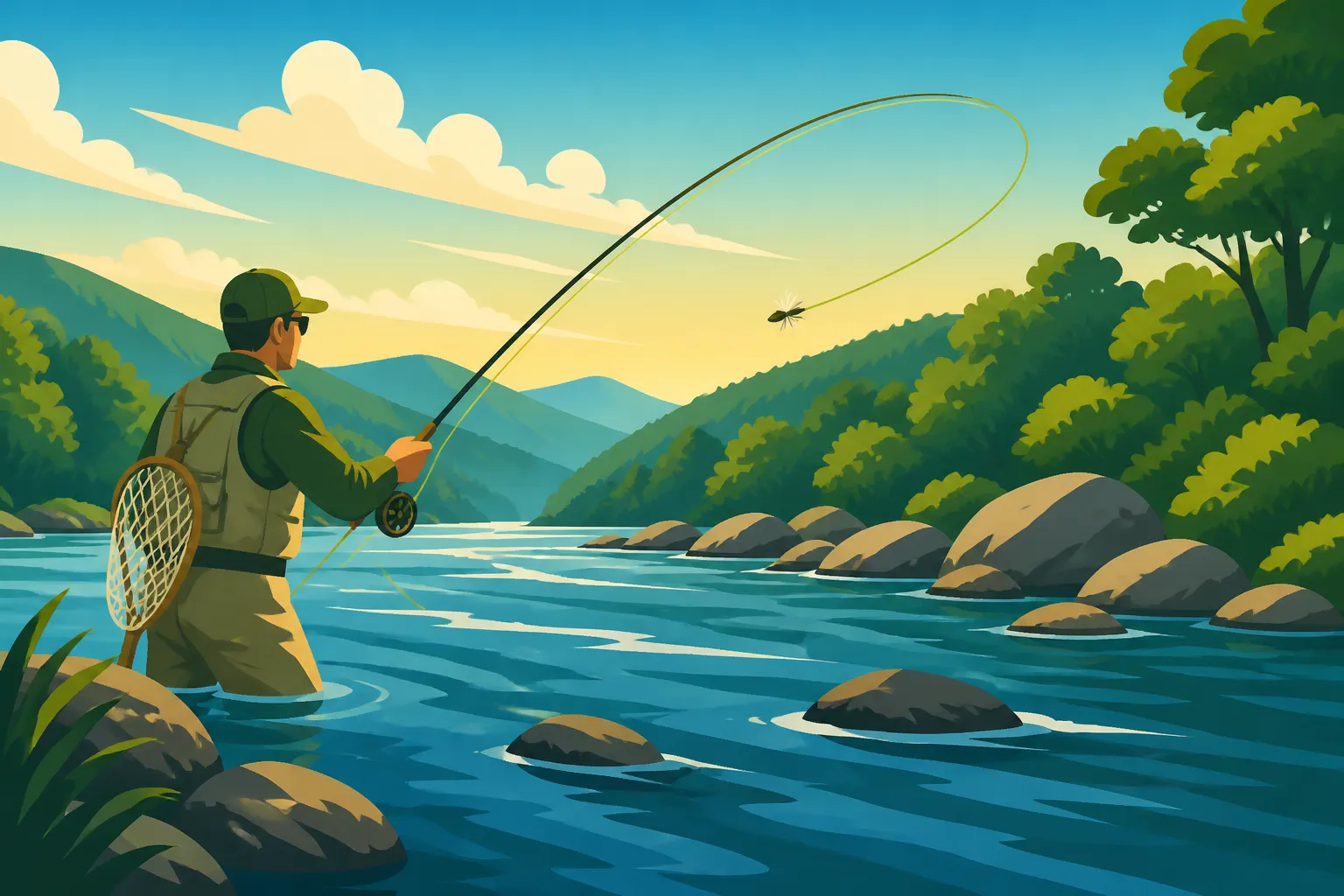
The journey into the best fly fishing on the Upper James truly begins where the James River itself takes shape, in the beautiful mountainous regions of Bath and Botetourt counties. This is a significantly different character of the river than what you might find further downstream, offering a more intimate, wadeable experience. Here, the river is narrower, flows over rock gardens, and forms clear, inviting pools, making it prime habitat for eager smallmouth bass and various panfish.
Smallmouth Bass and Panfish Opportunities in the Upper Reaches
In these upper stretches, often above the towns like Eagle Rock or Buchanan, the James River is a smallmouth bass paradise for the fly angler. You'll find these hard-fighting fish tucked behind boulders, in the seams of swift currents, and lurking in deeper pools. They're often less pressured here, making them more willing to strike a well-presented fly. Think of these areas as a series of pocket water and riffles, interspersed with deeper runs. It's a fantastic place to hone your stream wading skills and enjoy the solitude of the river.
Beyond smallmouth, these waters are teeming with various sunfish, rock bass, and sometimes even a stray channel catfish, all of which are incredibly fun to catch on a light fly rod. A 4-weight or 5-weight rod, usually reserved for trout, can be a blast for these smaller fish, though a 6-weight offers more versatility for bigger smallmouth and casting larger flies. You’ll want to focus on casting accuracy and stealth, approaching pools and runs carefully to avoid spooking the fish. Look for fallen timber, submerged rocks, and current breaks – these are classic holding lies.
Cold-Water Tributaries and Their Unique Charms
While the mainstem of the Upper James River is primarily a warm-water fishery, its numerous tributaries offer a fascinating detour for the adventurous fly angler. Streams like the Cowpasture River or sections of the Jackson River (especially the delayed harvest section) feed into the James and are renowned for their trout populations. These cold-water havens require a different approach and often a specialized Virginia Fishing License Guide, particularly if you're targeting stocked trout.
These tributaries present a classic mountain stream experience, with crystal-clear water, dense canopy, and challenging casting conditions. While the James itself doesn't host a significant wild trout population, these feeder creeks certainly do. You'll be using smaller flies – dry flies, nymphs, and small streamers – and focusing on precise presentations. Always check the local regulations for specific tributary sections, as some might have special slot limits or gear restrictions. Even if trout aren't your primary target, spending a few hours on one of these pristine creeks can be a wonderfully peaceful addition to your Upper James fly fishing trip, offering a chance at beautiful brook, rainbow, or brown trout.
Prime Smallmouth Action from Buchanan to Natural Bridge
As the Upper James River flows further downstream, from the charming town of Buchanan towards Natural Bridge and eventually beyond, it begins to gain size and character. This section transforms into what many consider the quintessential smallmouth bass river, offering a fantastic blend of wade-fishing opportunities and exciting float trips. The river here is wider, with more pronounced riffles, rapids, and deep pools, providing ample structure for healthy populations of smallmouth.
Ideal River Sections for Wading and Floating
Between Buchanan and Glasgow, and even stretching down to the Springwood area, you'll discover numerous public access points perfect for both wading and launching small watercraft like canoes or kayaks. Towns like Buchanan offer convenient access points, allowing you to wade expansive sections of riffles and rock gardens. This is where smallmouth really shine, aggressively attacking surface poppers or subsurface streamers. When wading, wear sturdy boots with good ankle support, as the river bottom can be rocky and slick. Always be aware of river levels; what's wadeable one day might be too high and swift after heavy rains.
For those looking to cover more water and experience the river's full majesty, a float trip is highly recommended. Launch points can be found at various public boat ramps and bridge crossings along this stretch. A typical float might involve putting in at Buchanan and taking out several miles downstream, offering hours of continuous fishing. This allows you to target those hard-to-reach pockets, deep current breaks, and log jams that hold some of the river's biggest smallmouth. Many anglers find the best way to plan these trips is to consult local outfitters or search for experienced guides on platforms like FishingBooker, who can provide boats and local knowledge.
Essential Flies and Techniques for James River Smallmouth
Success on the Upper James for smallmouth bass with a fly rod largely hinges on using the right patterns and techniques. Unlike trout fishing, you’ll typically use heavier gear, usually a 6-weight or 7-weight fly rod, to handle larger, wind-resistant flies and to better fight these powerful fish. The most effective fly patterns imitate crayfish, baitfish, and various terrestrial insects.
Key Fly Patterns:
- Crayfish Imitations: Clouser Minnows (in olive, brown, or tan), Hellgrammite patterns, and various weighted crayfish flies are absolute killers, especially when fished near the bottom in rocky areas.
- Streamers: Larger patterns like Woolly Buggers (black, olive, brown), Lefty's Deceivers, and articulated streamers in baitfish colors (white, grey, chartreuse) are excellent for imitating baitfish. Vary your retrieve from slow strips to aggressive jerks to trigger strikes.
- Poppers and Divers: For exhilarating topwater action, especially during warmer months or low-light conditions, use foam or cork poppers, Gurglers, or divers like the Dahlberg Diver. The explosive strike of a smallmouth on a popper is unforgettable.
- Terrestrials: During summer, large grasshopper, cicada, or beetle patterns can be very effective, especially near grassy banks or overhanging vegetation.
When it comes to technique, a strong casting arm is a plus, as you'll often be casting towards cover on the opposite bank or into the wind. Dead-drifting nymphs or small streamers in current seams, swinging larger streamers through deeper pools, and aggressively working poppers are all productive methods. Don't be afraid to experiment with retrieve speeds and depths until you find what the fish are keying into. Understanding the Best Time of Year for Bass Fishing in Virginia will also significantly improve your chances.
Navigating Access and Planning Your Trip
Fly fishing the Upper James River is an incredible experience, but like any large river system, it comes with its own set of considerations for access and planning. Knowing where you can legally access the water and having the right information can save you a lot of frustration and maximize your time on the water. This also includes understanding necessary permits and the value of local expertise.
Public Access Points and Landowner Courtesy
Access to the Upper James River is a mix of public boat ramps, state game lands, and bridge crossings, alongside stretches where the river flows through private property. It's absolutely crucial to respect private land and only access the river where public easements or designated access points exist. Many state parks and wildlife management areas offer fantastic fishing access. For example, the George Washington and Jefferson National Forests have numerous access points in the headwaters regions, and many VDGIF (Virginia Department of Wildlife Resources) ramps provide access further downstream. You can often find detailed maps of public access points through the Virginia DWR website or by checking with local fly shops.
When parking near bridge crossings or public areas, always be mindful of signage and ensure you're not blocking private driveways or farm access roads. A little common courtesy goes a long way in maintaining good relationships with local landowners and ensuring continued access for all anglers. Familiarizing yourself with Virginia's Rules for Fishing on Public and Private Waters before your trip is always a good idea.
The Value of Local Guides and Outfitters
For those new to the Upper James, or even seasoned anglers looking to learn specific stretches or techniques, hiring a local fly fishing guide can be an invaluable investment. Guides possess intimate knowledge of the river, including current conditions, fish movements, and the most productive flies and methods for that particular day. They can provide specialized boats for float trips, all the necessary gear, and a wealth of information that would take years to acquire on your own. Platforms like FishingBooker are excellent resources for finding highly rated local guides who specialize in fly fishing for smallmouth bass on the James. A guide can help you navigate the river safely, locate prime holding water, and teach you the specific tactics that work best on this unique river.
Beyond guides, local fly shops are goldmines of information. Stores like The Orvis Company in Roanoke or various independent tackle shops along the James River corridor can offer up-to-the-minute reports on river levels, water clarity, and recent catches. They can also recommend the exact flies that are currently working and advise on the best sections to target based on current conditions. Don't forget, having a valid Virginia Fishing Regulations Explained and knowing the specific rules for the James River is non-negotiable. This includes understanding catch and release guidelines and any potential special regulations for certain species or stretches of the river.
Here's a quick comparison of popular Upper James River fly fishing segments:
| River Segment | Primary Target Species | Best Access Type | Recommended Fly Rod Weight | Key Characteristics |
|---|---|---|---|---|
| Headwaters (e.g., above Eagle Rock) | Smallmouth Bass, Panfish | Wading, small craft | 4-6 weight | Intimate, clear, rock gardens, secluded |
| Buchanan to Natural Bridge | Smallmouth Bass, Occasional Catfish | Wading, float trips | 6-7 weight | Wider, more pronounced riffles and pools, good flow |
| Tributaries (e.g., Cowpasture, Jackson) | Trout (Rainbow, Brown, Brook) | Wading, bank access | 3-5 weight | Cold-water, clear, technical, forested |
Remember, the Upper James is a dynamic river, and conditions can change rapidly with weather and rainfall. Always check river levels before you go, and prioritize safety above all else. Whether you're wading its headwaters or floating its wider sections, the Upper James River promises a memorable fly fishing experience for those willing to embrace its unique character. If you're looking for more details on specific techniques for these fish, exploring guides on Fly Fishing for Smallmouth Bass can be incredibly helpful.
Important Fishing Disclaimer
Fishing conditions and regulations in Virginia can change rapidly. Always consult the official Virginia Department of Wildlife Resources (DWR) website for the most current licensing requirements, seasons, and catch limits before heading out on any fishing trip. This guide is for informational purposes only and should not be considered a substitute for official DWR publications.