Fishing Spots Near Richmond, Virginia
Few things are more frustrating than having the itch to fish but feeling lost about where to cast a line, especially when you live in or near a bustling city like Richmond, Virginia. You’re surrounded by water, but where do you start? This guide is here to untangle that knot for you, diving deep into the fantastic fishing spots that Richmond and its surrounding areas offer, ensuring you spend less time searching and more time reeling in that next big catch.
The Mighty James River: Richmond's Urban Angling Gem
The James River isn't just a scenic backdrop for Richmond; it's a vibrant, thriving ecosystem teeming with diverse fish species, offering some truly phenomenal angling opportunities right at your doorstep. From its tidal sections winding through the city to the calmer freshwater stretches upriver, the James truly offers something for every type of angler, whether you're chasing trophy bass or massive catfish.
Tidal Waters: Battling Bass and Monster Catfish
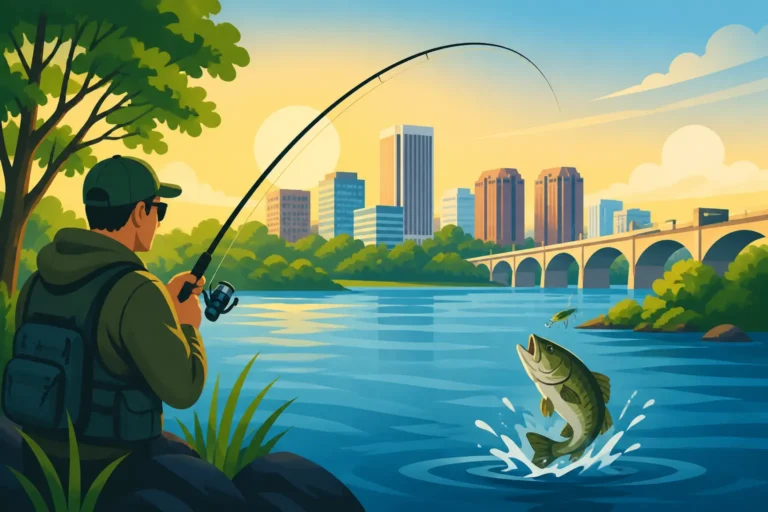
Right within the Richmond city limits, the James River becomes a tidal estuary, meaning its water levels and currents are influenced by the Chesapeake Bay tides. This unique environment creates fantastic fishing conditions, especially for largemouth bass and, famously, colossal blue catfish. The bass here tend to hug cover—think fallen trees, rock piles, and submerged structures—where they ambush baitfish. Fishing around the many islands and oxbows, like those found around Ancarrow's Landing or near the city's downtown bridges, can be incredibly productive. You'll often find anglers pitching jigs, spinnerbaits, or even topwater lures early in the morning, enjoying the thrill of a hard-fighting bass in a truly urban setting.
But let's talk about the true giants of the tidal James: the blue catfish. These magnificent fish can grow to astounding sizes, with many anglers regularly pulling in cats weighing 30, 40, or even 50+ pounds. The deep channels, bends, and holes throughout the tidal sections, especially downstream from the city, are prime real estate for these whiskered behemoths. Cut bait, like shad or herring, fished on a stout bottom rig, is the go-to method. It’s not uncommon for folks to launch their boats from places like Osborne Landing and spend a day anchored in a deep hole, patiently waiting for that rod to double over. This is big game fishing with a city skyline view, and it's an experience you won't soon forget.
Upriver Freshwater Stretches and Access Points
Move slightly upriver from the tidal line, past the Fall Line where the river drops dramatically, and the James transitions into a more traditional freshwater river. Here, the current is stronger, and the landscape shifts to more rocky shoals, rapids, and deeper pools, creating an ideal habitat for smallmouth bass. These bronze beauties are renowned for their aggressive strikes and acrobatic fights, making them a favorite target for many anglers. Fly fishing for smallmouth on the upper James River is a quintessential Virginia experience, especially during the warmer months.
Public access points are relatively plentiful, making it easier for both bank anglers and those with kayaks or small boats to get on the water. For the tidal sections, places like Osborne Landing in Henrico County offer excellent boat ramps with plenty of parking, providing quick access to prime catfish and bass grounds. Right in the city, Ancarrow's Landing and the 14th Street Boat Slide offer more urban access, perfect for launching kayaks or small jon boats. Upriver, various public parks and VDGIF (Virginia Department of Wildlife Resources) access points around Powhatan and Goochland counties allow you to reach those smallmouth havens. Remember to always check local regulations and consider purchasing a Virginia Fishing License Guide before heading out.
Seasonal Fish Behavior on the James
Understanding the seasonal patterns of fish on the James River can dramatically improve your success. Spring, for instance, is phenomenal for both largemouth and smallmouth bass as they move into shallower waters for their spawn. Topwater lures, spinnerbaits, and soft plastics become highly effective during this time. As the water warms into summer, smallmouth often retreat to deeper, cooler pools and current breaks upriver, while largemouth will seek shade and cover in the tidal sections. Night fishing for blue catfish becomes incredibly productive in summer as they feed actively under the cover of darkness.
Fall sees a resurgence in activity, often referred to as the "fall feeding frenzy," as fish fatten up for winter. This is a fantastic time for aggressive presentations with crankbaits and jigs for bass, and catfish remain active, too. Winter fishing on the James can be challenging but rewarding, especially for those targeting blue catfish in their deeper wintering holes. Patience is key, and using electronics to locate structure and baitfish will give you an edge. Knowing when and where to find your target species, and understanding Virginia Fishing Seasons Explained, is crucial for making the most of your trips.
Prime Freshwater Lakes and Reservoirs Near Richmond
While the James River offers fantastic urban fishing, sometimes you crave the open waters of a lake or reservoir. Luckily, the Richmond area is surrounded by several excellent impoundments, each with its own unique character and fishing opportunities, from popular hot spots to quieter, more secluded options.
Lake Chesdin: A Versatile Fishery for All Anglers
Located just south of Richmond, Lake Chesdin is a phenomenal reservoir that often flies under the radar compared to some of Virginia's larger lakes. But don't let its relatively modest size fool you; Chesdin offers incredible fishing for a variety of species, making it a truly versatile destination for any angler. Known primarily for its fantastic largemouth bass fishery, Chesdin also boasts healthy populations of crappie, bluegill, channel catfish, and even some striped bass (though these are less common than in larger impoundments).
Bass anglers will find plenty of structure to target, from submerged timber and rocky points to docks and brush piles. During the spring spawn, the shallow coves and protected areas can be explosive with bass activity, offering great opportunities for flipping jigs or throwing spinnerbaits. In summer, bass move to deeper water, often holding on humps, ledges, and creek channels, making crankbaits, Carolina rigs, and deep-diving lures effective. Crappie fishing on Chesdin is also top-notch, particularly in spring and fall. Anglers often target brush piles and standing timber with small jigs or live minnows. The lake has several public boat ramps, including one at the Chesdin Landing Marina, and also offers shoreline access in various spots, making it convenient for different fishing styles. If you're looking for a consistently productive lake close to Richmond, Lake Chesdin should be at the top of your list.
Lake Anna: The Popular Choice for Stripers and Bass
While a bit more of a drive from Richmond (about an hour north/northwest), Lake Anna is undeniably one of Virginia's most popular and productive lakes, drawing anglers from all over the state, and for good reason. It’s a massive lake, known for its trophy largemouth bass and, perhaps even more famously, its incredible striped bass fishery. Lake Anna’s unique characteristic is its warm side, heated by the North Anna Power Station, which creates diverse water temperatures and extends fishing seasons for certain species.
Striped bass fishing is a major draw here, with anglers often trolling large swimbaits or live bait in the main lake channels, especially during the cooler months. The power plant discharge canal is a well-known hotspot for stripers, especially when they are lethargic in other parts of the lake. For bass anglers, Lake Anna offers endless possibilities. Its vast coves, rocky points, and abundant submerged timber provide prime habitat for largemouth. Spring and fall are prime times for targeting bass, but the lake fishes well year-round if you know where to look. When planning a trip, considering checking resources like FishingBooker for local guides who specialize in Lake Anna, as their expertise can be invaluable on such a large and complex body of water. Finding Best Largemouth Bass Fishing Lakes in Virginia or Smith Mountain Lake's Elite Virginia Striped Bass Fishery (for comparison) often includes discussion of Lake Anna's renown.
Swift Creek Lake at Pocahontas State Park: Family-Friendly and Convenient
For those looking for something closer, more relaxed, and perfect for a family outing, Swift Creek Lake, nestled within Pocahontas State Park in Chesterfield County, is an excellent option. It's a convenient, beautiful spot offering good fishing for largemouth bass, crappie, sunfish (bluegill and shellcrackers), and channel catfish. The lake is electric-motor-only for boats, which helps maintain a peaceful atmosphere, ideal for kayaking, canoeing, or small jon boats.
Pocahontas State Park is renowned for being one of the best Family-Friendly Fishing Spots in Virginia, and Swift Creek Lake is a big part of that. There are several fishing piers and ample shoreline access, making it great for kids and beginners. You can rent jon boats, kayaks, and canoes right at the park's boathouse, eliminating the need to haul your own. Bass anglers can do well with plastic worms, spinnerbaits, and topwater lures around the abundant lily pads and submerged timber. Crappie and sunfish are easily caught on small jigs, worms, or crickets under a bobber. It's an ideal spot for a stress-free day of fishing, picnicking, and enjoying nature without venturing too far from Richmond.
Public Parks and Ponds: Accessible Fishing for Quick Trips
Not every fishing trip needs to be an all-day expedition to a massive lake or river. Sometimes, you just want to grab a rod, head to a nearby park, and sneak in an hour or two of fishing. Richmond and its surrounding counties are dotted with numerous public parks and ponds that offer surprisingly good fishing opportunities, perfect for a quick escape or introducing kids to the sport.
Deep Run Park and Dorey Park: Urban Angling Opportunities
Right within Henrico County, you'll find parks like Deep Run Park and Dorey Park, both offering easy-to-access ponds that are regularly stocked and managed by the Virginia Department of Wildlife Resources (DWR). These ponds are fantastic for targeting sunfish (bluegill, redear sunfish), channel catfish, and often contain a healthy population of largemouth bass. For many urban anglers, these spots are lifesavers. They're often surrounded by walking trails, playgrounds, and picnic areas, making them perfect for a multi-purpose family outing.
The DWR's urban fishing program often stocks these ponds with catchable-sized channel catfish and sometimes trout during cooler months, providing immediate gratification for anglers. For a quick trip, a simple setup with a bobber, a hook, and some worms or corn will usually yield plenty of panfish. Bass anglers can try smaller spinnerbaits, plastic worms, or even topwater frogs around the lily pads and shoreline vegetation. Always check the park's specific rules, as some might have special regulations regarding bait or creel limits. These parks truly exemplify convenient fishing, making it easy to fit a little angling into a busy schedule without a long drive.
State Park Ponds: Powhatan and Pocahontas State Parks
Beyond the immediate city parks, both Powhatan State Park and Pocahontas State Park offer a selection of smaller ponds in addition to their main lakes. These ponds are often less pressured than the larger bodies of water and can be fantastic for a more secluded experience. At Powhatan State Park, for example, you'll find small ponds tucked away that offer good fishing for bass and panfish in a tranquil setting. Similarly, Pocahontas State Park has numerous small ponds alongside Swift Creek Lake, providing even more options for bank fishing or launching a small kayak.
These state park ponds are excellent choices for beginners or young anglers because they’re generally easier to navigate, and the fish, particularly bluegill and other panfish, are often eager to bite. A simple cane pole or light spinning rod with a worm under a bobber can lead to a productive and exciting day. The state parks also boast well-maintained facilities, including restrooms, picnic areas, and sometimes even boat rentals, enhancing the overall experience. When visiting, remember that Virginia Fishing Regulations Explained apply, and a valid Virginia Fishing License Requirements for Residents and Nonresidents is almost always needed, even for smaller waters.
Exploring Tributaries: The Chickahominy River and Beyond
While the James River is the dominant waterway, Virginia has a rich network of smaller rivers and tributaries that often get overlooked. These smaller waterways can offer incredible, less crowded fishing experiences, especially for those willing to explore a little off the beaten path. The Chickahominy River is a prime example, but there are countless other smaller creeks and streams waiting to be discovered.
The Chickahominy's Unique Ecosystem for Bass and Crappie
The Chickahominy River, flowing east of Richmond before eventually joining the James, is a truly special fishery. It's a blackwater river, characterized by its slow-moving, tannin-stained waters, and it’s famous for its incredible largemouth bass fishing. The river's banks are often lined with cypress trees, tupelo gum, and dense aquatic vegetation, creating a picturesque and highly productive environment. Anglers often refer to the "Chick" as a classic Southern bass fishery, where flipping jigs or pitching soft plastics into heavy cover can result in some explosive strikes.
Beyond bass, the Chickahominy is also a fantastic destination for crappie, especially in its numerous creeks and backwater coves. During the spring, crappie move into these shallower, warmer areas, providing excellent opportunities for tight-lining small jigs or using live minnows. White perch, yellow perch, and various sunfish species are also abundant, making it a diverse fishery where you can often catch multiple species in a single outing. Popular access points include public ramps and marinas like Chickahominy Riverfront Park and River's Rest Marina, both offering easy access to the river's prime fishing grounds. A local guide can be incredibly helpful for navigating the often-tricky cypress swamps and finding the best fishing holes, and you might find one listed on FishingBooker.
Lesser-Known Creeks and Their Hidden Catches
Beyond the major rivers and lakes, don't overlook the myriad of smaller creeks and streams that crisscross the Richmond area. While these might not offer trophy fish, they can provide incredibly rewarding light-tackle angling experiences, especially for smallmouth bass in the rockier, faster-flowing streams to the west, or various panfish and even smaller bass in the slower-moving tributaries closer to the city. These hidden gems are often perfect for wade fishing or exploring in a small kayak or canoe, allowing for a more intimate connection with nature.
Finding these spots often requires a bit of research and local knowledge. Public access might be limited to bridge crossings, small pull-offs, or through public lands. Using online maps and scouting potential spots from bridges can be a great way to discover new fishing grounds. These smaller waters are usually teeming with panfish like bluegill and rock bass, which are fantastic targets for beginner anglers or those looking to simply enjoy consistent bites. Using ultralight gear with small spinners, jigs, or natural bait like worms can lead to surprising catches. Remember to respect private property and always secure permission if you’re unsure about access. These hidden pockets of water are truly some of the Best Fishing Spots You Can Reach Without a Boat.
Essential Tips for Fishing Success Near Richmond
Now that you have a good handle on where to go, let's talk about some practical advice to make your fishing trips around Richmond as successful and enjoyable as possible. Every angler, from novice to seasoned pro, can benefit from a few tried-and-true tips, especially when exploring new waters.
Gear Up: What to Bring for Virginia Waters
Preparing the right gear is fundamental for a good fishing trip. For general freshwater fishing in the Richmond area, a medium-light to medium action spinning rod and reel combo, spooled with 8-12 lb monofilament or braided line, will cover most situations, from bass and crappie to catfish. If you're specifically targeting the large blue catfish in the James River, you'll want a heavier rod (medium-heavy to heavy action) and a baitcasting reel with 20-30 lb line, or even heavier braided line, to handle those monsters.
Lure selection will vary by species, but a versatile tackle box should include:
- For Bass: Soft plastic worms, jigs (various sizes and colors), spinnerbaits, crankbaits (shallow and deep diving), and some topwater lures.
- For Crappie & Panfish: Small jigs (1/32 to 1/16 oz), tiny inline spinners, and live bait like minnows or crickets.
- For Catfish: Circle hooks (sizes 3/0 to 8/0), heavy weights (1-4 oz pyramid or no-roll sinkers), and cut bait (shad, herring, chicken livers) or prepared stink baits.
Don't forget essentials like a good pair of pliers, line cutters, a measuring tape, and a net, especially if you're targeting larger fish. A tackle box with Best Bait for Largemouth Bass in Virginia can make a real difference. Beyond fishing gear, comfortable clothing suitable for the weather, sunscreen, insect repellent, plenty of water, and snacks are crucial. A cooler for your catch is also a must if you plan on keeping fish.
Navigating Regulations and Licensing
One of the most critical aspects of fishing responsibly and legally in Virginia is understanding the regulations and ensuring you have the proper licenses. The Virginia Department of Wildlife Resources (DWR) sets specific rules regarding season dates, size limits, and creel limits for different species, and these can vary depending on the body of water. For example, the James River might have different bass regulations than Lake Chesdin. Always check the most current Virginia DWR fishing regulations manual or their website before you head out.
For most adult anglers, a valid Virginia fishing license is required. You can purchase these online through the DWR website, at local sporting goods stores like Dick's Sporting Goods or Walmart, or through authorized license agents. There are various types of licenses, including resident and nonresident, freshwater-only, saltwater-only, or combination licenses. If you're fishing in both tidal rivers (which might fall under saltwater regulations in some areas) and purely freshwater lakes, a combination license is often the most convenient. Kids typically don't need a license until a certain age, but it's always best to check the specific rules regarding Do Kids Need a Fishing License to Fish? to be absolutely sure. Getting your How to Get a Fishing License in Virginia is a straightforward process, but essential!
Consider a Guide: Local Expertise for Better Catches
If you're new to the area, targeting a specific species, or simply want to maximize your chances of a successful and educational outing, hiring a local fishing guide is an excellent investment. Guides spend countless hours on the water, understanding the nuances of local fisheries, seasonal patterns, and the best techniques. They know where the fish are hiding, what they're biting on, and how to navigate the waters safely.
For instance, a guide on the James River can put you right on massive blue catfish or hard-fighting smallmouth bass, providing the specific gear and bait needed. On Lake Anna, a striper guide can teach you the intricacies of trolling or live bait techniques for those elusive schooling fish. Many experienced guides also provide all the necessary fishing gear, bait, and even clean your catch, making it a hassle-free experience. Platforms like FishingBooker are great resources for finding reputable local guides and charters in the Richmond area, allowing you to read reviews and compare options to find the perfect match for your fishing goals. Even for a casual day, learning from a pro can drastically improve your skills and knowledge of the local waterways.
Comparing Key Fishing Spots Near Richmond
To help you visualize your options, here’s a quick comparison of some of the top fishing spots near Richmond:
| Fishing Spot | Primary Target Species | Accessibility | Best For | Unique Feature(s) |
|---|---|---|---|---|
| James River (Tidal) | Blue Catfish, Largemouth Bass, Striped Bass | Boat/Shore | Trophy Catfish, Urban Fishing | Massive catfish, historical setting |
| James River (Upriver) | Smallmouth Bass, Panfish | Wade/Kayak/Small Boat | River Bass, Fly Fishing | Scenic rapids and shoals |
| Lake Chesdin | Largemouth Bass, Crappie, Catfish | Boat/Shore | Versatility, Consistent Bites | Well-managed, often overlooked gem |
| Lake Anna | Striped Bass, Largemouth Bass, Crappie | Boat/Shore | Trophy Stripers, Large Lake | Power plant heated side, vast water |
| Swift Creek Lake (Pocahontas State Park) | Largemouth Bass, Crappie, Sunfish | Shore/Electric Boat | Family, Beginners, Kayaking | Peaceful, no gas motors, boat rentals available |
| Deep Run/Dorey Ponds | Panfish, Catfish, Stocked Trout | Shore | Quick Trips, Kids | Urban convenience, regularly stocked |
| Chickahominy River | Largemouth Bass, Crappie, Perch | Boat/Kayak | Blackwater Fishing, Cover | Cypress trees, dense vegetation, unique ecosystem |
As you can see, the Richmond area truly offers a phenomenal variety of fishing experiences. Whether you prefer battling huge catfish from a boat, fly fishing for smallmouth in a scenic river, or simply enjoying a relaxing day catching bluegill with the family at a local pond, there's a perfect spot waiting for you. Get out there, explore, and enjoy the incredible fishing that Virginia has to offer!
Disclaimer
Please note that fishing conditions, regulations, and access can change. Always consult the official Virginia Department of Wildlife Resources (DWR) website for the most current information regarding licenses, seasons, and specific body of water regulations before planning your trip. Practice responsible angling, respect private property, and help preserve Virginia's natural resources for future generations.