Where to Fish in Virginia This Year
It can feel overwhelming trying to figure out where to cast your line in Virginia. With so many incredible lakes, rivers, and miles of coastline, how do you even begin to narrow down the best spots for a successful and enjoyable fishing trip this year? This comprehensive guide is here to cut through the confusion and highlight the prime fishing destinations Virginia has to offer, tailored to every angler's dream.
Navigating Virginia's Diverse Fishing Landscape
Virginia is truly a treasure trove for anglers, offering an astonishing variety of fishing environments. From the tranquil mountain streams tumbling down the Appalachians to the vast, teeming waters of the Chesapeake Bay and the Atlantic Ocean, there’s a distinct habitat for nearly every type of fish you can imagine. This incredible diversity is what makes Virginia such a fantastic fishing destination, but it also means knowing where to go can be a bit of an art form.
Understanding Virginia's Aquatic Ecosystems
When you think about Virginia, you might picture the rolling hills of the Piedmont or the sandy beaches of the coast. But beneath the surface, there's an intricate network of aquatic ecosystems that support a vibrant fish population. Up in the western part of the state, you'll find cool, clear mountain streams that are perfect for trout. These waters are often fed by springs and snowmelt, maintaining stable temperatures that brook trout, brown trout, and rainbow trout absolutely thrive in. Moving east, these streams merge into larger rivers that cut through the landscape, like the James and the Shenandoah. Here, the water warms up a bit, creating ideal conditions for smallmouth bass, largemouth bass, and various species of catfish.
As you get closer to the coast, these rivers become tidal, meaning they're influenced by the ebb and flow of the ocean. This creates a brackish water environment where freshwater and saltwater species can coexist, offering a unique angling experience. Finally, you hit the expansive saltwater realms: the massive Chesapeake Bay, its numerous tributaries, and the open Atlantic Ocean. These areas are home to a whole different roster of fish, from striped bass (often called "rockfish" here) and flounder to red drum, cobia, and even offshore pelagics like tuna and marlin further out. Understanding these different zones is the first step in planning your perfect Virginia fishing adventure.
The Allure of Freshwater Versus Saltwater Pursuits
Choosing between freshwater and saltwater fishing often comes down to personal preference, the kind of challenge you're seeking, and the species you're hoping to encounter. Freshwater fishing in Virginia, particularly in its lakes and rivers, offers a more intimate experience. You might be targeting elusive largemouth bass hiding under lily pads in a quiet cove on Lake Anna, or wading a clear mountain stream, fly rod in hand, hoping to fool a wary brook trout. The scenery is often lush and verdant, providing a peaceful escape from the hustle and bustle. The techniques can vary widely, from finesse fishing with light tackle to casting heavy swimbaits for monster catfish.
Saltwater fishing, on the other hand, brings a different kind of thrill. The sheer vastness of the Chesapeake Bay and the ocean can be exhilarating. Here, you're often dealing with larger, more powerful fish that put up incredible fights. Whether you're trolling for striped bass, bottom fishing for flounder, or experiencing the adrenaline rush of a red drum tearing line off your reel, saltwater fishing offers big action. It can also be a more social experience, especially on a charter boat where you're sharing the adventure with friends or family. Both offer unique rewards, and Virginia provides ample opportunities to enjoy the best of both worlds.
Key Factors for Choosing Your Fishing Destination
Before you even pack your tackle box, think about what you want out of your fishing trip this year. Are you chasing a trophy fish, or looking for a relaxing day with the family? The species you want to target is a huge factor. If it's smallmouth bass, you'll likely head to a river like the Shenandoah. If it's striped bass, the Chesapeake Bay or Smith Mountain Lake are prime candidates. Access is another big consideration – do you have a boat, or are you looking for good public pier or bank fishing spots? Virginia has plenty of both, but not every prime location is easily accessible without a vessel.
Seasonality is paramount in Virginia fishing. Fish behavior changes dramatically with water temperature, spawning cycles, and feeding patterns throughout the year. For instance, spring might be fantastic for crappie in shallow coves, while fall offers some of the best striped bass action. Don't forget about regulations either; each body of water and species has specific rules about size limits, creel limits, and seasons, so always check the latest Virginia Fishing Regulations Explained before you head out. By considering these factors, you can dramatically increase your chances of a successful and enjoyable trip.
Virginia's Premier Freshwater Fishing Lakes
Virginia boasts an impressive array of freshwater lakes, each with its own unique character and fishing opportunities. These expansive impoundments are truly the beating heart of the state's inland fishing scene, drawing anglers from all over for their abundant populations of bass, crappie, catfish, and even landlocked striped bass.
Smith Mountain Lake: A Striper and Bass Powerhouse
If you've ever dreamt of battling a hard-fighting striped bass in freshwater, then Smith Mountain Lake should be at the very top of your list. Located in the beautiful Blue Ridge Mountains, this enormous reservoir, often simply called "SML," is renowned as one of the best landlocked striped bass fisheries in the entire country. These powerful fish cruise the lake's deep, clear waters, often schooling up and feeding on baitfish, creating explosive topwater action at certain times of the year. Anglers often employ trolling techniques with downriggers or umbrella rigs, or chase surface boils with topwater plugs and spoons, especially during the spring and fall. For more specific tactics, check out our guide on Smith Mountain Lake Striped Bass Fishing in Virginia.
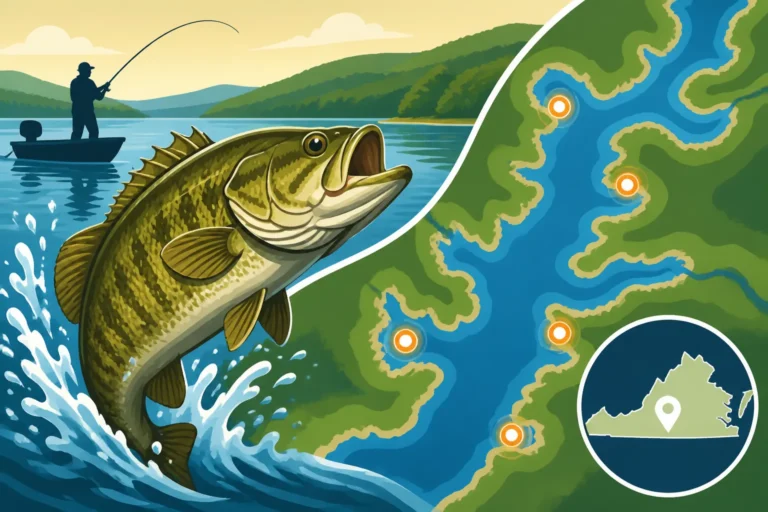
But SML isn't just about stripers. It's also a phenomenal lake for largemouth and smallmouth bass. The lake's diverse structure, including rocky points, submerged timber, coves, and deep ledges, provides endless hiding spots for these aggressive predators. Largemouth bass tend to prefer the shallower, more protected coves and docks, while smallmouth bass often hug the rocky main lake points and humps. Crappie and catfish are also plentiful, offering additional targets for anglers looking to fill a cooler or enjoy a more relaxed day of fishing. The sheer size and productivity of Smith Mountain Lake make it a must-visit for any serious freshwater angler in Virginia.
Lake Anna: Largemouth, Striper, and Catfish Haven
Venturing a bit further east, Lake Anna offers another fantastic freshwater fishing experience, particularly for largemouth bass, striped bass, and a robust population of catfish. This large, man-made reservoir is famous for its warm water discharge from the North Anna Nuclear Power Station, which creates a unique warm-water zone, especially during colder months. This can keep fish active and feeding when other lakes might be slower, making Lake Anna a prime destination for year-round fishing. The main lake features a mix of clear and stained water, with plenty of structure like docks, submerged brush, and hydrilla beds that largemouth bass love.
Striped bass also thrive in Lake Anna, though they tend to be a bit smaller on average than those in SML. Anglers here often target them using live bait or by trolling. The lake is also a consistent producer of big catfish, with channel, blue, and flathead catfish growing to impressive sizes. Bottom fishing with cut bait or chicken livers in deeper channels and coves can yield some truly monster catches. Lake Anna also offers good opportunities for crappie, especially around brush piles and bridge pilings. Its central location and varied fishery make it a popular choice for anglers seeking diverse opportunities on a single body of water.
Kerr Reservoir (Buggs Island Lake): A Crappie and Catfish Destination
If you're a fan of panfish and monster catfish, then Kerr Reservoir, often known as Buggs Island Lake, is your paradise. Spanning the Virginia-North Carolina border, this massive impoundment is the largest lake in Virginia and offers an incredible amount of water to explore. It's particularly renowned for its crappie fishery, with anglers flocking here in spring to target slabs around submerged timber, brush piles, and shallow coves. Techniques like jigging, tightlining, and spider rigging are all popular and effective here, especially when the crappie move shallow for their spawn.
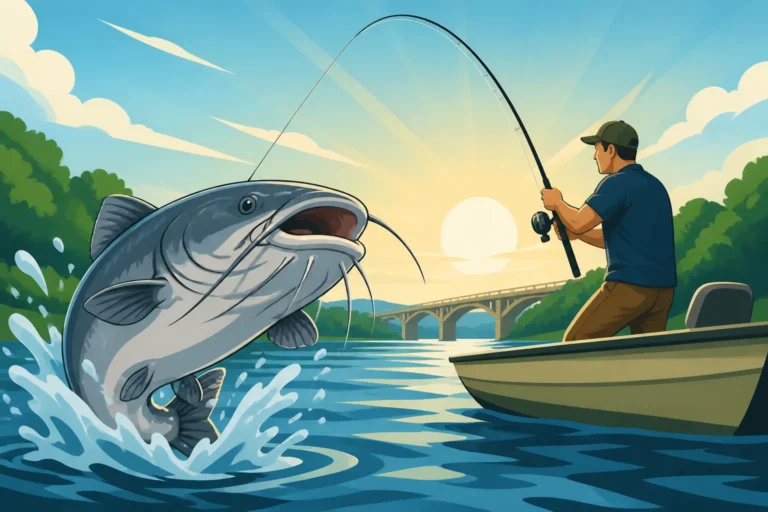
Beyond crappie, Buggs Island is a legendary catfish lake, holding some truly enormous blue catfish. These bottom-dwelling giants can exceed 50 pounds, making for an epic battle on rod and reel. Anglers often use large chunks of cut bait, like shad or herring, fished on the bottom in deeper channels and humps. The lake also has healthy populations of largemouth bass, stripers, and white perch. Its vast size and numerous coves mean there's always a new spot to discover, providing endless opportunities for exploration and a quiet escape. For those looking for consistent action and a chance at truly big fish, Kerr Reservoir is hard to beat.
Claytor Lake: Unique Walleye and Bass Opportunities
Nestled in Southwest Virginia, Claytor Lake offers a distinct fishing experience, particularly noted for its populations of walleye, muskellunge, and a diverse mix of bass species. This lake’s clear, deep waters and rocky bottom create ideal habitats for walleye, a highly sought-after game fish known for its delicious fillets and challenging bite. Anglers typically target walleye by trolling with crankbaits or by jigging in deeper sections of the lake, especially around submerged humps and points. The best times are often dawn, dusk, or even night, when these light-sensitive fish are most active.
Claytor Lake is also a multi-species bass fishery, holding largemouth, smallmouth, spotted, and even Alabama bass. This provides an exciting challenge for anglers who enjoy trying to catch all four species in a single trip. Smallmouth bass thrive in the lake's rocky, cooler waters, offering a strong fight. While muskies are less common, the opportunity to hook into one of these freshwater giants adds an extra layer of excitement for dedicated trophy hunters. For comprehensive details on the lake's diverse offerings, consider exploring a Claytor Lake's Diverse Virginia Fish Species Guide. Its unique blend of species makes Claytor Lake a standout destination for those looking for something a little different from the typical bass-centric lakes.
Rivers Rife with Opportunities: Virginia's Best River Fishing
While Virginia's lakes get a lot of attention, the state's rivers offer some of the most diverse and exciting fishing experiences, from peaceful fly fishing to hard-hitting battles with giant catfish. These flowing waters are truly Virginia's arterial fishing highways.
The Legendary James River: Catfish, Bass, and More
The James River, stretching from the Allegheny Mountains all the way to the Chesapeake Bay, is a truly iconic waterway in Virginia, offering an incredible variety of fishing opportunities along its length. In its upper and middle sections, the James is famous for its smallmouth bass fishery. These feisty fish love the rocky riffles, swift currents, and deep pools, providing fantastic action for both spin and fly anglers. Floating the river in a canoe or kayak is a popular way to access these productive waters, casting spinnerbaits, crankbaits, or soft plastics along current seams and structure.
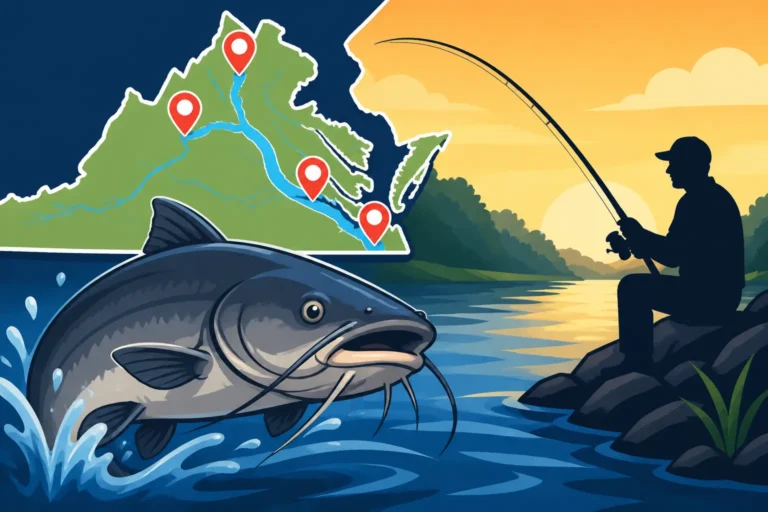
As the James River moves downstream, especially below Richmond, it transitions into a tidal river, opening up a whole new world of fishing. This lower section is renowned for its world-class blue catfish fishery. Anglers regularly pull out monstrous blue cats, some weighing over 50 pounds, by anchoring in deep channels and fishing large cut baits on the bottom. Flathead catfish and channel catfish are also abundant. The tidal James also offers excellent opportunities for largemouth bass in its numerous creeks and backwaters, as well as white perch, crappie, and even striped bass during their seasonal migrations. It's a river that truly has something for everyone, making it one of the Best Fishing Spots in Virginia.
Shenandoah River: Smallmouth Bass and Scenic Fly Fishing
For those who love the peace and challenge of river fishing, particularly for smallmouth bass, the Shenandoah River is an absolute gem. Winding through the picturesque Shenandoah Valley, this river is often hailed as one of the best smallmouth bass rivers on the East Coast. Its clear waters, rocky bottoms, and constant current create perfect habitat for smallmouth, which are known for their acrobatic fights and willingness to hit a variety of lures and flies. Anglers frequently float sections of the river in kayaks or canoes, casting poppers, streamers, spinnerbaits, and tube jigs into eddies, around boulders, and along submerged ledges.
Beyond smallmouth, the Shenandoah also offers fantastic fly fishing opportunities for trout in its colder headwaters and some of its tributaries. These pristine sections are home to wild brook trout, brown trout, and stocked rainbow trout, providing a tranquil and rewarding experience for fly anglers. The stunning scenery of the valley, combined with the excellent fishing, makes a trip to the Shenandoah River an unforgettable adventure. Whether you're a seasoned fly caster or a spin fisherman looking for an exhilarating fight, the Shenandoah delivers. You can learn more about this specific type of angling with our Shenandoah River Fly Fishing for Trout and Smallmouth Bass in Virginia guide.
Tidal Rivers: A Blend of Fresh and Salt
Virginia's tidal rivers – including the Rappahannock, York, and Potomac – offer a fascinating blend of freshwater and saltwater fishing, where different species move with the tides and seasons. In their upper reaches, these rivers behave much like their freshwater counterparts, holding largemouth bass, crappie, and various panfish. But as you travel downstream, the influence of the Chesapeake Bay becomes undeniable, bringing in species like striped bass (rockfish), white perch, flounder, and even red drum at certain times of the year. This transition zone is incredibly dynamic, making every trip a potential surprise.
These tidal rivers are particularly famous for their spring and fall runs of striped bass, where large schools of fish move upriver to spawn or feed. Anglers often troll with bucktails or swimbaits, cast soft plastics, or fish live bait to target these migratory beauties. The lower sections also offer fantastic opportunities for bottom fishing for croaker, spot, and flounder, particularly around bridge pilings, oyster reefs, and channel edges. Kayak anglers especially love exploring the vast network of creeks and marshy backwaters of these rivers for bass and redfish. It's an environment that constantly changes, offering a truly unique angling challenge.
Mountain Streams: A Haven for Wild Trout
For those who cherish solitude, natural beauty, and the pursuit of native fish, Virginia's mountain streams are an unparalleled destination. Tucked away in the George Washington and Jefferson National Forests, these cold, clear waters are home to Virginia's native brook trout, as well as populations of wild brown and rainbow trout. Fishing these streams is often a humbling experience, requiring stealth, patience, and precise casting with light tackle or fly rods. The fish are often small but incredibly beautiful, with vibrant colors that reflect their pristine environment.
Access to these wild trout streams often involves a hike, adding to the sense of adventure and seclusion. The best approach is typically with small spinners, worms, or a variety of dry flies and nymphs, presenting them naturally in pockets, riffles, and plunge pools. These streams are carefully managed, and many are designated as "wild trout waters" with special regulations, including single-hook artificial lures only and catch-and-release rules in some areas to protect these delicate populations. For dedicated trout anglers, these mountain streams offer a truly authentic and rewarding wilderness fishing experience. Delve deeper into specific seasonal timings and requirements with our Virginia Stocked Trout Season Guide.
Coastal and Estuarine Treasures: Virginia's Saltwater Hotspots
Virginia's extensive coastline, dominated by the magnificent Chesapeake Bay and the Atlantic Ocean, offers some of the most thrilling saltwater fishing opportunities on the East Coast. From world-class migratory species to delicious bottom dwellers, there's an adventure waiting for every saltwater enthusiast.
Chesapeake Bay: World-Class Striped Bass and Flounder
The Chesapeake Bay isn't just a national treasure; it's a world-class fishing destination, especially famous for its striped bass (rockfish) fishery. Anglers come from all over to experience the spring and fall runs, when large schools of stripers migrate through the Bay. Trolling with large lures, jigging with heavy spoons and soft plastics, or live-lining bunker are popular and effective methods to hook into these powerful fish, which can reach impressive sizes. Understanding the Virginia Striped Bass Season and Slot Limit Guide is crucial before heading out, as regulations are strict to protect this vital fishery.
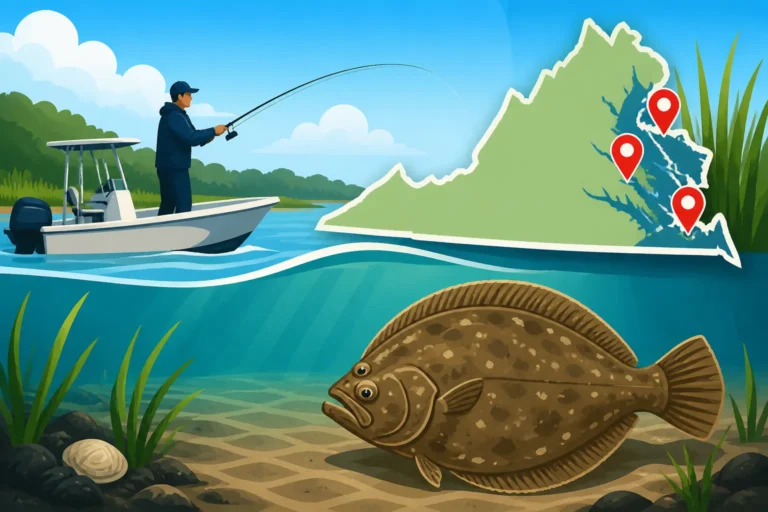
But the Bay offers so much more than just stripers. It's also a prime location for flounder, particularly around structure like bridge pilings, artificial reefs, and channel edges. Bottom fishing with minnows or strips of squid is a common tactic for these delicious flatfish. You'll also find abundant croaker, spot, bluefish, and drum, especially in the shallower flats and tributary mouths. Whether you're on a private boat, a charter, or fishing from one of the many public piers, the Chesapeake Bay provides an incredible diversity of saltwater action. It's truly a bucket-list destination for any angler. You can find out more about the prime spots in our Chesapeake Bay Striped Bass Fishing Guide.
Virginia Beach: Pier, Surf, and Offshore Adventures
For those who crave the open ocean and the thrill of diverse species, Virginia Beach is the ultimate saltwater playground. The city's extensive coastline offers multiple avenues for fishing, catering to all skill levels and preferences. For convenient, accessible fishing, the Virginia Beach fishing piers (such as the Virginia Beach Fishing Pier and Lynnhaven Inlet Fishing Pier) are fantastic. From these structures, anglers can catch croaker, spot, flounder, bluefish, and even king mackerel during their seasonal migrations. It's a great option for families or those without a boat, providing a relaxed atmosphere with plenty of action.
Surf fishing along the vast stretches of sandy beach is another popular pursuit. Anglers cast baits like cut bait, shrimp, or bloodworms into the surf for species such as drum (red and black), croaker, kingfish, and even small sharks. For the serious offshore enthusiast, Virginia Beach is a gateway to the deep blue. Numerous charter boats operate out of Rudee Inlet, heading out to the wrecks, reefs, and offshore canyons. These trips target species like tuna (yellowfin, bluefin), mahi-mahi, wahoo, swordfish, and various species of marlin, offering a truly exhilarating big-game fishing experience that few other places can match. For booking options, many anglers rely on services like FishingBooker to connect with reputable charters in the area.
Tidal Estuaries: Nursery Grounds for Diverse Species
Beyond the main stem of the Chesapeake Bay and the immediate oceanfront, Virginia's numerous tidal estuaries and coastal sounds are vital, productive fishing grounds. These intricate networks of creeks, marshes, and shallow bays serve as critical nursery habitats for many species, and they offer fantastic fishing in their own right. Locations like the Eastern Shore's barrier islands, the inlets along the coast, and the vast backwaters of the coastal rivers are teeming with life.
Here, anglers can target a variety of species that thrive in the brackish, nutrient-rich waters. Red drum are a prized catch, particularly in the shallow flats and marsh edges, where they can be targeted with soft plastics or live bait. Speckled trout (sea trout) are also abundant, offering exciting topwater action during warmer months. Flounder, bluefish, and various panfish like white perch are also commonly caught. Kayak and shallow-draft boat anglers particularly excel in these areas, as they can access skinny water that larger vessels cannot. The protected nature of many of these estuaries often makes for calmer fishing conditions, ideal for a peaceful day on the water and a great place to introduce beginners to saltwater fishing.
Hidden Gems and Niche Fisheries: Beyond the Big Names
While Virginia's major lakes, rivers, and coastal areas rightfully get most of the attention, the state is also dotted with countless smaller, often overlooked fishing spots that offer fantastic opportunities for a quieter, more intimate angling experience. These hidden gems are perfect for families, beginners, or anyone looking to escape the crowds.
State Park Lakes and Ponds: Family-Friendly Fishing
Virginia's State Parks are more than just hiking trails and campgrounds; many of them feature beautiful, well-maintained lakes and ponds that are fantastic for fishing, especially for families with kids or those seeking easy access. Places like Lake Fairfax Park, Lake Accotink Park, and the lakes within Douthat State Park or Holliday Lake State Park offer excellent opportunities to catch panfish (bluegill, sunfish), crappie, and largemouth bass. These waters are often regularly stocked and managed to ensure a healthy fish population, making them reliable spots for consistent action.
The beauty of state park fishing is the convenience. You'll often find amenities like picnic areas, restrooms, boat rentals (for jon boats or paddleboats, usually), and easy bank access. Many even have fishing piers that are accessible for all, including those with mobility challenges. The focus here is often on relaxation and enjoying nature, making it the perfect setting for a child's first fishing experience or a leisurely afternoon casting a line. These locations embody the spirit of accessible, family-friendly angling. Learn more about Virginia's Rules for Fishing on Public and Private Waters.
Stocked Trout Waters: Accessible Opportunities for Trout Anglers
For those who love the pursuit of trout but might not be up for bushwhacking through dense wilderness to find wild fish, Virginia's extensive network of stocked trout waters provides fantastic and accessible opportunities. The Virginia Department of Wildlife Resources (DWR) actively stocks numerous rivers, streams, and even some small lakes with rainbow, brown, and brook trout throughout the fall, winter, and spring months. This program ensures that trout fishing remains a viable and enjoyable option for a broad range of anglers.
Popular stocked waters include portions of the Jackson River, the Roanoke River (below the Smith Mountain Lake Dam), and various designated "stocked trout streams" found across the state. These areas are usually well-marked and have good public access points. While these fish are often less wary than their wild counterparts, they still provide a spirited fight and are a joy to catch. A special stocked trout license is required in addition to a regular Virginia Fishing License Guide when fishing in these designated waters, so make sure you're properly equipped before you go. This program is a testament to Virginia's commitment to providing diverse angling experiences for everyone.
Public Piers and Bank Access: Fishing Without a Boat
You don't need a fancy boat to enjoy some incredible fishing in Virginia. The state offers a wealth of public piers, docks, and bank access points that put anglers right in the action. Along the Chesapeake Bay and its tidal rivers, numerous public piers, like those at Newport News or Buckroe Beach, provide excellent opportunities to catch a variety of saltwater species. Here, you can bottom fish for croaker, spot, flounder, or even cast for bluefish and stripers during their runs. These piers often have bait shops, cleaning stations, and provide a social atmosphere.
In freshwater, many lakes and rivers offer designated bank fishing areas. State parks, local parks, and DWR access points often include shoreline access, jetties, or small fishing docks. The James River, for instance, has several well-known bank fishing spots, particularly for catfish. Even in urban areas like Richmond, you can find surprisingly productive spots to cast a line without ever leaving the pavement. For kids or beginners, a simple setup with a bobber and worms can yield plenty of panfish from almost any public pond or lake shore. These accessible options make fishing a possibility for everyone, regardless of their equipment or experience level.
Planning Your Virginia Fishing Adventure: Essential Tips
Now that you've got a handle on where to fish, let's talk about how to make your trip a resounding success. Planning ahead, understanding seasonal patterns, and knowing what species you're after are crucial for a memorable outing.
Seasonal Strategies for Virginia's Waters
Fishing in Virginia is a year-round sport, but the best spots and techniques change dramatically with the seasons. Spring is often a fantastic time as fish become more active after winter's chill. Bass move shallow for their spawn, crappie congregate around brush, and migratory saltwater species begin to return to the Bay. This is a prime time for exciting action in both fresh and saltwater. Our Virginia Fishing Seasons Explained provides a detailed breakdown.
Summer brings warmer water, which can push fish into deeper, cooler areas or make them more active during dawn and dusk. Night fishing for catfish becomes particularly popular, and offshore saltwater opportunities really kick into high gear. Fall is another peak season, especially for striped bass as they begin their feeding frenzy before winter. Bass and crappie also become very active as water temperatures cool, often feeding aggressively. Even winter offers opportunities, particularly for deep-water striped bass in lakes like Smith Mountain Lake, or for trout in stocked streams, provided you bundle up! Understanding these seasonal shifts is key to being in the right place at the right time.
Targeting Specific Species
Having a target species in mind helps immensely when choosing your location and refining your techniques. If you're passionate about bass, for instance, you'll want to focus on lakes like Smith Mountain Lake or Lake Anna for largemouth, or rivers like the Shenandoah and James for smallmouth. You'll be using different lures and presentations depending on the specific bass species and their environment. Our guide on How to Catch Largemouth Bass Year-Round can offer some great insights.
For trout anglers, mountain streams or DWR-stocked waters are the go-to. Different flies, baits, and presentation styles are critical for success there. If you're chasing the thrill of big catfish, the James River or Kerr Reservoir are prime, and you'll need heavy tackle and robust baits. Saltwater anglers targeting striped bass in the Chesapeake Bay will employ specific trolling or jigging strategies, while those after flounder will opt for bottom fishing with live bait. Even panfish, which are great for beginners, have specific preferences for small baits and light tackle. Tailoring your approach to your target species is paramount. For panfish, Bream and Bluegill Fishing for Beginners is a good starting point. If catfish is your game, check out Catfish Fishing Techniques and Bait Guide.
Considering Guided Trips and Charters
Sometimes, the best way to ensure a successful and enjoyable fishing trip, especially when exploring new waters or targeting elusive species, is to enlist the help of a professional guide or charter captain. Virginia has a vibrant community of experienced guides who specialize in everything from fly fishing for trout in mountain streams to chasing trophy striped bass on the Chesapeake Bay or Smith Mountain Lake. These pros have invaluable local knowledge, knowing exactly where the fish are, what they're biting on, and how to effectively catch them.
Booking a guided trip takes all the guesswork out of your outing. The guide typically provides all the necessary equipment, bait, and often even takes care of your fishing license as part of the package (though always confirm this when booking). This is especially beneficial for beginners or those visiting from out of state. For saltwater big game, a fishing charter is almost a necessity. You can find a vast array of options, from half-day freshwater trips on Lake Anna to full-day offshore excursions out of Virginia Beach, by looking at platforms like FishingBooker. They offer a convenient way to browse, compare, and book trips with reputable captains. For more details on the logistics, check out our guide on How to Book a Fishing Charter in Virginia. These services can significantly elevate your fishing experience, transforming a good day into an unforgettable one.
Ethical Angling and Conservation in Virginia
As anglers, we have a responsibility to protect the very resources we enjoy. Virginia's diverse fisheries are a precious commodity, and practicing ethical angling, adhering to regulations, and understanding how our actions contribute to conservation efforts are vital for ensuring healthy fish populations for generations to come.
Understanding Virginia Fishing Regulations
This is perhaps the most critical aspect of ethical angling. Virginia has a comprehensive set of fishing regulations designed to manage fish populations, prevent overfishing, and maintain ecological balance. These regulations cover everything from statewide length and creel limits for popular species like largemouth bass and striped bass to specific rules for individual bodies of water, like special slot limits on certain lakes or "artificial lures only" rules on wild trout streams. Ignorance of the law is never an excuse, and game wardens do regularly patrol waters across the state.
Before every trip, it's your responsibility to consult the latest Virginia Fishing Regulations Explained handbook, available on the Virginia DWR website or at license vendors. Pay close attention to season dates, minimum or maximum size limits, daily creel limits (how many fish you can keep), and any gear restrictions. For saltwater fishing, ensure you also understand the Virginia's Fishing License and Catch Limit Basics and the specific federal regulations that may apply to offshore species. Staying informed isn't just about avoiding fines; it's about being a responsible steward of Virginia's incredible aquatic resources.
Catch and Release Practices and Sustainable Fishing
While keeping a legal limit of fish for a delicious meal is certainly part of the fishing experience, practicing catch and release, particularly for certain species or larger breeding fish, is a cornerstone of sustainable angling. Many anglers choose to release most or all of their catch, especially when targeting popular game fish like bass or striped bass, allowing them to reproduce and grow, thereby contributing to the health of the fishery.
If you plan to release fish, it's important to do so in a way that maximizes their survival. This means minimizing their time out of water, handling them gently with wet hands, using dehooking tools to remove hooks quickly, and avoiding touching their gills. Barbless hooks can also make removal much easier. For trophy fish you intend to release, consider a quick photo while the fish is still in the water, or supporting its weight horizontally to prevent internal damage. Educating yourself on proper catch and release techniques for different species helps ensure that those fish live to fight another day and continue to contribute to Virginia's vibrant ecosystem.
How Fishing License Fees Support Wildlife
It might feel like just another fee, but every dollar spent on a Virginia fishing license plays a direct and crucial role in the conservation and management of the state's fish and wildlife resources. These funds are primarily used by the Virginia Department of Wildlife Resources (DWR) to support a wide range of programs that benefit anglers and the environment alike. This includes stocking fish in public waters, conducting scientific research to monitor fish populations and aquatic health, enforcing fishing regulations, and protecting critical habitats.
Furthermore, a significant portion of license fees, along with taxes on fishing equipment (through the Dingell-Johnson Act), goes towards habitat restoration projects, access improvements (like boat ramps and fishing piers), and educational programs. So, when you purchase a Virginia Fishing License Guide or any special permits, you're not just buying the right to fish; you're actively investing in the future of fishing in Virginia. It’s a collective effort, and your contribution is essential to maintaining the quality and abundance of the angling experiences we all cherish.
Choosing the Right Spot for Every Angler
With so many incredible options, deciding where to fish in Virginia can still feel like a big decision. But by considering your preferences, skills, and what kind of adventure you're looking for, you can narrow down the perfect spot for your next outing this year.
Matching Skills and Preferences to Locations
Are you a seasoned pro looking for a challenging fight, or a beginner hoping to catch anything? If you're new to fishing or bringing kids along, you'll want spots with easy access, plenty of panfish, and perhaps amenities like piers or restrooms. State park lakes, small public ponds, or designated family-friendly fishing spots in Virginia are ideal for this. A simple bobber and worm setup can guarantee smiles and some bites.
Experienced anglers seeking a trophy largemouth might focus on the deep structure of Smith Mountain Lake or the lily pad fields of Lake Anna. Fly fishermen looking for solitude and a challenge will gravitate towards the wild trout streams in the mountains. If you love the thrill of big fish and the open water, then a Chesapeake Bay striped bass charter or an offshore trip out of Virginia Beach is your calling. Matching your skill level and what you want from the day to the right location is key to a rewarding experience.
Balancing Crowds and Solitude
Virginia's most popular fishing spots, especially during peak seasons, can get quite busy. Lakes like Smith Mountain Lake and Lake Anna, or the prime sections of the Chesapeake Bay during a striper run, will see a lot of boat traffic and angler activity. If you enjoy the bustling atmosphere, the chance to compare notes with other anglers, or the amenities of popular areas, these spots are fantastic.
However, if you're seeking peace and quiet, Virginia also offers plenty of opportunities for solitude. Exploring the upper reaches of smaller rivers, hiking into a remote mountain stream for wild trout, or launching a kayak into the expansive marshlands of a tidal estuary can offer a much more secluded experience. Even on larger lakes, knowing how to find less-pressured coves or fishing during off-peak hours can provide that cherished tranquility. It’s all about knowing your own preferences and doing a little research to find that perfect balance.
Discovering New Fishing Horizons
One of the greatest joys of fishing in Virginia is the endless possibility of discovery. Perhaps you've always fished for bass but want to try fly fishing for trout. Or maybe you're a freshwater angler ready to experience the pull of a saltwater striped bass. Virginia provides the perfect backdrop for expanding your angling horizons. Don't be afraid to try a new lake, explore a different river, or book a charter for a species you've never targeted before.
The state's diverse geography means there's always something new to learn and experience. Maybe this year is the year you finally go after those elusive walleye in Claytor Lake, or take on the challenge of a multi-day trip exploring different sections of the James River. Virginia is truly a fisherman's paradise, offering a lifetime of angling adventures. Get out there, explore, and tight lines for a fantastic year of fishing!
Disclaimer
The information provided in this guide is for general informational purposes only and is subject to change. Fishing regulations, seasons, and licensing requirements in Virginia can change frequently. Always consult the official Virginia Department of Wildlife Resources (DWR) website or their current fishing regulations handbook before planning any fishing trip to ensure compliance with all applicable laws and to ensure your safety.