Best Bass Fishing Lakes in Virginia
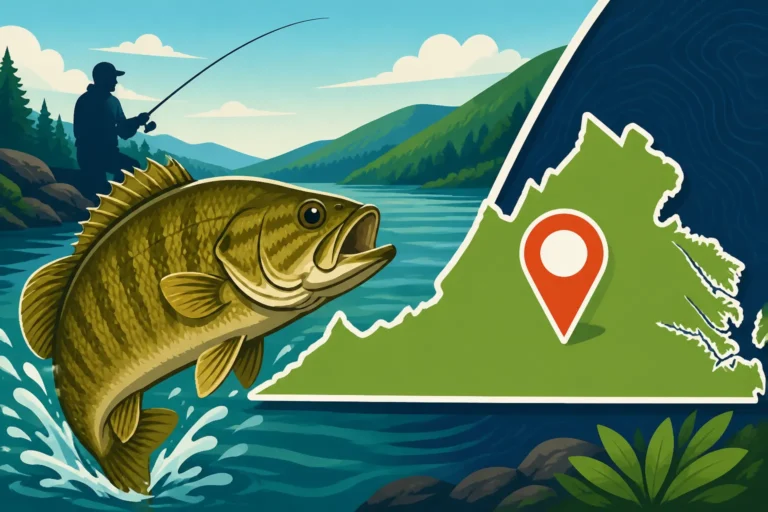
Finding that perfect honey hole for bass in Virginia can feel like searching for a needle in a haystack, especially with our state's incredible diversity of waterways. You've got everything from vast reservoirs to scenic rivers, each holding its own promise of a trophy catch. This guide is here to cut through the noise, offering an in-depth look at Virginia's premier bass fishing lakes, helping you pinpoint exactly where to cast your line for the best largemouth, smallmouth, spotted, and even Alabama bass action.
Understanding Virginia's Diverse Bass Fishery
Virginia truly offers a smorgasbord for bass anglers. We're not just talking about largemouth bass here, which are undoubtedly the kings of many of our lakes. The Old Dominion is home to a fantastic array of black bass species, each with its own preferred habitats and fighting styles. This diversity means that no matter your preference – whether it's battling a big largemouth from heavy cover or enjoying the acrobatic jumps of a smallmouth in clear water – Virginia has a spot for you.
The Different Bass Species in Virginia
Before we dive into the best lakes, let's briefly touch on the main players you'll encounter. The most common and sought-after is the largemouth bass, known for its green, mottled sides and its lower jaw extending past its eye. These fish love structure, whether it's submerged timber, lily pads, or dock pilings. Then there's the smallmouth bass, a bronze-colored beauty that typically thrives in cooler, clearer waters, especially rivers and the deeper, rockier sections of lakes. They're renowned for their hard fighting and aerial displays.
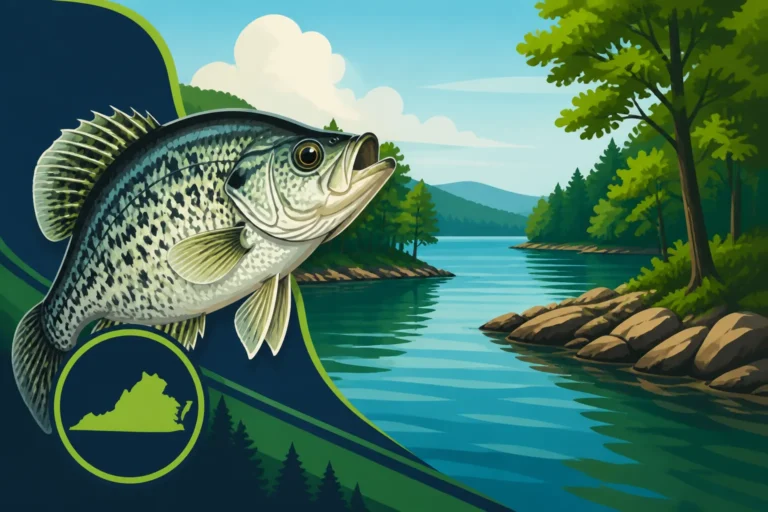
More recently, anglers have become aware of spotted bass, which can often be mistaken for largemouth. They have a smaller mouth, a rough patch on their tongue, and tend to school more, often found in deeper, open water. And for a truly unique challenge, some of Virginia's waters, notably Claytor Lake, are now home to the feisty Alabama bass. These guys are aggressive, grow large, and can completely take over a fishery, offering an exciting, if sometimes controversial, new target for anglers. Understanding these differences is key to tailoring your approach, whether you're chasing a lunker largemouth or a river smallmouth.
Why Virginia Offers World-Class Bass Fishing
Virginia's unique geography plays a huge role in its fantastic bass fishing. We have everything from the Appalachian Mountains to the coastal plain, providing a vast range of environments. Our western lakes, nestled in the mountains, often feature deep, clear waters ideal for smallmouth and spotted bass, while the central and eastern reservoirs are typically shallower, more fertile, and perfect for growing massive largemouth.
Furthermore, the Virginia Department of Wildlife Resources (DWR) does an incredible job of managing these fisheries, implementing smart regulations and stocking programs that help sustain healthy populations. Many of our lakes are consistently ranked among the best in the nation for bass, drawing anglers from all over. The mild climate means a relatively long fishing season, and even during the colder months, dedicated anglers can find success with the right techniques. It’s this combination of natural bounty, dedicated management, and diverse species that truly sets Virginia apart as a bass fishing destination.
Smith Mountain Lake: The Trophy Largemouth Haven
Ah, Smith Mountain Lake. If you've been bass fishing in Virginia for any length of time, you've undoubtedly heard tales of the monsters that lurk beneath its surface. This massive 20,600-acre reservoir, often affectionately called SML, is perhaps the undisputed king when it comes to trophy largemouth bass in our state. It's not just a beautiful place; it's a legitimate big-bass factory.
Targeting Largemouth Bass at Smith Mountain Lake
Smith Mountain Lake is a deep, clear reservoir, but don't let that fool you into thinking it's only a smallmouth haven. While it certainly holds its share of bronzebacks, the largemouth fishery is what truly shines, especially if you're chasing that five-pound-plus bucketmouth. The key to success here often lies in adapting to the lake's diverse structure. You'll find extensive boat docks, submerged brush piles, rocky points, and creek channels, all holding fish at different times of the year.
During the pre-spawn and spawn periods, typically from late March through May, largemouth move shallow, making them accessible to a variety of techniques. Think spinnerbaits, crankbaits, and jigs around rocky banks and visible cover. As the water warms in summer, the fish often move deeper, congregating around offshore humps, ledges, and deep docks. This is when vertical presentations like drop-shot rigs, shaky heads, and deep-diving crankbaits truly excel. Don't be afraid to experiment with different baits and depths; the fish can be anywhere. For more specific strategies, check out our guide on how to catch a trophy largemouth bass at Smith Mountain Lake.
Other Bass Species and Seasonal Tips
While largemouth steal the show, Smith Mountain Lake also offers excellent fishing for smallmouth and striped bass. The smallmouth here tend to prefer the clearer, rockier areas, especially towards the lower end of the lake and around the main lake points. Targeting them with finesse techniques like tubes, grubs, and hair jigs can be incredibly effective, especially in cooler water.
Seasonally, spring and fall are generally considered the prime times for bass fishing on SML. The Bass Spawn Timing on Virginia Lakes article can give you specific windows to target. In spring, as water temperatures rise, fish become more active, moving to shallower water for spawning. This is a fantastic time for sight fishing and covering water with moving baits. Fall sees bass aggressively feeding up before winter, making them vulnerable to crankbaits, spinnerbaits, and topwater lures, especially during the morning and evening hours. Even in winter, deep jigging spoons and slow presentations can pull out some impressive fish. It's a year-round fishery if you know how to adjust.
Essential Gear and Access Points
For Smith Mountain Lake, you'll want a versatile arsenal. Medium-heavy to heavy casting rods are ideal for pitching jigs and plastics around docks and brush, while medium-action spinning rods are perfect for finesse techniques like drop-shotting for deeper bass or smallmouth. Line selection is crucial; consider fluorocarbon for its sensitivity and invisibility, or braided line with a fluorocarbon leader for power fishing in heavy cover.
Access to SML is plentiful, with numerous public boat ramps and private marinas scattered around the lake. Popular public ramps include those at Smith Mountain Lake State Park (check out other State Park Fishing Spots in Virginia) and various DWR access points. If you're looking for a guided trip, many local guides specialize in SML bass, and platforms like FishingBooker can help you find experienced captains who know the lake's nuances intimately. They can significantly cut down your learning curve, especially if it's your first time on such a large body of water.
Lake Anna: Diverse Bass Action and Unique Challenges
Lake Anna, located in central Virginia, is another powerhouse in the state's bass fishing scene. This 13,000-acre lake is known for its incredible diversity, offering excellent opportunities for largemouth, striped bass, and a host of panfish. What makes Lake Anna truly unique, however, is its "hot side" and "cold side" distinction, created by the warm water discharge from the North Anna Nuclear Generating Station. This temperature difference profoundly impacts fish behavior and fishing strategies throughout the year.
Fishing the "Hot Side" and "Cold Side"
The "hot side," or the Waste Heat Treatment Facility (WHTF), receives warm water discharge from the power plant, making its water temperatures significantly warmer than the rest of the lake, especially in cooler months. This creates a unique fishery where bass remain active and feed aggressively even in winter, making it a popular spot when other lakes are slow. Flipping jigs, slow-rolling spinnerbaits, and throwing lipless crankbaits around riprap and submerged grass are often productive here.
The "cold side" encompasses the vast majority of the lake and behaves more like a typical Virginia reservoir. It offers a more traditional seasonal pattern, with bass moving shallow in spring and fall, and deeper in summer and winter. This duality means Lake Anna can offer drastically different fishing experiences on the same day, depending on which side of the lake you're on. Understanding these distinct zones is key to consistent success.
Targeting Largemouth and Striped Bass
For largemouth bass on the "cold side," look for them around docks, brush piles, submerged roadbeds, and creek channels. Lake Anna has a healthy population of both shallow and deep-water largemouth. In spring, focus on coves and spawning flats with soft plastics and topwater lures. Summer calls for deep cranking, Carolina rigs, and jigging spoons on offshore humps. Fall can be fantastic for chasing schooling bass with jerkbaits and swimbaits.
Lake Anna is also renowned for its excellent striped bass fishing, offering anglers the chance to catch these powerful fish in a freshwater environment. Stripers often school in open water, chasing baitfish. Trolling with umbrella rigs, casting lipless crankbaits, or live baiting with shad can be highly effective. The warm water discharge on the "hot side" can be a prime area for stripers in cooler months, as they are drawn to the warmer, oxygenated water. Keep an eye on local reports for the best striper action, as their patterns can change frequently.
Best Techniques and Local Hotspots
Lake Anna's clear to moderately stained water means a variety of techniques can work. For largemouth, spinnerbaits and chatterbaits are excellent for covering water, especially around points and submerged timber. Crankbaits are always a good bet, whether shallow-diving in spring or deep-diving in summer. Soft plastics, such as Texas-rigged worms and creature baits, are deadly for pitching into heavy cover or working along ledges. For finesse, drop-shotting and shaky head jigs can tempt finicky fish.
Some local hotspots on the "cold side" include the confluence of the North Anna and Pamunkey Rivers, Sturgeon Creek, and the numerous coves with submerged brush. On the "hot side," the discharge canal itself and the riprap banks leading into it are prime locations. Lake Anna also hosts numerous bass tournaments, which speaks to its reputation as a top-tier fishery. If you're exploring the lake for the first time, considering a guide trip through services like FishingBooker can provide invaluable local knowledge and put you on fish faster.
Claytor Lake: Smallmouth, Spotted, and Alabama Bass Galore
If you're an angler who appreciates diversity in your bass species, Claytor Lake is a must-visit destination. Tucked away in Southwest Virginia, this 4,472-acre reservoir is perhaps best known for its exceptional smallmouth bass fishery, but it also boasts a thriving population of spotted bass and, uniquely for Virginia, a healthy and growing population of Alabama bass. It's a truly mixed bag that offers a different kind of challenge compared to the largemouth-dominated lakes.
Unraveling Claytor Lake's Unique Bass Blend
Claytor Lake is a deep, clear impoundment on the New River, characterized by steep rocky banks, bluff walls, and numerous points. This environment is perfectly suited for smallmouth, which thrive in cooler, oxygen-rich waters with plenty of rock structure. You'll find them cruising rocky banks, holding on points, and relating to ledges. Smallmouth here are often caught on tubes, grubs, jerkbaits, and small crankbaits. Early mornings and evenings can produce fantastic topwater action over rocky points.
The spotted bass, often a bit overlooked, are also plentiful. They tend to school up more than largemouth and can be found in deeper water, often suspending over humps or along main lake channels. Drop-shot rigs, shaky heads, and small swimbaits are effective for targeting spots. They fight hard for their size and provide consistent action.
The real wild card here is the Alabama bass. These invasive, yet incredibly fun-to-catch, bass have established a strong foothold. They are aggressive, grow quickly, and often outcompete other bass species. Many anglers specifically target them for their hard fighting nature. They can be found throughout the lake, often mixed with smallmouth and spotted bass, and will readily hit the same lures. Understanding how to target all four of Claytor Lake's bass species in one trip can be an exciting challenge.
Targeting Smallmouth and Alabama Bass
For smallmouth, focus on the lower end of the lake, particularly around the dam and where the New River channel runs deep. Areas with large boulders, submerged ledges, and rocky points are prime habitat. Soft plastics, such as Ned rigs and finesse worms, fished on light line, are often the ticket. Don't shy away from throwing a Ned rig; it's a smallmouth killer. During the spring, look for smallmouth to move onto shallower rocky flats to spawn.
Alabama bass, while often caught incidentally, can be specifically targeted with fast-moving baits. These fish are known for chasing down lures. Crankbaits, spinnerbaits, and swimbaits retrieved quickly around points and humps can draw aggressive strikes. Their voracious appetite means they are often willing to bite even when other bass are finicky. It's an interesting dynamic to explore, as Claytor Lake's mixed bass fishery provides a truly unique experience.
Access, Amenities, and When to Visit
Claytor Lake is easily accessible, with Claytor Lake State Park offering excellent public access, boat ramps, and lodging options. Several other public and private marinas also provide access to the lake. The park itself is a great place for families, offering not just fishing but also swimming, hiking, and camping. When planning your trip, consider visiting in spring or fall for the most consistent bass action. Water temperatures are ideal, and the fish are generally more active.
Summer can still be productive, especially if you focus on early mornings, late evenings, or deeper water techniques. Even winter offers opportunities for those willing to brave the cold, with a slow, methodical approach often yielding large fish. Guides who specialize in multi-species bass fishing on Claytor Lake can be found through services like FishingBooker, offering insights into the behavior of smallmouth, spotted, and Alabama bass throughout the seasons. Their expertise can be invaluable for navigating this truly unique bass fishery.
Kerr Lake (Buggs Island): Virginia's Inland Ocean for Bass
Kerr Lake, also known as Buggs Island Lake, is a behemoth. Spanning over 50,000 acres and stretching across the Virginia-North Carolina border, it's the largest lake in Virginia and one of the largest reservoirs in the Southeast. This vast body of water is an absolute playground for bass anglers, particularly those who love to explore and cover a lot of water. It consistently ranks as one of the best bass fishing lakes in Virginia, known for producing impressive numbers of both largemouth and striped bass.
Navigating the Expansive Waters of Kerr Lake
Kerr Lake's sheer size and complexity can be intimidating at first. It features countless coves, creeks, main lake points, vast flats, and submerged timber. The lake level can fluctuate significantly, which dramatically impacts fishing patterns. Understanding the lake's topography and how bass relate to varying water levels is crucial for success here. Largemouth bass are the primary target for many, and Kerr Lake delivers big time.
During the spring, bass move into the shallower, warmer creek arms and coves to spawn. This is a prime time for targeting them with spinnerbaits, jigs, and soft plastics around flooded brush and timber. As summer approaches, many bass shift to deeper main lake points, humps, and submerged timber. Crankbaits, Carolina rigs, and large worms become effective. Fall sees the bass aggressively feeding, often schooling on baitfish, making topwater lures and fast-moving reaction baits deadly.
Targeting Largemouth and Hybrid Striped Bass
Kerr Lake is widely recognized for its fantastic largemouth bass fishery. The abundance of cover, forage, and diverse habitats provides ideal conditions for these fish to thrive and grow large. You'll find largemouth relating to everything from standing timber in the backs of creeks to rocky ledges along the main channel. Focus on creek arms like Bluestone Creek, Grassy Creek, and Butcher Creek, which offer extensive shallow and mid-depth cover.
Beyond largemouth, Kerr Lake is also a premier destination for hybrid striped bass. These hard-fighting hybrids, a cross between striped bass and white bass, provide an exhilarating fight and are often found schooling in open water or along main lake channels, chasing massive schools of baitfish. Trolling with umbrella rigs, casting spoons, or vertically jigging can be highly effective for hybrids. Keep an eye on your fish finder for bait balls and active fish. Targeting Best Largemouth Bass Spots on Kerr Lake, Virginia can lead to some incredible days on the water.
Essential Tactics and Strategic Planning
Given Kerr Lake's size, breaking it down into smaller, manageable sections is key. Focus on one or two major creek arms or a specific section of the main lake during a trip. Pay close attention to water clarity and temperature, as these factors will dictate where the fish are holding. Power fishing techniques like cranking and spinnerbaiting are excellent for covering water and finding active fish, while flipping and pitching jigs into heavy cover can yield bigger bites.
Don't forget the importance of electronics on a lake this size. A good fish finder with side imaging or down imaging can help you locate submerged timber, humps, and baitfish schools that would otherwise be impossible to find. Consider hiring a local guide, especially if it's your first time. Platforms like FishingBooker can connect you with experienced Kerr Lake guides who can share their knowledge of current patterns and productive areas, turning a potentially overwhelming experience into a highly successful one.
Lake Gaston: Interstate Bass Fishing Powerhouse
Straddling the border between Virginia and North Carolina, Lake Gaston is another phenomenal bass fishing destination that often flies under the radar compared to its larger neighbor, Kerr Lake. This 20,000-acre reservoir is known for its clear to moderately stained water, abundant structure, and consistent action for both largemouth and striped bass. It’s a beautifully managed lake that offers a diverse and rewarding experience for anglers of all skill levels.
Consistent Largemouth Action at Lake Gaston
Lake Gaston is widely recognized as a top-tier largemouth bass fishery. The lake's shoreline is heavily developed with numerous docks, boathouses, and seawalls, all of which provide excellent cover for bass. Beyond man-made structures, you'll find plenty of natural cover including standing timber, submerged brush piles, rocky points, and creek channels. This variety of habitat ensures that bass can be found in different environments and at different depths throughout the year.
Spring is a fantastic time on Lake Gaston as largemouth move shallow for the spawn. Targeting coves, protected pockets, and shallow flats with soft plastics, jigs, and topwater lures can be incredibly productive. As the weather warms into summer, bass often retreat to deeper water, congregating around offshore humps, ledges, and deep docks. This is when deep-diving crankbaits, Carolina rigs, and vertical presentations come into their own. Fall sees a resurgence of shallow activity as bass aggressively feed on baitfish.
Targeting Striped Bass and Unique Features
Like Lake Anna and Kerr Lake, Lake Gaston also boasts an excellent freshwater striped bass fishery. These powerful fish offer a thrilling fight and are often found schooling in open water, chasing baitfish. Trolling umbrella rigs, casting large swimbaits, or using live bait like shad are popular and effective methods for targeting stripers. The main lake channel and large coves are prime areas to look for schooling fish.
One unique aspect of Lake Gaston is its connection to both Kerr Lake (upstream) and Roanoke Rapids Lake (downstream). This flow-through system helps keep the water quality generally good and provides a continuous supply of nutrients and baitfish. The lake's clear water often makes for exciting sight fishing opportunities in spring and challenging yet rewarding finesse fishing in other seasons.
Best Techniques and Local Insights
For largemouth on Lake Gaston, versatility is key. During the pre-spawn and spawn, crankbaits, spinnerbaits, and ChatterBaits are excellent for covering water and eliciting reaction strikes. Once fish move into post-spawn and summer patterns, focus on Texas-rigged worms, creature baits, and jigs around docks and submerged structure. Lake Gaston also has a strong reputation for topwater fishing, particularly during low-light conditions and around the spawn. Frogs, poppers, and walking baits can trigger explosive strikes.
When it comes to striped bass, keep an eye on your electronics. Often, you'll see large schools of baitfish with striper arches nearby. Trolling with large lures or live bait can intercept these schools. If you see them breaking the surface, cast quickly with a topwater lure or a spoon. Local guides, easily found on platforms like FishingBooker, can provide up-to-the-minute information on striper movements and patterns, which can be critical on a lake of this size.
Top Bass Fishing Lakes in Virginia: A Comparative Overview
To help you quickly compare the features of these fantastic bass fishing lakes, I've put together a table summarizing their key characteristics. This should give you a good snapshot to decide which lake best suits your fishing style and target species.
| Lake Name | Size (Acres) | Primary Bass Species | Key Features & Habitat | Best Seasons | Avg. Water Clarity |
|---|---|---|---|---|---|
| Smith Mountain Lake | 20,600 | Largemouth, Smallmouth, Striper | Deep, clear, abundant docks & brush, rocky points | Spring, Fall, Summer (deep) | Clear |
| Lake Anna | 13,000 | Largemouth, Striper | "Hot" & "Cold" sides, docks, brush, grass, riprap | Year-round (hot side), Spring, Fall (cold side) | Clear to Moderately Stained |
| Claytor Lake | 4,472 | Smallmouth, Spotted, Alabama | Deep, clear, rocky banks, bluff walls, ledges | Spring, Fall | Very Clear |
| Kerr Lake (Buggs Island) | 50,000+ | Largemouth, Hybrid Striper | Vast, numerous coves, submerged timber, flats | Spring, Fall, Summer (early/late) | Stained to Clear |
| Lake Gaston | 20,000 | Largemouth, Striper | Docks, brush, rocky points, clear to stained water | Spring, Fall, Summer | Clear to Moderately Stained |
This table provides a quick reference, but remember that each lake is a dynamic ecosystem, and conditions can change. Always check current fishing reports and local regulations before heading out.
Key Strategies for Success on Virginia's Bass Lakes
Regardless of which of these phenomenal bass fishing lakes you choose to tackle, having a solid strategy can make all the difference. It's not just about showing up with a rod; it's about understanding the fish, their environment, and how they react to various conditions. Being adaptable and willing to experiment is perhaps the most crucial "lure" in your tackle box.
Adapting to Seasonal Changes
Bass behavior is heavily dictated by the seasons, primarily driven by water temperature and light levels. Learning to adjust your tactics accordingly is paramount.
- Spring (Pre-Spawn/Spawn/Post-Spawn): This is often the most exciting time to fish, as bass move shallow for spawning. During pre-spawn, they're hungry and aggressive, often hitting moving baits like crankbaits and spinnerbaits. When they're on the beds, sight fishing with jigs and soft plastics can be effective, but remember to be respectful and not overstress spawning fish. Post-spawn, they'll be recuperating, often holding near deeper cover adjacent to spawning areas. This is a great time to learn How to Catch Bass in Spring Before the Spawn and How to Catch Bass During the Spawn.
- Summer: As water temperatures soar, bass often seek refuge in deeper, cooler waters or in heavy shade. Early morning, late evening, and night fishing can be highly productive with topwater lures, while during the day, focus on deep ledges, humps, and submerged timber with deep-diving crankbaits, jigs, and Carolina rigs.
- Fall: This is another fantastic time, as bass aggressively feed to fatten up for winter. They'll often follow baitfish into shallower creeks and coves. Reaction baits like spinnerbaits, crankbaits, and jerkbaits are excellent for covering water and targeting these active fish.
- Winter: Don't put your rods away! Winter fishing can yield some of the biggest bass, though bites will be fewer. Fish move very slowly and conserve energy. Slow-rolling spinnerbaits, jigging spoons, and finesse baits like a Ned rig or drop shot in deep water are often the ticket. Patience is key. Our guide on Best Time of Year for Bass Fishing in Virginia offers more insights into seasonal patterns.
Choosing the Right Lures and Presentations
The vast array of lures available can be overwhelming, but understanding the basic categories and when to use them simplifies things.
- Moving Baits (Crankbaits, Spinnerbaits, ChatterBaits, Swimbaits): These are excellent for covering water, finding active fish, and triggering reaction strikes. Use them when fish are aggressive or when you need to quickly locate schools. Different depths of crankbaits allow you to target various parts of the water column.
- Jigs (Flipping, Pitching, Football, Finesse): Jigs are incredibly versatile and imitate crawfish or baitfish. Flipping and pitching jigs into heavy cover is deadly for big largemouth. Football jigs are great for fishing rocky bottoms in deeper water. Finesse jigs (like a shaky head or Ned rig) are perfect for clear water or finicky fish.
- Soft Plastics (Worms, Creature Baits, Flukes, Tubes): These are the workhorses of bass fishing. Texas-rigged worms are weedless and can be fished almost anywhere. Creature baits provide a bulky profile for bigger bites. Flukes and tubes are excellent for finesse presentations, especially for smallmouth and spotted bass in clearer lakes.
- Topwater Lures (Poppers, Frogs, Walking Baits): Nothing beats the excitement of a topwater strike! Use these during low-light conditions, over grass mats (frogs), or when bass are actively chasing bait on the surface.
Always consider water clarity when choosing lure colors. Brighter, more vibrant colors work well in stained or muddy water, while natural, subtle colors are better in clear water.
The Value of Local Knowledge and Technology
Even with the best techniques, local knowledge can give you an undeniable edge. Local guides spend countless hours on the water, tracking fish movements and understanding subtle changes in conditions. If you're visiting a new lake, or even a familiar one during a different season, a guide can quickly put you on fish and teach you valuable lessons. Services like FishingBooker are invaluable for connecting with these experts. They offer a diverse selection of experienced captains for various Virginia fishing trips, whether you're after a trophy largemouth on SML or a mixed bag on Claytor Lake.
Beyond guides, don't underestimate modern fishing electronics. High-quality fish finders with GPS, side imaging, and down imaging capabilities can help you identify submerged structure, locate baitfish, and spot bass hiding in cover. Waypoints allow you to mark productive areas and return to them later. Learning to interpret these tools effectively will significantly improve your success rates on large, complex lakes.
Planning Your Next Virginia Bass Fishing Adventure
Now that you're armed with a deeper understanding of Virginia's top bass fishing lakes and the strategies to tackle them, it's time to start planning your next outing! Choosing the right lake often comes down to what kind of bass you want to target, the type of fishing experience you prefer, and your availability. Each of these lakes offers something unique, and exploring them all is part of the fun of being a Virginia angler.
Deciding Which Lake is Right for You
- For Trophy Largemouth: Smith Mountain Lake is your prime destination. It consistently produces some of the biggest largemouth in the state, offering fantastic opportunities for anglers seeking that true lunker. Just be prepared for clear water and often challenging conditions.
- For Diverse Bass Species (Smallmouth, Spotted, Alabama): Claytor Lake is unmatched in Virginia for its variety of black bass species. If you enjoy finesse fishing and don't mind targeting smaller but incredibly feisty fish, this lake is a gem.
- For Year-Round Action and Variety: Lake Anna's unique "hot side" provides an active winter fishery that's hard to beat, while its "cold side" offers traditional seasonal patterns. It's a great choice if you want diverse options.
- For Vastness and Quantity: Kerr Lake (Buggs Island) offers an incredible amount of water to explore and consistent action for both largemouth and hybrid stripers. It's perfect for anglers who love to cover ground and chase schooling fish.
- For Consistent Action and Good Size: Lake Gaston is a reliable choice, known for producing good numbers of quality largemouth and stripers. Its clear-to-stained water and abundant structure make it a favorite for many.
Consider also logistics like travel time, available lodging, and amenities. Many of these lakes, like Smith Mountain Lake and Claytor Lake, are surrounded by excellent state parks or private resorts, making them ideal for family trips where fishing can be combined with other outdoor activities. Don't forget to secure your Virginia Fishing License Guide before you hit the water!
Making the Most of Your Trip
Once you've picked your lake, do a bit of homework. Check the latest fishing reports online or at local bait and tackle shops. These reports often provide crucial information on current water temperatures, clarity, and what baits are working best. Pay attention to weather forecasts leading up to your trip, as sudden changes in temperature or pressure can impact fish activity.
Pack appropriately, not just for fishing but for comfort. Layered clothing, rain gear, sunscreen, and plenty of water are always a good idea. If you're bringing your own boat, ensure it's in good working order and you have all necessary safety equipment. And remember, fishing is about enjoying the experience as much as it is about catching fish. Take time to appreciate the beautiful scenery, the peace of being on the water, and the thrill of the chase.
Finally, consider sharing your passion. Taking a friend or family member, especially a child, is a fantastic way to introduce them to the joy of fishing. Many of these lakes offer great opportunities for beginners and can create lasting memories. Who knows, you might even inspire the next generation of Virginia bass anglers!
Disclaimer
The information provided in this guide is for general informational purposes only and is subject to change. Fishing regulations, seasons, and license requirements in Virginia are set by the Virginia Department of Wildlife Resources (DWR) and can be updated periodically. Always consult the official DWR website or a current Virginia Fishing Regulations book before heading out to fish. Additionally, water levels and fishing conditions can vary greatly due to weather and other environmental factors.