Best Fall Fishing Spots in Virginia
The crisp air, the changing leaves, the vibrant colors reflecting on the water – fall in Virginia is an absolutely stunning time to be outdoors. But for us anglers, it also presents a unique challenge: where exactly have the fish gone, and what are they biting? This guide is designed to cut through the guesswork, helping you pinpoint the best fall fishing spots across the Commonwealth, from serene mountain streams to the expansive Chesapeake Bay, so you can make the most of this spectacular season.
The Magic and Challenge of Fall Fishing in Virginia
Fall fishing isn't just about the beautiful scenery; it's a period of intense activity for many fish species, driven by instinct to feed heavily before the lean winter months. However, this same drive can make them unpredictable, moving from summer haunts to new feeding grounds. It’s a game of adaptation, but one that offers incredible rewards if you know where to look.
Understanding Seasonal Transitions and Fish Behavior
As autumn progresses, water temperatures steadily drop. This is the primary trigger for many fish to change their behavior. Baitfish, like shad and alewives, often migrate from deeper, cooler waters into shallower creeks and coves, or school up in open water, providing prime targets for larger predators. Game fish, sensing the approaching cold, enter a "feeding frenzy" phase, aggressively chasing down anything that looks like a meal. This can lead to some of the most exciting and productive fishing days of the year.
One of the biggest frustrations anglers face in fall is that fish patterns from summer don't always hold. That honey hole you hammered all August might be barren in October. This is because their metabolic rates are still high enough to be active, but they're now prioritizing calorie intake. They're often on the move, following bait or migrating to staging areas. Understanding these movements is key to fall success, and it often means fishing different depths and areas than you would in other seasons. Don't be afraid to experiment and trust your electronics if you have them – those bait balls aren't just for show!
Key Species That Shine in the Autumn Months
While many species are active in the fall, a few truly stand out for Virginia anglers:
- Striped Bass (Rockfish): This is the species for fall, especially in saltwater. Both freshwater landlocked stripers and their Chesapeake Bay counterparts go on a serious bite, offering thrilling action.
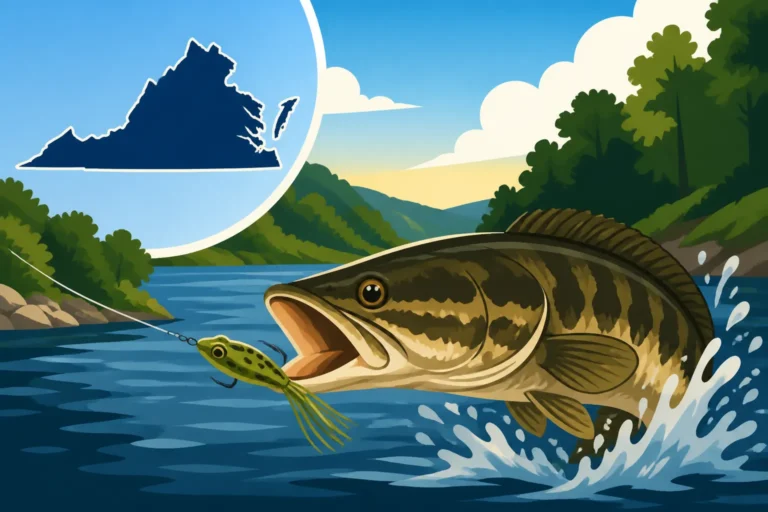
- Largemouth and Smallmouth Bass: These highly sought-after game fish will feed aggressively on baitfish, often schooling up in deeper lake areas or river bends.
- Crappie: As waters cool, crappie often move from deep summer brush piles to shallower cover, making them easier to locate and catch in good numbers.
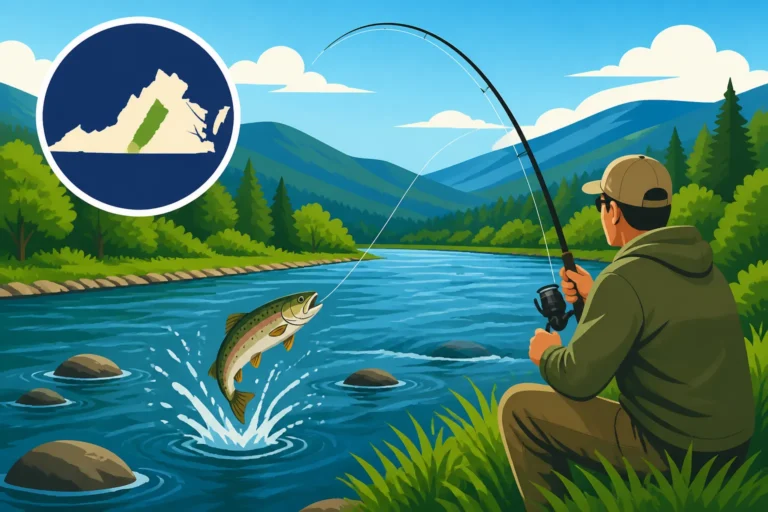
- Trout: Fall is prime time for trout, particularly in Virginia's mountain streams, with both wild and stocked populations actively feeding.
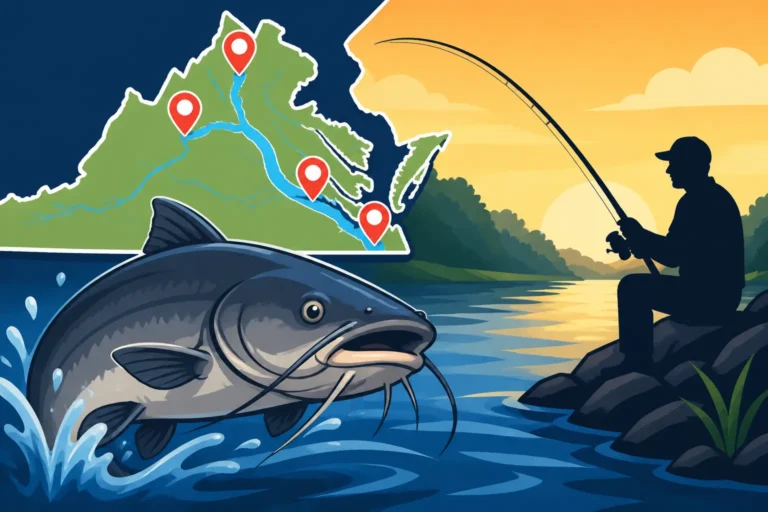
- Catfish: While not as flashy as bass or stripers, catfish remain active through much of the fall, offering steady action for those looking for a relaxing day and a good meal.
Top Freshwater Fall Fishing Destinations
Virginia's freshwater fishing scene truly lights up in the fall. The combination of cooler water, active fish, and breathtaking scenery makes for unforgettable trips, whether you're chasing hard-fighting stripers in a sprawling reservoir or stalking wary trout in a pristine stream.
Deep Lakes for Stripers and Bass
Virginia's large reservoirs become playgrounds for predatory fish in the fall. These vast waters allow fish to roam, chasing baitfish schools, and anglers willing to put in the time to locate them are often richly rewarded.
-
Smith Mountain Lake: If you’re talking fall fishing in Virginia, you have to talk about Smith Mountain Lake. This massive reservoir is legendary for its striped bass fishery, and autumn is arguably the best time to target them. As water temperatures drop, stripers will school up, often chasing baitfish in the main lake basins, around points, and over humps. Anglers find success trolling umbrella rigs, spoons, or bucktails in deeper water, or by casting topwater lures or live shad around schooling fish, especially during dawn and dusk feeding frenzies. It's not uncommon to see birds diving, indicating stripers pushing bait to the surface, a clear signal to cast your lure! If you’re new to this expansive lake, our Smith Mountain Lake Fishing Guide offers a deeper dive into its year-round potential, which certainly includes its fall glory.
-
Lake Anna: Another fantastic option for fall freshwater stripers and bass is Lake Anna. While perhaps not as famous for stripers as Smith Mountain, Lake Anna offers excellent opportunities, particularly around the "hot side" near the power plant discharge in the cooler months, which keeps temperatures slightly elevated, extending active feeding periods. Largemouth and smallmouth bass will be found congregating on points, secondary channels, and near submerged structure, aggressively feeding on shad. Deep-diving crankbaits, jigging spoons, and soft plastics fished slowly can be incredibly effective here as fish move deeper.
-
Claytor Lake: This beautiful southwestern Virginia lake is a gem for fall fishing, especially if you're targeting smallmouth bass, spotted bass, and even walleye. As the leaves change, the smallmouth in Claytor Lake become incredibly aggressive, staging on rocky points, ledges, and drop-offs. Anglers often find success casting tubes, drop shot rigs, or suspending jerkbaits. Claytor Lake also boasts a unique walleye fishery that really picks up in the fall. These elusive fish will move shallower to feed during low light conditions. Our Claytor Lake's Diverse Virginia Fish Species Guide has even more information on the wide variety of fish you can target here.
Rivers for Smallmouth and Trout Action
Virginia’s rivers and streams come alive with color and hungry fish in the fall, offering a more intimate and often breathtaking fishing experience.
-
Shenandoah River: The Shenandoah River is synonymous with smallmouth bass, and fall can be a prime time to pursue them. The fish tend to school up in deeper pools and current breaks, actively feeding before the cold sets in. Fly anglers will find excellent opportunities for both smallmouth and trout, especially in the upper sections and tributaries. Casting tubes, spinnerbaits, or Ned rigs can be very effective for smallmouth, while a variety of streamers and nymphs will tempt the trout. Our dedicated guide to Shenandoah River Fly Fishing for Trout and Smallmouth Bass in Virginia provides detailed tips for navigating its waters. For those seeking pure trout action, it’s worth checking out our list of the Best Trout Streams in Virginia, many of which are in the Shenandoah Valley and provide incredible autumn experiences.
-
James River: From its headwaters in the mountains to its tidal reaches, the James River offers diverse fall fishing. In the upper, rockier sections, smallmouth bass remain active, congregating in current seams and deeper pockets. Further downstream, especially in the middle and tidal sections, the James is a renowned catfish fishery. Channel catfish and flatheads will continue to feed actively throughout the fall, often found in deeper holes and around submerged logs. Our comprehensive Fishing the James River in Virginia guide will help you pinpoint the best areas and techniques for this iconic waterway. You might also find good numbers of white perch and even some resident striped bass as you get closer to the tidal areas.
Prime Saltwater Fall Fishing Hotspots
When fall arrives, Virginia’s saltwater scene reaches a fever pitch, primarily due to the legendary striped bass migration. But it's not just stripers; other species also offer excellent opportunities along the coast and in the bay.
Chesapeake Bay for the Legendary Striped Bass Run
There's no denying it: the Chesapeake Bay in the fall is a world-class destination for striped bass, or "rockfish" as they're often called locally. The Bay's vast waters become a highway for migrating stripers, offering some of the most exciting action you can find anywhere.
- The Fall Striped Bass Migration: This is the pinnacle of Virginia saltwater fishing. As ocean temperatures cool, vast schools of striped bass move into the Chesapeake Bay and its tributaries, gorging themselves on baitfish like menhaden and spot before migrating south for winter. Anglers come from all over to participate in this phenomenon. The action can be intense, with large schools of fish often found in the main stem of the Bay, around prominent structures like the Chesapeake Bay Bridge-Tunnel (CBBT), and in the mouths of major rivers like the James, York, and Rappahannock. Trolling large spoons or Mojo rigs is a popular technique for covering water and finding schools. Live baiting with spot or eels, or casting big bucktails and soft plastics, are also highly effective, especially when fish are actively busting bait on the surface. Understanding the Virginia Striped Bass Season and Slot Limit Guide is absolutely critical here, as regulations can change and are strictly enforced to protect this iconic fishery. For those looking to experience this firsthand without bringing their own boat, platforms like FishingBooker make it incredibly easy to find a knowledgeable local captain. For a more in-depth look at this incredible fishery, consult our Chesapeake Bay Striped Bass Fishing Guide.
Coastal Inshore and Nearshore Opportunities
Beyond the main Bay, Virginia's coastal waters and tidal rivers also offer exciting fall opportunities that shouldn't be overlooked.
-
Virginia Beach Piers and Surf: The Virginia Beach oceanfront can offer some surprising fall action. The piers, like Lynnhaven Pier or the Virginia Beach Fishing Pier, can host speckled trout, small red drum, and even some striped bass, especially during mild weather. Surf fishing along the coastline can yield a mix of species, including larger red drum (early fall), bluefish, and various bottom fish. Timing the tides and using fresh cut bait or artificial lures that mimic baitfish can be very productive. Check out our Best Fishing Spots Near Virginia Beach for more specific locations and tips.
-
Tidal Inshore Tributaries: The myriad of creeks and smaller rivers feeding into the Chesapeake Bay provide excellent shallow-water fall fishing. Speckled trout are a prime target in these calmer waters, often found around oyster beds, docks, and submerged grass flats. They become quite active as temperatures cool, and a slowly retrieved soft plastic jig or a suspending twitch bait can be deadly. Puppy drum (juvenile red drum) will also stick around in these areas through early fall, offering a strong fight on light tackle. These spots offer a nice alternative to the open Bay, especially on windy days.
Fall Fishing Strategies for Success
Fall fishing is all about being flexible and paying close attention to the details. The fish are often on the move, and their preferences can change day-to-day, even hour-to-hour. Successful fall anglers are those who can adapt quickly and have the right tools at their disposal.
Adapting to Changing Conditions
The weather in Virginia during the fall can be fickle. One day it’s warm and sunny, the next it’s chilly and overcast. These changes directly impact fish behavior, so staying informed is crucial.
- Monitor Water Temperature and Weather: Always check the latest weather forecasts and, if possible, water temperatures. A sudden cold front can push fish deeper and make them less aggressive, while a warming trend can bring them back to life in shallower areas. Fish often bite best during stable weather patterns. Pay attention to those subtle shifts. Many experienced guides list their availability on FishingBooker, offering specific trips for fall striper runs or bass fishing, and they are masters at reading these conditions.
- Follow the Bait: This is perhaps the most important rule for fall fishing. Game fish are intensely focused on feeding, so if you find the baitfish, you'll find the predators. Look for signs like diving birds, baitfish showering on the surface, or large schools showing up on your fish finder. These are direct indicators of where the action is happening. Our guide on Fall Bass Fishing Patterns goes into detail about how bait movement dictates bass location, a principle that applies to many other species in autumn.
- Vary Your Depths and Techniques: Don't get stuck fishing one depth or with one lure. Start by exploring different depths, from shallow flats to deep drop-offs, until you find where the fish are holding. Experiment with different retrieves – sometimes a fast, aggressive retrieve triggers a reaction strike, while other times a slow, methodical presentation is what they want. Remember, the Best Time of Year for Bass Fishing in Virginia might vary depending on specific conditions, so being adaptable is key.
Essential Gear and Bait for Autumn Angling
Having the right equipment not only increases your chances of success but also ensures you're comfortable and safe during those cooler fall days.
- Layer Up: Virginia fall mornings can be chilly, but afternoons can warm up significantly. Dress in layers that you can easily add or remove. A good waterproof and windproof outer layer is invaluable, especially on the water.
- Live Bait is King (Sometimes): While artificial lures are always a staple, live bait often shines in the fall. For striped bass, live shad or spot can be irresistible. For bass, shiners or bluegill can be highly effective. For crappie, small minnows are hard to beat. Always check regulations for bait collection and usage.
- Versatile Lures: Have a good selection of lures that imitate baitfish. Deep-diving crankbaits, jigging spoons, bucktails, soft plastic swimbaits, and topwater lures (for those early morning or late evening feeding frenzies) are all excellent choices for fall. Consider colors that mimic common baitfish in the area – silver, white, chartreuse, and natural shad patterns are often winners.
- Valid Fishing License: Last but certainly not least, make sure your Virginia fishing license is up to date! Nothing ruins a fishing trip faster than a run-in with a game warden over an expired license. You can find all the necessary details and requirements in our Virginia Fishing Regulations Explained guide. If you're using a charter, often the captain will cover the boat's license, but it's always wise to confirm beforehand. Checking reviews and credentials on FishingBooker can help you choose the perfect guide for your autumn adventure, and they can often clarify license requirements. If you're unsure about booking a guide, considering a guided trip through a service like FishingBooker can save you a lot of time and frustration, especially when navigating new fall patterns.
| Species | Best Fall Spots | Recommended Techniques | Key Bait/Lures |
|---|---|---|---|
| Striped Bass | Smith Mountain Lake, Lake Anna, Chesapeake Bay (main stem, CBBT, river mouths) | Trolling, Jigging, Live Bait (shad, spot, eels), Casting Topwater/Bucktails | Umbrella rigs, Spoons, Bucktails, Large soft plastics, Live bait |
| Largemouth Bass | Lake Anna, James River, smaller reservoirs | Crankbaits, Jigs, Spinnerbaits, Soft Plastics (worms, creature baits) | Shad-imitating lures, Crawfish-imitating jigs |
| Smallmouth Bass | Shenandoah River, James River (upper), Claytor Lake | Tubes, Jerkbaits, Spinnerbaits, Drop Shot, Fly Fishing | Small swimbaits, Crawfish imitations, Nymphs, Streamers |
| Crappie | Smith Mountain Lake, Lake Anna, Buggs Island/Kerr Lake | Jigging, Tightlining, Trolling | Small jigs, Minnows, Spider rigging |
| Trout | Shenandoah River (tributaries), Mountain streams | Fly Fishing, Spin Fishing | Nymphs, Streamers, Small inline spinners, Worms, PowerBait |
| Catfish | James River, Lake Anna, Buggs Island/Kerr Lake | Bottom Fishing, Drifting | Cut bait, Live bait (perch, sunfish), Prepared baits |
| Speckled Trout | Chesapeake Bay tributaries (shallower creeks), Coastal Inshore Waters | Soft plastic jigs, Suspending twitch baits, Live shrimp | White, chartreuse, or clear soft plastics |
Disclaimer
Always remember to check the latest fishing regulations from the Virginia Department of Wildlife Resources (DWR) before heading out, as rules and seasons can change. This guide is for informational purposes only and does not constitute official regulatory advice.