Best Spring Fishing Spots in Virginia
Ah, spring! That magical time of year when the days stretch out, the air warms up, and every angler starts itching to get back on the water after a long winter. But let's be honest, figuring out the best spots to hit can be a real head-scratcher. The fish are moving, water temperatures are changing daily, and what worked last week might not work today. It can feel like you're constantly chasing a moving target. This guide is here to cut through the confusion and pinpoint the very best spring fishing spots across Virginia, ensuring your early season trips are filled with bending rods and tight lines.
Freshwater Lake Hotspots for Spring Action
When spring hits Virginia, the lakes truly come alive. As the sun warms the shallower waters, baitfish become more active, and larger game fish shake off their winter lethargy, moving into coves and flats to feed and prepare for the spawn. This makes these environments prime targets for anglers looking to fill their livewells or simply enjoy some exciting catch-and-release action.
Smith Mountain Lake: Stripers and Bass Awakening
Smith Mountain Lake, often affectionately called "SML" by locals, is an absolute powerhouse for spring fishing, especially if you're chasing striped bass or big largemouth. After spending the colder months in deeper, more stable waters, the warming trend of spring triggers an incredible feeding frenzy for stripers. They'll start pushing baitfish, often schooling up in huge numbers, making them a fantastic target. Look for them in the mid-lake and lower lake sections, especially around points, humps, and submerged structure. Trolling with bucktails or swimbaits is a classic technique, but live bait, like gizzard shad or alewives, can be absolutely deadly.
For largemouth bass, spring on Smith Mountain Lake means one thing: the pre-spawn and spawn. As water temperatures climb into the 50s and 60s Fahrenheit, these chunky bass move from their deeper winter haunts into shallower coves, creeks, and pockets, seeking warmer water and suitable spawning beds. Focus your efforts on these protected areas, targeting docks, brush piles, rocky banks, and submerged timber. Spinnerbaits, jigs, lipless crankbaits, and soft plastics like creature baits or Senkos are all highly effective during this period. The sheer size and numbers of fish here during spring are why many consider it one of the Best Bass Fishing Lakes in Virginia. It’s a truly exhilarating experience when you hook into a powerful SML striper or a fat, pre-spawn largemouth.
Lake Anna: Crappie and Bass Galore
Lake Anna is another jewel in Virginia's spring fishing crown, renowned for its excellent crappie and largemouth bass fisheries. The unique aspect of Lake Anna is its warm-water discharge from the North Anna Power Station, creating a warm-water side (the "hot side") that typically warms up faster than the main lake. This means certain areas can become active much earlier in the spring, giving anglers a head start.
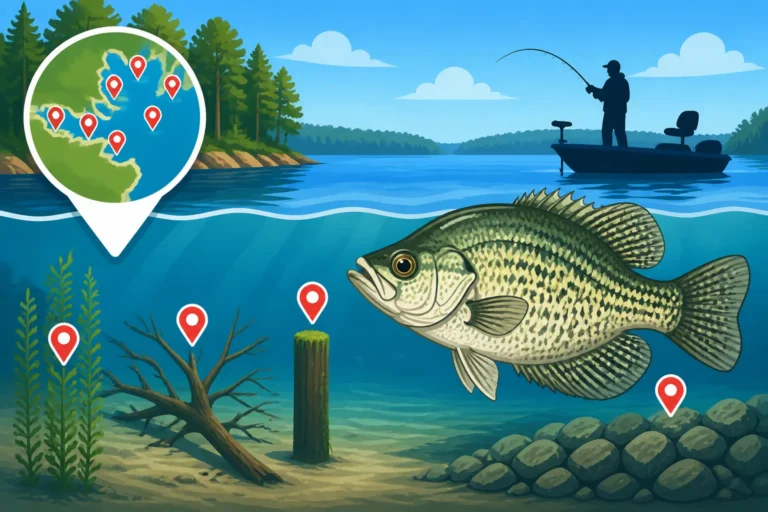
For crappie, spring is arguably the best time to target them on Lake Anna. They migrate from deeper channels and suspend near submerged brush, docks, and timber in shallower coves as they prepare to spawn. Jigging with small plastics (like Bobby Garland's or Crappie Magnets) under a bobber, or slow trolling with jigs and minnows, can yield incredible results. You’ll find them stacked up, offering fast and furious action. Largemouth bass follow a similar pattern, moving into those same warmer, shallower coves. Target submerged grass beds, laydowns, and boat docks. The pre-spawn bite can be exceptional with spinnerbaits, crankbaits, and jigs. As the water warms further, topwater lures become exciting options in the early mornings and late evenings. A good understanding of Lake Anna Fishing Guide can really elevate your game here.
Claytor Lake: Walleye and Smallmouth Opportunities
Claytor Lake, nestled in the scenic New River Valley, offers a different but equally rewarding spring fishing experience. While it has a healthy population of largemouth, it's particularly famous for its walleye and smallmouth bass during the spring months. Walleye are a prized catch, known for their delicious fillets, and spring is when they become most accessible as they move to shallower spawning grounds.
As the lake water approaches 45-50 degrees Fahrenheit, walleye will stage near rocky points, ledges, and tributary mouths. Jigging with live minnows or paddle-tail swimbaits along these structures can be very effective. Night fishing for walleye is also a popular and productive tactic, especially during the peak of their spawning run. Smallmouth bass, true to their reputation, will start to feed aggressively as water temperatures rise. They'll gravitate towards rocky banks, points, and humps, particularly those with current. Small crankbaits, tube jigs, and shaky head worms are excellent choices for enticing these hard-fighting bronzebacks. For more specific insights into this diverse fishery, check out a Claytor Lake Fishing Spots and Tips guide. The blend of species here makes for a dynamic and engaging spring outing.
River Riches: Spring Fishing on Virginia's Waterways
Virginia's extensive network of rivers transforms into vibrant fishing grounds during the spring. From powerful tidal rivers flowing to the Chesapeake Bay to pristine mountain streams, each offers unique challenges and incredible rewards as various species undertake their annual migrations and spawning rituals.
James River: Catfish and Shad Runs
The mighty James River, particularly its lower tidal sections, is a spring fishing paradise for those seeking powerful catfish and the thrill of the annual shad run. As winter fades, the resident populations of blue catfish, channel catfish, and flathead catfish become incredibly active. They'll move into shallower areas, especially around tributary mouths and bends in the river, to gorge themselves on baitfish that are also becoming more active.
Cut bait (like fresh gizzard shad or carp), chicken liver, and commercially prepared baits are all highly effective for catfish. Look for deeper holes adjacent to shallower flats, and fish the slack tides or slow currents. It's not uncommon to pull in blue catfish weighing upwards of 50 pounds during this period! Simultaneously, the spring also brings the highly anticipated migration of American and hickory shad up the river from the Chesapeake Bay to spawn. This is a fast-paced, high-numbers fishery that provides fantastic light-tackle action. Small, brightly colored darts, spoons, and jigs fished on light spinning gear or fly rods can result in dozens of fish per outing. It’s an electrifying experience, offering a completely different kind of spring thrill. To navigate this diverse fishery, it helps to consult a detailed Fishing the James River in Virginia resource.
Shenandoah River: Smallmouth Bass and Trout
For anglers who prefer the tranquility of moving water and the challenge of river fishing, the Shenandoah River is an unparalleled spring destination. Both the North and South Forks offer incredible smallmouth bass fishing, and many of its feeder streams and tributaries are stocked with trout, providing a fantastic dual opportunity.
As the Shenandoah's waters warm, typically reaching the 50s and 60s, smallmouth bass emerge from their wintering holes and become incredibly aggressive. They’ll spread out into the river's numerous riffles, runs, and eddies, actively hunting. Look for them around rocky points, ledges, submerged boulders, and fallen timber. Spinnerbaits, tube jigs, small crankbaits, and soft plastics rigged on a shaky head are all excellent choices for these feisty fighters. For fly anglers, the spring hatches mean dry fly and nymph fishing can be exceptional. Simultaneously, many sections of the Shenandoah's tributaries are part of Virginia's stocked trout program. Rainbow, brown, and brook trout are regularly stocked, providing excellent opportunities for bait anglers (PowerBait, worms, corn), spin fishermen (small spinners, spoons), and fly fishers (nymphs, streamers). Just remember to check the Virginia Stocked Trout Waters and License Requirements to ensure you have the proper stamps. The beauty of the Shenandoah in spring, combined with its productive waters, makes for an unforgettable fishing trip. You can even find guides on platforms like FishingBooker that specialize in these specific river experiences.
Rappahannock River: Stripers and Catfish
The Rappahannock River, much like the James, offers fantastic spring fishing, particularly in its tidal sections. As the river flows towards the Chesapeake Bay, it becomes a major highway for migrating fish and a robust home for resident species. The spring brings a potent combination of striped bass (rockfish) and large catfish.
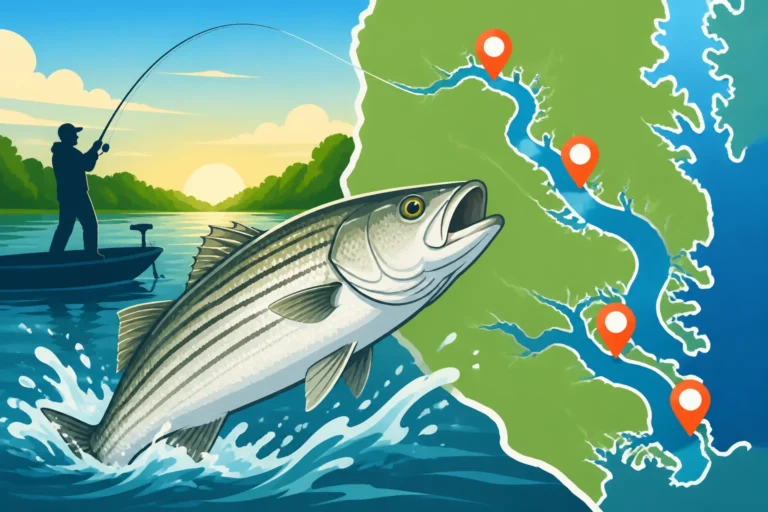
The Rappahannock is a key spawning ground for striped bass, and while strict regulations apply, there's still a thrilling opportunity to encounter these powerful fish during their spring migration. They'll move upriver from the Bay, congregating in certain areas before and after spawning. Trolling deep-diving crankbaits or using live bait can be effective, but remember to always adhere to the Virginia Striped Bass Season and Slot Limit Guide. Beyond stripers, the Rappahannock holds a truly impressive population of blue catfish and channel catfish. Spring sees them actively feeding, and anglers often target them using fresh cut bait, chicken livers, or clam snouts. Focus on deeper bends, submerged structure, and the mouths of creeks, especially during incoming or outgoing tides. The catfish here are known for their size and strength, making for an exciting battle.
Coastal Charms: Saltwater Spring Adventures
While freshwater offers abundant opportunities, Virginia's coastal waters truly shine in the spring, signaling the return of migratory species and the awakening of resident populations. The Chesapeake Bay and its surrounding oceanfront areas become a bustling hub of angling activity.
Chesapeake Bay: Rockfish and Drum on the Move
For saltwater anglers, the Chesapeake Bay in spring is synonymous with one fish: the striped bass, locally known as "rockfish." As water temperatures rise, these iconic fish begin their northward migration and move into the Bay to spawn. While the main spawning run often comes with strict regulations or even closures to protect the fishery, there are often periods in early spring and post-spawn when targeting these fish is legal and incredibly productive.
Look for striped bass staging at the mouth of the Bay and within its lower tributaries. Trolling with large swimbaits, mojos, or umbrella rigs is a very popular and effective method. You can also find them congregating around structure like the Chesapeake Bay Bridge-Tunnel. Beyond stripers, the spring also heralds the arrival of black drum and red drum. Black drum are often found in the shallower, muddy bottoms of the lower Bay and its tributaries, particularly around oyster beds. They respond well to bottom fishing with crab or clam baits. Red drum, on the other hand, are often found along the shoals and channels near the Bay mouth. They are powerful fighters and can be targeted with peeler crab, cut bait, or large artificial lures. Booking a charter through platforms like FishingBooker can significantly increase your chances of finding these migratory species, as experienced captains know exactly where to go and what techniques to use. A Chesapeake Bay Striped Bass Fishing Guide is an essential read for anyone planning a spring trip here.
Virginia Beach Pier and Surf Fishing: Drum and Flounder
If you prefer land-based saltwater fishing, the piers and surf of Virginia Beach offer excellent spring opportunities. As the ocean water warms, a variety of species move closer to shore, making them accessible to anglers without a boat.
The spring run of black drum is a major highlight for pier and surf anglers. These powerful fish can be caught from the city's popular fishing piers, such as Lynnhaven Pier or the Virginia Beach Fishing Pier, using heavy tackle and bait like peeler crab or clam. Red drum can also be targeted from the surf, particularly along the beaches south of Rudee Inlet, using large cut bait or peeler crab. Spring is also a great time for flounder. These tasty flatfish move into shallower waters and inlets, providing good action for anglers drifting or jigging with Gulp! artificials or live minnows/mud minnows. The inlets and protected areas of the Lynnhaven River and Rudee Inlet are fantastic for flounder in spring. You'll find a good mix of species, and the accessible nature of pier and surf fishing makes it a wonderful way to enjoy the spring weather and hopefully bring home some fresh seafood. Remember to always check the local regulations, especially concerning size and creel limits.
Understanding Spring Fish Behavior for Better Catches
Spring fishing isn't just about showing up at a good spot; it's about understanding why fish are there and what they're doing. A little biological insight can go a long way in making your trip successful. Every angler knows the frustration of being in the right place at the wrong time, but by understanding typical spring fish behavior, you can increase your odds dramatically.
Water Temperature is Key
The most critical factor in spring fishing is water temperature. As the sun gets stronger and days get longer, water temperatures steadily climb, triggering a cascade of biological events. For most freshwater species like largemouth bass, crappie, and even smallmouth, rising water temps signal the end of winter lethargy. When temperatures hit the high 40s to low 50s, fish begin to move out of their deep winter haunts and into shallower, sun-warmed areas. This is often called the "staging" period, where they're actively feeding to build energy for the upcoming spawn.
Once temperatures consistently reach the mid-50s to low 60s, the spawning process truly kicks off for many species. Knowing these temperature ranges can help you predict where the fish will be. For instance, if you know a particular cove warms up faster due to its shallow depth and dark bottom, that's where you should focus your early spring efforts. Conversely, if a cold front pushes through and drops water temps, fish might temporarily retreat to deeper, more stable water, and your approach should adjust accordingly. Paying attention to local weather patterns and water temperature reports can provide an invaluable edge. For a broader perspective on how fish behave throughout the year, an article on the Best Times to Fish in Virginia Throughout the Year can be really helpful.
Targeting Pre-Spawn and Spawn Aggression
Spring fishing is often characterized by the aggressive behavior of fish preparing for or engaging in their spawn. The pre-spawn period is arguably one of the best times to catch large fish, as they are actively feeding to bulk up for the energy-intensive spawning process. During this phase, fish are often found near transition areas – where deep water meets shallow water – and around structure that offers both cover and access to food.
For bass, this means targeting points, channel swings, and submerged cover like brush piles or rock formations. They'll strike a variety of lures, from crankbaits to jigs, as they are eager to eat. As the water continues to warm and fish move onto beds to spawn, they become highly territorial. While catch-and-release is often encouraged during the spawn to protect the fishery, sight fishing for bedding fish with soft plastics or jigs can be incredibly exciting. These fish aren't necessarily feeding, but they'll strike out of aggression to protect their nests. After the spawn, fish often move to slightly deeper cover to recover, but the post-spawn bite can still be good as they regain their energy. Understanding these distinct phases allows you to adapt your techniques and greatly improve your success rate throughout the entire spring season. Knowing the Virginia Fishing Regulations Explained is paramount here, as rules can change to protect spawning fish.
Disclaimer
Fishing conditions and regulations in Virginia can change rapidly. Always consult the official Virginia Department of Wildlife Resources (DWR) website for the most current information on fishing licenses, seasons, size limits, and creel limits before heading out on any fishing trip. Your adherence to these regulations helps ensure the sustainability of Virginia's fisheries for future generations.