Fall Bass Fishing Patterns
Ah, fall. It’s a season many of us look forward to with anticipation, but when it comes to bass fishing, it can also bring a fair share of head-scratching moments. Just when you think you’ve got a pattern dialed in from the summer, the leaves start to change, the air gets crisp, and suddenly, the bass seem to vanish or completely change their habits. This guide is all about demystifying those frustrating fall bass fishing patterns in Virginia, helping you understand what's truly going on beneath the surface and how to adapt your approach for more consistent success.
Understanding the Fall Transition and Bass Behavior
Fall fishing in Virginia is a dynamic period, often called the "fall turnover" or "fall migration." It’s not just the scenery that's changing above the water; below the surface, a whole different world is in motion, dictating where the bass are and what they're willing to bite. Many anglers struggle because they don't fully grasp these fundamental shifts.
The Autumnal Turnover and Water Temperature
As the long, hot summer days give way to cooler nights and shorter days, the surface water of Virginia's lakes and reservoirs begins to cool. This isn't just a minor temperature drop; it triggers a significant event known as the "turnover." In summer, lakes are often stratified into layers: a warm surface layer (epilimnion), a middle layer with rapidly changing temperatures (thermocline), and a cold, oxygen-depleted bottom layer (hypolimnion). When the surface water cools enough to match the temperature of the deeper water, it becomes denser and sinks, displacing the bottom water. This process mixes the entire water column, equalizing water temperatures and redistributing oxygen.
This turnover can temporarily throw bass off their game. During this mixing period, which typically lasts from a few days to a couple of weeks, the water can appear murky, and fish might scatter or become less active as their preferred thermal and oxygen zones are disrupted. However, once the turnover is complete and the lake stabilizes with more uniform temperatures and oxygen levels, bass often become much more predictable and aggressive, entering what many call the "fall feeding frenzy." Understanding this period is crucial, as you might need to adjust your approach significantly between the pre-turnover, turnover, and post-turnover phases.
Bass Migrations and Forage Following
One of the most significant aspects of fall bass fishing is the migration of baitfish, and consequently, the bass that feed on them. As the water cools, vast schools of shad, herring, and other forage fish begin to move out of the deep, open water where they've spent the summer, heading towards shallower creeks, coves, and main lake points in search of warmer water and available food sources. This movement is a prime example of the broader Water Temperature and Fish Feeding Patterns that influence all species.
Bass, being opportunistic predators, follow these baitfish schools relentlessly. This means that bass you were catching deep or on offshore humps in August might now be found congregating in creek mouths, along channel swings, or even pushing bait right up against seawalls and docks in surprisingly shallow water. If you can locate the bait, you're usually not far from the bass. This often leads to some of the most explosive and memorable fishing days of the year, as bass gorge themselves in preparation for the leaner winter months. However, the exact timing and speed of these migrations depend heavily on the specific body of water and the rate of cooling.
Early Fall Bass Fishing Tactics September
Early fall in Virginia, typically September, is a transitional month where summer patterns slowly give way to the exciting fall feeding frenzy. The water is still relatively warm, especially during the day, but those cooler nights are starting to make a difference. This is often when you can experience some of the best topwater action of the year.
Topwater Action and Frogs in Cooling Waters
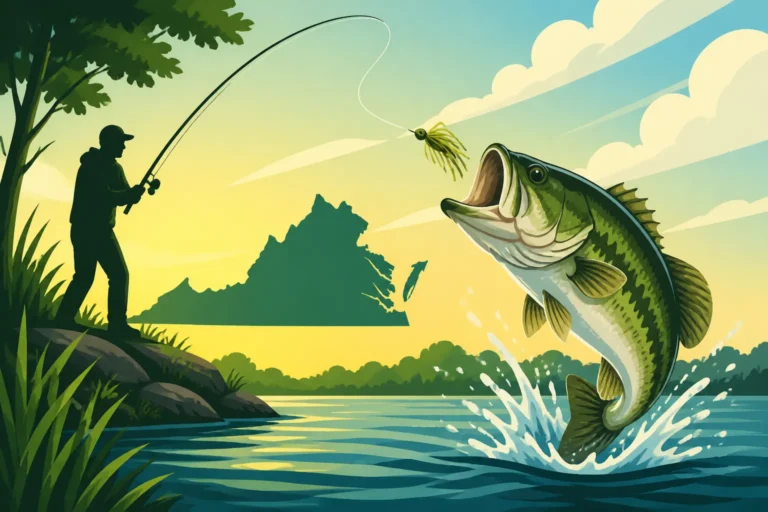
Even as the calendar flips to September, don't put away your topwater lures just yet. In fact, some of the most explosive topwater bites of the entire year can happen in early fall, particularly during low-light conditions or on overcast days. As baitfish begin to school up and move into shallower areas, bass will often push them to the surface, creating frenzies that are tailor-made for topwater presentations. Buzzbaits, walking baits like Heddon Super Spooks, and poppers can all be incredibly effective. Look for areas where baitfish are abundant, especially around shallow cover like docks, submerged grass beds, or along main lake points where creek channels meet the main lake.
Beyond traditional topwaters, frogs and other soft plastic topwater baits continue to shine, especially in Virginia's many lakes and ponds with abundant vegetation. As the aquatic vegetation, like hydrilla and lily pads, starts to die back in the cooling water, it creates edges and openings that become prime ambush points for bass. A Spro frog or a similar weedless topwater bait worked over these thinning mats can draw violent strikes. Bass are often still holding tight to this cover, waiting for an easy meal, and a frog imitating a panicked amphibian or rodent on the surface is an irresistible target. Remember that the window for this specific bite might be shorter than in summer, but it can be incredibly productive when it's on.
Spinnerbaits and Crankbaits for Aggressive Feeders
As the water continues to cool slightly, bass become more active and aggressive, often chasing down baitfish with a renewed vigor. This is where moving baits like spinnerbaits and crankbaits truly excel in early fall. Spinnerbaits, particularly those with willow leaf blades for a flashier, more erratic action, are fantastic for covering water quickly and eliciting reaction strikes from schooling bass. They mimic a frantic baitfish very effectively. Try different blade combinations and skirt colors; chartreuse and white are often reliable choices, but sometimes a more natural baitfish pattern can make a difference.
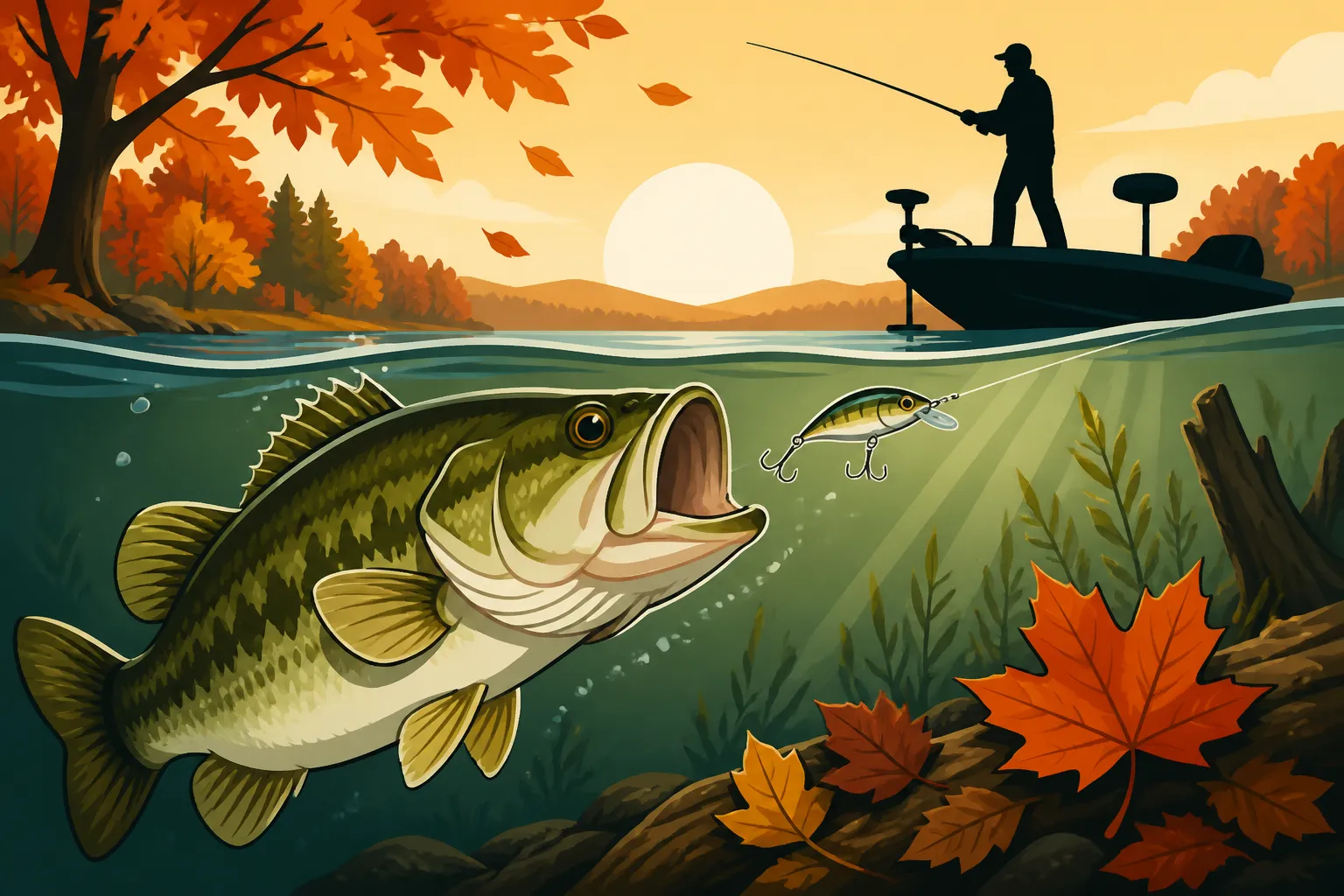
Crankbaits are another powerhouse in the early fall arsenal. Medium-diving crankbaits that reach depths of 6 to 12 feet are perfect for targeting bass moving along transitional banks, creek channel swings, and points where baitfish are congregating. Choose colors that imitate local forage, such as shad or bream patterns. The key is to experiment with retrieve speeds and deflections. Bouncing a crankbait off submerged timber or rock piles can often trigger a strike from a hesitant bass. This is a great time to experiment with different models, like those from Strike King or Rapala, to see what the fish are keying in on. If you're wondering Best Lures for Summer Bass Fishing, you'll find some overlap here, but the fall often calls for even more aggressive presentations.
Mid-Fall Bass Fishing Strategies October
By mid-fall, usually October in Virginia, the full swing of the feeding frenzy is often upon us. The water has cooled significantly, and the lake turnover, if it occurred, has likely stabilized. This is when bass are intensely focused on eating, making them more predictable and concentrated, but they might also be holding a bit deeper as surface temps drop further.
Locating Bass on Main Lake Points and Creek Channels
With the continued cooling, baitfish will stack up even more densely in specific areas, and bass will follow suit. Main lake points become absolute magnets for bass in mid-fall. These points act as natural migration routes and ambush points, especially if they drop off into deeper water or have nearby access to creek channels. Bass will stage on these points, waiting for schools of shad or other forage to pass by. Fan-casting across the point with crankbaits, spinnerbaits, or even jigs can be highly effective. Pay close attention to your electronics to spot baitfish schools or concentrations of bass.
Creek channels, particularly where they intersect with the main lake or have significant bends and depth changes, are also prime real estate. Bass will often hold along the edges of these channels, using the deeper water for refuge and then pushing into shallower adjacent flats to feed. Carolina rigs, football jigs, or even deep-diving crankbaits can be used to work these channel edges effectively. Remember that these channels are highways for bait, and bass will patrol them. A careful study of your topographical maps on your Lowrance or Humminbird unit, or even a good old paper map, can reveal these critical underwater structures.
Jerkbaits and Jigs for Deeper Structure
As the days shorten and water temperatures continue to drop, bass may start to hold a little deeper, especially during the brighter parts of the day. This is when suspending jerkbaits become incredibly effective. A jerkbait, like the Lucky Craft Pointer or Megabass Vision 110, can be cast to points, channel edges, or over submerged humps, then worked with a series of jerks and pauses. The key is that pause; a suspending jerkbait will hang motionless in the water, perfectly mimicking a stunned or dying baitfish – an irresistible target for a hungry bass. The colder the water, the longer your pause should be.
Jigs are another indispensable tool for mid-fall bass. Football jigs, especially in natural colors like brown, green pumpkin, or black and blue, can be dragged or hopped along rocky bottom, ledges, and deeper channel edges. Pair them with a bulkier trailer to imitate a crawfish or a smaller, more subtle trailer to mimic a baitfish. This is a slower, more methodical approach than power fishing with crankbaits or spinnerbaits, but it can be deadly on larger, more wary bass that are holding tight to structure. Many anglers will stock up on jigs from brands like Strike King or even smaller custom makers through Amazon. Learning to feel the subtle bite of a bass on a jig is a skill that pays off handsomely in the fall.
Late Fall Bass Fishing Challenges November-Early December
Late fall in Virginia, from November into early December, presents a different set of challenges and opportunities for bass anglers. The water is significantly colder, often dipping into the 50s and even upper 40s. The aggressive feeding sprees of early and mid-fall begin to slow, and bass transition towards their wintering patterns. This is often when anglers find themselves asking, "How to Catch Bass in Cold Water?"
Targeting Deep Water and Wintering Holes
As winter approaches and water temperatures plummet, bass will migrate towards their deep wintering holes. These are typically the deepest parts of the lake or river, often associated with steep ledges, bluff walls, deep creek channels, or significant timber on a main lake point. Bass will congregate in these areas, sometimes in very large schools, seeking stable temperatures and protection from extreme cold. Locating these schools is paramount to success in late fall. Your fish finder becomes your best friend, as you'll be looking for baitfish and bass clustered tightly to structure.
Once you find them, vertical presentations often become the most effective. Drop shot rigs, spoons, and blade baits are excellent for targeting fish holding directly beneath the boat in deep water. You're not trying to cover vast amounts of water; instead, you're pinpointing specific concentrations of fish and trying to entice them with subtle movements. This period requires patience and precision, but when you hit a school, the action can be incredible. Remember that the bites might be very light and subtle in this colder water, so paying close attention to your line and rod tip is crucial.
Slow Presentations with Finesse Techniques
Gone are the days of ripping spinnerbaits or burning crankbaits. In late fall, bass metabolism slows down considerably, and they are less likely to chase a fast-moving bait. This is the time for finesse. Slowly dragged Carolina rigs with plastic lizards or worms, shaky head jigs, and Ned rigs become highly effective. The key is a slow, methodical retrieve that keeps the bait in the strike zone for as long as possible. Bass aren't expending much energy, so they want an easy meal presented right in front of them.
Jerkbaits still have their place, but the retrieve changes dramatically. Instead of short, sharp jerks, you'll want to use long pauses, sometimes up to 10-20 seconds between twitches, letting the bait suspend tantalizingly in the cold water. This can be a maddeningly slow process, but it often triggers those reaction strikes from lethargic bass. Similarly, football jigs, but worked much slower, can be very productive along deep contours. Understanding these nuanced changes in behavior is what separates successful late fall anglers from those who pack up their gear until spring. It's a stark contrast to the earlier Best Time of Year for Bass Fishing in Virginia when bass were more active.
Essential Gear and Bait for Fall Bass Fishing
Having the right tools for the job can make a huge difference, especially when you're trying to crack complex fall bass patterns. From the lures you choose to the rods and reels you use, a well-thought-out tackle selection will increase your chances of success. It also allows you to be versatile and adapt quickly as conditions change.
Lure Selection for Diverse Fall Conditions
Fall bass fishing in Virginia demands a versatile tackle box. For early fall, stick with aggressive moving baits. Think about ¼ to ¾ ounce spinnerbaits with willow leaf blades for clear water or Colorado blades for stained water, in colors like chartreuse/white, pure white, or shad patterns. Medium-diving crankbaits (6-12 ft) and lipless crankbaits in shad, crawfish, or perch patterns are excellent for covering water. Don't forget topwater walking baits and poppers, especially during low light, and frogs for lingering vegetation.
As you move into mid-fall, expand your crankbait selection to include deeper divers (12-20 ft) for those main lake points and channel swings. Suspending jerkbaits, ranging from 4 to 6 inches, in natural baitfish colors, become crucial. Jigs, particularly football jigs (½ to 1 ounce) in green pumpkin, brown, or black and blue, become indispensable. Pair them with creature baits or craw trailers. For soft plastics, consider Texas-rigged worms (7-10 inches), creature baits, and finesse worms for shaky heads. You might find a great selection of these on Amazon.
For late fall, finesse is king. Downsize your jig trailers, use Ned rigs with small plastic worms, and invest in quality drop shot worms and small creature baits. Vertically jigging spoons (½ to ¾ ounce) and blade baits become key for deep, schooling bass. Always have a variety of jig head weights for different depths and current conditions. While you might still use some of the Best Bait for Largemouth Bass in Virginia from earlier in the season, the emphasis shifts dramatically toward slower, more subtle presentations.
Rod, Reel, and Line Considerations
Having the right rod, reel, and line setup for each technique is crucial for optimal performance, sensitivity, and casting distance. For power fishing techniques like spinnerbaits and crankbaits, a medium-heavy to heavy action casting rod (6'8" to 7'6") with a moderate-fast or moderate action is ideal. This softer action helps load the rod for longer casts and prevents hooks from tearing out when a bass strikes aggressively. Pair these with a baitcasting reel with a gear ratio between 6.4:1 and 7.1:1, spooled with 12-20 pound fluorocarbon or monofilament line. Fluorocarbon offers excellent sensitivity and less stretch, which is great for feeling subtle bites, while mono has more stretch, which can be beneficial for treble hook baits.
For jerkbaits, a medium action casting rod (6'6" to 6'10") with a fast tip is perfect, allowing for sharp snaps to impart action while still having enough backbone to handle fish. A 6.4:1 or 7.1:1 gear ratio reel with 10-15 pound fluorocarbon is a good choice. When you're fishing jigs, Texas rigs, or Carolina rigs, a sensitive medium-heavy to heavy action casting rod (7' to 7'6") with a fast or extra-fast tip is essential for detecting light bites. Use a high-speed baitcasting reel (7.1:1 or higher) and 15-20 pound fluorocarbon. For finesse techniques like drop shots and Ned rigs, a spinning rod setup is usually preferred. A medium-light to medium action spinning rod (6'6" to 7'2") with a fast tip, paired with a small spinning reel (2000-3000 size) spooled with 8-10 pound braided line and a 6-10 pound fluorocarbon leader, offers maximum sensitivity and castability for lighter baits. This attention to detail can drastically improve your hook-up ratio and overall fishing experience throughout the season.
Adapting to Virginia's Unique Fall Fisheries
Virginia is a diverse state, offering everything from vast freshwater reservoirs to tidal rivers that merge with the Chesapeake Bay. Each type of fishery responds differently to the fall transition, and understanding these nuances is key to consistent success. Generic advice will only get you so far; local knowledge and adaptability are paramount. For example, knowing the specific Virginia Fishing Regulations Explained for the body of water you're on can prevent costly mistakes.
Freshwater Lakes vs. Tidal Rivers
Virginia's large freshwater lakes, such as Smith Mountain Lake or Lake Anna, tend to experience a more pronounced and predictable fall turnover compared to river systems. On these lakes, the deep, clear water often leads to bass congregating on main lake points, humps, and deep-water structures after turnover, following schools of shad. The patterns tend to be more about depth and baitfish location, with power fishing being highly effective in early to mid-fall as bass chase bait. You'll find specific advice in guides like the Smith Mountain Lake Fishing Guide or the Lake Anna Fishing Guide.
In contrast, Virginia's tidal rivers, like the James, Chickahominy, or Potomac, present a different challenge. While they still experience cooling water temperatures and baitfish migrations, the constant influence of tides means there isn't a true "turnover" event like in a lake. Instead, bass often relate more to current breaks, shallow cover, and the movement of the tide. Baitfish will still move into creeks and coves, but the best fishing times are often dictated by the incoming or outgoing tide, which concentrates bait and positions bass for ambush. Weed lines, submerged wood, and docks become prime targets, with spinnerbaits, crankbaits, and even topwaters remaining effective longer into the fall, especially in areas with stained water. The Virginia Fishing Seasons Explained clearly indicate that these different environments demand different approaches.
Impact of Weather Patterns and Fronts
Fall weather in Virginia can be notoriously unpredictable, swinging from warm, sunny Indian summer days to sharp, cold fronts within a matter of hours. These weather patterns have a profound impact on bass behavior. A stable period of warm, overcast days can lead to fantastic shallow water power fishing, with bass actively chasing bait. However, the passage of a strong cold front can shut down a bite almost instantly. Often, after a cold front, bass will scatter, become lethargic, and move to deeper water or denser cover. This is a common frustration for anglers, but understanding it allows for adaptation.
When a cold front hits, you'll need to slow down your presentation dramatically. Finesse techniques, smaller baits, and longer pauses become essential. Bass might move to the very bottom of deeper holes, tuck under thick cover, or suspend in timber. This is exactly why it's so important to know How to Catch Bass After a Cold Front. Similarly, periods of heavy rain can muddy the water, forcing bass to rely more on their lateral lines, making noisier, darker baits (like big bladed spinnerbaits or dark-colored jigs) more effective. Being flexible and observing both the weather and water conditions on any given day is the hallmark of a successful fall bass angler.
Disclaimer
The information provided in this guide is for general informational purposes only and is based on common fishing practices and biological understanding. Fishing conditions, regulations, and fish behavior can vary significantly based on location, time of year, weather, and specific environmental factors. Always consult the most current Virginia Department of Wildlife Resources (DWR) regulations before fishing to ensure compliance with all licensing, catch limits, and size restrictions. Fishing involves inherent risks; always prioritize safety on the water.