Best Time of Year for Crappie Fishing in Virginia
It's incredibly frustrating when you head out to your favorite Virginia fishing spot, full of hope, only to come up empty-handed, especially when you're targeting those delicious crappie. You might wonder if you're using the wrong bait, casting incorrectly, or if the fish just aren't biting that day. More often than not, the secret to consistent crappie success in the Old Dominion comes down to timing. This comprehensive guide will help you pinpoint the best times of year to chase crappie in Virginia's diverse waters, helping you understand their seasonal patterns and how to adjust your tactics for a more rewarding experience.
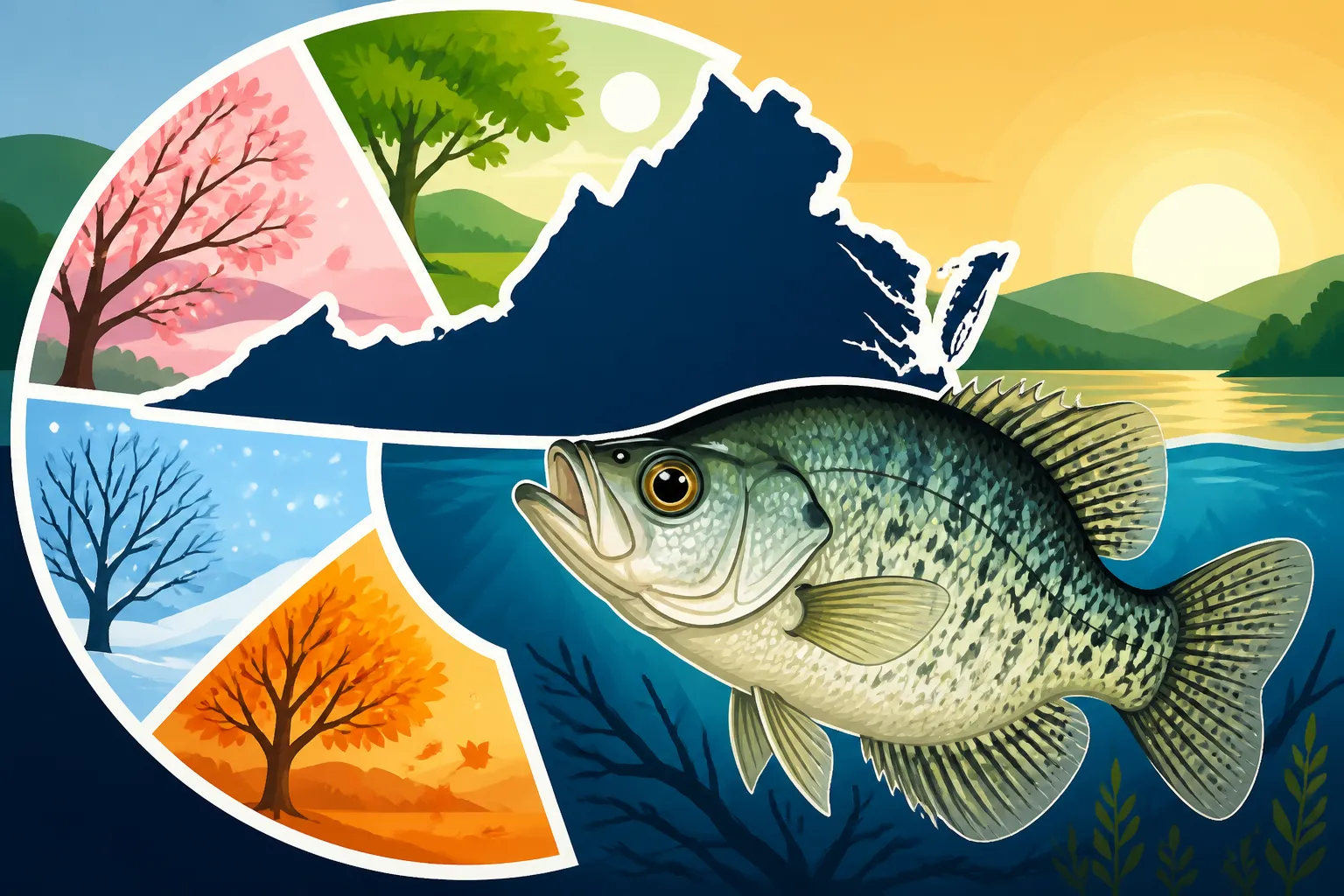
Understanding Crappie Seasonal Movements in Virginia
Crappie, whether black or white, are creatures of habit when it comes to the calendar year. Their behavior is heavily dictated by water temperature and their biological urge to feed and reproduce. Knowing where they're likely to be and what they're likely to be doing during different seasons is absolutely crucial for Virginia anglers. If you're struggling to locate them, it's probably because you're not where they are for that particular time of year.
Early Spring: Pre-Spawn Frenzy
Ah, early spring! This is often considered one of the absolute best times to target crappie in Virginia. As the chill of winter begins to loosen its grip and water temperatures start to climb into the upper 40s and low 50s (Fahrenheit), crappie start to shake off their winter lethargy. They begin to move from their deeper winter haunts into shallower staging areas, often congregating in large schools. They're driven by a powerful instinct to feed heavily, packing on calories in preparation for the upcoming spawn.
Look for them in protected bays, coves, and areas with submerged cover like brush piles or fallen trees. These spots warm up faster than the main lake or river channel, making them attractive to both crappie and the baitfish they prey upon. On larger bodies of water like Smith Mountain Lake or Lake Anna, focus on the shallower ends of major creeks or protected embayments where the sun can penetrate and warm the water more efficiently. Don't be afraid to cast into relatively shallow water, sometimes just a few feet deep, especially if there's structure present. Small jigs, particularly those with soft plastic bodies, retrieved slowly, or tiny live minnows suspended under a bobber, are deadly during this pre-spawn period. It's truly a fantastic time to fill your cooler, as these fish are often aggressive and plentiful.
Late Spring to Early Summer: The Spawn and Post-Spawn
Once water temperatures consistently hit the upper 50s and low 60s, crappie transition into their spawning phase, typically from late April through May, sometimes stretching into early June depending on the year and location. During this period, both male and female crappie move into very shallow water, often just 1-5 feet deep, seeking out hard bottoms near submerged vegetation, stumps, or docks. The males will fan out nests, guarding them aggressively, while the females move in to deposit their eggs.
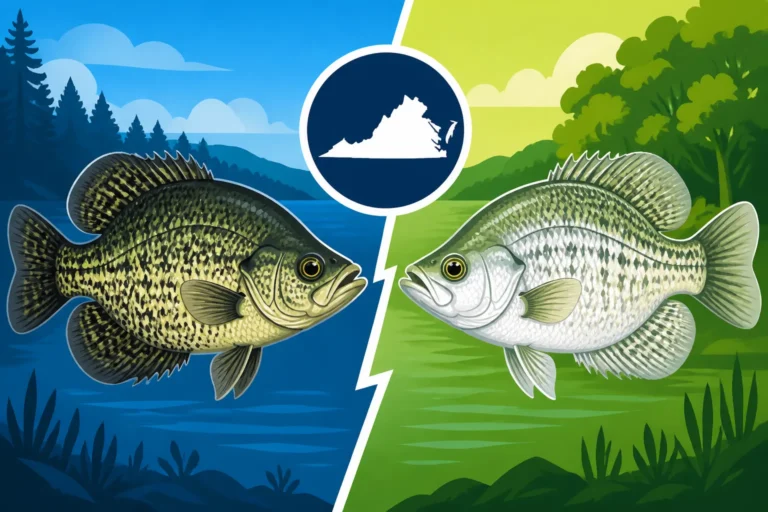
Finding crappie during the spawn can be incredibly productive, as they are concentrated and highly visible in clear water. However, they can also become quite finicky, sometimes more interested in defending their nests than feeding. After the spawn, the fish will disperse from their nesting sites, often retreating to slightly deeper water nearby, still close to cover, but not necessarily on the extreme shallows. This post-spawn period can sometimes present a bit of a challenge as the fish are recuperating and spread out. Crappie Identification: Black Crappie vs White Crappie in Virginia can help you determine what you're catching, though their spawning behaviors are generally similar.
During the spawn, vertical jigging directly over visible nests or slowly pulling live minnows through shallow cover are excellent strategies. Post-spawn, you might need to cover more water, perhaps using a technique like spider rigging with multiple rods presenting minnows or jigs at different depths around submerged timber or weed edges.
Summer Slump: Deeper Water Retreat
As Virginia's summer heat really kicks in and water temperatures climb into the 70s and 80s, crappie typically retreat to deeper, cooler, and more oxygenated water. This is when many anglers get frustrated, as the fish seem to vanish from their usual spring haunts. Crappie become less active in extreme heat and will seek thermal refuge. They often suspend in the water column or relate to deep structure that provides both shade and cooler temperatures.
On large lakes like Kerr Lake (also known as Buggs Island Lake), you'll often find them suspended over old creek channels, relating to deep brush piles that have been sunk by anglers, or around bridge pilings where shade and cooler water prevail. Finding these schools often requires good electronics, like a fish finder, to pinpoint their exact depth and location. Without it, you're essentially fishing blind. When they're deep, How to Find Crappie in Summer becomes a whole different ballgame.
Fishing during the summer requires a more precise approach. You'll want to target these deeper schools with downsized baits, often presenting them vertically using a "tightlining" method or subtle jigging directly beneath the boat. Slower retrieves and patience are paramount. Live minnows remain effective, but small jigs worked slowly can also coax a bite. Remember to check online retailers like Amazon for those specialized deeper-water jigs if your local tackle shop selection is limited.
Fall Feast: Aggressive Feeding Before Winter
Just as in spring, fall offers another fantastic opportunity for crappie fishing in Virginia. As the oppressive summer heat breaks, and water temperatures begin to drop back into the 50s and 60s, crappie start to ramp up their feeding activity once again. They're driven by the need to put on weight for the lean winter months ahead, making them much more aggressive and easier to catch. This period often runs from September through November.
During the fall, crappie will often follow schools of baitfish, moving between shallow and deeper water as temperatures fluctuate throughout the day. You'll find them concentrating in coves, around main lake points, and near creek channel bends, especially if there's abundant submerged cover. On rivers like the James or Rappahannock, they'll congregate in deeper holes and backwaters.
Trolling with small crankbaits or jigs can be very effective in fall, allowing you to cover large areas and locate active schools. Casting small spinnerbaits or jigs into areas with submerged timber or rocky outcrops can also produce excellent results. These fish are usually willing to bite, making it a very rewarding time for anglers. For more on what to use, check out Best Jig Colors for Crappie Fishing, as color choice can sometimes make a difference.
Prime Conditions Beyond the Calendar
While the general seasonal patterns are crucial, savvy crappie anglers know that successful trips depend on more than just the month on the calendar. Several environmental factors play a huge role in crappie behavior, and understanding them will elevate your game significantly.
Water Temperature is Key
I can't stress this enough: water temperature is the single most important factor influencing crappie activity. The ranges I mentioned for each season aren't just arbitrary numbers; they are the metabolic sweet spots for crappie. When the water is too cold, they become lethargic and slow. When it's too hot, they seek refuge and feed less.
Carrying a reliable water thermometer, whether it's part of your boat's electronics or a handheld model, is an absolute must for serious crappie fishing. It helps you confirm what the fish are doing and where they might be. For instance, if it's early spring and the main lake is 45 degrees, but you find a shallow, sunny cove that's 52 degrees, you can bet crappie are gravitating towards that warmer water. Conversely, in summer, finding even a slight temperature drop at deeper depths can indicate where the crappie are holding. Fronts, cloud cover, and rain all influence water temperature, so pay close attention to your readings and how they shift.
The Influence of Weather and Fronts
Crappie are notoriously sensitive to changes in weather, especially cold fronts. Before a major front moves through, the barometric pressure often drops, and crappie (like many fish) can become incredibly active, feeding aggressively. This is often an excellent time to be on the water.
However, once a cold front passes and high pressure settles in, crappie often get lockjaw. They might move deeper, become suspended, or simply refuse to bite. The post-front blues can be incredibly frustrating. If you find yourself fishing after a cold front, your best bet is usually to slow down your presentation, downsize your baits, and target deeper cover. Overcast days are often fantastic for crappie fishing, as the diffused light encourages them to stay shallower and feed longer into the day than on bright, sunny days. Fishing Techniques After a Cold Front can give you more detailed strategies for those challenging days.
Time of Day Matters, Especially in Summer
While crappie can be caught at any time of day, certain periods offer distinct advantages. Dawn and dusk are often prime times, especially during the warmer months. The lower light conditions and slightly cooler temperatures during these periods make crappie more comfortable moving into shallower feeding areas.
During the peak of summer, when the midday sun is blazing, crappie will typically retreat to deeper, shadier spots. This is when finding those deep brush piles or suspended schools becomes critical. However, don't overlook night fishing for crappie in the summer! Crappie have excellent low-light vision, and they'll often move shallow to feed under the cover of darkness. Using submersible lights to attract baitfish can create an incredible night-time crappie bite. For more specific advice, check out Night Fishing Techniques.
Essential Crappie Fishing Gear for Virginia Seasons
Having the right tackle can make a huge difference in your crappie success. Crappie are not powerful fighters, but they can be incredibly subtle biters, so sensitive equipment is key. It's not about expensive gear, but about appropriate gear.
Rods, Reels, and Line for Light Tackle
For crappie, you'll want to lean towards light to ultra-light action spinning rods, typically in the 5 to 7-foot range. These rods offer the sensitivity needed to detect those faint crappie taps and the forgiveness to prevent tearing small hooks out of their papery mouths. Couple that with a small, lightweight spinning reel (a 500 or 1000 size is usually perfect) spooled with light monofilament or fluorocarbon line. Four to six-pound test line is ideal, as anything heavier can reduce sensitivity and be more visible to the fish.
Many anglers prefer a quality monofilament line for its stretch, which acts as a shock absorber when a crappie strikes. Others opt for fluorocarbon for its lower visibility and increased sensitivity. You can find excellent options for both rods and reels suitable for crappie fishing on platforms like Amazon, often at very reasonable prices. Just make sure whatever you choose balances well and feels comfortable in your hands for those long hours on the water.
Baits and Lures for Every Season
Crappie are opportunistic feeders, so having a variety of baits and lures in your tackle box is a smart move.
- Live Minnows: These are arguably the most consistently effective bait for crappie throughout the year. Whether suspended under a bobber or fished vertically, a lively minnow is hard for a crappie to resist.
- Jigs: Small jigs, ranging from 1/32 to 1/8 ounce, are incredibly versatile. They come in countless styles (tube jigs, curly tails, paddle tails, hair jigs) and colors. Plastic jigs are a favorite because you can change colors and sizes easily. During the spring and fall, a slow, steady retrieve or gentle jigging motion works wonders. In summer, subtle twitches when vertical jigging are more effective. If you're looking to stock up, Amazon offers a fantastic selection of crappie jig kits and individual bodies, allowing you to experiment with different patterns and colors.
- Small Crankbaits and Spinnerbaits: These can be very effective for covering water and locating aggressive crappie, especially in the fall when they're actively chasing baitfish. Choose small models designed for panfish.
Don't be afraid to experiment! Crappie can be picky, and what works one day might not work the next. Having a diverse selection, particularly of jigs, will keep you prepared.
Electronics and Accessories
Modern electronics can be a game-changer for crappie fishing, especially when fish move to deeper water in the summer or are suspended. A quality fish finder can help you locate schools of crappie, identify submerged structure like brush piles or old creek beds, and even see your lure as you present it to the fish. You don't necessarily need the most expensive unit; even a basic color fish finder can provide invaluable information. Portable fish finders are also available on Amazon for kayak anglers or those fishing from smaller boats.
Beyond electronics, a few simple accessories will make your trip more enjoyable and productive:
- A cooler for your catch (and your drinks!)
- A measuring tape to ensure your fish meet Virginia's regulations.
- A pliers or hook remover for safe de-hooking.
- A landing net for larger slabs.
- Sunscreen, a hat, and polarized sunglasses are also crucial for comfort and spotting fish in shallower water.
Where to Find Crappie in Virginia's Top Spots
Virginia is blessed with an abundance of fantastic crappie fisheries, from vast impoundments to winding rivers. Knowing the general hotspots and how crappie relate to structure within them will dramatically improve your catch rates. If you're looking for Best Crappie Fishing Lakes in Virginia, you're in luck!
Top Crappie Lakes and Rivers
Virginia boasts some truly phenomenal crappie fishing destinations. Here are a few prominent ones:
- Smith Mountain Lake: This massive reservoir is a crappie paradise, known for both its black and white crappie populations. It features extensive standing timber, numerous brush piles (both natural and angler-built), and a labyrinth of coves and creek channels where crappie thrive. During the spring, focus on the upper reaches of the lake in areas like the Blackwater or Roanoke River arms. In summer, target deeper submerged timber or brush on main lake points.
- Lake Anna: Another popular crappie lake, Lake Anna offers excellent opportunities, particularly in its upper and middle sections. Look for crappie around bridge pilings, submerged roadbeds, and brush piles in its many coves.
- Kerr Lake (Buggs Island Lake): Straddling the Virginia-North Carolina border, Kerr Lake is a crappie factory. Its vast size and abundant submerged timber, especially in the Nutbush Creek, Grassy Creek, and Bluestone Creek areas, provide endless crappie habitat. This lake is especially famous for its spider rigging techniques to cover vast areas of submerged structure.
- Claytor Lake: This beautiful southwestern Virginia lake consistently produces good numbers of crappie. Focus on docks, fallen trees along the shoreline, and the many submerged brush piles that anglers have placed over the years. Claytor Lake Fishing Spots and Tips can help you find more specific areas.
- Virginia's Tidal Rivers (James, Rappahannock, Potomac, York): Don't overlook these incredible river systems. Crappie can be found in deeper holes, around fallen trees, docks, and pilings in the calmer backwaters and creeks off the main river channels. They're often overlooked here, but can provide some excellent action, especially in the spring and fall.
Locating Crappie in Different Structures
Crappie are masters of concealment. They love to hide around anything that provides cover and ambush points for passing baitfish.
- Brush Piles and Fallen Trees: These are classic crappie magnets. Whether it's a natural brush pile from a fallen tree or an artificial one sunk by anglers, crappie will stack up in and around them. In spring, focus on shallower brush piles; in summer and winter, go deeper.
- Docks and Piers: These man-made structures provide shade and cover, making them attractive to crappie. Fish around the pilings, under the docks, and any brush that might have accumulated beneath them.
- Bridge Pilings: Especially on larger lakes and tidal rivers, bridge pilings create current breaks and deep water, attracting baitfish and, in turn, crappie.
- Weed Lines and Submerged Vegetation: In lakes where it's present, crappie will often relate to the edges of weed beds, using them as ambush points. How to Catch Crappie Around Brush Piles offers even more detail on these specific tactics.
- Creek Channels and River Bends: Crappie often use these deeper thoroughfares as highways for moving between feeding and resting areas. Look for humps, ledges, and bends in these channels, especially where they intersect with shallower flats or abundant cover.
| Season | Typical Water Temperature (F) | Crappie Behavior | Key Locations | Recommended Techniques |
|---|---|---|---|---|
| Early Spring | 48-58 | Aggressive pre-spawn feeding, moving shallow | Protected coves, shallow bays, warming brush piles | Slow-retrieve jigs, small minnows under bobber |
| Late Spring (Spawn) | 58-68 | Spawning, guarding nests, concentrated in shallow | Shallow weed beds, docks, submerged timber, hard bottoms | Vertical jigging, minnows on nest, tightlining |
| Early Summer (Post) | 65-75 | Dispersing, recuperating, moving slightly deeper | Edges of spawning areas, slightly deeper cover, creek channels | Spider rigging, vertical jigging, slow trolling |
| Mid-Summer | 75+ | Retreating to deep, cool water, less active | Deep brush piles, creek channels, suspended over humps, bridge pilings | Deep vertical jigging, tightlining, using electronics |
| Fall | 60-70 | Aggressive feeding, following baitfish, moving freely | Coves, main lake points, creek bends, brush piles, river channels | Trolling jigs/crankbaits, casting jigs, minnows under bobber |
| Winter | 35-48 | Deeper, lethargic, schooling tightly | Deep channels, large brush piles, suspended near thermocline | Vertical jigging very slowly, small minnows, deadsticking |
Disclaimer:
This article is for general informational purposes only and does not constitute professional advice. Laws, prices and regulations vary by location and change over time. Consult a qualified professional for guidance on your specific situation.