Crappie Fishing in Virginia
There's nothing quite like the thrill of a crappie bite, but sometimes these speckled beauties can feel like elusive ghosts, especially if you're new to Virginia's diverse waters. Anglers often get frustrated trying to pinpoint their seasonal movements or choose the right tackle for a species that seems to disappear after the spring spawn. This comprehensive guide is here to demystify crappie fishing in Virginia, sharing everything you need to know to consistently find and catch these delicious panfish, from understanding their habits to mastering the techniques that bring them to the net.
Understanding Virginia's Crappie Species and Where They Live
Virginia is blessed with fantastic crappie fishing, and understanding the two main species and their preferred haunts is your first step to success. While they both carry the "crappie" name, a few subtle differences can help you target them more effectively.
Black Crappie vs. White Crappie: Key Differences for Virginia Anglers
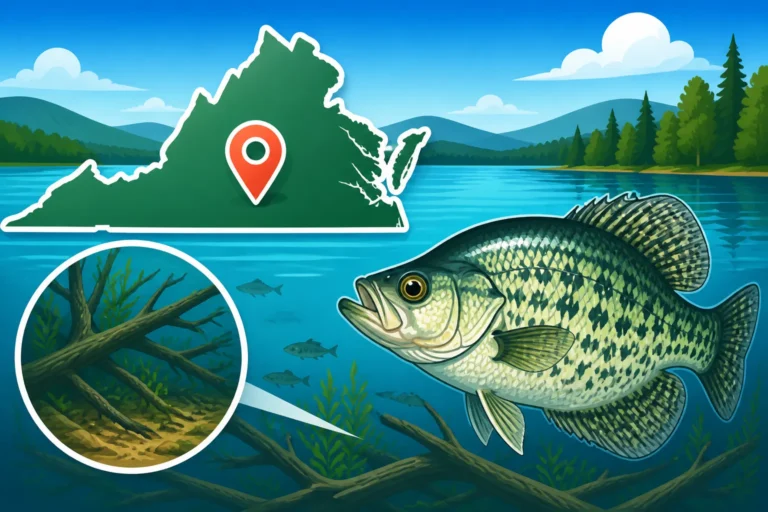
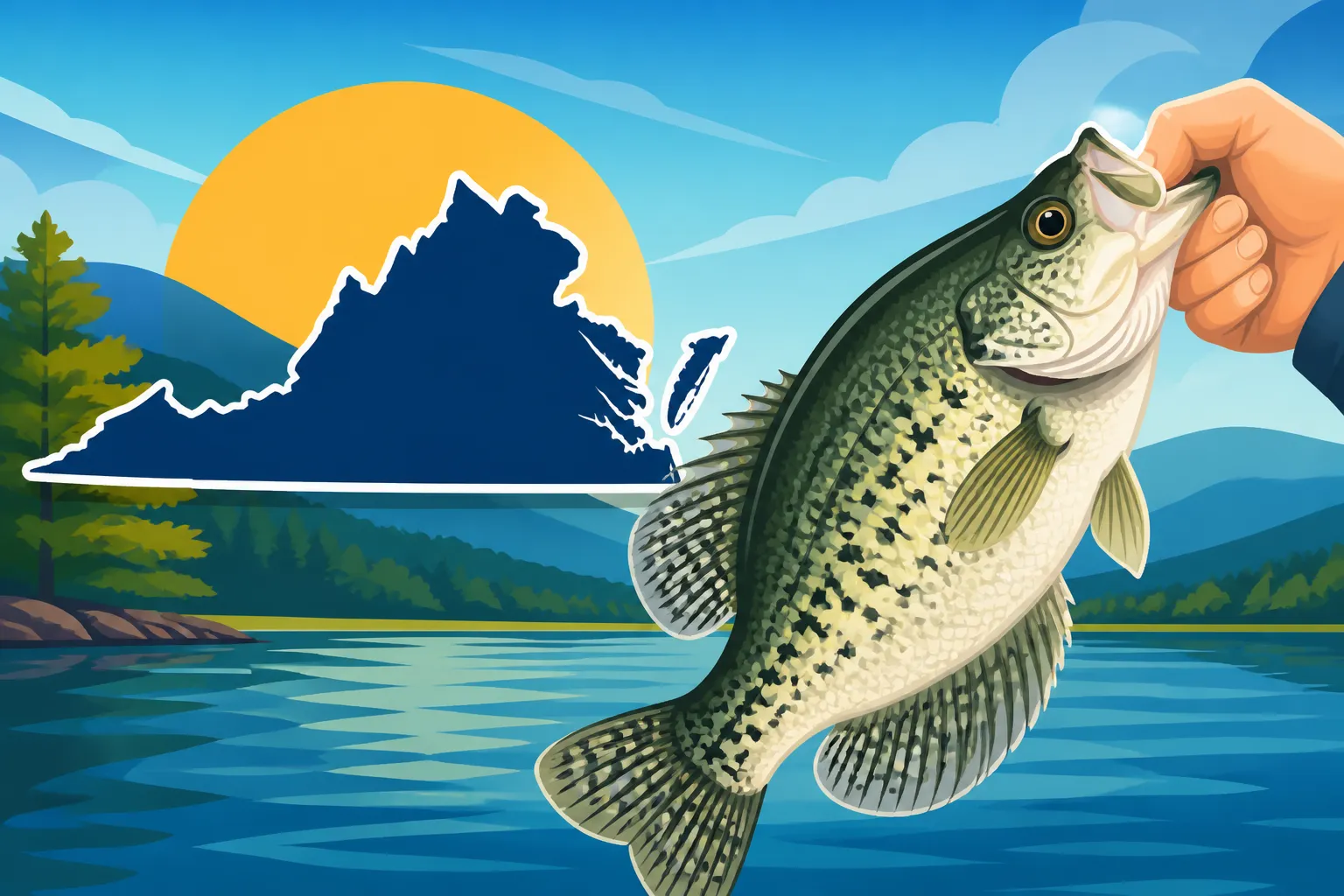
When you're out on the water, you'll primarily be chasing either black crappie or white crappie. While they often swim in the same waters, they have distinct preferences that can influence where you focus your efforts. Black crappie, often considered the more handsome of the two, typically boast irregular, scattered black spots all over their silvery bodies, giving them a "peppered" appearance. They also have seven or eight dorsal spines. These fish are generally found in clearer, cooler water with more submerged vegetation, brush piles, and rock structures. They tend to be a bit more structure-oriented, hugging cover tighter.
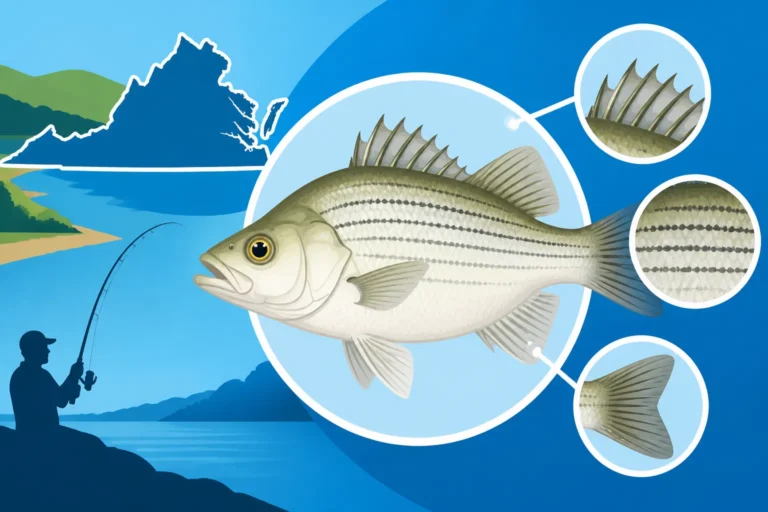
White crappie, on the other hand, are usually paler with more distinct vertical bars or stripes along their sides, especially when fresh out of the water. They have six dorsal spines, a key identifier. White crappie are often more tolerant of murky or turbid waters and can be found in larger, slower-moving rivers and bigger impoundments. They might also be more comfortable in open water, relating to less dense cover or suspended over deeper channels. Knowing these differences can help you adjust your strategy. If you're in a gin-clear lake with lots of submerged trees, you're likely targeting black crappie. If you're on a big, slightly stained reservoir, white crappie might be your primary quarry. Check out Crappie Identification: Black Crappie vs White Crappie in Virginia for more detailed tips.
| Feature | Black Crappie | White Crappie |
|---|---|---|
| Color/Markings | Irregular, scattered black spots | 5-9 distinct vertical bars or stripes |
| Dorsal Spines | 7-8 | 6 |
| Preferred Habitat | Clearer, cooler water; heavy vegetation, brush | More tolerant of murky water; open water, less dense cover |
| Body Shape | More rounded body | More elongated body |
| Common Size | Often grow larger in colder, clearer waters | Can reach impressive sizes in favorable habitats |
Prime Crappie Habitats Across Virginia
Crappie are masters of camouflage and cover, thriving in a variety of aquatic environments throughout Virginia. You'll find them in most major lakes and reservoirs, from the vast expanse of Smith Mountain Lake to the sprawling Kerr Reservoir (also known as Buggs Island Lake). These large impoundments offer endless opportunities with their abundant submerged timber, boat docks, bridge pilings, and creek channels. Crappie absolutely love to hide in these areas, using the cover for ambush points and protection. They'll school up tight against fallen trees, under boat lifts, or along the edges of old creek beds.
But don't overlook Virginia's numerous smaller ponds and slow-moving river systems, especially the tidal portions of rivers like the James, York, and Rappahannock. These waterways, with their backwater coves, lily pad fields, and overhanging trees, can hold surprisingly robust crappie populations. Anywhere you find standing timber, submerged brush, rocky outcrops, or man-made structures like piers and jetties, you're likely to find crappie. Always think "cover" when you're looking for these fish.
Seasonal Movements of Crappie in Virginia Waters
Crappie are highly seasonal, and their movements are primarily dictated by water temperature and their spawning cycle. Understanding this annual dance is crucial for consistent success. In early spring, as water temperatures nudge into the low 50s, crappie begin to move from their deeper winter haunts towards shallower staging areas. They'll often gather in creek channels and along points leading into coves. As temperatures climb into the mid-50s to low 60s, the spawn kicks off. This is prime time for many anglers, as crappie move into very shallow water, often less than 5 feet deep, around brush, docks, and lily pads to lay their eggs. They can be found in incredible numbers during this period, aggressively defending their nests.
Once the spawn is complete in late spring and early summer, crappie disperse. They'll often move out of the super shallow water and suspend over deeper drop-offs or relocate to the shade of deeper docks and submerged brush in 10-20 feet of water. During the hot summer months, they'll seek refuge in deeper, cooler water, often suspending in the water column over creek channels or congregating around thermal stratification lines. As fall approaches and water temperatures cool down, crappie become more active again, feeding aggressively in preparation for winter. They'll often move back shallower, frequenting brush piles and creek channel edges. Finally, in winter, they typically retreat to deep-water cover, such as the bottom of creek channels or large brush piles, where they remain relatively lethargic but can still be caught with slow, precise presentations. For more on this, check out Best Time of Year for Crappie Fishing in Virginia.
Essential Gear for Successful Crappie Fishing in Virginia
Having the right tools for the job makes all the difference, and crappie fishing is no exception. These panfish are often subtle biters, and they thrive on finesse presentations, which means your gear needs to be up to the task.
Rods, Reels, and Line: Choosing Your Setup
For crappie, the name of the game is light tackle. You want a setup that's sensitive enough to detect the faintest tap, but still has enough backbone to handle a feisty slab. An ultralight spinning rod, typically 5 to 7 feet long with a fast or extra-fast action, is ideal. This rod will have a very flexible tip to show those subtle bites. Pair it with a small spinning reel, size 500 to 1000, which will balance nicely and offer a smooth drag for those moments when you hook into a bigger fish than expected.
When it comes to line, you have a few good choices. Monofilament line in 2 to 6 lb test is a classic choice, offering good knot strength and a bit of stretch, which can be forgiving. However, its stretch can sometimes make it harder to feel those light bites in deeper water. Fluorocarbon line, also in 2 to 6 lb test, is a fantastic option because it's nearly invisible underwater and has very little stretch, giving you excellent sensitivity. Some anglers even use braided line in 6 to 10 lb test for ultimate sensitivity and strength, often adding a 2-4 foot fluorocarbon leader with a tiny swivel or knot to maintain stealth. You can find a wide array of these ultralight spinning combos and line options on platforms like Amazon, making it easy to get what you need delivered right to your door.
Baits and Lures: Crappie Favorites
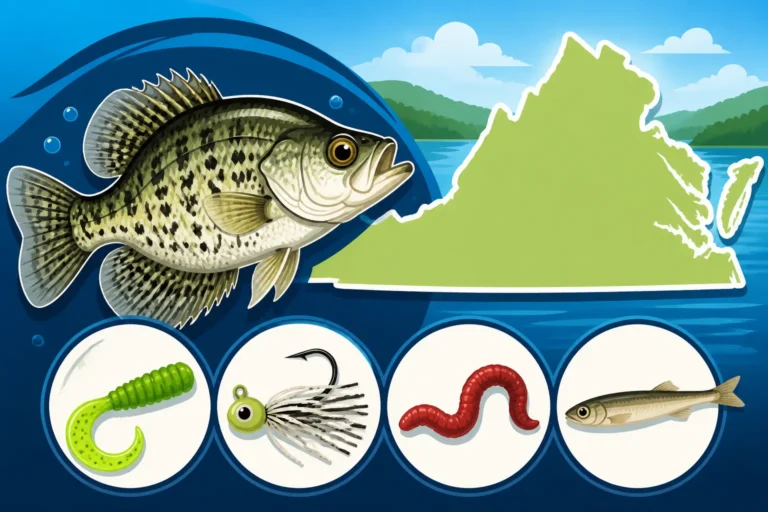
Crappie are not overly picky eaters, but they definitely have their preferences. The hands-down favorite for many anglers is live minnows. Hooked lightly through the back or lip, a lively minnow is often irresistible to crappie, especially when they're in a feeding mood. Small jigs are another staple in any crappie angler's tackle box. These typically range from 1/32 to 1/8 ounce and come in a dizzying array of styles:
- Tube jigs: Small, hollow plastic bodies with tentacles, excellent for vertical jigging.
- Grub jigs: Soft plastic bodies with a curly tail that creates enticing action.
- Hair jigs: Made from natural hair (like squirrel or bucktail), offering a subtle, lifelike presentation.
- Paddle tail or minnow profile plastics: Mimic small baitfish.
Colors can vary widely, but chartreuse, white, black, pink, and various natural baitfish patterns are popular choices. Don't be afraid to experiment! Small crankbaits can also be effective, particularly when crappie are aggressive and chasing bait in open water, or for trolling. Tiny spoons and blade baits can also tempt crappie when they're hugging deeper structures. A great way to stock up on a variety of jigs and soft plastics, often in multi-packs or assorted colors, is to browse online retailers like Amazon, where you can compare options and read reviews from other crappie anglers.
Essential Accessories for the Crappie Angler
Beyond the basics, a few key accessories can make your crappie fishing trips much more enjoyable and productive. Bobbers are indispensable, particularly slip bobbers which allow you to easily adjust your bait depth. Small split-shot sinkers are needed to get your bait down quickly. A variety of small, sharp hooks (sizes 4-8) will ensure good hooksets. A good pair of fishing pliers is always handy for removing hooks and cutting line.
A small landing net with a fine mesh is crucial for safely landing crappie without tearing their delicate mouths, especially if you're hoping to release them or prevent them from flopping off the hook. A cooler with ice is absolutely essential if you plan on keeping your catch, as crappie are delicious but spoil quickly in warm weather. And of course, a tackle box or bag to keep all your jigs, hooks, and sinkers organized. For those looking to streamline their setup, consider a compact tackle management system or even a small fish finder, many of which are available at various price points on sites like Amazon, to help locate those elusive crappie schools.
Top Techniques for Catching Crappie in Virginia
Crappie fishing isn't a one-trick pony; there are many effective techniques depending on the season, water conditions, and the specific spot you're fishing. Mastering a few different approaches will make you a much more versatile and successful angler.
Jigging and Vertical Presentation
When crappie are holding tight to cover or suspended in precise depths, vertical jigging is often the most effective method. This technique involves positioning your boat directly over the fish or structure and dropping your bait straight down.
- Single Pole Jigging: This is the classic method, using one rod to present a small jig or a minnow under a bobber. You gently lift and drop the rod tip, imparting action to the bait. It's incredibly effective when crappie are schooled up around specific brush piles, submerged trees, or dock pilings. You can meticulously work a small area, making sure to present your bait right in their strike zone.
- Spider Rigging: For anglers with multiple rods, spider rigging is a fantastic way to cover water slowly and present several baits at different depths. Picture an angler with 4-8 rods fanned out from the front of their boat, slowly pushing or drifting over prime crappie territory. Each rod typically has a minnow rig or a small jig, and the different baits and depths increase your chances of finding the fish. It's particularly effective when crappie are scattered or when you're trying to locate schools.
- Dock Shooting: A popular and highly effective technique in Virginia's many lakes with boat docks, like Lake Anna or Smith Mountain Lake. This involves "shooting" a small jig under docks, where crappie often seek shade and cover. You hold the jig between your fingers, pull the line taught, flex the rod, and then release the jig, sending it skipping across the water far under the dock into areas other anglers can't reach. It takes practice but is incredibly rewarding.
Trolling and Drifting for Crappie
When crappie are suspended in open water or scattered over a wide area, trolling or drifting can be your best bet for covering ground and finding active fish.
- Slow Trolling: This involves moving your boat at a very slow pace (often less than 1 mph) while dragging jigs or minnow rigs behind or alongside the boat. Many anglers use multiple rods with different lures and depths to determine what the crappie are keying in on. Small crankbaits or curly-tail grub jigs are excellent for trolling. You're essentially bringing your baits to the fish rather than waiting for them to come to you. This is especially effective in large reservoirs like Kerr Lake, where crappie might be spread out over vast flats or suspended in creek channels.
- Drifting: Similar to trolling, but you let the wind or current do the work. This is a great technique for covering large areas, especially when there's a gentle breeze. You'll set out your baits, often a minnow rig or a jig, and let your boat drift. Pay close attention to your lines for any subtle bites. If you start catching fish in a particular area, you can use your trolling motor or anchor to hold your position and work that spot more thoroughly. Both trolling and drifting are fantastic ways to locate schools of crappie before you might switch to a more stationary jigging approach. Consider checking out How to Find Crappie in Summer for more tips on locating fish in open water.
Live Bait Rigs and Presentations
While jigs are incredibly effective, nothing beats live bait for consistently enticing crappie, especially when they're finicky.
- Minnow Rigs: The simplest and most popular live bait setup for crappie is a small minnow hooked through the back or lip, suspended under a bobber or fished directly on the bottom with a small weight. For suspended crappie, a slip bobber rig is invaluable. This rig allows your bobber to slide freely up and down the line, stopping at a pre-set depth determined by a small bobber stop knot. This means you can cast your bait a long distance and then let it sink to any desired depth without tangling.
- Tightlining: This technique involves fishing a minnow or jig without a bobber, relying solely on the weight of the sinker or jig to get your bait down. You hold the rod and feel for the bite. It's particularly effective when crappie are holding deep or are very lethargic, as it provides maximum sensitivity to those faint "thumps" or slight changes in line tension. When tightlining, make sure your rod has a sensitive tip to help detect those subtle takes. Using a sensitive fluorocarbon or braided line can greatly enhance your ability to feel what's happening at the end of your line.
Virginia's Best Crappie Fishing Spots: Lakes and Rivers
Virginia offers a bounty of crappie fishing opportunities, from vast inland seas to quiet, meandering rivers. Knowing where to focus your efforts can make a big difference in your success.
Renowned Lakes for Trophy Crappie
Virginia is home to several large reservoirs that are practically synonymous with excellent crappie fishing. These lakes offer expansive waters, abundant structure, and healthy crappie populations that grow to impressive sizes.
- Smith Mountain Lake: This massive lake in southwest Virginia is a true crappie mecca. Known for its clear waters and abundant standing timber, brush piles, and countless boat docks, Smith Mountain Lake offers fantastic opportunities for both black and white crappie. Anglers frequently target the many coves and creek arms, especially during the spring spawn. The lake's deep channels also hold crappie year-round. Many a Virginia angler has pulled out "slab" crappie (over a pound) from its depths. For specific guidance, check out Smith Mountain Lake Fishing Guide.
- Lake Anna: Located in the central part of the state, Lake Anna is another top crappie destination. Its warm waters and extensive shallow areas, particularly in the upper reaches, make it a crappie factory. The lake is filled with submerged brush, docks, and bridge pilings that hold large schools of crappie. Its unique split into public and private sides (the "cold" and "hot" sides) means varied water temperatures that can influence crappie behavior. Anglers often find success dock shooting or vertical jigging around the many structures. Learn more with our Lake Anna Fishing Guide.
- Kerr Lake (Buggs Island Lake): Straddling the Virginia-North Carolina border, this enormous reservoir is Virginia's largest lake and a phenomenal crappie fishery. Its vast size, numerous creek arms, and extensive standing timber provide endless crappie habitat. Kerr Lake is especially known for its abundant white crappie, which thrive in its slightly more turbid waters. Trolling and spider rigging are popular methods here, as crappie can be widely scattered. Don't miss our Kerr Lake Fishing Guide for Beginners for an in-depth look.
- Claytor Lake: Nestled in Southwest Virginia, Claytor Lake is a beautiful mountain reservoir known for its diverse fishery, including excellent crappie. Its deep, clear waters and steep rocky banks, along with submerged trees and brush, create prime crappie habitat. During the colder months, crappie often suspend over deeper channels, while in spring, they move into the coves and around the many docks. Vertical jigging and minnows are frequently successful here. Dive deeper into its offerings with Claytor Lake Fishing Spots and Tips. These lakes are truly the cornerstone of Best Crappie Fishing Lakes in Virginia.
Lesser-Known Gems and River Systems
While the big lakes get a lot of attention, Virginia also offers fantastic crappie fishing in numerous smaller reservoirs and dynamic river systems that are often less crowded.
- Small Reservoirs: Lakes like Lake Brittle, Lake Curtis, and Diascund Reservoir, while smaller, can hold surprisingly robust crappie populations. These lakes often have good aquatic vegetation, submerged timber, and less fishing pressure than their larger counterparts. They are perfect for a quiet day of single-pole jigging or fishing minnows under a bobber. You'll often find crappie relating to the edges of weed beds or around any available cover.
- Tidal Rivers: The tidal portions of Virginia's major rivers, including the James River, York River, and Rappahannock River, offer unique crappie fishing opportunities. In these systems, crappie often inhabit backwater creeks, oxbow lakes, and protected coves where the current is minimal. They'll relate to fallen trees, cypress knees, and the edges of marsh grass. The incoming and outgoing tides can influence their feeding patterns, often making the slack tide or just before and after the tide change excellent times to target them. These rivers provide a different flavor of crappie fishing, often with less boat traffic and a tranquil atmosphere.
Crappie Fishing at Smith Mountain Lake, Virginia
Smith Mountain Lake (SML) is particularly famous for its crappie. During the spring spawn, the shallow coves and creek arms become alive with crappie, and anglers flock to areas like the Blackwater, Gills Creek, and Craddock Creek. Look for crappie around any fallen trees, brush piles, or private boat docks in 3-10 feet of water. Small tube jigs in chartreuse, white, or black/chartreuse are deadly, as are live minnows fished under a slip bobber. The dock shooting technique is a local favorite here, allowing anglers to place jigs deep under the many private docks where crappie seek shade.
As summer progresses, the crappie on SML move deeper, often suspending in the water column over the main lake channels or congregating around submerged brush piles in 15-30 feet of water. This is when spider rigging with multiple poles and minnows or tiny crankbaits can be incredibly effective. In the fall, they'll become more active again, moving back to creek channel edges and brush piles in 10-20 feet. Even in winter, deep-water jigging over structure can yield impressive catches. The consistent depth and clarity of SML make it a year-round crappie destination if you know where to look.
Virginia Crappie Fishing Seasons and Regulations
Understanding the rules and the natural rhythms of crappie is just as important as knowing your gear and techniques. Virginia has regulations in place to protect its fisheries and ensure sustainable angling for everyone.
Understanding Virginia's Crappie Limits
Like most game fish in Virginia, crappie are subject to specific regulations regarding daily creel limits (how many you can keep) and sometimes minimum size limits. These rules are put in place by the Virginia Department of Wildlife Resources (DWR) to manage fish populations and ensure healthy stocks for future generations. For crappie, a typical daily creel limit applies, meaning you can only keep a certain number of fish per day. While crappie generally don't have strict statewide length limits like some other species, it's always possible that specific bodies of water might have special regulations in place.
It is absolutely crucial to check the most current Virginia DWR fishing regulations before each trip. Regulations can change seasonally or annually, and they can vary by water body. The DWR website is the best source for up-to-date information, and they also publish an annual regulations digest. Ignoring these rules can lead to fines and penalties, so take a moment to educate yourself. This also goes hand-in-hand with understanding Virginia Fishing Regulations Explained for all species.
Best Times of Year to Catch Crappie in Virginia
Crappie fishing in Virginia can be excellent year-round, but certain seasons offer peak opportunities due to the fish's predictable behaviors.
- Spring (March-May): This is arguably the most popular time to fish for crappie in Virginia. As water temperatures rise, crappie move into shallow water for their annual spawn. They're often congregated in large numbers around docks, submerged brush, and fallen trees in protected coves. This is when they are most aggressive and easiest to locate, making it a fantastic time for anglers of all skill levels.
- Summer (June-August): As the water warms, crappie retreat to deeper, cooler waters. They'll often suspend over creek channels, congregate around deep brush piles, or seek refuge in the shade of very deep docks. Fishing becomes more challenging as you'll need to use electronics to locate them and present your baits precisely at their depth. Early mornings and late evenings can be more productive as crappie might move a bit shallower to feed.
- Fall (September-November): Many experienced crappie anglers consider fall to be a "second spring." As water temperatures begin to cool, crappie become much more active, feeding heavily in preparation for winter. They'll often move back to shallower creek channel edges and brush piles, making them easier to target. This is a great time for both jigging and slow trolling.
- Winter (December-February): Crappie remain active, though more lethargic, during the colder months. They typically school up tightly in deep water, often near the bottom of creek channels or around large, submerged brush piles. While bites can be very subtle, if you locate a school, you can often catch many fish. Slow, vertical jigging with small baits is the key during winter.
Fishing License Requirements for Crappie
To legally fish for crappie in Virginia, almost all anglers are required to possess a valid Virginia fishing license. There are very few exceptions, such as during designated Virginia Free Fishing Days in June 2026 or for very young children (typically under 16). Whether you need a freshwater or saltwater license (or a combination) depends on where you're fishing. Since crappie are primarily a freshwater species, a freshwater fishing license is usually what you'll need. If you plan to fish in tidal rivers that might also hold saltwater species, a combination license might be a good idea.
Virginia offers various license types, including annual, short-term (like a 5-day freshwater pass), and even lifetime options. Residents and nonresidents have different rates. It's important to understand the specific license you need based on your residency and how long you plan to fish. You can easily purchase licenses online through the DWR website, at local sporting goods stores, or from authorized agents. Make sure your license is current before you cast a line to avoid penalties. For a detailed breakdown, check out Virginia Fishing License Guide and Virginia Fishing License Requirements for Residents and Nonresidents.
Advanced Crappie Fishing Tips and Tricks
Once you've got the basics down, these advanced tips can help you elevate your crappie game and find success even on tough days. It's all about paying attention to details and adapting your approach.
Reading Water and Locating Crappie Structure
The best crappie anglers are keen observers and skilled at interpreting what the water tells them.
- Fish Finders and Sonar: Modern electronics are invaluable for crappie fishing. A good fish finder with down imaging or side imaging can reveal submerged brush piles, standing timber, creek channels, and even schools of crappie themselves. Learning to interpret these sonar readings is a game-changer. Look for "Christmas trees" (standing timber), "clouds" (schools of crappie), or distinct humps and bumps on the bottom. Mark these spots on your GPS for future reference.
- Observing Your Surroundings: Pay attention to visible signs. Are there baitfish flickering on the surface? Are there birds diving? These can indicate bait concentrations, which crappie will follow. Look for shade lines created by docks, bridges, or overhanging trees – crappie love to hide in the shade, especially on sunny days. Identify current seams in rivers or around bridge pilings, as crappie will often position themselves just out of the main flow to ambush prey.
- Targeting Specific Structure: Crappie are almost always associated with some kind of cover. Focus on channel swings, where a creek channel sweeps close to a bank, creating a natural highway for fish. Bridge pilings and rip-rap offer vertical structure and attract bait. Submerged humps, points, and old roadbeds are also prime targets, particularly in large reservoirs. Don't forget about shallow weed lines in spring and fall, and the deepest brush piles you can find in summer and winter.
Adapting to Weather and Water Conditions
Crappie, like all fish, are influenced by environmental factors. Learning to adapt to these changes will make you a more consistent angler.
- After a Cold Front: A sudden cold front can shut down crappie fishing. Fish often become lethargic and move to deeper water, hugging the bottom or dense cover. Your retrieve needs to be much slower, and your bait presentation more subtle. Downsize your jigs and use live minnows for better success. This is a time for patience and precision.
- Cloudy Days vs. Sunny Days: On cloudy or overcast days, crappie tend to be more active and might roam further from cover. They'll often be shallower or suspended higher in the water column. On bright, sunny days, they'll usually retreat into deeper water or hide in the densest shade and cover available. Adjust your depth and location accordingly.
- Water Clarity: In clear water, use more natural bait colors (e.g., clear, white, natural baitfish patterns) and lighter lines. Crappie will be more skittish, so long casts and stealth are important. In murky or stained water, brighter colors like chartreuse, pink, and orange can be more effective as they offer better visibility. Scented baits can also be a real asset in turbid conditions. Remember, How to Choose Lure Color for Murky Water and How to Choose Lure Color for Clear Water are important considerations.
- Windy Conditions: Wind can make boat control challenging, but it can also be your friend. A chop on the water surface breaks up light penetration, often making crappie more comfortable in shallower water. The wind can also create current that pushes bait, concentrating crappie. Drift fishing can be very effective on windy days.
Caring for Your Catch and Post-Trip Considerations
Once you've landed your crappie, proper handling is key whether you plan to release them or take them home for dinner.
- Handling: Crappie have delicate mouths, so use a net to land them if possible. If you're releasing, handle them gently, minimizing their time out of water. If keeping, immediately place them on ice in a cooler. This is not only humane but also preserves their eating quality.
- Cleaning: Crappie are fantastic table fare. Many anglers find them easy to fillet. You can simply remove the fillets from either side of the backbone, or some prefer to clean them by "skinning" them and then removing the meat. Be sure to remove any dark red meat along the lateral line, as this can have a stronger flavor.
- Storage and Recipes: Fresh crappie are best eaten the same day, but they can be stored in the refrigerator for a day or two, or frozen for longer periods. Freezing them in water (creating an ice block around the fillets) can help prevent freezer burn. As for recipes, crappie are delicious fried, baked, or grilled. A simple cornmeal batter and a hot pan of oil is a classic Virginia favorite! If you're wondering Is Crappie Good to Eat?, the answer is a resounding yes!
Frequently Asked Questions About Crappie Fishing in Virginia
Let's address some common questions that often come up for crappie anglers in Virginia.
Do you need a fishing license for crappie?
Yes, generally, you absolutely need a valid Virginia fishing license to fish for crappie in Virginia waters. Crappie are considered game fish, and participating in the sport of fishing for them requires adherence to state regulations, which includes purchasing the appropriate license. For crappie, which are a freshwater species, a Virginia freshwater fishing license is typically what you'll need.
There are a few specific exceptions, such as for very young children (often under 16, but check current DWR regulations for the exact age cut-off) or during specially designated Virginia Free Fishing Days in June 2026, which usually occur once or twice a year. However, for the vast majority of adult anglers, having a current fishing license is a legal requirement. It's really easy to purchase one online through the Virginia Department of Wildlife Resources (DWR) website, or you can pick one up at many local sporting goods stores and authorized agents across the Commonwealth. Don't risk a fine – always fish legally.
Is crappie good to eat?
Oh, absolutely! Crappie are widely considered one of the best-tasting freshwater fish you can catch. Their meat is flaky, white, and has a mild, sweet flavor that appeals to a broad range of palates, even those who claim not to like "fishy" fish. They don't have a strong, "muddy" taste often associated with some other species, especially if caught from clean water and properly cared for (meaning put on ice immediately after catching).
The most popular way to prepare crappie is to fillet them and then lightly bread and fry them until golden brown. This classic preparation highlights their delicate texture and delicious flavor. But they're also excellent baked, grilled, or even pan-seared with a little seasoning. If you're planning a fish fry with friends and family, crappie will definitely be a crowd-pleaser. They're a fantastic reward for a successful day on the water.
Best time of day to catch crappie?
Crappie can be caught throughout the day, but certain times often prove more productive. Generally, the early morning hours (just after sunrise) and late afternoon/early evening hours (leading up to sunset) are considered prime times for crappie fishing. During these periods, light levels are lower, and crappie tend to be more active and willing to move out from deeper cover to feed. This is especially true during the warmer months like summer when the midday sun drives them deep into heavy shade.
However, crappie are also notorious for feeding actively at night, especially in warmer water. Many anglers specifically target crappie after dark, often using submerged lights to attract baitfish, which in turn draws in the crappie. During the spawn in spring, crappie can be caught throughout the day as they are focused on their nests in shallow water. In winter, when they are lethargic and deep, the time of day might be less critical than simply locating a school and presenting your bait very slowly. Ultimately, paying attention to light conditions, water temperature, and seasonal patterns will help you determine the best time to target crappie on any given day.
Crappie fishing in Virginia is a fantastic pursuit, offering both exciting angling opportunities and delicious rewards for the table. With a little knowledge of their habits, the right gear, and some practiced techniques, you'll be well on your way to becoming a crappie master. So grab your ultralight rod, stock up on those jigs and minnows, and head out to one of Virginia's incredible lakes or rivers. Tight lines!
Disclaimer
This article is for general informational purposes only and does not constitute professional advice. Laws, prices and regulations vary by location and change over time. Consult a qualified professional for guidance on your specific situation.