Black Crappie vs White Crappie: Which Tastes Better?
It’s a question that echoes through bait shops and along riverbanks all across Virginia: when you reel in a couple of those feisty crappie, whether they're black or white, does it really make a difference on the dinner plate? You’ve probably heard opinions swing wildly one way or another, with some folks swearing by black crappie and others championing their white-finned cousins. This guide aims to unpack that very debate, diving into the nuances of these popular panfish to help you decide which one might tickle your taste buds more.
Understanding Crappie: Black vs. White
Before we even get to the frying pan, it's helpful to understand the basic differences between black crappie and white crappie. While they both belong to the sunfish family and are often found in similar waters, they have distinct preferences and characteristics that can, believe it or not, influence their flavor. It’s not just about what they look like; it’s about how they live.
Distinguishing Between the Species
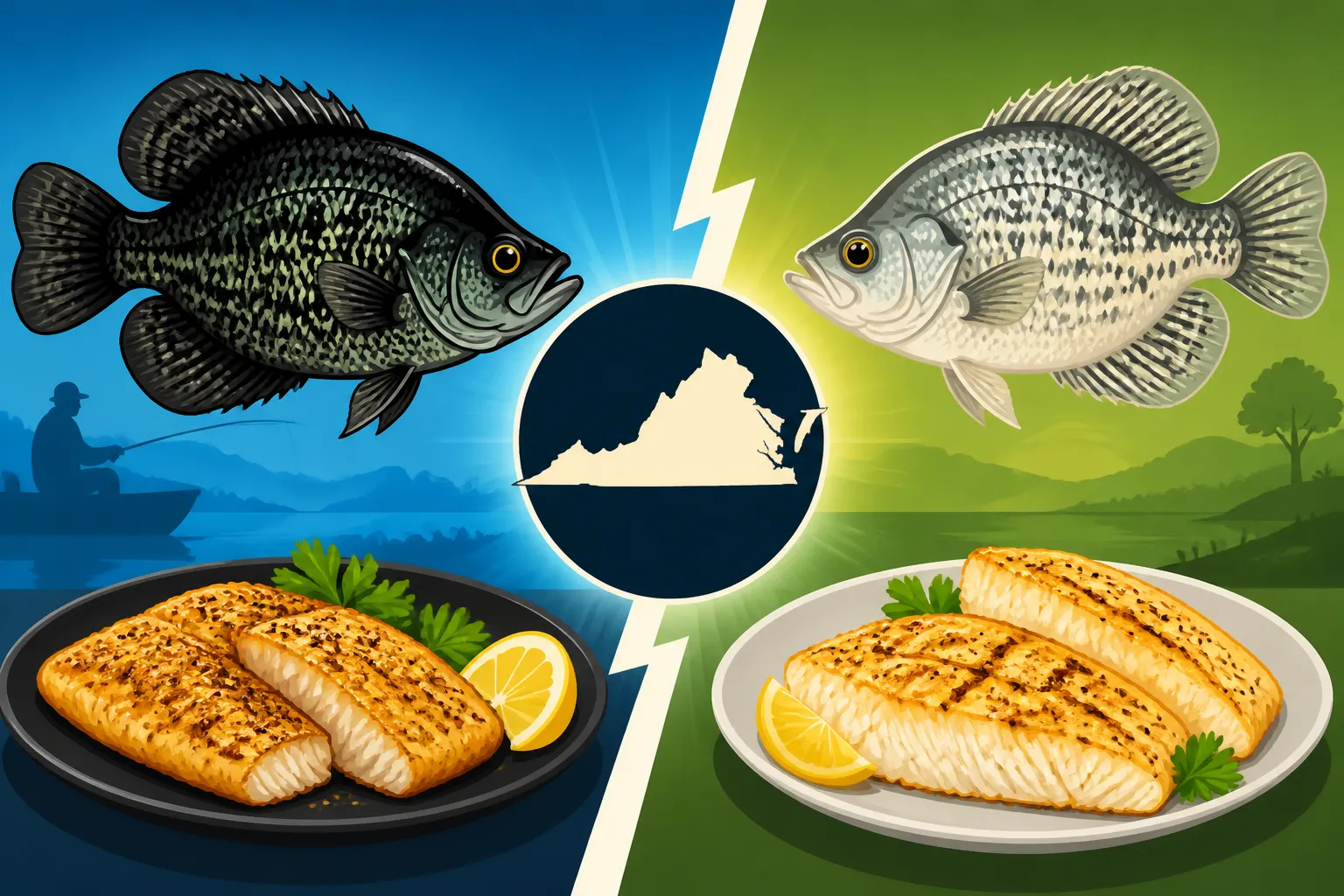
Visually, telling a black crappie from a white crappie is usually pretty straightforward once you know what to look for. Black crappie typically have a darker, more mottled appearance with irregular splotches and spots scattered across their silvery-gold bodies. The most reliable giveaway, though, is their dorsal fin: a black crappie will usually have 7 or 8 dorsal spines, giving that fin a rounded look. They tend to prefer clearer, cooler waters with plenty of submerged vegetation and structure, like brush piles or weed beds. If you're fishing a lake that's known for its clear water and lots of aquatic plants, chances are you'll be pulling in more black crappie.
White crappie, on the other hand, tend to be a bit lighter in color, with more distinct vertical bars or stripes along their sides rather than random spots. Their dorsal fin is the dead giveaway here, usually having 5 or 6 dorsal spines, which makes it look more elongated and pointed. These crappie are often more tolerant of murkier or more turbid waters, and they're frequently found in slower-moving rivers, impoundments, and larger reservoirs. They also love structure, but might be found more often around standing timber, docks, or bridge pilings in those less-clear environments. Their habitat choice often dictates their diet to some extent, which, as you can imagine, plays a big role in flavor. For specific insights into finding these fish, check out Crappie Fishing in Virginia and Best Crappie Fishing Lakes in Virginia.
The Impact of Environment on Flavor
It's a widely accepted truth among anglers that a fish's environment is one of the biggest determinants of its flavor. This holds true for crappie, perhaps even more so because both species can adapt to a range of water conditions. A crappie, whether black or white, caught from pristine, cold, clear waters with a diet rich in small baitfish and insects will almost always taste better than one from warm, stagnant, or muddy water with a less diverse food source. Think of it like comparing produce grown in rich, fertile soil versus poor, depleted soil—the difference is palpable.
Water temperature also plays a role. In colder months, fish tend to be less active, burn fewer calories, and often have a leaner, cleaner taste. As water temperatures rise, especially in late summer, fish can sometimes develop a "muddy" or "weedy" flavor, even if the water isn't visibly dirty. This isn't necessarily a species-specific issue, but rather an environmental one that can affect both black and white crappie. For example, a black crappie from a murky pond might taste "muddier" than a white crappie from a clear river. So, while we're discussing species differences, always remember that where the fish came from is often the first, most important factor in its culinary quality. You can learn more about seasonal patterns in Best Time of Year for Crappie Fishing in Virginia.
The Culinary Showdown: Taste and Texture
Now for the main event: how do these two popular panfish stack up when it comes to eating? While some anglers are adamant about one being superior, the truth is a bit more nuanced, and personal preference often plays a huge role. Both are generally considered excellent table fare, offering sweet, flaky white meat.
Black Crappie: A Closer Look at its Flavor Profile
Many anglers who prefer black crappie describe its flesh as exceptionally mild and sweet. The texture is often noted for being very fine-flaked and tender, almost delicate. Because black crappie tend to favor clearer water with more vegetation and typically consume a diet of smaller insects, crustaceans, and minnows, some believe this contributes to a cleaner, less "fishy" flavor. This makes them a fantastic choice for those who are a little more sensitive to stronger fish tastes or for introducing new diners to fish.
If you're serving black crappie, its mildness means it can easily take on the flavors of your seasonings without being overpowered. You really want to let that natural sweetness shine through. It’s the kind of fish that makes you appreciate the simple beauty of perfectly cooked fresh catch. Whether you're pan-frying them or baking them, the mild flavor is consistently a highlight.
White Crappie: Unpacking its Culinary Qualities
White crappie also boasts delicious white, flaky meat, but some connoisseurs might detect a subtle difference in its flavor profile. While still very mild, some report that white crappie can have a slightly richer or, occasionally, a faint "earthier" taste compared to black crappie. This isn't necessarily a bad thing; for many, it adds a bit more character. The texture is still flaky, but some describe it as slightly firmer than that of the black crappie.
Given their preference for waters that might be a bit more turbid or have more varied bottom compositions, their diet can sometimes include different types of invertebrates that might impart a slightly different taste. Again, this is often a subtle difference, not a dramatic one. If you enjoy a fish with a little more robustness in its natural flavor while still being incredibly palatable, white crappie might be your preferred choice. They hold up wonderfully to a variety of cooking methods, from classic frying to lighter pan-searing.
Factors Affecting "Better" Taste
When it comes to deciding which "tastes better," it's truly subjective, and many factors beyond just the species come into play. Here's a quick rundown of what really influences the eating experience:
- Water Quality and Diet: As mentioned, this is huge. A crappie from a clean, healthy lake will almost always be superior to one from polluted or stagnant water. Their diet impacts this as well; a diverse, natural diet contributes to better flavor.
- Freshness: This is perhaps the single most important factor. A freshly caught crappie, whether black or white, will always taste better than one that’s been sitting on ice for too long or frozen improperly. Get them cleaned and on ice as quickly as possible.
- Handling and Storage: How you handle the fish after it's caught makes a massive difference. Proper bleeding, immediate icing, and quick processing prevent the meat from deteriorating and developing off-flavors.
- Cooking Method: A perfectly fried piece of crappie is a thing of beauty. But overcooking, undercooking, or using too much oil can ruin even the freshest fish. The right seasoning and cooking method can elevate either species.
- Individual Palate: What one person considers "earthy" another might find "muddy." Some prefer a super mild flavor, while others like a bit more character. There's no single right answer, so experimentation is key!
Preparing Your Catch: Maximizing Flavor
Regardless of whether you've caught black or white crappie, the way you handle and prepare your fish can make all the difference between a good meal and a truly exceptional one. A little care from the moment you land the fish until it hits the plate will ensure you get the best possible flavor.
Best Practices for Handling Fresh Crappie
The journey from the water to your dinner table begins right when the fish is caught. Don't just toss your crappie into a bucket of warm water! To preserve that sweet, flaky flavor, immediately put your catch on ice. A cooler with plenty of ice is your best friend. This rapid cooling slows down spoilage and keeps the meat firm. Some anglers even prefer to bleed their fish immediately upon catching by making a small cut near the gills, which can further improve the flavor by removing blood from the flesh.
Once you’re off the water, clean your crappie as soon as possible. Filleting is generally the preferred method for crappie, as it removes all bones and skin, leaving you with pure, delicious meat. Make sure your fillet knife is sharp – you can find some great options for fillet knives on retailers like Amazon, along with insulated coolers for keeping your catch fresh. Rinse the fillets thoroughly under cold water to remove any scales or residual blood, then pat them dry. They're now ready for cooking or freezing. For general tips on how to care for your catch, consider topics like What to Bring on a Virginia Fishing Charter.
Popular Cooking Methods for Crappie
Crappie's delicate white meat is incredibly versatile, lending itself to a variety of cooking methods. Here are some of the most popular ways to prepare it:
- Frying: This is the quintessential crappie cooking method for many Virginians. A light breading (cornmeal is a classic choice) and a quick fry in hot oil yield crispy, golden-brown fillets with moist, tender interiors. This method is fantastic for highlighting the crappie's natural sweetness.
- Baking: For a lighter option, baking crappie fillets in the oven with a little butter, lemon, and herbs is a wonderful choice. This preserves the delicate texture and flavor without adding extra fat. Wrap them in foil with some veggies for an easy, healthy meal.
- Grilling: Smaller crappie fillets can be a bit tricky on the grill, but if you have larger ones, or use a fish basket, grilling can impart a lovely smoky flavor. Keep the heat moderate and don't overcook, as crappie can dry out quickly.
- Pan-Searing: A quick pan-sear in a hot skillet with a little oil or butter creates a beautiful crust while keeping the inside perfectly flaky. This method works well with simple seasonings and allows the crappie's flavor to shine through.
Remember, the key with crappie is not to overcook it. It cooks quickly, and once the flesh turns opaque and flakes easily with a fork, it's done.
Seasoning and Accompaniments
Because both black and white crappie have such a mild, sweet flavor, you really don't need to go overboard with seasonings. Simple is often best, allowing the fish itself to be the star of the show.
- Classic Approach: A sprinkle of salt, black pepper, and perhaps a dash of garlic powder or paprika is usually all you need before frying or pan-searing.
- Lemon and Herbs: Fresh lemon juice and chopped herbs like dill, parsley, or chives complement crappie beautifully, especially for baked or grilled preparations.
- Light Sauces: If you like a sauce, opt for something light that won't overwhelm the fish. A simple butter sauce with lemon and capers, or a fresh salsa, can add a wonderful brightness.
- Side Dishes: Crappie pairs wonderfully with classic Southern sides like hushpuppies, coleslaw, French fries, or grilled vegetables. A fresh green salad is also a great accompaniment to balance out a richer preparation.
The goal is to enhance the crappie's natural appeal, not mask it. Whether you prefer the slightly milder black crappie or the perhaps slightly richer white crappie, treating your catch with care and simple, thoughtful preparation will always result in a delicious meal. For more techniques, check out Crappie Jigging Techniques or Crappie Tightlining Basics.
| Feature | Black Crappie | White Crappie | Impact on Taste (General) |
|---|---|---|---|
| Appearance | Darker, irregular spots, usually 7-8 dorsal spines | Lighter, vertical bars, usually 5-6 dorsal spines | Minor; more about visual identification. |
| Preferred Habitat | Clearer, cooler water, dense vegetation | More tolerant of murky water, open areas, fewer weeds | Can influence diet, thus potentially subtle flavor differences. |
| Diet (Typical) | Small minnows, insects, crustaceans | Small minnows, insects, crustaceans (can be broader in murkier water) | Can lead to a slightly cleaner (black) or slightly earthier (white) note. |
| Flavor Profile | Often described as very mild, sweet, clean | Still mild, but sometimes described as slightly richer or "earthier" | Subtle difference, highly dependent on environment and freshness. |
| Texture | Very fine-flaked, tender, delicate | Flaky, but often described as slightly firmer | Both are flaky, but black crappie might feel a touch more delicate. |
| Overall Culinary Quality | Excellent table fare, universally liked | Excellent table fare, universally liked | Both are highly prized; preference often comes down to individual taste and fishing conditions. |
Disclaimer
This article is for general informational purposes only and does not constitute professional advice. Laws, prices and regulations vary by location and change over time. Consult a qualified professional for guidance on your specific situation.