Alabama Bass in Virginia: What Anglers Need to Know
Alright, fellow anglers, let's talk about something that's been making waves in some of our beloved Virginia waters: the Alabama Bass. For those of us who grew up chasing largemouth and smallmouth, the appearance of a new, non-native species can be a real head-scratcher, or even a bit frustrating. You just want to enjoy your day on the water, but now there's this extra layer of concern. This guide is here to cut through the confusion and give you the real scoop on Alabama Bass in Virginia – how to spot them, why they matter, and what we, as responsible anglers, can do to help protect our native fisheries.
What Exactly Are Alabama Bass?
Imagine heading out to your favorite fishing hole, expecting to catch a nice largemouth or smallmouth, and suddenly you're pulling in something that looks almost right, but just a little… off. That's the Alabama Bass for many Virginia anglers. They're a relatively new player in some of our aquatic ecosystems, and understanding them is the first step in addressing their presence.
The Unwanted Newcomer to Virginia Waters
The Alabama Bass (scientific name Micropterus henshalli) hails, as its name suggests, from the southeastern United States, particularly the rivers and reservoirs of Alabama and Georgia. They're part of the black bass family, like our native largemouth and smallmouth, which is precisely why they're so easily confused with other species. They aren't supposed to be here in Virginia, and their presence is almost always the result of human activity, whether it's through accidental introductions, misidentification during stocking efforts, or anglers unknowingly moving them from one waterbody to another in livewells or bait buckets.
These bass are quite similar in appearance and behavior to the more common spotted bass, another species that has also expanded its range. Alabama Bass are known for being aggressive feeders, often outcompeting native bass for food resources. This aggressive nature, combined with their ability to thrive in various conditions, makes them a formidable invader. When they establish a population, they can quickly become a dominant predator, changing the delicate balance of the local ecosystem. It's a classic tale of an outsider crashing the party and, unfortunately, trying to take over.
Alabama Bass vs. Spotted Bass vs. Largemouth: Identification Challenges
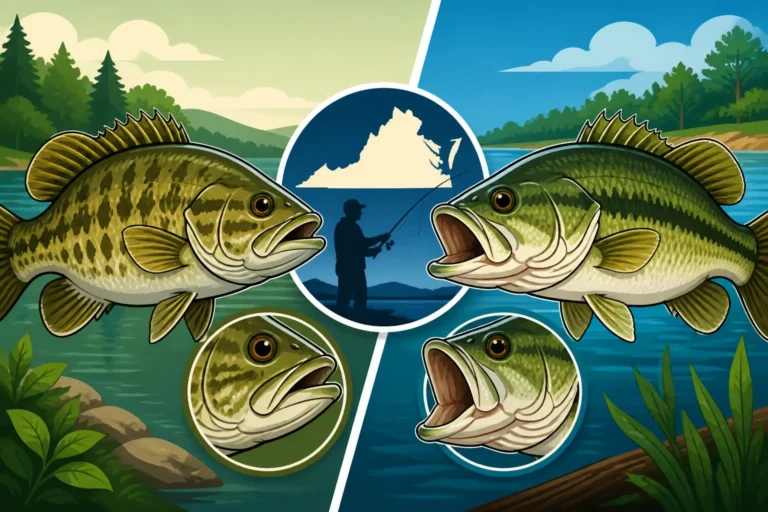
This is where things get tricky, even for seasoned anglers. Alabama Bass look incredibly similar to spotted bass, and even share some traits with largemouth. This makes on-the-water identification a real challenge, and it's why many anglers might not even realize what they've caught. Imagine reeling in a fish and trying to remember all the subtle differences in a moment of excitement! It's tough.
The key to distinguishing them often lies in a few specific physical characteristics. For instance, Alabama Bass typically have a more streamlined body than a largemouth, but they lack the distinct horizontal jawline that extends beyond the eye, a hallmark of largemouths. Compared to a spotted bass, the differences are even more subtle. Alabama Bass often have a more prominent tooth patch on their tongue than spotted bass, and their dorsal fin sections might be more clearly separated. The lateral line spotting can also be a clue, but it's not always definitive. It's truly a game of inches and tiny details. I always recommend having a good field guide handy, or even looking up detailed comparison charts from DWR. You can even find excellent waterproof fishing identification guides on Amazon that are perfect for keeping in your tackle box.
To help visualize these differences, here's a quick comparison table:
| Feature | Largemouth Bass | Spotted Bass | Alabama Bass |
|---|---|---|---|
| Upper Jaw | Extends beyond the rear of the eye | Does not extend beyond the rear of the eye | Does not extend beyond the rear of the eye |
| Tooth Patch on Tongue | Absent | Small, if present | Distinct, large tooth patch |
| Dorsal Fins | Deep notch between spiny and soft-rayed parts | Connected, less pronounced notch | Connected, often slightly less pronounced notch |
| Lateral Line | Distinct dark lateral stripe (often broken) | Series of dark spots below lateral line | Series of dark spots below lateral line |
| Body Shape | More robust, deeper body | More slender, torpedo-shaped | Very similar to spotted bass, slender |
Trying to remember all these details when a fish is flopping around in your hands can be a nightmare, I know. It's why consistent practice and careful observation are so important. Don't be afraid to take a quick photo for later identification if you're unsure – just make sure you know the regulations for that specific body of water first, especially concerning non-native species like these.
Why Are Alabama Bass a Big Deal in Virginia? The Ecological Impact
It might seem like "just another bass," but the introduction of Alabama Bass is far from benign. Their presence in Virginia's waters poses significant threats that could alter our beloved fisheries for generations. It’s not just about what we’re catching today; it’s about the future of our native populations.
The Threat to Native Bass Species
The most alarming aspect of Alabama Bass is their ability to outcompete and hybridize with our native black bass species, particularly smallmouth and spotted bass where they naturally overlap. Imagine two boxers in a ring: the Alabama Bass often comes in with more aggression and a faster growth rate, giving it an unfair advantage. This means less food and prime habitat for our native fish. Over time, this competition can lead to a decline in native populations, not just in numbers but also in overall health and size.
However, the bigger, more insidious threat is hybridization. Alabama Bass are known to readily interbreed with other bass species, especially spotted bass and even smallmouth. When this happens, the offspring are hybrids, a mix of the two species. While these hybrids might sometimes grow large, they represent a dilution of the native gene pool. This genetic pollution can lead to less adaptable, less resilient populations over time. It weakens the very genetic makeup that allows our native bass to thrive in Virginia's specific environments. Think of it like a beautiful, clear stream slowly becoming muddied – the original purity is lost, and it's incredibly difficult, if not impossible, to ever get it back. The long-term consequences for the future of bass fishing in Virginia, particularly for our iconic smallmouth and largemouth, are deeply concerning.
Ecosystem Disruption and Food Web Changes
Beyond direct competition and hybridization, Alabama Bass are also voracious predators with aggressive feeding habits that can disrupt the entire aquatic food web. They're not picky eaters and will consume a wide variety of prey, including baitfish, crawfish, and other smaller organisms. When a new, highly efficient predator enters an ecosystem, it can throw everything out of whack.
Their presence can lead to a decline in native baitfish populations, which in turn impacts other native predatory fish that rely on those baitfish for survival. This ripple effect can extend throughout the ecosystem, potentially affecting everything from panfish to larger game fish. While they might provide a fun fight on the end of a line, the cost to the broader ecosystem can be substantial. For example, while Alabama Bass prefer warmer waters and aren't typically found in cold, pristine streams, the general principle of invasive species disrupting delicate balances is the same concern we have for sensitive areas like those under Wild Trout Stream Rules in Virginia. We want to protect all our unique aquatic habitats, and the unchecked spread of aggressive non-native species threatens that balance.
Where Are Alabama Bass Found in Virginia?
Understanding where Alabama Bass have taken root is crucial for both management efforts and for anglers to know what to expect and how to comply with regulations. It’s not a statewide issue yet, but localized vigilance is paramount.
Current Known Hotspots and Spread Patterns
Right now, the most significant and well-documented stronghold of Alabama Bass in Virginia is Claytor Lake, located in Southwest Virginia. This large, popular reservoir has seen a substantial increase in Alabama Bass populations over recent years. It's a perfect example of how quickly an invasive species can establish itself once introduced. It's believed that they were likely introduced into Claytor Lake accidentally, perhaps through the stocking of misidentified fingerlings or through illegal transfers by anglers from other states where these fish are more common. This is why when we discuss the diverse species in that area, it’s important to acknowledge Claytor Lake's Diverse Virginia Fish Species Guide now includes this newcomer.
While Claytor Lake is the primary concern, fisheries biologists are always on the lookout for their potential spread to other water bodies. Rivers connected to Claytor Lake, or other popular fishing lakes that see a lot of angler traffic, are at higher risk. It's a constant battle of monitoring and prevention. As anglers, we can play a vital role in this by being observant and reporting any suspected Alabama Bass catches outside of known areas to the Virginia Department of Wildlife Resources (DWR). Early detection is our best defense against further widespread establishment.
How They Get Around: Angler Responsibility
The truth is, many invasive species introductions are directly or indirectly linked to human activity, and Alabama Bass are no exception. The most common ways these fish spread are entirely preventable, putting the onus squarely on us, the angling community. One of the biggest culprits is the unwitting transfer of live fish between different water bodies. An angler might catch an Alabama Bass in one lake, put it in their livewell, and then release it (or accidentally release a baitfish from that livewell) into a different lake later that day or week. Sometimes, they're simply misidentified and released where they shouldn't be.
This highlights the critical importance of the "Clean, Drain, Dry" principle. Before leaving any body of water, always drain your livewell, bilge, and bait bucket completely. Make sure to clean your boat, trailer, and all fishing gear, then allow everything to thoroughly dry before moving to another lake or river. This simple practice prevents the transfer of not just fish, but also aquatic plants, mussels, and other organisms that can be invasive. It’s an ethical standard for every angler, and it’s a crucial part of obeying Virginia Fishing Regulations Explained concerning invasive species. Remember, we all share the responsibility of protecting our native waters.
Regulations and Angler Response to Alabama Bass
When an invasive species like the Alabama Bass shows up, it's not just a biological problem; it quickly becomes a regulatory one. Our state wildlife agencies have to step in and put rules in place to try and manage the situation. As anglers, knowing and following these rules is our most important contribution.
Understanding Virginia's Specific Rules
Because of the threat Alabama Bass pose, the Virginia Department of Wildlife Resources (DWR) has implemented specific regulations aimed at containing their spread and reducing their population in affected waters. For waters known to have Alabama Bass, such as Claytor Lake, there is often a "catch and don't release" policy. This means that if you catch an Alabama Bass in these designated waters, you are required to keep it and not release it back into the lake. This might feel counterintuitive if you're a catch-and-release angler, but it's a vital measure to prevent further reproduction and spread.
It’s absolutely crucial to check the latest DWR regulations before heading out to fish, especially if you're going to a lake like Claytor. Rules can change, and what was allowed last year might not be this year. These regulations aren't arbitrary; they are put in place based on scientific assessment to protect our native fish. Disregarding them, even unknowingly, can have legal consequences. So, before you cast a line, make sure you're up-to-date on Virginia Fishing Rules Every Angler Should Know, particularly those concerning non-native species.
What Anglers Can Do: Responsible Fishing Practices
Beyond simply following the regulations, there's a broader role for responsible anglers to play in managing the Alabama Bass issue. First and foremost, if you're fishing in a waterbody with a "no release" policy for Alabama Bass, embrace it. Harvest those fish! They are generally good eating, and every one removed is one less fish competing with or hybridizing with our native bass. For those interested in their own culinary assessment, it's worth noting that like other black bass, many find them to be tasty, much like you might ask Is Largemouth Bass Good to Eat?.
Secondly, active participation in reporting catches, especially if you suspect you've caught an Alabama Bass outside of known locations, is invaluable. DWR relies on angler reports to monitor populations and track potential new introductions. A quick call or online report can make a real difference. Thirdly, education is key. Share what you learn about Alabama Bass identification and the risks they pose with fellow anglers. Many people simply aren't aware. Finally, meticulous gear sanitation, as mentioned earlier, is paramount. Consider specialized cleaning agents for your boat and gear, many of which are readily available on Amazon, to ensure you don't inadvertently spread any aquatic hitchhikers. This isn't about blaming anglers; it's about empowering us to be part of the solution.
Fishing for Alabama Bass: Techniques and Considerations
Despite their invasive status, Alabama Bass are aggressive fish that offer a spirited fight, making them an engaging target for anglers once you understand the specific guidelines. Fishing for them can actually be a part of the management solution, helping to reduce their numbers in affected waters.
Targeting Alabama Bass: Lures and Methods
When it comes to fishing for Alabama Bass, you'll find that many of the techniques and lures you use for largemouth and spotted bass will work just fine, if not exceptionally well. These fish are aggressive predators, and they're not shy about hitting a variety of presentations. Crankbaits, especially those that dive to deeper depths, are often very effective, particularly in the clearer, deeper waters where Alabama Bass tend to congregate. Jigs, rigged with soft plastic trailers or crawfish imitations, are also excellent choices for probing structure and drop-offs.
Soft plastics, such as Texas-rigged worms or Senko-style baits, can entice strikes from these feisty fish. In low-light conditions or during specific seasons, topwater lures can provide explosive action. Unlike some other bass species, Alabama Bass are often found in open water, chasing schools of baitfish, so covering water with a spinnerbait or a swimbait can also be productive. Think about what works for our Best Bait for Largemouth Bass in Virginia and apply it here. Local tackle shops near Claytor Lake, or online retailers like Amazon, will have a wide selection of these effective lures. The key is to match your presentation to the available forage and the depth the fish are holding at, often a bit deeper than you might target largemouth.
Culinary Notes: Are They Good to Eat?
For those waters where the DWR mandates or strongly encourages the harvest of Alabama Bass, you might be wondering: are they even good to eat? The short answer is yes, absolutely! Like other black bass species, Alabama Bass generally have firm, white, flaky flesh that holds up well to various cooking methods. Many anglers find them to be quite palatable, comparing them favorably to largemouth bass.
Harvesting Alabama Bass for consumption is a fantastic way to contribute to their management while also putting a delicious meal on the table. You can fillet them just like any other bass. They're excellent baked, fried, grilled, or pan-seared. Their flavor is mild, making them a versatile choice for a wide range of recipes. So, if you're pulling in an Alabama Bass in a designated "no release" area, feel good about taking it home. You're not only enjoying the fruits of your angling efforts, but you're also doing your part to protect Virginia's native fisheries. It's a win-win in the world of invasive species management!
The rise of the Alabama Bass in Virginia presents a unique challenge, one that calls for awareness, education, and responsible action from every angler. While their aggressive nature can offer an exciting fight, we must remember the serious ecological impacts they pose to our native bass populations through competition and hybridization. By understanding how to identify them, knowing where they are found, and adhering to specific DWR regulations, we can all play a vital role in protecting the future of Virginia's cherished fisheries. Let's stay informed, fish responsibly, and work together to preserve the natural beauty and ecological balance of our waters.
Disclaimer
This article is for general informational purposes only and does not constitute professional advice. Laws, prices and regulations vary by location and change over time. Consult a qualified professional for guidance on your specific situation.