White Perch and Panfish in Virginia
It's easy to get caught up chasing the biggest bass or the most elusive striped bass here in Virginia, overlooking some of our truly incredible, feisty, and delicious smaller species. Many anglers, especially those new to the sport, sometimes view panfish as "just for kids" or not worth the effort, but that couldn't be further from the truth! This comprehensive guide is here to shed light on the unsung heroes of Virginia's waters: white perch and the wider panfish family. We're going to dive deep into identifying these amazing fish, uncovering their favorite haunts, and sharing the best techniques to hook into some fantastic action, ensuring you enjoy every moment on the water and perhaps discover a new favorite for the dinner table.
Understanding White Perch: Virginia's Underrated Battler
When you talk about panfish in Virginia, the white perch often steals the show, and for good reason. They are plentiful, feisty, and absolutely delicious. Yet, many anglers don't give them the credit they deserve, often mistaking them or simply passing them over for larger game. Let's change that perspective and give the white perch its rightful place in your fishing adventures.
Identifying White Perch in Virginia Waters
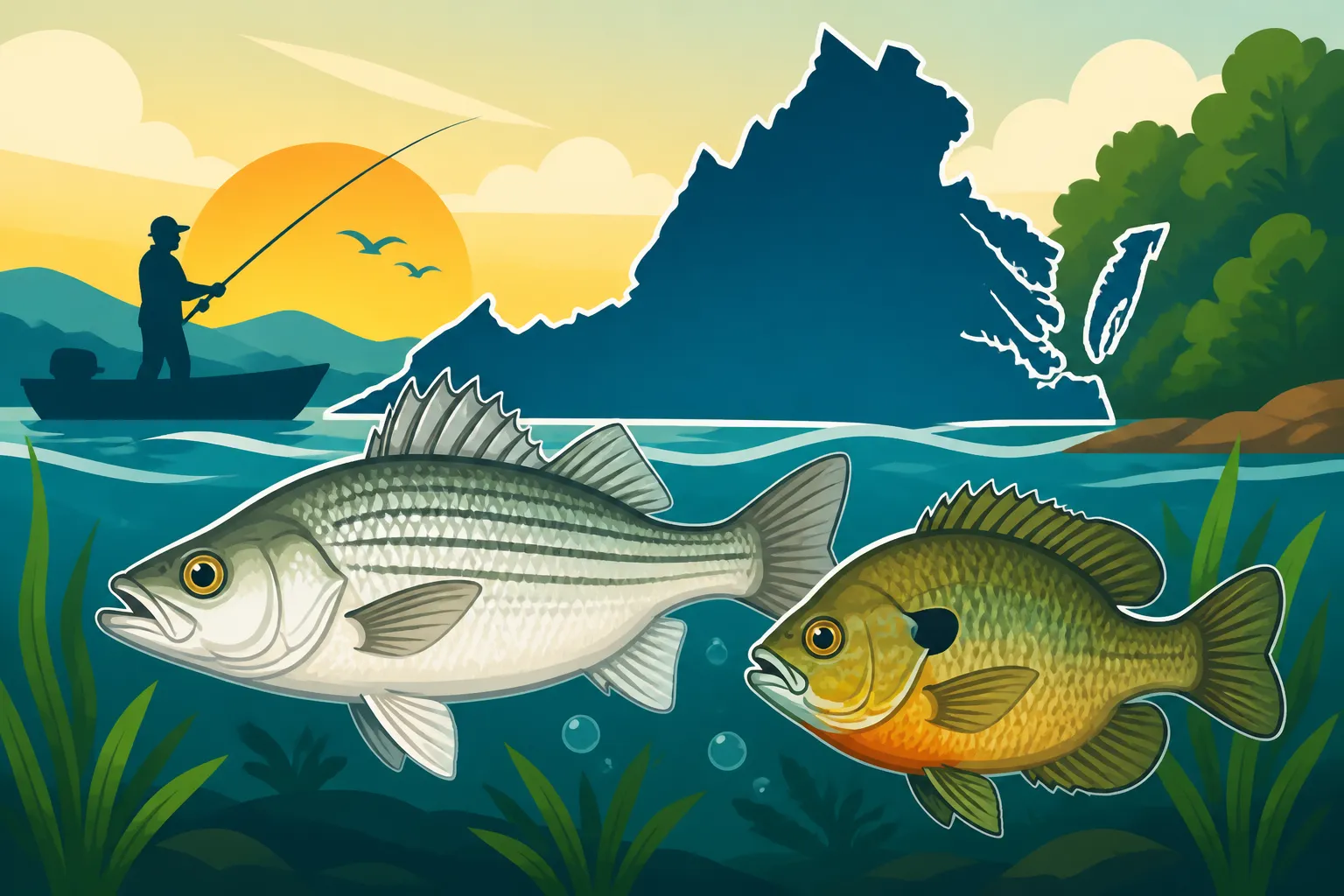
One of the first steps to successfully targeting white perch is knowing how to recognize them. They have a distinct look that sets them apart from other species you might encounter, though they are sometimes confused with their striped bass cousins, especially when small. White perch typically have a somewhat compressed, oval-shaped body, with a silvery, sometimes brassy, color that fades to white on their belly. Their dorsal fins are separated, with the first dorsal fin having sharp spines. You won't see the distinct dark lateral lines that are characteristic of striped bass, nor the prominent vertical bars of a yellow perch. They usually don't grow huge, with most catches ranging from 6 to 12 inches, but don't let their size fool you – they pack a punch on light tackle. When you pull one aboard, pay close attention to the smooth, somewhat bland coloration compared to the more vibrant patterns of a yellow perch. Knowing these subtle differences will help you confirm your catch and appreciate the nuances of each species. For a deeper dive, you might find specific identification tips helpful, like those in How to Identify a White Perch.
Where White Perch Thrive Across Virginia
White perch are incredibly adaptable, making them a widespread and accessible target for many Virginians. You'll find them predominantly in the brackish waters of the Chesapeake Bay and its tidal tributaries, such as the James, York, Rappahannock, and Potomac Rivers. These areas provide the perfect blend of fresh and saltwater that white perch adore. Look for them around oyster beds, mussel beds, channel edges, bridge pilings, and dock structures, where they can find cover and ambush their prey. They love areas with some current and often congregate in deeper holes or drop-offs, especially during colder months. But don't limit your search to tidal waters; some landlocked freshwater impoundments also boast healthy white perch populations, though they're not as common there as their yellow perch relatives. Understanding their preferred habitats, from the expansive Chesapeake Bay to the intricate networks of our tidal rivers, is key to consistent success.
White Perch as a Sport Fish and Table Fare
For a fish of its size, the white perch is an incredibly spirited fighter. Hook into a school of them on light tackle, and you're in for some serious fun. They hit hard and pull surprisingly strong, making every retrieve an exciting challenge. This makes them an excellent target for anglers of all skill levels, from seasoned veterans looking for fast action to beginners and kids just learning the ropes. Beyond the thrill of the fight, white perch are truly exceptional table fare. Their white, flaky meat has a delicate flavor that many anglers consider superior to even some highly prized game fish. They're perfect for pan-frying whole or filleting for a quick meal. Because they often school in large numbers, it's not uncommon to fill a cooler in short order, providing a bountiful harvest that will be appreciated by everyone at the dinner table. Their accessibility, fighting spirit, and deliciousness make them a truly underrated gem in Virginia's diverse fishing landscape.
A Deep Dive into Virginia's Panfish Family
While white perch are fantastic, they're just one member of a larger, equally engaging family of panfish that grace Virginia's waters. This diverse group offers incredible fishing opportunities, whether you're looking for a relaxing afternoon on the pond or an exciting challenge on a river. Each species brings its own unique characteristics, preferences, and fighting style to the table.
Bluegill and Sunfish: The Backyard Favorites
When most people think of panfish, bluegill and other sunfish often come to mind first. These are the quintessential backyard pond fish, and for good reason. They're abundant, eager to bite, and found in nearly every body of freshwater across Virginia, from small farm ponds to large lakes and slow-moving rivers. Bluegill, easily identifiable by the dark spot on their operculum (gill cover) and often a vertical barring pattern, are known for their aggressive strikes and surprisingly strong fight on ultralight gear. Other sunfish, like redear sunfish (shellcrackers) and pumpkinseed sunfish, also offer fantastic action and vibrant colors. They primarily feed on insects, small crustaceans, and larvae, making them susceptible to a wide range of natural baits and small artificials. These fish are the perfect entry point for new anglers, especially children, as they provide consistent action and foster a love for fishing. You can literally find them almost anywhere with water, making them the most accessible fish for a spontaneous outing. For more specific advice on these fun fish, check out Bream and Bluegill Fishing for Beginners.
Crappie: Black and White Varieties in Virginia
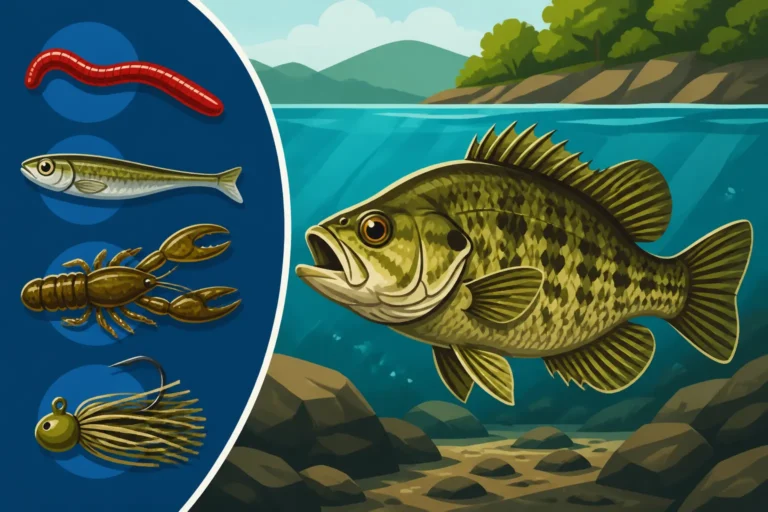
Crappie are another beloved panfish species in Virginia, prized for their delicate flavor and schooling behavior. We primarily have two types: black crappie and white crappie. While they share many similarities, there are subtle differences. Black crappie typically have a deeper body and more irregular dark speckles scattered over their silvery-green sides. White crappie, on the other hand, tend to have a slightly more elongated body and distinct, often seven or eight, vertical bands along their sides. Both species are ambush predators, favoring areas with submerged structure like brush piles, downed trees, bridge pilings, and weed beds. They are notoriously finicky eaters but, once located, can provide fast and furious action, especially during their spring and fall feeding binges. Crappie fishing is a passion for many, requiring patience and a good understanding of their habits. Their delicious fillets make the effort truly worthwhile. Learning to tell them apart, as discussed in How to Identify a Black Crappie, can sometimes give you an edge in targeting specific preferences.
Yellow Perch: Often Confused with White Perch
Yellow perch are a beautiful and delicious panfish that are often confused with white perch, especially by new anglers. However, they have distinct characteristics that differentiate them. Yellow perch are easily recognized by their prominent vertical dark bars (usually 6-8) on their brassy yellow to golden sides. They also have two distinct dorsal fins, similar to white perch, but their overall coloration is much more vibrant. Unlike white perch, yellow perch are strictly freshwater fish, preferring cooler, clearer waters in lakes, ponds, and slower sections of rivers. They are also schooling fish, often found in large numbers, making them a great target for consistent action. While they don't grow as large as some other species, their firm, white meat is highly sought after, especially in colder climates. Learning to distinguish between White Perch vs Yellow Perch: How to Tell Them Apart is a valuable skill for any Virginia angler, ensuring you understand the habits and habitats of each unique species you encounter.
Essential Gear for Virginia Panfish Anglers
One of the great things about panfishing is that you don't need a boatload of expensive, specialized gear. In fact, keeping it simple and light is often the most effective approach. The joy of panfishing comes from the pure connection to the fish, and that's best achieved with tackle that allows you to feel every twitch and pull.
Rods and Reels for Light Tackle Action
For panfish, the key is light tackle. An ultralight or light action spinning rod, typically 5 to 7 feet long, paired with a small spinning reel (size 1000 or 2000) spooled with light line, is absolutely perfect. This setup allows for sensitive detection of subtle bites and makes even a small bluegill feel like a trophy. For line, a 4- to 6-pound test monofilament is a classic choice, offering good knot strength and stretch for shock absorption. Some anglers prefer a very thin braided line for its incredible sensitivity and castability, often paired with a fluorocarbon leader for stealth. The choice of line can often be found at a local tackle shop or through a wide selection on Amazon, offering options for every preference and budget. Whichever you choose, ensure your knots are strong and your drag is set properly – even small fish can break off if you're not careful, especially when using such delicate gear.
Best Baits and Lures for Tempting Panfish
Panfish aren't usually picky eaters, which is another reason they're so much fun to catch!
Live Bait: For sheer effectiveness, live bait is hard to beat. Worms (red wigglers, nightcrawlers) are universally loved by bluegill, sunfish, and yellow perch. Small minnows are deadly for crappie and white perch. Crickets, grubs, and even small pieces of corn can also be effective, depending on the species and time of year.
Artificial Lures: For artificials, think small. Tiny jigs (1/32 to 1/16 ounce) tipped with a small plastic grub, tube, or curly tail are incredibly versatile. Small spinnerbaits with a single blade, tiny crankbaits, and micro spoons can also elicit aggressive strikes, especially from white perch and crappie. Fly anglers can have a field day with small poppers, nymphs, and wet flies. Experimentation is key; what works one day might not the next, so having a variety on hand is always a good strategy. You'll find an extensive selection of these small lures and bait options readily available from various sellers on Amazon, making it easy to stock up before your next trip.
Terminal Tackle and Accessories You'll Need
Beyond rods, reels, and baits, a few key pieces of terminal tackle and accessories will complete your panfishing kit.
Hooks: Small hooks are essential. Size 6 or 8 Aberdeen hooks are popular for their thin wire, which makes them less likely to gut-hook a fish and allows for easy bait presentation. Snelled hooks, pre-tied with a leader, are also convenient.
Sinkers: A selection of small split shot weights is invaluable for getting your bait down to the desired depth. Small egg sinkers can also be used for bottom fishing rigs.
Bobbers: A variety of bobbers, from small clip-on models to slip bobbers, will help you detect bites and suspend your bait at the right depth.
Other Accessories: Don't forget a small tackle box to keep everything organized, a pair of needle-nose pliers for hook removal, a small measuring tape (just in case there are specific regulations), and a small cooler with ice for keeping your catch fresh. Having a comfortable folding chair or bucket can also make a day of bank fishing much more enjoyable.
Top Techniques for Consistent Panfish Catches
Fishing for panfish isn't just about dropping a line and hoping for the best. While they can be quite cooperative, employing a few tried-and-true techniques will dramatically increase your success rate and make your time on the water even more productive and enjoyable.
Still Fishing with Live Bait: The Classic Approach
This is often the first technique many of us learn, and for good reason: it’s incredibly effective and relaxing. Still fishing involves suspending your bait in a productive area and waiting for a bite.
Bobber Fishing: This is probably the most common method. Attach a small bobber a foot or two above your hook, add a split shot or two a few inches above the hook to get your bait down, and cast it out. Watch the bobber carefully; a dip, twitch, or disappearance indicates a bite. This is fantastic for bluegill, sunfish, and crappie in shallower waters or suspended near cover. It's an excellent way to introduce kids to fishing, as the visual aspect of the bobber disappearing is incredibly exciting.
Bottom Fishing: For white perch, yellow perch, and even some crappie that might be hugging the bottom, a simple bottom rig can be deadly. Tie a small sinker to the end of your line, and then tie one or two snelled hooks on short leaders above the sinker. Bait them with worms or minnows and cast out. This is particularly effective in tidal rivers where white perch often feed near the bottom. The rod tip will twitch or bend when a fish picks up the bait.
Jigging and Trolling for Active Panfish
When panfish are active and feeding, especially white perch and crappie, a more dynamic approach can be incredibly rewarding. These methods allow you to cover more water and actively seek out schools of fish.
Vertical Jigging: This technique is fantastic for crappie and white perch suspended in deeper water, often over structure. Use a small jig, drop it to the desired depth, and impart a subtle up-and-down motion with your rod tip. The bites can be very light, so pay close attention. This is often done from a boat or kayak, allowing you to position directly over fish schools visible on a fish finder.
Casting and Retrieving Jigs: For white perch and yellow perch, casting small jigs and retrieving them with a slow, steady retrieve or a series of short jerks can be highly effective. Vary your retrieve speed and depth until you find what the fish are responding to.
Slow Trolling: Crappie anglers often employ slow trolling, or "spider rigging," where multiple rods are used with jigs or small crankbaits trolled at very slow speeds. This allows you to present multiple baits at different depths until you locate where the fish are holding. Many anglers research these techniques by watching videos or reading specialized books, often found with detailed diagrams and instructions available for purchase on Amazon. These resources can be a huge help in mastering these more advanced approaches.
Fly Fishing for Panfish: A Rewarding Challenge
For those who enjoy the finesse and artistry of fly fishing, panfish offer a fantastic and often overlooked target. You don't need heavy, expensive gear; a lightweight fly rod (2 to 4 weight) is perfect for these smaller species.
Equipment: A light fly rod and reel, floating fly line, and a 4-6 pound test leader are all you need.
Fly Patterns: Panfish readily strike a variety of fly patterns. For surface action, small poppers and foam spiders are incredibly exciting, especially for bluegill and other sunfish. For subsurface work, small nymphs, wet flies, and tiny streamers (like a woolly bugger) can be deadly for crappie, white perch, and yellow perch.
Technique: Casting small, light flies is an acquired skill, but panfish are generally not leader-shy, making them a forgiving target for learning. Presenting a small popper near lily pads or a nymph along a weed line can yield consistent action. The thrill of feeling a strong tug on such light gear is truly something special. Fly fishing for panfish is not only a fantastic way to hone your skills but also a deeply rewarding experience that connects you more intimately with the water and its inhabitants.
Locating Panfish Hotspots in Virginia
Knowing the right techniques and having the proper gear is only half the battle. The other crucial piece of the puzzle is knowing where to find these delightful fish. Virginia's diverse waterways offer a multitude of excellent panfish habitats, from vast tidal rivers to serene mountain lakes.
Finding White Perch in Tidal Rivers and the Bay
White perch, being partial to brackish water, are often found in very specific types of locations. In Virginia's tidal rivers like the James, York, Rappahannock, and Potomac, look for areas where freshwater meets saltwater. Oyster reefs and mussel beds are prime locations, as these filter feeders create a rich ecosystem that attracts small baitfish and invertebrates, which white perch prey upon. Channel edges and drop-offs are also key areas, especially during cooler months when fish might move into deeper water. Bridge pilings, docks, and submerged structures provide both cover and ambush points. Pay attention to the tides; often, white perch become more active feeders during incoming or outgoing tides when the current brings food to them. Finding these hotspots often involves moving around, using your electronics to spot schools, and paying attention to where other anglers are having success. Many of Virginia's major river systems leading to the Chesapeake Bay are fantastic starting points.
Productive Spots for Crappie, Bluegill, and Yellow Perch
When it comes to freshwater panfish like crappie, bluegill, and yellow perch, structure and cover are your best friends.
Crappie: These fish absolutely love submerged cover. Look for brush piles, fallen trees, old dock pilings, and even submerged bridge remnants. In lakes like Smith Mountain Lake or Lake Anna, crappie will often suspend themselves in these areas, especially during midday. They prefer relatively still water but will move to channel edges or deeper humps during certain seasons. Finding a good crappie spot often means finding some dense, woody cover.
Bluegill and Sunfish: These species are more widespread and often found in shallower water than crappie. Look for weed beds, lily pads, bank vegetation, and shallow docks in ponds, lakes, and slow-moving rivers. They also like areas with some rock piles or gravel bottoms, particularly during spawning season. They are truly found in almost any nook and cranny of freshwater that offers cover and food. Virginia's Best Freshwater Fishing Destinations often highlight spots perfect for these species.
Yellow Perch: Similar to crappie, yellow perch appreciate structure and slightly deeper, cooler water. They'll often be found around submerged humps, points, and drop-offs in larger lakes. They also relate to weed lines and submerged timber, but usually in slightly deeper water than bluegill. They are strong schooling fish, so when you find one, you've likely found many.
Reading the Water: Seasonal Movements and Patterns
Understanding how panfish move throughout the year is crucial for consistent success. Their behavior is largely dictated by water temperature and their biological needs, primarily spawning and feeding.
Spring: As water temperatures rise into the 50s and 60s, panfish move into shallower waters to spawn. This is prime time for catching bluegill, crappie, and yellow perch in the shallows around cover. White perch will also move into brackish tributaries for their spawn.
Summer: With warmer water, many panfish will seek deeper, cooler water or dense cover to escape the heat and bright sunlight. Look for them in brush piles, under docks, or in deeper channel edges. Early mornings and late evenings can offer opportunities in shallower water as they come out to feed.
Fall: This is often a fantastic time for panfishing. As water temperatures begin to drop, panfish go on a major feeding binge to bulk up for winter. They can be found actively schooling in a variety of depths, often in transition areas like points or flats adjacent to deep water.
Winter: Panfish become less active in very cold water. They'll move to deep holes, channel bottoms, or large submerged structures where water temperatures are more stable. Bites will be subtle, and a slow, methodical presentation is key.
Knowing these seasonal patterns will allow you to anticipate where the fish will be, saving you precious fishing time and increasing your chances of a successful outing.
Regulations and Conservation for Panfish
Even though panfish are abundant and often less regulated than larger game species, it’s still incredibly important to understand and abide by Virginia’s fishing regulations. These rules are in place not to make your life harder, but to ensure healthy fish populations for generations of anglers to come. Responsible angling includes knowing the law and practicing good stewardship of our natural resources.
General Virginia Fishing License Requirements
First and foremost, nearly all anglers in Virginia need a valid fishing license. This applies whether you're targeting trophy striped bass or a bucket full of bluegill. The type of license you need depends on where you're fishing (freshwater, saltwater, or both) and your residency status. Residents typically have more affordable options than non-residents, and there are sometimes special considerations for seniors or those with disabilities. You can purchase licenses online through the Virginia Department of Wildlife Resources (DWR) website, at authorized license agents like bait and tackle shops, or even certain chain stores. Never assume you don't need a license, even for a quick trip to a local pond. The penalties for fishing without one can include significant fines and even confiscation of your gear, which nobody wants! Always make sure your Virginia Fishing License Guide is up-to-date and easily accessible. More information about Virginia Fishing License Costs and Types Explained and Freshwater and Saltwater Fishing Licenses in Virginia is available to help you make the right choice.
Understanding Panfish Creel Limits and Size Restrictions
Unlike highly sought-after game fish like striped bass or certain trout species, panfish often have more generous or even no specific size and creel (possession) limits in Virginia. This is largely due to their abundance and fast reproduction rates. However, this isn't always the case, and regulations can change, so it's absolutely vital to check the latest Virginia DWR regulations before you head out. While you might not find a minimum size limit on bluegill, there could be a combined daily creel limit for all sunfish species or a specific regulation for crappie in a particular lake. White perch, especially in the tidal rivers and the Bay, often have specific regulations that might differ from freshwater panfish. These rules are crucial to prevent overfishing and maintain healthy ecosystems. It's easy to get excited when the bite is hot, but always fish within the legal limits. Ignorance of the law is never an excuse. Always make sure to check the specific body of water you're fishing, as local rules can sometimes override general statewide regulations. You can also review Virginia Fishing Rules Every Angler Should Know for a broader understanding.
Practicing Responsible Catch and Release or Harvest
While panfish are often targeted for their table fare, practicing responsible angling, whether you're keeping them or releasing them, is key to sustainable fishing.
Selective Harvest: For species like bluegill and crappie, some anglers practice selective harvest, keeping only medium-sized fish and releasing the largest breeders to maintain good genetics in the population. Over-harvesting the largest fish can sometimes stunt a population.
Catch and Release: If you're releasing fish, handle them gently. Wet your hands before touching the fish, use needle-nose pliers or a de-hooking tool to remove the hook quickly, and support the fish horizontally when lifting it. Avoid dropping fish on hard surfaces. If a fish is deeply hooked and bleeding, it might be best to keep it if it's legal and you intend to eat it, rather than releasing it to die.
Environmental Stewardship: Beyond the fish, always pack out everything you pack in. Don't leave trash, discarded fishing line, or bait containers. Our waterways are beautiful, and it's up to all of us to keep them that way. Supporting organizations that work on habitat restoration and conservation, often funded by fishing license fees, is also a great way to give back to the sport. Your role as an angler extends far beyond just catching fish; it's about being a caretaker of Virginia's incredible aquatic resources.
Beyond the Catch: Enjoying Your Virginia Panfish Harvest
The joy of panfishing extends well beyond the thrilling tug on your line. For many, the real treat comes after, transforming their fresh catch into a delicious meal. Panfish are celebrated for their delicate flavor and firm, white meat, making them an excellent choice for the dinner table. If you're new to harvesting fish, don't worry – it's a straightforward process that becomes easier with practice.
Cleaning and Filleting Your Panfish
Cleaning panfish is a rite of passage for many anglers, and it's quite simple, even for those smaller species. You'll need a sharp fillet knife, a good cleaning board, and access to water.
Scaling vs. Skinning: For smaller panfish like bluegill or yellow perch, many anglers prefer to scale them and cook them whole or as butterflied fillets with the skin on. For larger panfish like crappie or white perch, filleting them and removing the skin is common.
The Filleting Process:
- Start behind the head: Make a cut behind the gill plate, down to the backbone, but don't cut through.
- Run along the backbone: Turn your knife and run it horizontally along the backbone, from the first cut to the tail. This separates the fillet from the body.
- Remove the rib cage: Gently lift the fillet and carefully cut around the rib cage.
- Skinning (if desired): Lay the fillet skin-side down. Hold the tail end firmly, make a small cut between the meat and the skin, and then angle your knife slightly downward, sliding it along the skin to separate the meat.
It takes a little practice, especially on smaller fish, but with a sharp knife and patience, you'll be filleting like a pro in no time. Always be cautious when using a sharp knife and ensure you have a stable surface.
Simple and Delicious Panfish Recipes
Panfish are incredibly versatile in the kitchen, but often, the simplest preparations are the best, allowing their natural, delicate flavor to shine through.
Classic Fried Perch/Crappie: This is a perennial favorite. After filleting (or cleaning whole), pat your fish dry. Dredge them in a mixture of seasoned flour, cornmeal, or a store-bought fish fry mix. Fry them in hot oil (vegetable, peanut, or canola) until golden brown and flaky, usually just a few minutes per side depending on thickness. Serve with tartar sauce, lemon wedges, and hushpuppies for a true Southern experience.
Pan-Seared White Perch: For a slightly lighter option, pan-searing is fantastic. Heat a cast iron skillet with a little olive oil or butter over medium-high heat. Season your fillets with salt, pepper, and perhaps a dash of Old Bay seasoning. Sear them for 2-3 minutes per side until beautifully browned and cooked through. A squeeze of fresh lemon juice at the end brightens the flavor.
No matter how you cook them, panfish offer a delightful, mild taste that even non-fish eaters often enjoy. They're a fantastic source of lean protein and a wonderful way to enjoy the fruits of your angling efforts.
The Community and Family Aspect of Panfishing
Beyond the individual catch and the delicious meal, panfishing holds a special place in the hearts of many anglers because of its inherent accessibility and community spirit. It's often the gateway for new anglers, especially children, into the wonderful world of fishing. Setting up a simple bobber and worm rig with a child, watching their eyes light up as that bobber dips, and helping them reel in their first bluegill – those are priceless memories. Easy Fishing Techniques for Kids are a great way to start.
Panfishing doesn't require expensive boats or exotic travel; many of Virginia's best panfish spots are easily accessible from shore, piers, or small kayaks. This makes it an affordable and family-friendly activity that fosters connection with nature and each other. It’s about sharing laughs, teaching patience, and creating lasting bonds. Whether you're seeking solitude on a quiet pond or introducing the next generation to the joys of the outdoors, Virginia's panfish offer an unparalleled opportunity. So next time you're planning a trip, don't overlook these incredible fish. They might just provide you with some of the most enjoyable and memorable fishing experiences you'll ever have. Consider visiting Family-Friendly Fishing Spots in Virginia for your next outing!
Comparing Common Virginia Panfish
To help you quickly identify and appreciate the differences between Virginia's popular panfish species, here's a handy comparison table.
| Feature | White Perch | Black Crappie | White Crappie | Bluegill | Yellow Perch |
|---|---|---|---|---|---|
| Primary Habitat | Brackish tidal rivers, Chesapeake Bay, some freshwater lakes | Freshwater lakes, ponds, slow rivers (cover) | Freshwater lakes, ponds, slow rivers (cover) | Freshwater ponds, lakes, slow rivers (shallow, weeds) | Freshwater lakes, ponds (cooler, clear water, structure) |
| Appearance | Silvery-brass, no distinct bars/stripes, two separate dorsal fins | Deep body, irregular dark speckles, two separate dorsal fins (joined) | Elongated body, 7-8 distinct vertical bands, two separate dorsal fins (joined) | Round body, dark spot on gill cover, often vertical barring | Brassy yellow, 6-8 distinct dark vertical bars |
| Typical Size | 6-12 inches | 8-12 inches | 8-12 inches | 4-8 inches | 6-10 inches |
| Fight | Feisty, strong pull | Delicate, subtle | Delicate, subtle | Aggressive, strong pull | Good, solid pull |
| Table Fare | Excellent, white, flaky | Excellent, delicate, flaky | Excellent, delicate, flaky | Good, slightly firmer | Excellent, firm, white |
| Primary Diet | Small fish, crustaceans, insects | Small fish, minnows, insects | Small fish, minnows, insects | Insects, larvae, small crustaceans | Small fish, insects, crustaceans |
| Seasonality | Active year-round, best in spring/fall | Active spring/fall, slow in winter | Active spring/fall, slow in winter | Active spring-fall | Active spring/fall, often found deeper in summer |
Disclaimer
This article is for general informational purposes only and does not constitute professional advice. Laws, prices and regulations vary by location and change over time. Consult a qualified professional for guidance on your specific situation.