Can You Keep a Striped Bass Over 31 Inches in Virginia?
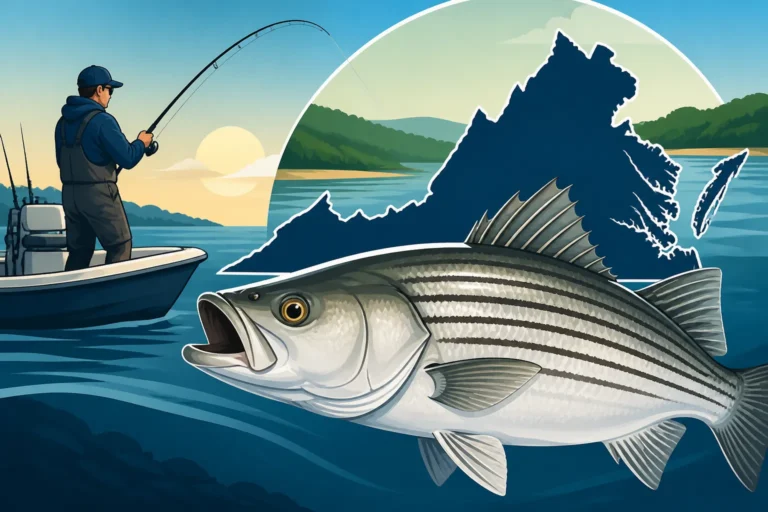
It can be incredibly confusing and even frustrating trying to keep up with fishing regulations, especially when you're out on the water, excited about a potential keeper. You hook into a gorgeous striped bass, feel that powerful fight, and as you bring it in, the big question looms: "Can I keep this one?" Virginia's rules for striped bass, often called "rockfish" by local anglers, are designed to protect this incredible species, but they can certainly be a bit nuanced. This guide will cut through the confusion and explain exactly what happens when you catch a striped bass over 31 inches in Virginia.
Understanding Virginia's Striped Bass Regulations
Let's be real, navigating fishing regulations feels like trying to read a legal document sometimes. It’s dense, full of specifics, and can change from year to year, or even within a season. But for a fish as important to Virginia’s fisheries as the striped bass, these rules are absolutely vital. They're not there to make your life harder, but to ensure future generations of anglers can experience the thrill of catching these magnificent fish.
The Importance of Slot Limits for Conservation
You might wonder why there are such specific size ranges for certain fish, like the striped bass's notorious "slot limit." It often feels restrictive, right? You catch a monster fish, and you have to let it go. But here's the deal: slot limits are a cornerstone of modern fisheries management. Instead of just a minimum size, a slot limit specifies a range of sizes that can be kept. The primary goal is to protect the very largest, most productive breeding fish (the big mamas and papas that are typically over the slot) and the very smallest, most vulnerable juveniles. By allowing anglers to keep fish within a middle "slot," we reduce pressure on the reproductive stock, allowing those bigger fish to continue spawning and contributing to the population. It’s a strategy that helps ensure sustainable fishing for years to come. Think of it as investing in the future of our fishing. Virginia Fishing Regulations Explained offers a deeper dive into the general framework.
General Statewide Rules vs. Special Management Areas
Adding another layer of complexity to Virginia's fishing landscape is the fact that regulations aren't always uniform across the entire state. What applies in the vast waters of the Chesapeake Bay might be different from the rules in a specific tidal river or even an inland lake where striped bass might be found. While the general statewide regulations for striped bass are pretty consistent for most coastal and tidal waters, it’s always wise to double-check. For example, some non-tidal impoundments might have entirely different rules, or even no striped bass presence at all. These variations are usually put in place by the Virginia Department of Wildlife Resources (DWR) or the Virginia Marine Resources Commission (VMRC) to address specific localized population dynamics or unique ecological conditions. Always, and I mean always, check the most current regulations for the specific body of water you plan to fish before you cast a line. The penalties for not knowing can be pretty steep. Virginia Fishing Rules Every Angler Should Know outlines more of these important distinctions.
The Specifics: What Happens at 31 Inches?
Okay, let's get down to the nitty-gritty of that 31-inch mark. This is where many anglers get caught up, especially when they land a truly impressive fish. It's a moment of excitement mixed with a bit of anxiety as you reach for your measuring tape.
The Virginia Striped Bass Slot Limit
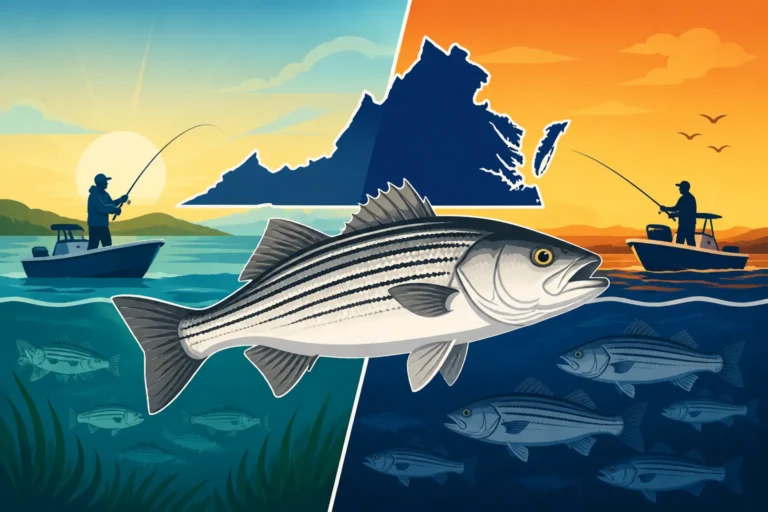
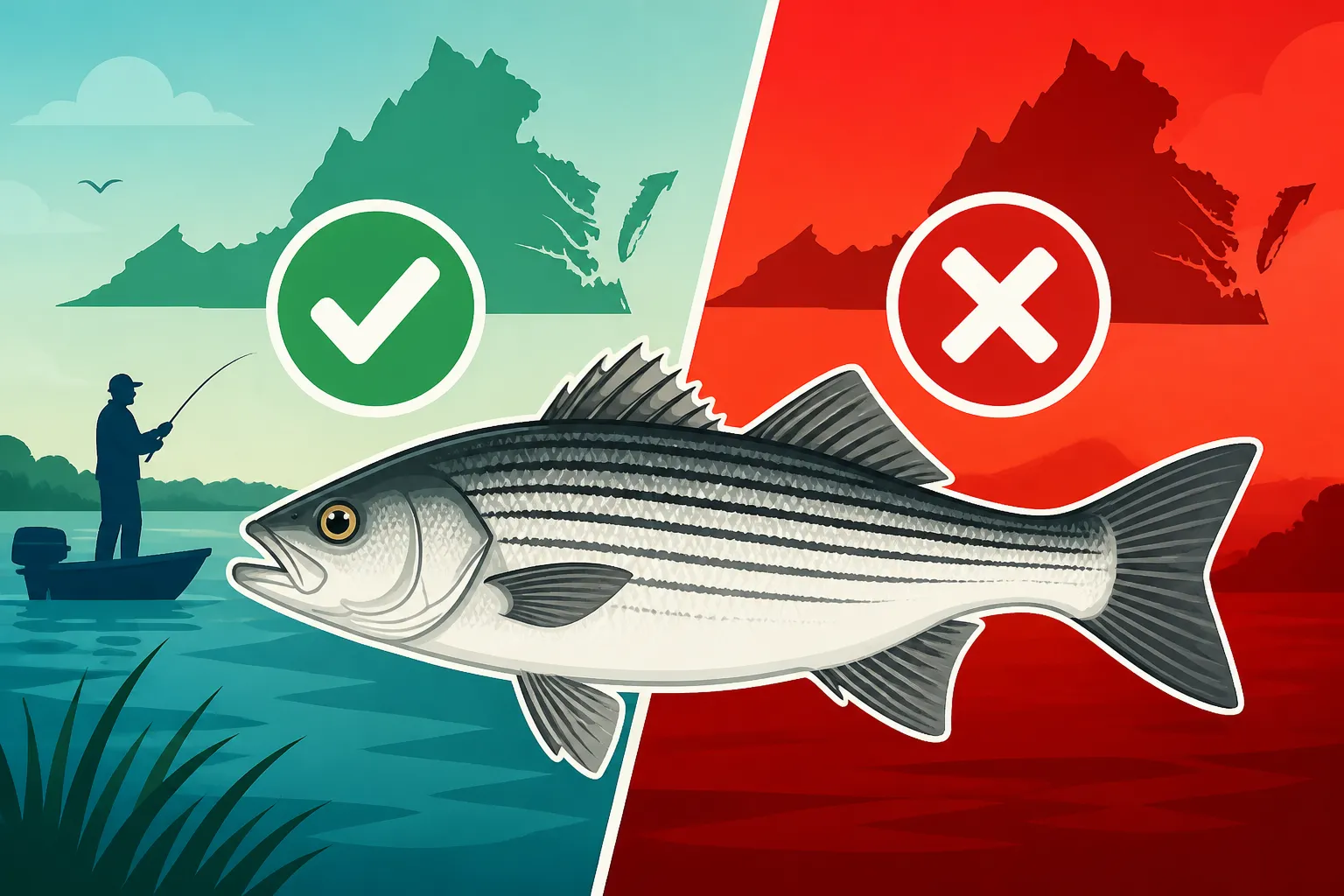
Currently, Virginia employs a specific slot limit for striped bass in most of its tidal waters and the Chesapeake Bay. Anglers are generally allowed to keep one striped bass per person, and that fish must measure between 28 and 31 inches, inclusive. This means a fish that is exactly 28 inches long is a keeper, as is a fish that is exactly 31 inches long. Any fish that measures under 28 inches must be immediately released, and, critically, any fish that measures over 31 inches must also be immediately released. This is the core of the regulation: those prized, large breeding fish are protected. Virginia Rockfish Slot Limit is 28 to 31 Inches dives further into this specific measurement.
Let's imagine you're out on the Chesapeake Bay, maybe near the CBBT, and you feel that tell-tale tug on your line. After a spirited battle, you bring a beautiful striper alongside the boat. You carefully measure it, and it comes in at 32 inches. Your heart might sink a little, because despite its impressive size, that fish falls outside the legal slot. According to the rules, it's a mandatory release. This can be a tough pill to swallow when you've worked hard for a big fish, but remember, you're playing a crucial role in conservation by letting it go. It's about ensuring those big breeders can continue to contribute to the population for years to come.
Catching a Striped Bass Over 31 Inches: What to do
So, you've caught a striped bass that measures over 31 inches. What's next? The answer is clear: immediate and careful release. This isn't just a suggestion; it's a regulation. Fines and penalties for possessing an oversized striped bass can be significant, and Virginia game wardens are diligent in enforcing these rules. They're out there on the water, making sure everyone is doing their part. Virginia game wardens check for valid fishing licenses on the water and they're certainly checking catch sizes too.
To ensure the best chance of survival for that released fish, minimize handling. Use a de-hooking tool if possible, avoid touching its gills, and support its body horizontally if you need to hold it for a quick photo. Get it back into the water as quickly and gently as possible, allowing it to swim away on its own power. You can even find specialized de-hookers and measuring boards on retailers like Amazon that make this process smoother and safer for the fish. Remember, a quick photo is fine, but the fish's health comes first.
Why the 28-31 Inch Window?
The choice of the 28-31 inch slot limit isn't arbitrary; it's based on scientific data and a deep understanding of striped bass biology. Striped bass typically reach sexual maturity and begin to contribute significantly to spawning at sizes above 28 inches, but the largest, most prolific spawners are generally the fish that grow beyond 31 inches. By protecting these bigger fish, the DWR and VMRC aim to safeguard the primary breeding stock.
These larger females, often called "broodstock," produce exponentially more eggs than smaller females, and their eggs are often of higher quality, leading to better survival rates for the next generation. So, while it's tough to let a trophy go, understand that you're literally allowing the future of striped bass fishing to swim away and reproduce. It's a conscious decision to prioritize the long-term health of the fishery over individual harvest. It’s a collective effort, and every angler plays a part in keeping the striped bass population healthy and thriving.
Practical Tips for Responsible Striped Bass Anglers
Being a responsible angler goes beyond just knowing the rules; it's about adopting practices that contribute to the sustainability of the fishery. Especially with a prized species like the striped bass, every action counts.
Essential Gear for Measuring and Releasing
When you're targeting striped bass, especially in an area with a slot limit, having the right gear for measuring and releasing is non-negotiable. First and foremost, a reliable measuring device is essential. A flexible, roll-up tape measure or a sturdy bump board will allow you to quickly and accurately determine if your catch falls within the legal slot. Many anglers opt for a large, visible measuring board that can be laid flat in the boat. You can find a wide variety of measuring tools on Amazon, ranging from simple tapes to professional-grade bump boards.
Beyond measuring, having the proper release tools is critical. A good pair of long-nosed pliers or a de-hooking tool can help you remove hooks quickly and efficiently, minimizing stress and injury to the fish. When dealing with larger fish, a landing net with rubberized mesh is far superior to knotted nylon nets, as it protects the fish's slime coat and fins. Also, consider a digital scale if you're interested in weight, but remember that immediate release is paramount. Always keep these items readily accessible on your boat or by your fishing spot, so you're not fumbling around when a fish is on the deck.
Best Practices for Catch and Release
Even if a fish is a legal keeper, many anglers choose to practice catch and release, especially for larger specimens or when they've already met their daily limit. For those fish that must be released, like an over-31-inch striped bass, proper handling is key to their survival.
Here are some best practices:
- Minimize Fight Time: Use appropriate tackle that allows you to land the fish quickly, reducing exhaustion.
- Keep the Fish Wet: Whenever possible, unhook the fish while it's still in the water. If you must bring it aboard, use a wet mat or a wet hand.
- Handle Gently: Avoid grabbing the fish by the eye sockets or gills. Support its body horizontally with two hands if you lift it for a photo.
- Use Barbless Hooks: If legal and practical for your fishing style, consider crimping down barbs on your hooks to make removal easier.
- De-hook Quickly: Use pliers or a de-hooking tool to remove the hook as swiftly as possible. If the hook is deeply swallowed, cut the line as close to the hook as you can rather than trying to rip it out.
- Revive If Necessary: For an exhausted fish, hold it gently in the water, facing into the current, until it can swim away strongly on its own.
These practices aren't just for show; they genuinely increase the chances that the released fish will survive and thrive, contributing to the overall health of the fishery. Is a license required for catch-and-release fishing? is a good read for those wondering about the legal side of this practice.
Staying Informed About Regulation Changes
Fishing regulations are not set in stone; they can and do change. This is especially true for popular species like striped bass, where population dynamics and environmental factors are constantly monitored. Fishery managers are always balancing conservation needs with recreational and commercial interests, so rules might be adjusted based on stock assessments, spawning success, or other scientific data.
The best way to stay informed is to regularly check the official websites of the Virginia Department of Wildlife Resources (DWR) for freshwater and tidal freshwater species, and the Virginia Marine Resources Commission (VMRC) for saltwater species. They publish annual regulation guides, press releases, and often have dedicated pages for specific species. Many tackle shops and marinas also display current regulations. Before any fishing trip, particularly if you haven't been out in a while or are visiting a new area, take a few minutes to confirm the latest rules. Even better, sign up for email newsletters from these agencies if they offer them. A quick check can save you a lot of headache (and potential fines!) down the line. Virginia Fishing License Guide is an excellent starting point for understanding all the various regulations.
Here's a quick summary of the key striped bass regulations in Virginia's tidal waters:
| Regulation Aspect | Current Rule (General Tidal Waters) | Notes |
|---|---|---|
| Size Limit | 28 to 31 inches (slot limit) | Fish under 28 inches or over 31 inches must be released. |
| Possession Limit | 1 fish per person per day | Check current seasonal closures as this can change. |
| Gear Restriction | Check specific zones and seasons | Some areas may have restrictions on types of gear or bait. |
| Seasonal Closures | Varies by year and season | Always confirm specific open/closed dates before fishing. |
| License Required | Yes, appropriate saltwater license | Check Freshwater and Saltwater Fishing Licenses in Virginia for details. |
This table is a general guide; always verify with official sources immediately before your trip.
So, when you hook into that big one, remember: celebrating its size with a quick photo and then ensuring a healthy release is the mark of a true conservation-minded angler. It helps keep Virginia a fantastic fishing destination for everyone.
Disclaimer
This article is for general informational purposes only and does not constitute professional advice. Laws, prices and regulations vary by location and change over time. Consult a qualified professional for guidance on your specific situation.