Rock Bass: The Overlooked Panfish-Sized Bass in Virginia Waters
It's a common frustration for anglers in Virginia: you're out on the water, maybe chasing after the big largemouth or a feisty smallmouth, and you keep pulling in these smaller, aggressive fish that look sort of like bass, but aren't quite what you expected. Often, you've stumbled upon the rock bass, a truly underrated species that provides immense fun, especially for new anglers or those seeking a consistent bite. This guide is here to shed light on these overlooked panfish-sized bass, helping you identify them, find their hotspots, and master the techniques to catch them in Virginia's abundant waters.
Unmasking the Rock Bass: Identification and Habitat
The rock bass, often affectionately called a "redeye" or "goggle-eye," is one of those fish that many anglers recognize once they see it, but might not know by its proper name. It’s part of the sunfish family, but it behaves and fights much like a small bass, making it a delightful surprise on the end of your line. Don't let its panfish status fool you; these little fighters pack a punch for their size and are fantastic for honing your angling skills.
What Does a Rock Bass Look Like?
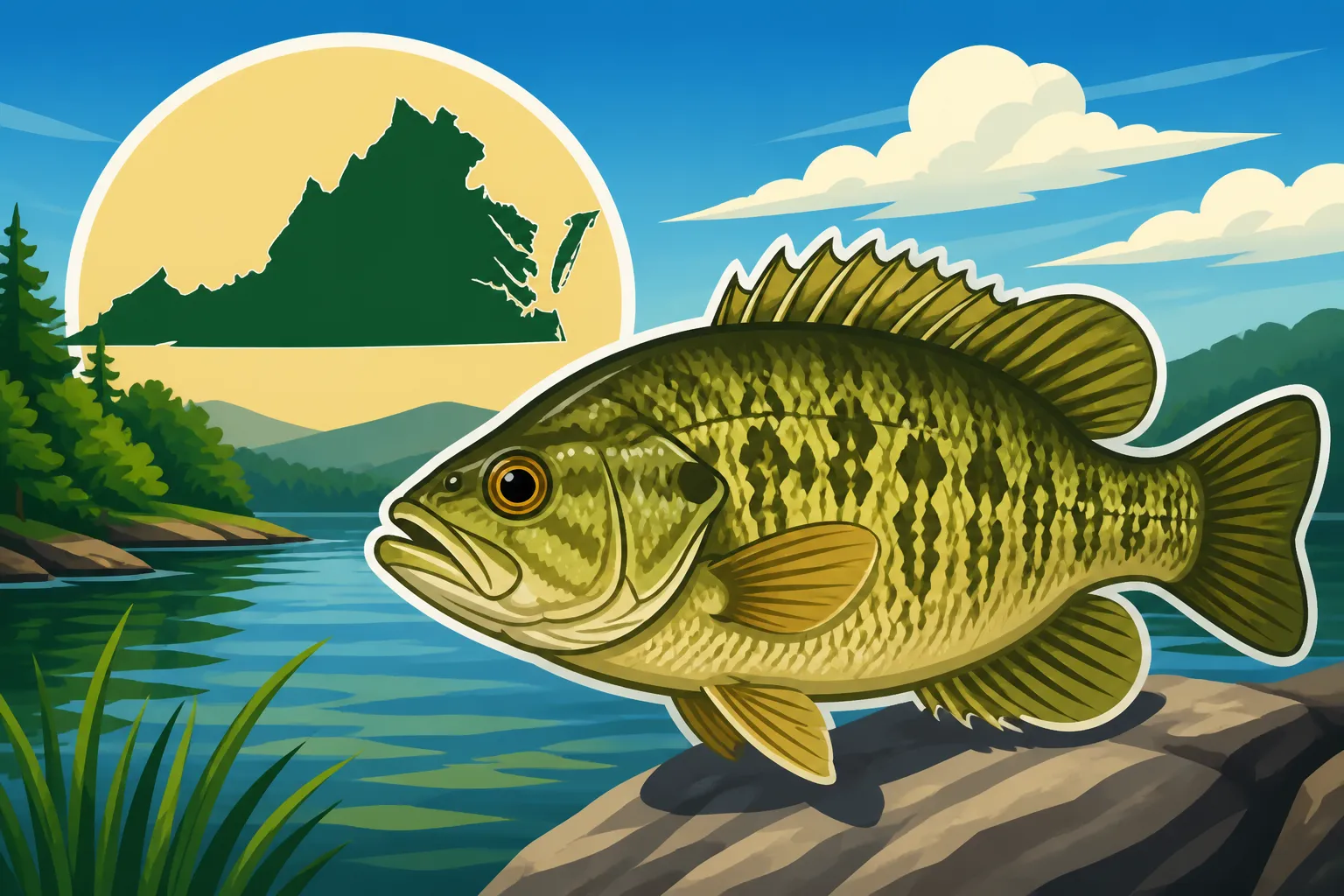
Distinguishing a rock bass isn't too difficult once you know what to look for. They typically have a stocky, compressed body, similar to a bluegill, but with a more elongated profile. Their coloration can vary quite a bit depending on the water they live in, ranging from olive green to brassy brown, often with dark, mottled spots or irregular blotches on their sides. This camouflage helps them blend into rocky environments, hence their name.
The most distinctive feature, and the one that gives them the nickname "redeye," is their striking red or orange eye. Their mouths are relatively large for a sunfish, extending back to at least the middle of the eye, which is another clue that they're a bit more aggressive than your average panfish. You'll also notice several rows of dark spots on their lower sides, running horizontally. Understanding Rock Bass Identification for Virginia Anglers can really help you confidently tell them apart from other species.
Preferred Habitats in Virginia
Rock bass are pretty particular about where they like to hang out, and their name gives you a huge hint: rocks! They absolutely thrive in clear, cool to moderately warm waters with rocky bottoms. Think about streams, rivers, and even the rocky shorelines of lakes and reservoirs. They love areas with plenty of submerged rocks, boulders, logs, and other cover where they can ambush prey and hide from predators.
In Virginia, you'll often find them in the cooler, clearer tributaries that feed into larger rivers, or in the upper reaches of some of our major river systems. They're not usually found in muddy, slow-moving water, so if you're fishing a murky pond, you're probably not in rock bass territory. Look for areas with a decent current, especially around eddies and breaks in the flow caused by structure. They're masters of finding those sweet spots where food drifts by, but they don't have to fight the current constantly.
Where to Find These Hidden Gems in Virginia Waters
Virginia is blessed with a fantastic variety of freshwater environments, and many of them harbor healthy populations of rock bass. While they might not get the same attention as their larger bass cousins, these feisty panfish are abundant if you know where to look. They’re often found in the same waters where you might target smallmouth bass, just perhaps in slightly different niches.
River and Stream Hotspots
When it comes to rivers and streams, rock bass are right at home. They prefer stretches with gravel and rocky bottoms, moderate currents, and plenty of cover. Tributaries of the James River, Shenandoah River, and Rappahannock River are excellent places to start. Look for deeper pools next to rocky riffles, current breaks behind large boulders, or around fallen trees and logjams. These are prime ambush points where rock bass will lurk, waiting for insects, small minnows, or crayfish to pass by.
Consider casting near bridge pilings or any man-made structures that disrupt the current and offer shade and cover. Even small creeks and feeder streams can hold surprisingly large numbers of rock bass, especially if they maintain good water quality and have a decent amount of rock and gravel. Exploring these smaller waterways can be incredibly rewarding, offering a peaceful fishing experience away from the crowds that often flock to larger lakes. For a broader perspective on where to cast your line, checking out Virginia's Best Freshwater Fishing Destinations can point you towards some excellent starting points.
Lake and Reservoir Locations
While rivers are a prime habitat, many of Virginia's lakes and reservoirs also boast robust rock bass populations, particularly those with clear water and rocky shorelines. Claytor Lake, for instance, is known for its diverse fishery, and rock bass certainly make an appearance, often mingling with smallmouth bass and panfish. Lakes with good rock structure, underwater humps, and submerged timber are perfect for them.
Focus your efforts around riprap shorelines, docks, and rocky points. Any areas where the lake bed transitions from mud to rock, or where there's a significant drop-off with boulders, can hold them. They'll often school up in these areas, making it possible to catch several in short order once you find a good spot. These fish are relatively easy to access for shore anglers, often congregating in areas where you don't need a boat, making them ideal for Best Fishing Spots You Can Reach Without a Boat.
| Habitat Type | Typical Features | Best Fishing Spots | Key Cover to Target |
|---|---|---|---|
| Rivers/Streams | Clear, moderate current, rocky/gravel bottom | Tributaries of James, Shenandoah, Rappahannock | Boulders, logjams, bridge pilings, deep pools |
| Lakes/Reservoirs | Clear water, rocky shorelines, varied depths | Claytor Lake, other clear water reservoirs | Riprap, docks, rocky points, submerged timber |
Gear Up: Best Techniques and Baits for Rock Bass
Catching rock bass is generally not difficult, which is precisely why they're such a fantastic target for beginners and experienced anglers alike seeking consistent action. You don't need highly specialized gear, and their aggressive nature means they'll often hit a variety of baits and lures with gusto. This makes them perfect for introducing kids to fishing, or for those days when you just want to feel a tug on your line.
Rods, Reels, and Lines for Rock Bass
For rock bass, light to ultralight spinning gear is generally the way to go. A 5 to 6-foot ultralight rod paired with a small spinning reel will provide plenty of backbone to handle these fighters while still allowing you to feel every nibble. This setup also makes the fight much more exciting, as even a small rock bass can put a good bend in an ultralight rod.
As for line, 4 to 6-pound monofilament or fluorocarbon is usually sufficient. Braided line can also work, especially if you're fishing around heavy cover, but the lack of stretch might make it easier to pull hooks from their mouths if you're not careful. The key is to keep your tackle light, which enhances the fun and sensitivity. You can find some excellent, affordable ultralight spinning combos on sites like Amazon that are perfect for this type of fishing.
Go-To Baits and Lures
Rock bass aren't particularly picky eaters, which is great news for anglers. Their diet mainly consists of insects, crayfish, and small minnows, so anything that imitates these will likely get a strike.
- Live Bait: This is often the most effective. Small worms (like red wigglers or pieces of nightcrawlers), crickets, grasshoppers, and small minnows are all excellent choices. Hook them through the lip or just behind the dorsal fin (for minnows) and present them naturally near cover.
- Small Jigs: Tiny 1/32 to 1/8 ounce jigs tipped with a small plastic grub, tube, or a piece of Gulp! bait are incredibly effective. Colors like green pumpkin, brown, black, or even bright chartreuse can work. Jig them slowly along the bottom, or twitch them through rocky areas.
- Small Spinners: Classic inline spinners like a Rooster Tail or Mepps Aglia in sizes #0 to #2 are irresistible to rock bass. Their flash and vibration mimic small baitfish or insects, triggering aggressive strikes. You can pick up a variety pack of these on Amazon to cover different conditions.
- Tiny Crankbaits: Very small crankbaits that dive a few feet can also entice bites, especially if they resemble crayfish. Choose models that are 1 to 2 inches long.
- Flies: If you're into fly fishing, small nymphs, wet flies, or even tiny streamers are incredibly effective. Fly Fishing for Trout and Smallmouth Bass on the Shenandoah River often means you'll encounter rock bass as well, as their habitats can overlap.
When fishing, focus on presenting your bait or lure close to cover. Rock bass are ambush predators, so getting your offering right into their living room is key. A simple cast-and-retrieve with a spinner, or a slow jigging motion with a grub, will often do the trick. For a bit more detail on similar tactics, you might find tips in Best Beginner Fishing Techniques for Panfish particularly useful.
The Overlooked Angling Delight: Why Rock Bass Deserve Your Attention
It’s true, rock bass often get overshadowed by their flashier cousins, the largemouth and smallmouth bass, or even by popular panfish like crappie and bluegill. But this humble fish offers a unique and incredibly rewarding angling experience that many seasoned anglers have come to appreciate. They're not just a "filler fish" – they're a legitimate target, especially if you're looking for consistent action and a delicious meal.
A Consistent and Aggressive Bite
One of the greatest appeals of rock bass is their sheer willingness to bite. Unlike some species that can be finicky or temperamental, rock bass are rarely shy. If you present a bait or lure that looks remotely edible and put it in their strike zone, chances are good you’ll get a strike. This aggressive nature makes them ideal for teaching kids to fish, as they provide that instant gratification of a bite and a fight, keeping young anglers engaged. Simple Fishing Techniques for a Child's First Trip often includes targeting these very eager biters.
They're also fantastic for practicing different techniques. Whether you're learning to cast accurately, trying out a new retrieve, or perfecting your hookset, rock bass offer plenty of opportunities without the pressure of having to land a trophy fish. They're a great way to build confidence before moving on to more challenging species.
Delicious on the Dinner Plate
Despite their smaller size, rock bass are surprisingly good eating! Their flesh is firm, white, and flaky, with a mild, sweet flavor that many compare to crappie or bluegill. They don't have the "muddy" taste that some anglers associate with certain bottom feeders. Many anglers actually prefer rock bass over other panfish for the table.
Cleaning them is similar to cleaning any other panfish. Filleting them is straightforward, or you can scale and gut them to fry whole. A simple pan-fry with a light breading is often all they need to shine. So, if you're wondering Is Rock Bass Good to Eat?, the answer is a resounding yes! They offer a delightful culinary reward for your angling efforts, making those abundant catches even more worthwhile.
Beyond the Lunker: The Joy of the Small Fight
In the pursuit of monster fish, it's easy to overlook the simple joy of catching a feisty, smaller species. Rock bass remind us that fishing isn't always about the biggest catch; it's about the experience, the scenery, and the satisfaction of a steady bite. They often inhabit some of the most beautiful, pristine waters in Virginia, providing an excuse to explore serene streams and rocky river sections.
So, the next time you're out fishing in Virginia and you pull in one of these striking, red-eyed fighters, don't just dismiss it as a "trash fish." Take a moment to appreciate the rock bass for what it is: an abundant, aggressive, and delicious panfish-sized bass that offers endless fun and a fantastic opportunity to enjoy the simple pleasures of fishing. They truly are an overlooked angling delight that deserves a spot on every Virginia angler's target list.
Disclaimer
This article is for general informational purposes only and does not constitute professional advice. Laws, prices and regulations vary by location and change over time. Consult a qualified professional for guidance on your specific situation.