What Is an Alabama Bass?
Have you ever caught a bass in Virginia and found yourself scratching your head, wondering if it was a largemouth, a smallmouth, or perhaps something else entirely? With the increasing complexity of bass populations, especially in certain Virginia waters, it’s not uncommon for anglers to encounter species that aren't immediately recognizable. Today, we're going to dive deep into one such species that's been gaining attention: the Alabama Bass, and help you understand exactly what it is and how to identify it.
What Exactly is an Alabama Bass?
For many years, when anglers talked about "spotted bass," they were referring to a specific type of black bass. However, scientific research, particularly DNA analysis, has revealed that what we once broadly called "spotted bass" actually encompasses several distinct species, one of which is the Alabama Bass. This revelation has been a game-changer for fisheries management and has added a new layer to bass fishing for those of us trying to keep up.
The Scientific Side of Micropterus henshalli
The Alabama Bass, scientifically known as Micropterus henshalli, is a member of the black bass family, just like largemouth, smallmouth, and the traditional spotted bass (Micropterus punctulatus). It's native to certain river systems in Alabama, Georgia, and parts of the Florida panhandle. These fish are known for being aggressive fighters, often pulling harder than a largemouth of similar size, which makes them a blast to catch but also a concern when they're introduced into new ecosystems. Understanding its scientific background helps us grasp why it's distinct and why its presence outside its native range is significant.
When biologists identify fish, they look at subtle genetic markers and morphological (physical) differences that might not be obvious to the casual angler. For instance, while the Alabama Bass shares many characteristics with the more common spotted bass, their genetic makeup tells a different story. This is why even seasoned anglers can get confused; the differences can be incredibly subtle, requiring a keen eye or even a microscope for definitive identification. Think of it like trying to tell the difference between two very similar breeds of dog without knowing their pedigree – it's tough when they look so alike.
A Recent Arrival to Virginia's Ecosystems
Now, you might be asking, "If it's native to Alabama, how did it end up in Virginia?" That's a great question, and it's a story common to many non-native species. Alabama Bass were introduced to certain Virginia waters, most notably Claytor Lake, through intentional (though often unauthorized) stocking efforts decades ago. People, sometimes with good intentions of improving fishing opportunities, would transport fish from one area to another without realizing the long-term ecological consequences. This happens more often than you'd think, even today.
Once introduced, these fish can thrive, especially if the new environment is similar to their native habitat and lacks natural predators or competitors to keep their population in check. The Alabama Bass's adaptability and aggressive nature allow it to compete fiercely with native bass species for food and habitat. This is why fisheries departments, like the Virginia Department of Wildlife Resources (DWR), are so concerned about the introduction and spread of non-native species – they can drastically alter the delicate balance of an ecosystem.
What Makes It Stand Out Visually?
While identifying an Alabama Bass can be tricky, especially if you're not used to looking for the nuanced differences, there are some key visual cues. They generally have a more streamlined body than a largemouth, often described as having a football or torpedo shape. The coloration is usually dark green to olive on the back, fading to lighter sides with distinct, diamond-shaped spots below the lateral line. The lateral line itself is usually fairly distinct, running from gill to tail.
One of the most defining characteristics, particularly when trying to tell it apart from a largemouth, is the jawline. For an Alabama Bass, when its mouth is closed, the upper jaw typically does not extend past the rear edge of the eye. This is a subtle but important detail. Another key identifier, if you're brave enough to stick a finger in its mouth, is a rough patch of teeth on its tongue. This "tooth patch" is a common trait among Alabama and spotted bass, and it's something a largemouth generally lacks. Getting a good look at these features, perhaps by gently holding the fish for a moment, can really help you make that identification. You might even find a good, waterproof fish identification guide on Amazon to keep handy in your tackle box!
Navigating the Bass Identification Labyrinth: Alabama vs. Its Cousins
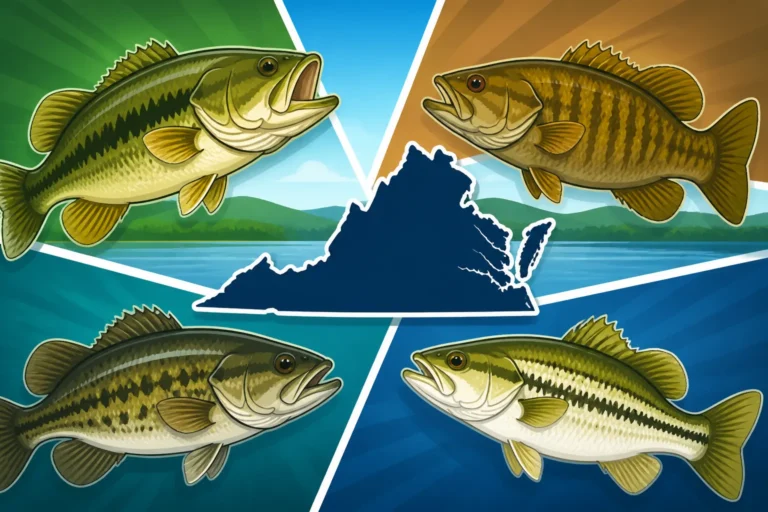
It's easy to get these bass species mixed up, and honestly, even experienced anglers can struggle without a clear understanding of the subtle differences. The lines often blur, making it a genuine challenge. Let's break down how to distinguish the Alabama Bass from its most commonly confused relatives: the Spotted Bass and the Largemouth Bass.
Separating Alabama Bass from Spotted Bass
This is perhaps the trickiest comparison because, as we discussed, for a long time, the Alabama Bass was considered a type of spotted bass. They look incredibly similar. Both Alabama and true spotted bass have that tell-tale rough tooth patch on their tongue, and both have rows of distinct spots below the lateral line that often form diamond or horizontal patterns. They both tend to have a smaller mouth than a largemouth, with the upper jaw not extending past the eye.
So, how do you tell them apart? It often comes down to very subtle head and jaw characteristics. Alabama Bass tend to have a slightly larger eye and a somewhat more sloped forehead compared to a spotted bass. The angle of the jaw, particularly where it meets the head, can also be a minute differentiator. However, these are often so slight that without having both species side-by-side or a significant amount of experience, it can be almost impossible for the average angler. This is why genetic testing was so crucial in distinguishing them scientifically. For practical purposes, outside of areas where both are clearly established, many anglers might still lump them together.
Key Distinctions from Largemouth Bass
Distinguishing an Alabama Bass from a Largemouth Bass is generally much easier. The most obvious difference is, as the name suggests, the mouth. A largemouth's upper jaw extends significantly past the rear edge of its eye when closed, giving it that characteristic "bucket mouth" appearance. The Alabama Bass, along with the spotted bass, has a much smaller mouth in comparison. You can literally draw a vertical line from the back of the eye and see if the jaw extends past it.
Beyond the mouth, largemouth bass typically have a deeper, chunkier body profile compared to the Alabama Bass's more streamlined, torpedo shape. Largemouth also tend to have a more prominent, often irregular, horizontal band or blotchy pattern along their lateral line, rather than the distinct rows of diamond-shaped spots found on Alabama and spotted bass. And don't forget that rough tooth patch on the tongue of the Alabama Bass – a feature usually absent in largemouths. If you're looking for a new fishing challenge, trying to identify these differences in the field can be a fun way to improve your angling knowledge. Many anglers even grab laminated guides on Amazon to help them remember these subtle cues.
The Challenge of Hybridization and Intergrades
To make things even more complicated, sometimes these different bass species interbreed, creating what we call hybrids or intergrades. This is particularly common where a non-native species like the Alabama Bass is introduced into waters with native bass populations. For example, Alabama Bass and Spotted Bass can hybridize, making visual identification nearly impossible even for experts, as the offspring can display a mix of characteristics from both parents.
These hybrids can sometimes exhibit "hybrid vigor," meaning they might grow faster or larger than either parent species, which initially might seem like a good thing for anglers. However, it often comes at the expense of the native gene pool, potentially diluting the genetic integrity of native fish. This genetic blurring can lead to a decline in the overall health and unique adaptations of the native species over time. This is a significant concern for fisheries managers who work tirelessly to maintain healthy, natural populations of Virginia Bass Fishing: Largemouth, Smallmouth, Spotted, and Alabama Bass.
Here's a quick comparison table to help you keep these bass species straight:
| Feature | Largemouth Bass | Spotted Bass (True) | Alabama Bass |
|---|---|---|---|
| Upper Jaw Extension | Extends well past rear edge of the eye | Does not extend past rear edge of the eye | Does not extend past rear edge of the eye |
| Tooth Patch on Tongue | Absent (usually smooth) | Present (rough patch) | Present (rough patch) |
| Body Shape | Deeper, chunkier body profile | More streamlined, slender | More streamlined, often "football" shape |
| Lateral Line Pattern | Irregular, broken horizontal band/blotches | Rows of distinct spots below lateral line | Rows of distinct spots below lateral line |
| Pyloric Caeca | 8-15 (internal, requires dissection) | 16-24 (internal, requires dissection) | 25-35 (internal, requires dissection) |
Note: Pyloric caeca count is a definitive scientific method, but obviously not practical for catch-and-release anglers.
Where Anglers Encounter Alabama Bass in Virginia
While the Alabama Bass is certainly not ubiquitous across all Virginia waters, there are specific places where its presence is well-documented. Knowing these key locations can help you anticipate encountering them and prepare for proper identification. This knowledge also helps you understand their potential impact on local fisheries.
Claytor Lake: Ground Zero for Virginia's Alabama Bass
When you talk about Alabama Bass in Virginia, the first place that inevitably comes up is Claytor Lake. This large reservoir in southwest Virginia has a thriving population of Alabama Bass, introduced decades ago, and they've established themselves very successfully. In fact, Claytor Lake is often highlighted by the DWR as a prime example of where this non-native species has become dominant. Anglers fishing Claytor Lake have a very good chance of encountering Alabama Bass, and they're known for their powerful fights, often out-muscling other bass species.
Because of this, Claytor Lake offers a unique opportunity for anglers interested in targeting this specific species. Many locals and visitors specifically go to Claytor Lake to experience the fight of these strong bass. It's a great place to practice your identification skills. If you're planning a trip to the region, make sure to check out our guide on Claytor Lake Fishing Spots and Tips to maximize your chances, or perhaps Claytor Lake's Diverse Virginia Fish Species Guide for a broader overview of what you might catch.
Understanding Potential Spread and Future Hotspots
While Claytor Lake is the primary stronghold for Alabama Bass in Virginia, it's crucial for anglers to understand that non-native species can spread. This spread can happen through various means, both natural and human-assisted. Natural spread might occur if fish escape a reservoir during high water events into connecting river systems. However, a more significant concern is often illegal or unthinking human transfers. People sometimes move fish between bodies of water, not understanding the severe ecological risks involved.
The DWR actively monitors for the presence of Alabama Bass in other Virginia lakes and rivers to prevent further spread. Anglers play a vital role in this effort. If you catch a bass that you suspect might be an Alabama Bass in a water body where it hasn't been officially reported, it's important to report it to the DWR. This helps them track the species' presence and take appropriate management actions. Maintaining the ecological integrity of our diverse Virginia waterways is a collective responsibility, and preventing the spread of species like Alabama Bass is a big part of that.
Reporting Your Catch: Why It Matters for Science
Reporting unusual catches, especially non-native species, might seem like a small thing, but it provides invaluable data for fisheries biologists. Imagine if someone had reported the first Alabama Bass caught in Claytor Lake years ago, instead of it becoming a widespread population before being properly identified. Early detection is key to managing invasive species. When you report a suspected Alabama Bass, you're not just providing a data point; you're contributing to the scientific understanding and conservation efforts for Virginia's aquatic resources.
The DWR uses angler reports, alongside their own surveys and genetic testing, to map the distribution of fish species. This information directly impacts management decisions, such as stocking programs, regulation changes, and public outreach efforts. So, the next time you're out fishing and catch something that looks a little "off," don't hesitate to snap a clear photo, note the location, and share it with your local fisheries department. Every bit of information helps protect our natural heritage.
Why Accurate Bass Identification is More Important Than You Think
Anglers are often driven by the thrill of the catch, the beauty of the outdoors, and the satisfaction of a well-executed technique. But beyond these immediate joys, understanding and correctly identifying the fish you catch holds significant importance. This is especially true when dealing with species like the Alabama Bass, whose presence can impact native ecosystems and fishing regulations.
Adhering to Virginia's Fishing Regulations
One of the most practical reasons for accurate identification is adherence to fishing regulations. Different species of fish, and even different populations within the same species, often have varying size limits, creel limits (how many you can keep), and season dates. Misidentifying a fish could inadvertently lead you to violate these regulations, which can result in fines or penalties. For instance, Statewide Bass Fishing Limits in Virginia might be different for largemouth than for other bass species in certain areas, or there could be Special Slot Limits on Certain Virginia Waters.
Fisheries regulations are put in place for a reason: to manage fish populations sustainably, protect vulnerable species, and ensure healthy ecosystems for future generations of anglers. If you're unsure about the regulations for a specific bass species in a particular body of water, always check the current Virginia DWR fishing guide. It’s always better to be safe than sorry, and a little knowledge goes a long way in being a responsible angler. You can often find compact versions of the rulebook or laminated quick guides on Amazon that fit right into your tackle box, too.
The Ecological Ramifications of Non-Native Species
Beyond personal legal compliance, knowing what you're catching helps you understand the broader ecological picture. Non-native species like the Alabama Bass can have profound impacts on native fish populations and the overall aquatic environment. They might outcompete native bass species for food and habitat, prey on native fish, or introduce diseases. This competition can lead to a decline in native populations, altering the natural biodiversity of a lake or river.
The DWR expends considerable resources to manage and monitor these ecological impacts. By understanding that Alabama Bass are non-native, anglers can also become more conscientious about preventing their further spread. This includes never transferring fish from one water body to another, properly disposing of live bait, and cleaning all fishing gear thoroughly between trips. Your actions as an angler directly contribute to the health of Virginia's fisheries, whether you're targeting A Guide to Striped Bass Fishing in Virginia or Crappie Fishing in Virginia.
Enhancing Your Angling Experience and Contribution
Ultimately, learning to identify specific bass species, including the elusive Alabama Bass, enriches your entire fishing experience. There's a deep satisfaction in not just catching a fish, but truly knowing what you've caught. It connects you more intimately with the natural world and the complexities of aquatic ecosystems. It makes you a more knowledgeable and contributing member of the angling community.
Furthermore, by accurately identifying your catches, you contribute to a larger pool of knowledge. Many anglers participate in citizen science programs, sharing their catch data with state agencies. This collective data helps biologists track fish health, population trends, and the movement of species. So, the next time you reel in a spirited fighter and wonder, "What is an Alabama Bass?", take the time to look closely at its features. You might just be adding a crucial piece to the puzzle, and in doing so, become a more informed and impactful conservationist and angler.
Disclaimer
This article is for general informational purposes only and does not constitute professional advice. Laws, prices and regulations vary by location and change over time. Consult a qualified professional for guidance on your specific situation.