Striped Bass Possession Limit for Virginia Anglers
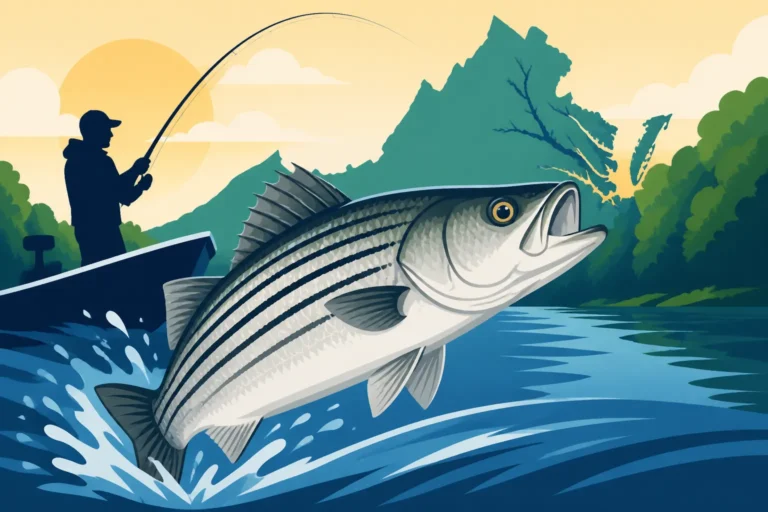
It’s easy to get excited about hitting Virginia's waters for some striped bass fishing, but the regulations surrounding this prized species can feel like trying to untangle a bird's nest of line. Anglers often find themselves scratching their heads, wondering exactly how many stripers they can keep and what size restrictions apply. This guide is here to unravel that confusion, providing clarity on the possession limits for striped bass in Virginia so you can enjoy your fishing trip without any unwanted surprises.
The Core of Striped Bass Possession Limits in Virginia
Navigating the rules for striped bass, often affectionately called "rockfish" by many Virginians, is essential for a successful and legal fishing trip. These regulations are designed to protect the fish population and ensure there's plenty of action for years to come. It’s not just about what you catch, but what you can legally keep.
Understanding the "One Fish, One Day" Rule
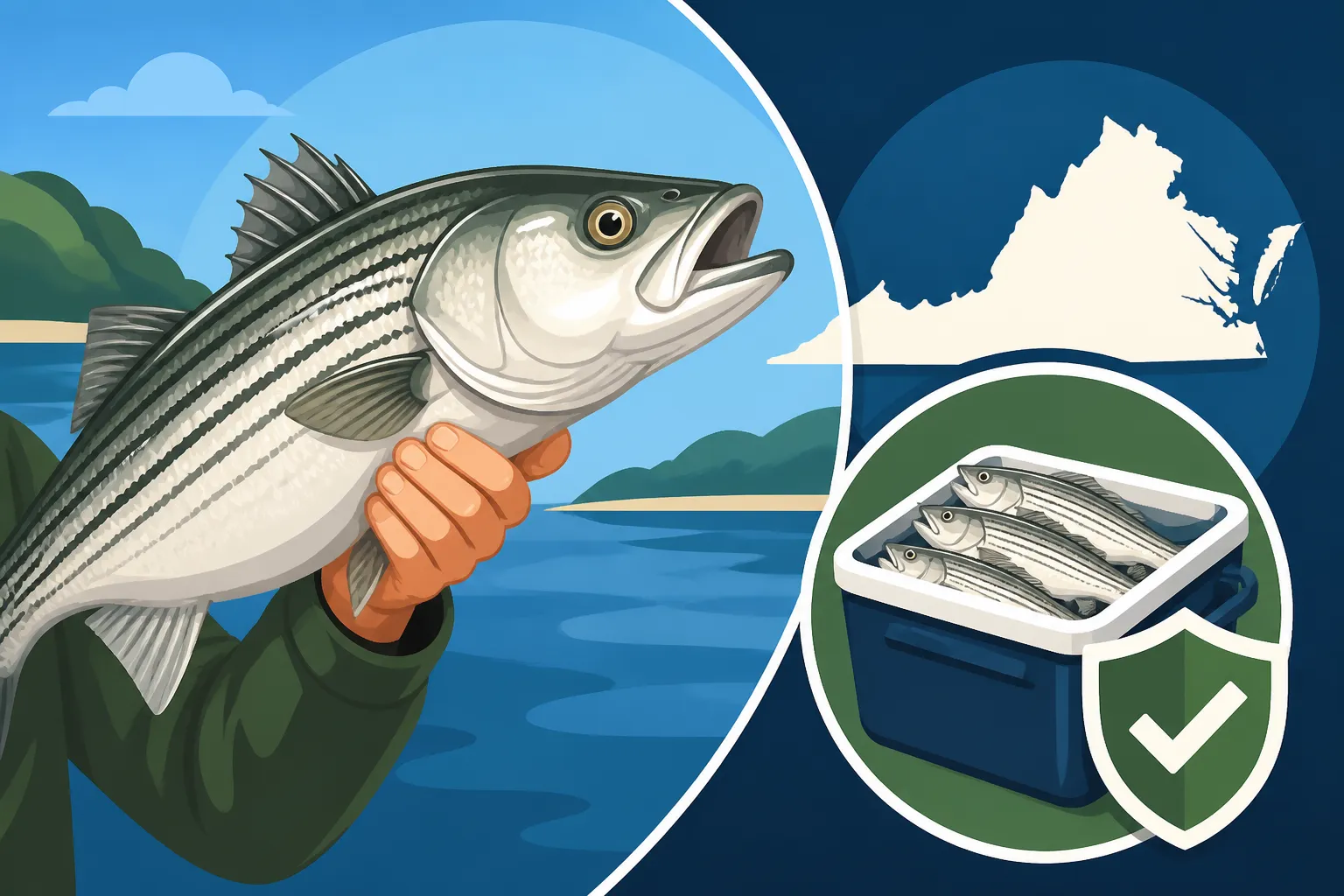
For many of Virginia's waters, especially those impacted by coastal regulations, the general rule you'll typically encounter for striped bass is a "one fish per person, per day" bag limit. This means that, regardless of how many fish you might reel in over the course of your outing, you're usually permitted to possess only one striped bass at the end of the day. This seemingly simple rule is a cornerstone of conservation efforts, ensuring that pressure on the striped bass population is managed effectively. It's a critical piece of information for any angler, from the seasoned veteran to someone just starting out, and knowing it can save you from an awkward encounter with a Virginia Department of Wildlife Resources (DWR) officer. This limit applies across various fishing methods, whether you're casting from shore, trolling from a boat, or pier fishing. Only one striped bass per person allowed in Virginia is a key regulation to keep in mind.
Navigating the Slot Limit: What it Means for Your Catch
Beyond the number of fish, the size of your catch is equally, if not more, important when it comes to striped bass in Virginia. The DWR typically employs a "slot limit," which means that only fish falling within a specific size range can be legally kept. For striped bass in Virginia, this slot limit has often been set in a range like 28 to 31 inches. What this means for you is that if you catch a striped bass smaller than the minimum size (e.g., under 28 inches), it must be immediately released. The same goes for any fish larger than the maximum size (e.g., over 31 inches).
This slot limit serves a crucial ecological purpose: it allows younger fish to grow to maturity and reproduce, contributing to future generations, while also protecting the largest, most prolific breeding fish. So, when you're out on the Chesapeake Bay Striped Bass Fishing Guide or fishing the tidal rivers, make sure you have a reliable measuring device. A good, flat measuring board can be a real game-changer here, as it allows for accurate and quick measurement, minimizing stress on the fish. You can find excellent, durable measuring boards and other essential gear on Amazon to help you comply with these important rules. Remember, understanding Virginia rockfish slot limit is 28 to 31 inches is fundamental to responsible angling.
Exemptions and Special Circumstances
While the one-fish bag limit and the slot limit (such as 28-31 inches) are common, it’s vital to remember that fishing regulations, especially for popular species like striped bass, can be nuanced. Virginia's waters are diverse, from the expansive Chesapeake Bay and its tributaries to the inland lakes that hold freshwater stripers, and rules can sometimes vary based on specific geographical areas or time frames. For instance, certain areas might have different regulations, or specific seasons could see adjustments to bag or size limits to manage particular migratory patterns or spawning cycles.
It’s always a good idea to consult the most current official DWR regulations before each trip, as these can change. Sometimes, rules for charter anglers might differ slightly, or there could be specific open and closed seasons that dictate when you can even target striped bass. For example, Virginia Striped Bass Season and Slot Limit Guide provides further details on these temporal variations. Staying informed helps ensure you're always fishing legally and contributing to the health of Virginia’s aquatic ecosystems.
Why These Rules Exist: Conservation and Sustainability
It can feel frustrating when you catch a beautiful, large striped bass only to realize it's out of the slot limit and must be released. You might wonder, "Why are they making it so difficult?" But these regulations aren't arbitrary; they are the backbone of sustainable fisheries management, ensuring that future generations of anglers can also experience the thrill of catching a Virginia striper.
Protecting the Spawning Population
One of the primary reasons for strict slot and bag limits on striped bass is to protect the species' spawning population. Striped bass are anadromous, meaning they spend most of their lives in saltwater but migrate to freshwater rivers to spawn. These spawning runs are critical periods for the species' reproduction. By implementing slot limits that protect both very small, juvenile fish and very large, mature females (often referred to as "trophy" fish), wildlife managers ensure that the fish can grow, reproduce multiple times, and contribute significantly to the overall population.
Taking too many fish, especially those in their prime reproductive years, would severely diminish the species' ability to replenish itself. The rules are a direct response to scientific data on fish populations, aiming to strike a balance between allowing recreational fishing and safeguarding the long-term health of the species. It's a delicate ecosystem, and every angler plays a part in its protection.
Managing a Prized Fishery
Striped bass are one of the most sought-after game fish in Virginia, drawing anglers from all over the region to spots like the Chesapeake Bay and its feeder rivers. This popularity, while great for the sport, also means the species faces significant fishing pressure. Without careful management, overfishing could quickly deplete stocks, leading to closures and severely reduced angling opportunities for everyone.
The possession limits, therefore, are a tool to manage this pressure. They help distribute the catch more evenly among anglers and prevent any single individual from taking an excessive number of fish. This proactive approach helps maintain a healthy, vibrant fishery, allowing striped bass to thrive and providing consistent angling opportunities year after year. Think of it as investing in the future of your favorite pastime. Virginia Fishing Regulations Explained further delves into the broader context of such rules.
Practical Tips for Adhering to Striped Bass Regulations
Even with the best intentions, it's easy to make a mistake if you're not prepared. Having the right tools and a solid plan can make all the difference in ensuring you comply with Virginia's striped bass regulations and have a stress-free fishing experience.
Essential Gear for Measuring and Handling Your Catch
First things first, you need reliable tools. A sturdy, clearly marked measuring device is non-negotiable. While a simple tape measure can work in a pinch, a dedicated fish measuring board or mat is far more accurate and less likely to injure the fish. Look for one made from durable, non-absorbent material with clear markings. You can find a wide variety of these on Amazon, many designed specifically for catch-and-release fishing to minimize harm. These boards often feature raised ends or markers to ensure the fish's nose is at zero for an accurate length reading.
Beyond measuring, consider a good pair of de-hooking pliers or a hook remover, especially if you're using treble hooks or artificial lures. This allows for quick and clean hook removal, reducing stress and injury to fish that need to be released. A knotless rubberized landing net is also a fantastic investment. Traditional string nets can strip protective slime from fish, but rubberized nets are much gentler, making catch and release smoother. These tools are your best friends for responsible fishing, helping you adhere to Virginia's Fishing License and Catch Limit Basics regarding catch limits and safe release.
Staying Informed: Your Role as a Responsible Angler
The DWR website is your absolute best friend when it comes to staying current on regulations. They provide detailed, up-to-date information on all species, including striped bass. Before every trip, especially if you're heading to a new body of water or it's a new season, take a few minutes to check the latest rules. Many states also offer handy apps for your smartphone that provide real-time access to regulations, which can be incredibly useful when you're out on the water and unsure.
Additionally, don't hesitate to chat with local tackle shop owners or fishing guides. They are often incredibly knowledgeable about hyper-local variations in rules and current conditions. Becoming a member of local fishing forums or communities can also provide valuable insights and keep you abreast of any changes. Being a responsible angler means being proactive about knowing the rules, not just reactive to getting caught. This dedication to knowledge extends to understanding nuances like those covered in Freshwater vs Saltwater Striped Bass: The Virginia Rockfish Story.
What to Do If You Catch an Out-of-Slot Fish
It's going to happen. You're going to catch a beautiful striped bass that is either too small or too large to keep. When this occurs, the most important thing is to handle the fish with care and release it quickly. Minimize the time the fish is out of the water. If possible, keep the fish in the water while de-hooking. If you must lift it, support its body horizontally, avoiding hanging it vertically by its jaw or gills, which can cause internal damage.
Use your de-hooking tools to remove the hook as gently and swiftly as possible. If the fish is deeply hooked, it may be better to cut the line as close to the hook as you can rather than trying to rip the hook out, which could cause fatal injury. Once released, ensure the fish swims away under its own power. Sometimes, a gentle forward and backward motion in the water can help revive a stressed fish. Your actions in these moments are crucial for the fish's survival and the health of the fishery. Understanding these practices is critical for adhering to guidelines like How Many Striped Bass Can You Keep in Virginia.
Common Mistakes and How to Avoid Penalties
Nobody wants to deal with a citation or fine, especially when you're just trying to enjoy a peaceful day on the water. Unfortunately, mistakes happen, but many common errors related to striped bass possession limits can be easily avoided with a little forethought and awareness.
Misinterpreting Regulations: It Happens to the Best of Us
One of the most frequent reasons anglers get into trouble is simply misinterpreting the regulations. This isn't usually due to malicious intent, but rather the complexity of rules that can vary by species, season, and even specific bodies of water. For striped bass, it's common for anglers to confuse freshwater striper limits with saltwater rockfish limits, or to overlook seasonal closures. Some might forget that the DWR sometimes has specific dates when one season ends and another begins, or when a slot limit might be adjusted.
For example, Virginia Striped Bass Split Season Dates Explained highlights how even within the same species, rules can change throughout the year. Always remember that the rules are written for a reason, and a quick check of the official DWR regulations or a call to a local game warden's office can clarify any doubt. Don't rely solely on what a friend told you, or what you read on a dated forum post.
The Consequences of Non-Compliance
Getting caught violating fishing regulations in Virginia can lead to various penalties, and they're rarely pleasant. Common consequences include fines, which can range from minor to substantial depending on the severity of the infraction. In some cases, especially for repeat offenses or egregious violations, your fishing license could be suspended or even revoked. Additionally, you might have your fishing gear confiscated, and any illegally harvested fish seized.
Beyond the legal ramifications, there's also the ethical component. Violating regulations harms the very resource we all enjoy. It depletes fish stocks, undermines conservation efforts, and can damage the reputation of the angling community. Fines for Fishing Without a License provides a glimpse into the types of penalties you could face for regulatory non-compliance, even if it's not directly related to possession limits, it illustrates the DWR's enforcement power.
Double-Checking Before You Cast
The best way to avoid any trouble is to be proactive. Before you even pack your cooler, take a few moments to review the most current Virginia DWR fishing regulations for the specific waters you plan to fish. Check not only the striped bass limits but also any other species you might incidentally catch. Make sure your fishing license is up to date – Renewing a Fishing License in Virginia can walk you through that process.
When you're out on the water, don't be afraid to measure every fish you intend to keep. It's better to be absolutely sure than to risk a fine. Keep your measuring device easily accessible. If you're fishing with friends or family, ensure everyone understands the rules. A quick chat about the regulations before you start fishing can prevent a lot of headaches later. Being prepared and knowledgeable is the hallmark of a truly responsible and successful angler.
Disclaimer
This article is for general informational purposes only and does not constitute professional advice. Laws, prices and regulations vary by location and change over time. Consult a qualified professional for guidance on your specific situation.