Hybrid Striped Bass Fishing at Claytor Lake
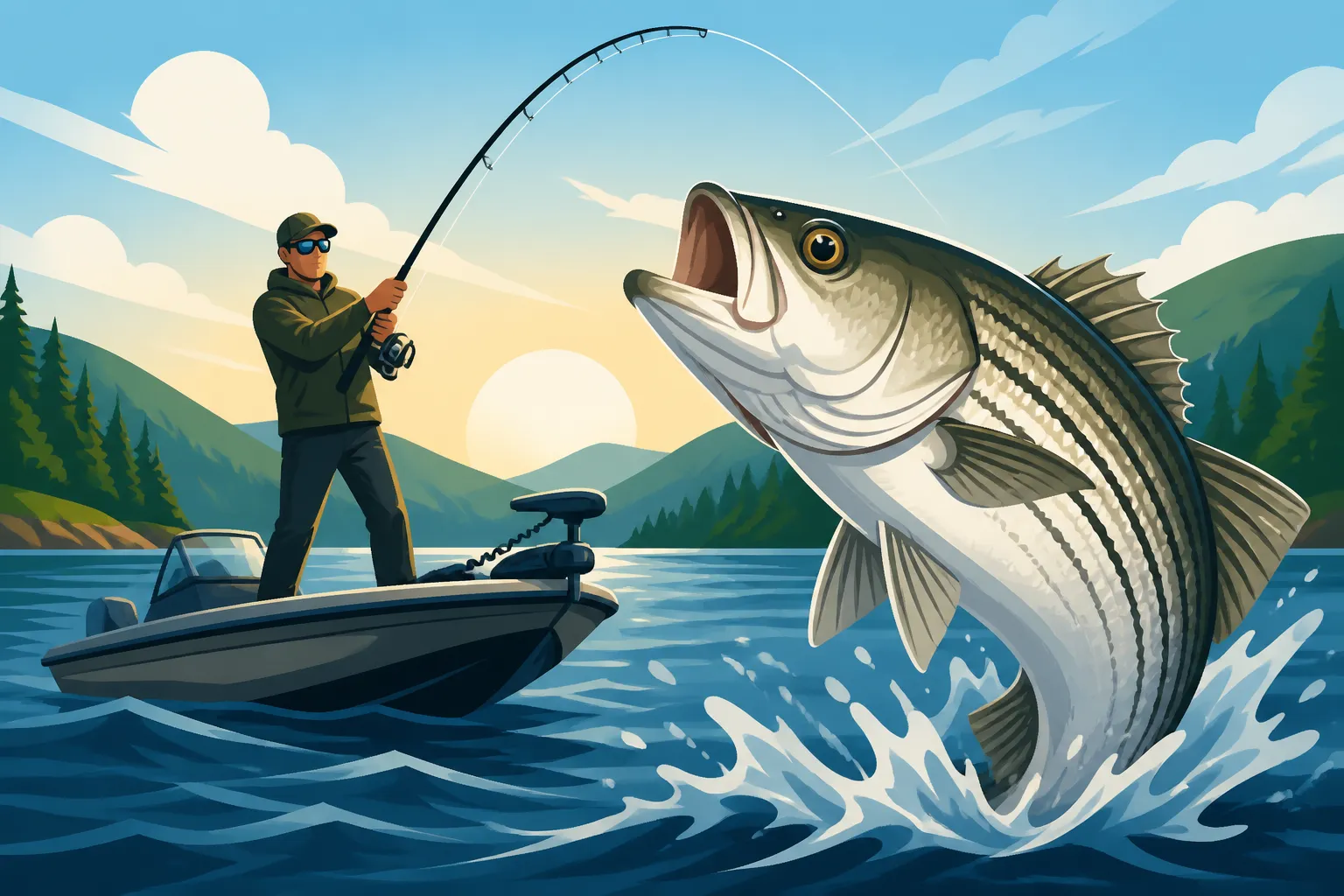
There's nothing quite like the thrill of a hard-fighting fish on the line, and if you've ever hooked into a hybrid striped bass, you know exactly what I mean. These powerful, chunky fish are a true delight for anglers, offering an intense battle that can test even seasoned pros. For those looking to experience this excitement in Southwest Virginia, Claytor Lake stands out as a premier destination, holding a robust population of these incredible sportfish. This comprehensive guide will walk you through everything you need to know to successfully target hybrid stripers in this beautiful mountain lake, from understanding their habits to mastering the techniques that put them in your net.
Understanding Hybrid Striped Bass at Claytor Lake
Hybrid striped bass, often simply called "hybrids," are a fascinating and highly sought-after fish. They're not a naturally occurring species in most waters, but rather a crossbreed specifically developed by fisheries biologists to provide excellent sportfishing opportunities and help manage forage fish populations in large reservoirs. Claytor Lake is a prime example of a water body where these fish thrive, thanks to a combination of intentional stocking and ideal environmental conditions.
What Makes a Hybrid Striper Unique?
A hybrid striped bass is essentially a cross between a female striped bass and a male white bass. This genetic blend gives them some of the best traits of both parents: the aggressive feeding habits and strong fighting spirit of the striped bass, combined with the hardiness and faster growth rate of the white bass. They grow much quicker than pure striped bass in landlocked impoundments and can reach impressive sizes, often topping out in the 5 to 15-pound range, with some individuals growing even larger. They are torpedo-shaped, silver-sided fish, much like their parents, but possess distinct broken or interrupted lateral stripes, which is a key identifying feature. These fish are typically stocked as fingerlings by the Virginia Department of Wildlife Resources (DWR) and grow rapidly in the lake's rich environment.
Unlike their purebred striped bass cousins, which can be sensitive to warm water temperatures and low oxygen levels in some landlocked lakes, hybrids tend to tolerate a wider range of conditions. This adaptability makes them a fantastic target throughout much of the year on Claytor Lake. They school up, often in large numbers, and are notorious for chasing down baitfish with incredible ferocity, creating exciting surface boils that every angler dreams of witnessing.
Their aggressive nature also means they are often willing to strike a variety of baits and lures, which makes them accessible to anglers using different techniques. Whether you prefer casting, trolling, or soaking live bait, there’s usually a way to entice these hard-hitting fish. Understanding their unique biology is the first step toward consistent success on the water.
Why Claytor Lake is a Hybrid Striper Hotspot
Claytor Lake, nestled in Pulaski County, offers an ideal habitat for hybrid striped bass, which is why it has become such a renowned fishery for them. The lake is a deep, sprawling impoundment of the New River, characterized by cold, clear waters and a diverse forage base. This combination provides everything hybrids need to thrive: plenty of food, suitable water temperatures, and varied structure.
The abundance of threadfin and gizzard shad is perhaps the most critical factor. These baitfish are the primary food source for hybrid stripers, allowing them to grow quickly and maintain their fighting strength. Claytor Lake also features significant deep water and numerous submerged structures, such as old river channels, humps, points, and standing timber. These features provide hybrids with ample ambush points and areas to retreat to when not actively feeding, or when seeking cooler, oxygenated water during warmer months.
Furthermore, the DWR actively manages the hybrid striped bass population through stocking programs, ensuring a consistent supply of fish for anglers to pursue. This proactive management, coupled with the lake's natural attributes, solidifies Claytor Lake's reputation as a true hybrid striper hotspot, drawing anglers from across the state and beyond. It’s a fantastic place to fish if you're serious about catching one of these powerful sport fish.
Identifying Hybrid Stripers vs. Pure Stripers
One of the most common questions anglers have, especially when fishing a lake like Claytor that might also hold pure striped bass (though less common in Claytor compared to some other Virginia lakes like Smith Mountain Lake), is how to tell the difference between a hybrid and a true striper. While they look very similar at a glance, there are distinct visual cues that can help you correctly identify your catch. Knowing the difference is important not only for satisfying your curiosity but also because regulations, such as size and creel limits, can sometimes vary between the two species.
The most reliable way to distinguish them is by examining their lateral stripes. Pure striped bass, often called "rockfish" in saltwater areas, typically have unbroken, prominent lateral lines running down their silver sides. These lines are usually very straight and continuous from head to tail. Hybrids, on the other hand, almost always have broken or interrupted lateral stripes. Many of their stripes will be fragmented, with some stopping and starting again, or being noticeably disjointed, particularly below the lateral line. Sometimes these broken lines will even appear "smashed" or jumbled together.
Another subtle difference can be in body shape; hybrids often appear a bit more "stocky" or "football-shaped" compared to the generally more elongated and sleek body of a pure striped bass, especially when comparing fish of similar lengths. The head shape can also vary slightly, with hybrids sometimes having a slightly shorter, broader head. However, the stripes are by far the most definitive characteristic. Take a moment to inspect your catch before releasing it or putting it in the cooler to be sure of what you have. This quick identification skill becomes second nature after you've caught a few of each.
Here's a quick comparison table:
| Feature | Hybrid Striped Bass | Pure Striped Bass (Rockfish) |
|---|---|---|
| Origin | Crossbreed (female striper x male white bass) | Naturally occurring species |
| Lateral Stripes | Broken, interrupted, or jumbled | Unbroken, distinct, and continuous |
| Body Shape | Often stockier, more "football-like" | Generally more elongated and sleek |
| Growth Rate | Faster growth in landlocked impoundments | Slower growth in landlocked impoundments |
| Hardiness | More tolerant of varied water conditions | Can be more sensitive to warm water/low oxygen |
| Typical Size | 5-15 lbs common in lakes (can be larger) | Highly variable; smaller in landlocked lakes |
Essential Gear and Bait for Claytor Lake Hybrids
Successfully targeting hybrid striped bass at Claytor Lake requires the right tools for the job. These fish are powerful fighters, capable of long runs and deep dives, so your gear needs to be up to the challenge. Skimping on tackle can lead to frustrating break-offs and lost fish, especially when you encounter a schooling frenzy.
Rods, Reels, and Line Choices
When it comes to rods, a medium-heavy to heavy action spinning or baitcasting rod, typically 6'6" to 7'6" in length, is ideal. You want a rod with enough backbone to set the hook firmly and muscle a strong fish away from structure, but with enough tip sensitivity to detect subtle bites. A fast action tip will give you the sensitivity you need while quickly transitioning to the power section of the rod. For those who prefer to shop online, Amazon has a vast selection of reputable brands that cater to this specific need, offering rods designed for powerful freshwater species.
Matching your rod with a reliable reel is crucial. For spinning setups, a 3000-series to 4000-series reel with a smooth drag system is generally sufficient. Baitcasting reels in the 200-series to 300-series are also excellent choices, particularly for casting heavier lures or live bait. The key is a strong, consistent drag that won't seize up under pressure, allowing the fish to take line when it needs to without breaking off.
Line choice is equally important. For main line, many anglers opt for 15-20 pound monofilament or fluorocarbon, or 30-50 pound braided line. Braided line offers superior strength, sensitivity, and casting distance, making it a popular choice for hybrid fishing. If using braid, I highly recommend adding a 15-20 pound fluorocarbon leader (typically 3-6 feet long) to the end. Fluorocarbon is nearly invisible underwater, which can be critical in clear waters like Claytor Lake, and it provides abrasion resistance against sharp rocks or the fish's rough mouth. This setup allows you to feel even the slightest tap, and gives you confidence when a big hybrid decides to make a run.
Top Baits and Lures for Success
Hybrid stripers are opportunistic feeders, and they respond well to a variety of baits and lures, particularly those that mimic their primary forage: shad. Having a diverse tackle box will increase your chances of success, allowing you to adapt to different conditions and feeding moods.
Live bait is often king, especially for larger, more finicky hybrids. Freshly caught gizzard or threadfin shad are the absolute best. You'll need a cast net to catch them, or you can purchase them from bait shops around the lake if available. Shiners, creek chubs, or large minnows can also work. Presenting live bait on a simple Carolina rig or under a slip bobber is incredibly effective. For those planning to buy a cast net or live bait aerators, checking Amazon for competitive prices and a wide selection can save you time.
When it comes to artificial lures, a few categories consistently produce. Sassy Shad swimbaits, paddle tail swimbaits, and soft plastic jerkbaits rigged on jig heads (1/2 to 1 ounce, depending on depth and current) are excellent for mimicking injured baitfish. Spoons, such as Hopkins Shorty or Kastmaster spoons, are deadly when fish are schooling deep or feeding vertically. Topwater lures like poppers, walking baits, and prop baits can provide explosive action during dawn and dusk feeding frenzies, or when hybrids are aggressively busting bait on the surface. Crankbaits that dive to different depths, especially those with a shad profile, are also fantastic for trolling or casting along points and humps. Don't forget jigging spoons for vertical presentations when you spot fish on your electronics.
Experimentation is key. Sometimes they want a fast retrieve, other times a slow, erratic one. Pay attention to what the fish are telling you on any given day.
Essential Accessories for Hybrid Striper Anglers
Beyond your basic rod, reel, and line, a few crucial accessories will make your hybrid striper fishing experience much more enjoyable and successful. First and foremost, a good quality landing net with a rubberized mesh is indispensable. Hybrids are strong, and trying to hoist a heavy fish into the boat without a net is asking for trouble, potentially damaging the fish or losing it at the last second. The rubberized mesh protects the fish's slime coat if you plan to release it.
A sturdy pair of long-nosed pliers or a de-hooking tool is essential for safely removing hooks, especially from aggressively feeding fish that have swallowed a lure. Carrying a small first-aid kit with basic items like bandages and antiseptic wipes is also a smart move for any angler. If you plan to keep your catch, a cooler with plenty of ice is a must to preserve freshness.
For the serious hybrid angler, good electronics – specifically a fish finder/chartplotter – are incredibly beneficial for locating baitfish schools and the hybrids that follow them. These devices can help you identify underwater structure, monitor water temperature, and pinpoint active fish. Lastly, consider a well-organized tackle box or bag. Having your lures, hooks, weights, and leaders neatly arranged allows you to quickly change presentations when the bite is hot. You can find many organizational solutions for tackle on Amazon, from compact utility boxes to large bags with multiple compartments.
Proven Techniques for Catching Hybrid Stripers at Claytor Lake
Catching hybrid stripers at Claytor Lake often involves understanding their schooling behavior and how they relate to baitfish. They are constantly on the move, chasing shad, so successful techniques revolve around either intercepting their movements or actively pursuing them.
Trolling and Downrigging Strategies
Trolling is one of the most consistent ways to cover a lot of water and find active hybrid stripers, especially when they are suspended in the water column or spread out across large areas. It involves pulling lures or live bait behind a moving boat at a controlled speed. For deeper presentations, downriggers are invaluable tools. These devices allow you to precisely control the depth of your lure, getting it right into the strike zone where hybrids might be holding.
When trolling, pay close attention to your boat speed. Hybrids often prefer a faster retrieve, so a speed of 2.5 to 4.0 miles per hour is a good starting point, though you should experiment. Use a variety of lures, such as deep-diving crankbaits that imitate shad, large spoons, or umbrella rigs, to figure out what they're hitting. Different lures will run at different depths at the same speed, giving you a wider coverage. Using multiple rods with different lures and depths can help you quickly identify the pattern for the day. For an in-depth look at similar techniques, check out Smith Mountain Lake Striped Bass Fishing in Virginia.
Downriggers become essential when hybrids are holding deep, perhaps 20 to 50 feet down, in areas like the main lake channel or over submerged humps. Attach your line to the downrigger release clip, send the cannonball to your desired depth, and then troll. When a fish strikes, the line pops free from the clip, allowing you to fight the fish directly without the weight of the cannonball. Keep a close eye on your fish finder; if you see schools of bait or fish arches at a specific depth, that's where you want your downrigger balls to be.
Live Bait Fishing Tactics
Live bait fishing is another incredibly effective method for hybrid stripers on Claytor Lake, particularly if you're targeting larger fish or when the bite on artificials is slow. The key here is having fresh, lively bait. As mentioned before, shad are supreme, but large shiners or big minnows can also produce.
One popular tactic is anchoring over a prominent point, hump, or submerged structure where you've marked fish or bait on your electronics. Once anchored, you can free-line live bait out behind the boat or use a simple Carolina rig to present it near the bottom. The Carolina rig consists of a sliding egg sinker (1/2 to 1 ounce), a swivel, and a 2-3 foot fluorocarbon leader with a circle hook (sizes 4/0 to 6/0 are good). The circle hook is excellent for live bait as it tends to hook the fish in the corner of the mouth, reducing gut-hooking and making releases easier.
Another effective live bait presentation is using a slip bobber. This rig allows you to fish live bait at a precise depth, such as just above a marked school of fish. You can cast this rig or let it drift with the current. This method is particularly effective around standing timber or along creek channels where hybrids might be holding. Remember to keep your bait fresh by regularly changing it out and using a good aerated bait tank.
Artificial Lure Presentation
Casting and retrieving artificial lures offers a more active and engaging way to catch hybrid stripers. This method is especially thrilling when hybrids are schooling on the surface, creating those exciting "topwater boils."
When you see hybrids busting bait on the surface, cast topwater lures like poppers, walking baits, or prop baits right into the commotion. Work them with erratic retrieves to mimic a struggling baitfish. The strike can be explosive and heart-stopping! If they're not on the surface, try throwing swimbaits on jig heads, plastic jerkbaits, or spoons. A retrieve that involves pauses and erratic movements often triggers strikes, as it simulates a wounded baitfish, an easy target for hungry hybrids. Pay attention to how the fish react to different retrieves – sometimes a steady retrieve is best, other times a stop-and-go or a "rip-pause" action.
For fish holding deeper, vertical jigging with spoons or heavy swimbaits can be very effective. Drop your lure to the depth where you're seeing fish on your sonar, then aggressively jig it up and down, occasionally letting it fall on a slack line. Many strikes occur on the fall, so be ready to set the hook. This technique works wonders when fish are tightly schooled and holding near structure or in the main channel. Varying your presentation and lure types based on the day's conditions and fish behavior is critical for consistent success.
Prime Times and Locations for Hybrid Striper Action on Claytor Lake
Knowing when and where to find hybrid stripers on Claytor Lake can dramatically improve your fishing success. These fish are creatures of habit to some extent, but their movements are largely dictated by water temperature, oxygen levels, and the location of their primary food source: shad.
Seasonal Hybrid Striper Patterns
Hybrid stripers exhibit distinct seasonal patterns throughout the year on Claytor Lake.
- Spring (March – May): As water temperatures begin to rise into the 50s and 60s, hybrids become very active. They will often move into shallower areas, especially up the main river arms and into major creek channels, following schools of shad that are staging for their spawn. This is an excellent time for casting swimbaits, jerkbaits, or even topwater lures, particularly during overcast days or early mornings. Live bait fished near points and creek mouths can be incredibly productive.
- Summer (June – August): When surface temperatures climb into the 70s and 80s, hybrids will seek out deeper, cooler, and more oxygenated water. They often suspend over the main lake channel, around deep points, and over submerged humps. Early mornings and late evenings can bring them to the surface for short, explosive feeding frenzies, but during the heat of the day, you'll need to target them deep. Trolling with downriggers or vertical jigging with spoons are prime tactics. Look for them anywhere from 20 to 50 feet deep. This is also a fantastic time for Night Fishing Techniques as the cooler night air often brings them shallower.
- Fall (September – November): This is often considered one of the best times to fish for hybrids on Claytor Lake. As water temperatures cool, baitfish move into shallower coves and creek arms, and the hybrids follow. They become incredibly aggressive, frequently schooling and busting bait on the surface. Casting topwater lures, swimbaits, and crankbaits can lead to non-stop action. Trolling also remains effective, especially along channel swings and main lake points. The fish are actively feeding, preparing for winter.
- Winter (December – February): While less active, hybrids can still be caught in winter. They will typically school up tightly in deep water, often near the main channel or concentrated around major river bends. Live bait, fished slowly and deep, can be very effective. Vertical jigging spoons or heavy jigs can also tempt lethargic fish. Focus on the warmest parts of the day, and be patient. For more on cold water tactics, you might want to review How to Catch Bass in Cold Water, as some principles apply.
Best Times of Day to Target Hybrids
Like many predatory fish, hybrid stripers often have peak feeding windows. While they can be caught throughout the day, certain times tend to be more productive.
- Dawn and Dusk: These low-light periods are almost universally the best times for hybrid striper fishing. The reduced light gives them an advantage over baitfish, and they often become highly active, moving into shallower water or engaging in surface feeding. This is when topwater action can be incredible. Plan your trips to coincide with sunrise and sunset for the best chances of success.
- Overcast or Rainy Days: Cloudy skies or light rain can extend the productive low-light conditions throughout the day. Hybrids may stay shallower and remain active for longer periods than on bright, sunny days. Don't let a little drizzle deter you – it could lead to some fantastic fishing.
- Night Fishing: While not as commonly pursued by all anglers, night fishing for hybrid stripers on Claytor Lake can be incredibly productive, especially during the summer months. The cooler water temperatures near the surface at night can bring hybrids up from the depths, and they become very active chasing shad under the cover of darkness. Glow-in-the-dark lures, dark-colored swimbaits, and live bait are all good choices for night fishing.
Key Structures and Hotspots on Claytor Lake
Claytor Lake offers a diverse underwater landscape, with various structures that attract hybrid stripers. Understanding these key areas will help you narrow down your search. For more general information about the lake, check out Claytor Lake Fishing Spots and Tips.
- Main Lake Channel: The old New River channel that runs through the lake is a highway for baitfish and predators. Hybrids frequently patrol these depths, especially during warmer months. Look for bends, humps, and points along the channel.
- Points and Humps: Any point that extends into the main lake or a major creek arm, particularly those with a quick drop-off, is a potential hybrid hotspot. Submerged humps or islands, especially if they rise up from deep water, act as magnets for schooling baitfish and, consequently, hybrids.
- Creek Channels and Mouths: Where a major creek channel enters the main lake, or where smaller feeder creeks converge, are prime ambush points. Hybrids will stage here, waiting for baitfish to move in or out.
- Standing Timber and Submerged Brush: While these structures can be tackle grabbers, they also provide excellent cover for baitfish and hybrids. Fish around the edges of standing timber lines, especially where they meet open water or a channel drop-off.
- Dam Area: The deep water near the Claytor Lake Dam can hold large schools of hybrids, particularly during colder months or when they're seeking highly oxygenated water. However, always be mindful of safety and restricted areas near the dam.
- Open Water: Don't overlook the vast expanses of open water. Sometimes, hybrids will be suspended in seemingly featureless areas, following nomadic schools of shad. Your electronics are invaluable for finding these open-water schools.
Remember, hybrid stripers are almost always in pursuit of bait. If you find the bait, you'll likely find the hybrids. Utilizing your boat's electronics to spot bait balls is often the most critical factor in consistently locating fish on Claytor Lake.
Regulations and Conservation for Claytor Lake Hybrid Stripers
As an angler, it's our responsibility to understand and abide by fishing regulations and to practice good conservation habits to ensure healthy fish populations for years to come. Hybrid striped bass are a fantastic resource on Claytor Lake, and protecting that resource is paramount.
Claytor Lake Specific Regulations
While Virginia has general fishing regulations that apply statewide, specific bodies of water like Claytor Lake can sometimes have special regulations for certain species. It's absolutely crucial to consult the most current Virginia Department of Wildlife Resources (DWR) fishing regulations before you head out. These regulations cover everything from creel limits (how many fish you can keep) to length limits (the minimum or maximum size of fish you can keep).
For hybrid striped bass, there are typically statewide regulations, but always double-check for any specific rules unique to Claytor Lake. For example, Virginia's Virginia Fishing Regulations Explained often detail daily creel limits and sometimes a protected slot limit for certain fish, meaning fish within a particular size range must be released. These regulations are designed to manage the fish population, allowing enough fish to grow to maturity and reproduce (or, in the case of hybrids, to be large enough to provide good sport and harvest) while preventing overfishing. Penalties for not following these rules can be significant, so play it safe and stay informed.
Practicing Catch and Release
Even if you plan to keep a few fish for the table, practicing responsible catch and release is vital, especially for the fish you don't intend to harvest. Hybrid stripers are tough fish, but improper handling can still stress them and reduce their chances of survival.
Here are some tips for effective catch and release:
- Minimize Fight Time: Use appropriate tackle that allows you to land the fish quickly without exhausting it completely.
- Handle With Care: Avoid touching the fish's gills or eyes. Support its body horizontally, especially larger fish, to prevent internal organ damage. If possible, keep the fish in the water while de-hooking.
- Use Barbless Hooks: Crushing the barbs on your hooks or using barbless hooks makes removal much easier and quicker, reducing stress on the fish.
- De-hook Promptly: Have pliers or a de-hooking tool ready to remove the hook as quickly and gently as possible.
- Revive If Necessary: If a fish seems sluggish or struggles to swim away, hold it gently in the water, facing into the current (if any), until it regains strength and swims off on its own.
By being mindful of how you handle your catch, you contribute directly to the health and sustainability of Claytor Lake's fantastic hybrid striper fishery.
How You Can Help Conserve the Fishery
Beyond following regulations and practicing catch and release, there are other ways you can contribute to the conservation of hybrid striped bass and the overall health of Claytor Lake.
- Report Violations: If you witness someone violating fishing regulations, such as keeping undersized fish or exceeding creel limits, report it to the Virginia Department of Wildlife Resources. Their enforcement efforts are crucial for deterring illegal activities that can harm fish populations.
- Proper Disposal of Waste: Always pack out what you pack in. Never leave trash, fishing line, or discarded bait on the shoreline or in the water. Monofilament line, in particular, can be incredibly dangerous to wildlife.
- Support Conservation Efforts: A portion of your fishing license fees goes directly to funding fisheries management and conservation programs, which is a great reason to make sure you have your Virginia Fishing License Guide sorted out. You can also consider supporting local conservation groups or joining angling organizations that advocate for sustainable fishing practices.
- Educate Others: Share your knowledge of responsible fishing practices with fellow anglers, especially those new to the sport. Encouraging good stewardship benefits everyone and ensures future generations can enjoy the thrilling sport of hybrid striped bass fishing on Claytor Lake.
Fishing for hybrid striped bass at Claytor Lake is an exhilarating experience, offering both the challenge of a formidable fight and the reward of a beautiful fish. By understanding their behavior, employing the right techniques, and respecting the resource through responsible angling, you're set for many memorable days on the water.
Disclaimer
This article is for general informational purposes only and does not constitute professional advice. Laws, prices and regulations vary by location and change over time. Consult a qualified professional for guidance on your specific situation.