Claytor Lake’s Unusual Mix of Bass, Catfish, and Walleye in Virginia
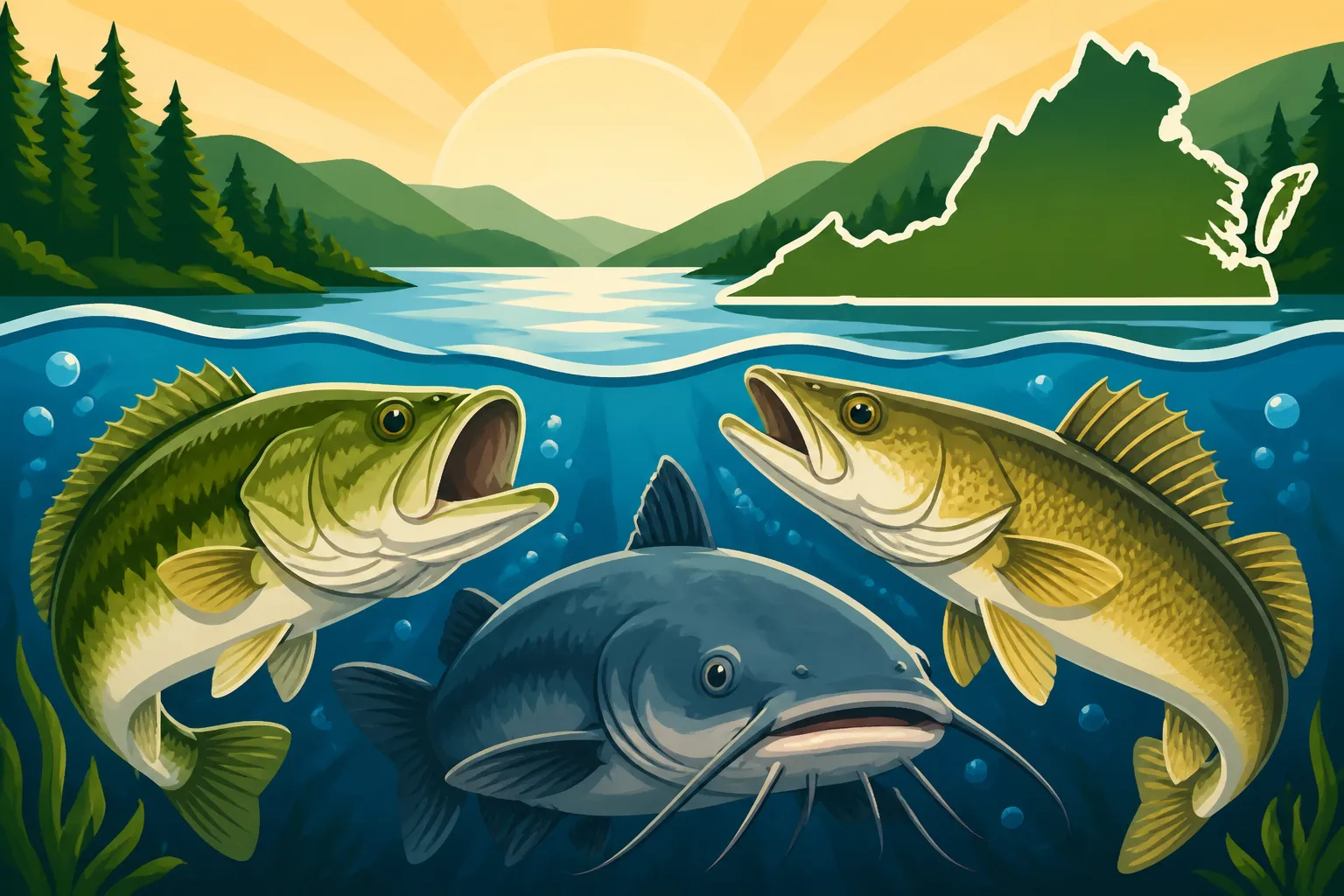
Oh, the sheer joy, and sometimes utter bewilderment, of fishing Claytor Lake! It's one of those special spots in Virginia where you cast your line, and honestly, you're never quite sure what incredible creature from the deep you might pull up. Many anglers get used to lakes that are known for one or two dominant species, so when they first experience Claytor's incredible variety—bass, catfish, and walleye all thriving side-by-side—it can be a truly exhilarating, albeit sometimes puzzling, adventure. This guide is all about diving deep into that unusual mix, helping you understand what makes Claytor Lake so unique and how you can best approach its diverse waters for a truly memorable fishing experience.
The Unique Appeal of Claytor Lake's Diverse Fishery
Most lakes carve out a niche, right? Some are famous for their trophy bass, others for their abundant crappie, and a select few might boast a strong trout population. But then there's Claytor Lake, a true anomaly, a veritable melting pot of species that defies easy categorization. It's this very unpredictability that draws anglers from all over, creating a fishing experience that's anything but ordinary.
Why Claytor Lake Stands Out
When you think about Virginia's freshwater fishing, a lot of lakes come to mind, each with its own claim to fame. But Claytor Lake really does stand out in a crowd. Unlike many bodies of water that might focus on warm-water species like bass and panfish, or cold-water species like trout, Claytor beautifully blends both worlds. This surprising ecological diversity means you could be targeting a chunky largemouth in a shallow cove one moment and then, just a short boat ride away, be searching for elusive walleye in much deeper, cooler waters. It’s a challenge, for sure, because you can't just use one type of gear or tactic and expect success across the board.
This incredible mix of cold-water and warm-water species isn't just a happy accident; it's a testament to the lake's unique characteristics. Claytor Lake is a deep, clear impoundment of the New River, and its varying depths create distinct thermal layers. These layers provide the perfect habitat for a wide array of fish, from those that prefer warmer, shallower waters to those that thrive in the cooler, oxygen-rich depths. It means the lake offers different opportunities at different times of the year, keeping anglers on their toes and constantly learning.
This diversity is what makes Claytor Lake so appealing to so many different types of anglers. If you're a bass fanatic, you'll find plenty to challenge you. If you prefer the subtle fight of a walleye or the brute strength of a catfish, Claytor has you covered too. It's the kind of lake where a family outing can satisfy everyone, whether someone wants to chase panfish with a bobber or someone else wants to jig for bigger game. You just need to be prepared for anything, because the fish here don't always stick to the script.
Of course, fishing such a diverse lake isn't without its challenges. It means you can't just arrive with a single strategy or a single tackle box. You need to be adaptable, willing to switch techniques, baits, and even target species based on what the lake is telling you. But that's part of the fun, isn't it? It forces you to become a more versatile angler, honing your skills across multiple disciplines rather than specializing in just one. It’s a continuous learning curve, and that’s what makes every trip to Claytor Lake an adventure.
A Reservoir of Opportunity
Claytor Lake, being a reservoir, has characteristics that contribute immensely to its diverse fishery. Its irregular shoreline, dotted with coves, points, rocky bluffs, and standing timber, provides a multitude of habitats. These varied structures are crucial for supporting different species, offering hiding places, ambush points, and spawning grounds that cater to everything from largemouth bass to deep-dwelling walleye. The deeper sections of the lake maintain cooler temperatures throughout the summer, which is vital for the survival and growth of species that can't tolerate warm surface waters.
The varied depths and structures truly are a buffet for fish. Shallow flats warm up quickly in spring, drawing bass in for their spawn. Deep rocky humps and drop-offs become prime walleye territory, especially as the water temperatures rise. Submerged timber and brush piles hold crappie and provide excellent cover for catfish. This means that no matter the season or the conditions, there’s always a section of the lake that’s going to be "on" for some species or another. It’s about knowing where to look and understanding the habits of the different fish.
One of the greatest joys of fishing Claytor Lake is the sheer thrill of not knowing what you'll hook next. You might be trolling a deep-diving crankbait for striped bass (yes, they're here too, often mistakenly called rockfish in this context!), and suddenly you're fighting a hefty channel catfish. Or you could be finesse fishing for a cautious smallmouth, only to have a powerful walleye ambush your lure. This element of surprise keeps every cast exciting and every retrieve full of anticipation. It's a place where every tug on the line holds the promise of something unexpected and wonderful.
Ultimately, Claytor Lake demands adaptability from its anglers. You can't be a one-trick pony here. Having a good understanding of various fishing techniques, being willing to switch up your bait or lure, and paying attention to water conditions and fish behavior will significantly increase your chances of success. It's a lake that rewards effort and open-mindedness, making every angler who spends time here a more well-rounded and skilled individual.
Deciphering Claytor Lake's Bass Population
If you're a bass angler, Claytor Lake is like a playground, but one with a few extra swings and slides you might not be used to. It's not just a largemouth lake, though those are certainly present and thrive. Claytor offers a fantastic opportunity to target several bass species, each with its own characteristics and preferred habitats. This makes for an incredibly dynamic and engaging bass fishing experience.
The Battle of the Bass Species
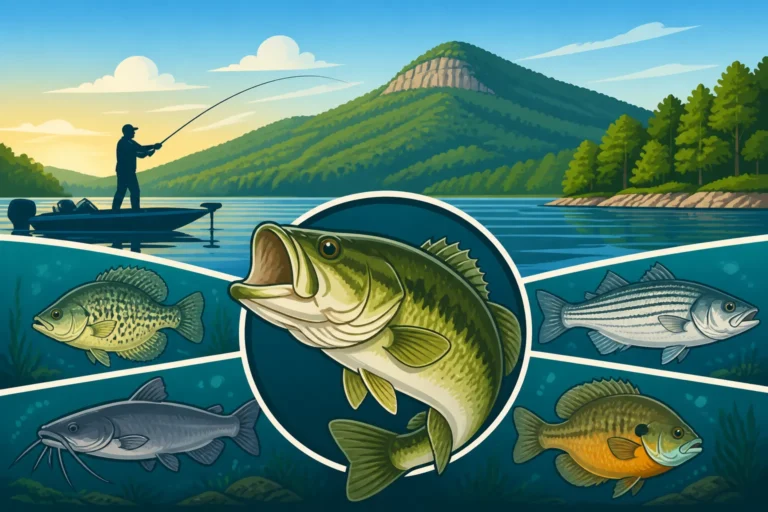
Claytor Lake is truly a multi-bass haven, a characteristic that sets it apart from many other impoundments. It's not uncommon to find largemouth, smallmouth, and spotted bass all coexisting, offering a diverse challenge for anglers. Each species has its nuances, from where they prefer to hide to what they're most likely to strike. Understanding these differences is key to a successful day out on the water, whether you're targeting a specific bass or just enjoying the thrill of whatever bites. You can learn more about differentiating these species by checking out Spotted Bass vs Largemouth Bass: How Virginia Anglers Tell Them Apart.
Largemouth bass, the quintessential American sportfish, are abundant in Claytor Lake. You'll typically find them in the shallower, warmer sections of the lake, especially around submerged vegetation, docks, and fallen timber in coves and pockets. They are ambush predators, so targeting structure where they can hide and wait for unsuspecting baitfish is often the most effective strategy. Think jigs, spinnerbaits, and plastic worms around cover. When they're on, they can put up a fantastic fight, and Claytor is known for producing some respectable sizes.
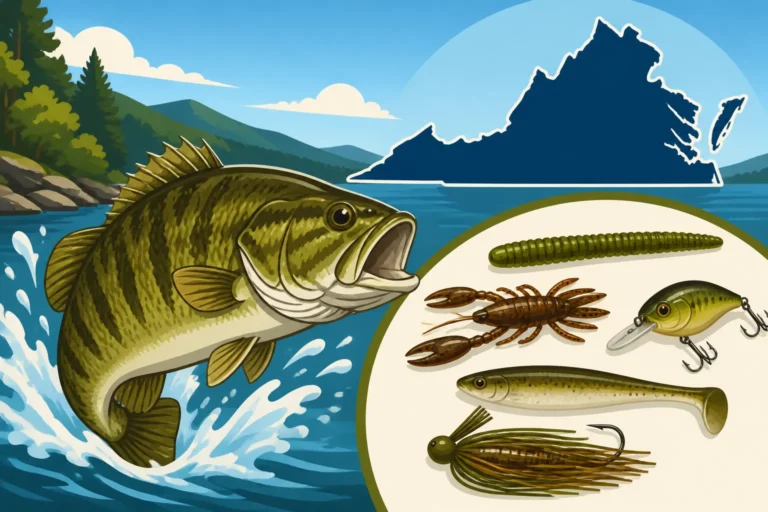
Smallmouth bass, often referred to as "bronzebacks," prefer the cooler, clearer, and rockier areas of Claytor Lake, particularly in the lower lake closer to the dam, or along rip-rap shorelines and steep bluffs. They are aggressive fighters, known for their strong runs and aerial acrobatics once hooked. Targeting smallmouth often involves using crankbaits, tubes, or jerkbaits that mimic crawfish or baitfish. They can be a bit more elusive than largemouth but offer an incredibly rewarding challenge and an exhilarating fight on light tackle.
Spotted bass, sometimes mistaken for largemouth due to their similar appearance, are also present in Claytor Lake and add another layer of excitement. They tend to prefer habitats that are a mix between largemouth and smallmouth territories—often around rocky points, bluff walls, and open water structures. They fight hard and often form schools, meaning if you find one, you might find several. They can be caught on a variety of baits, from small crankbaits to finesse worms. Learning to distinguish them can be a fun challenge, and it's always a treat to land one of these feisty fish.
Tactics for Claytor Lake's Bass
Understanding the seasonal patterns is crucial for consistently catching bass on Claytor Lake. In the spring, bass move shallow for the spawn, making sight fishing and targeting spawning beds effective. As summer heats up, they'll retreat to deeper water or seek shade under docks and overhanging trees. Fall sees them aggressively feeding, often schooling up to chase baitfish in preparation for winter. And yes, you can even catch bass in winter, often relating to deep structure and slow-moving baits, so be sure to check out How to Catch Largemouth Bass Year-Round for more specific techniques.
When it comes to lures and techniques, versatility is your best friend. For largemouth, Texas-rigged worms, creature baits, and jigs worked slowly around cover are often deadly. For smallmouth, consider small crankbaits, tubes, or finesse jigs fished on rocky bottoms. Spotted bass will hit many of the same lures as largemouth, but often respond well to smaller presentations. Don't be afraid to experiment with different colors and sizes; sometimes a subtle change can make all the difference. Many anglers find great success stocking up on a variety of lures on platforms like Amazon before a trip to ensure they have options for all three species.
Water temperature and structure are your biggest clues when fishing Claytor Lake. A good depth finder or fish finder can be invaluable for locating submerged structures like humps, ledges, and timber where bass like to congregate. Pay attention to temperature changes as well; a slight drop or rise can signal where fish might be holding. For instance, after a cold front, bass might suspend in deeper water, requiring a different approach than if they were actively chasing bait in the shallows.
Claytor's varied terrain means you need to be ready to fish anything from shallow, stump-filled coves to steep, rocky bluffs. Having a good understanding of your electronics, being able to read the water, and adjusting your boat position to effectively present your lure are all skills that will serve you well here. It's a lake that demands you think like a fish, anticipating their movements and preferences based on the environment around them.
Claytor Lake's Robust Catfish Fishery
Beyond the thrilling bass fishing, Claytor Lake holds a reputation among local anglers for its truly robust catfish population. For those who love the strong pull and impressive size of a big cat, this lake is an absolute gem. You'll find both channel catfish and the highly sought-after flathead catfish here, providing a different kind of angling challenge and a delicious reward.
The Bottom Dwellers: Channel and Flathead
Claytor Lake isn't just a place for finesse fishing; it's also a destination for serious catfish anglers who aren't afraid to get a little dirty. The lake's healthy population of channel and flathead catfish offers incredible opportunities for those looking for a powerful fight and a substantial catch. While sometimes overlooked by bass enthusiasts, these bottom dwellers provide some of the most exciting and rewarding fishing experiences on the lake.
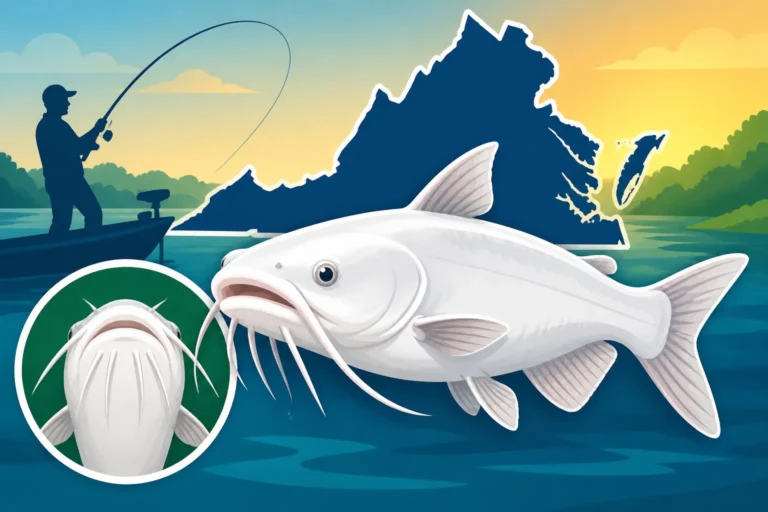
Channel catfish are abundant throughout Claytor Lake and are a favorite target for many anglers, especially those looking for consistent action. They're opportunistic feeders, meaning they'll hit a wide variety of baits. You can often find them in deeper channels, around submerged structures, or in slower-moving currents. Targeting them is typically straightforward: a simple bottom rig with a weight and hook, baited with anything from cut bait to chicken liver or even dough balls, often does the trick. They put up a respectable fight and are excellent table fare, making them a popular choice for families and seasoned anglers alike.
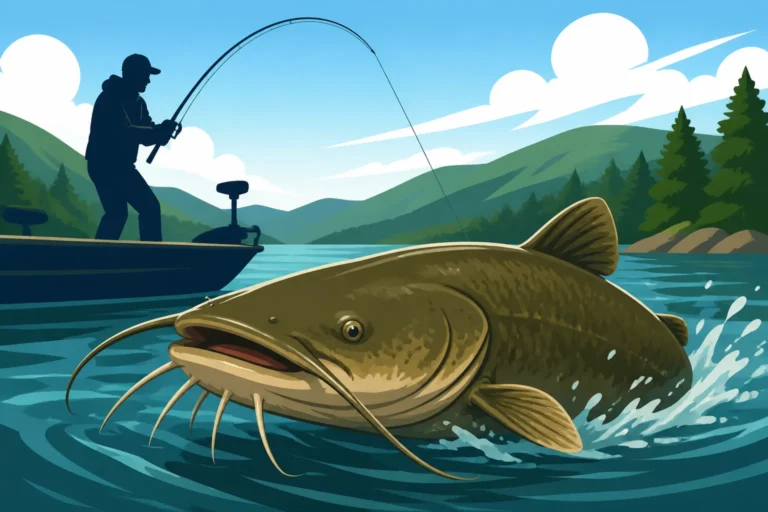
Flathead catfish, on the other hand, are the true giants of Claytor Lake and offer a different kind of challenge. These powerful predators can grow to impressive sizes, making them a top target for trophy hunters. Flatheads are primarily piscivorous, meaning they prefer live bait. Large shiners, sunfish, or bluegill are often used to tempt these behemoths. You'll typically find them in deeper holes, around heavy cover like sunken logs or rock piles, where they can ambush their prey. Landing a big flathead requires heavy tackle, strong lines, and a lot of patience. If you're looking to tackle these monsters, diving into resources like Flathead Catfish Fishing on Claytor Lake can provide invaluable local insights.
The rewarding experience of landing a big Claytor Lake cat, especially a flathead, is something special. It's a testament to patience, proper technique, and the sheer power of these fish. They don't give up easily, and bringing one to the boat or shore often involves a prolonged battle that leaves you with tired arms and a huge grin. Whether you're targeting numbers of channels for a fish fry or a single trophy flathead, Claytor Lake provides excellent opportunities for memorable catfishing adventures.
Night Fishing for Claytor Cats
For many dedicated catfish anglers, the real action on Claytor Lake begins when the sun sets. Night fishing is often prime time for catfish, especially the larger flatheads, as they become more active under the cover of darkness. The lake transforms into a quiet, mysterious environment, offering a different kind of angling solitude and often more productive results for these nocturnal predators.
Essential gear for night fishing includes more than just your rod and reel. A good headlamp with a red light option (to preserve night vision), glow sticks for your rod tips, and reliable bug spray are must-haves. You might also consider some specialty glow-in-the-dark baits or lures, which can be easily found on platforms like Amazon, to add an extra attractant in the low light conditions. Comfort is also key, so a sturdy chair and plenty of snacks and drinks will make those long hours after dark much more enjoyable.
The best locations for after-dark catfishing often mirror their daytime haunts but with an added emphasis on areas where baitfish might congregate. Deep bends in the river channel, the mouths of coves where baitfish might be pushed, or around submerged timber known to hold large flatheads are all excellent starting points. Live bait is often preferred for flatheads, while cut bait or stink baits work wonders for channel cats. For detailed strategies, particularly for targeting them on the bottom, a read of Catfish Bottom Fishing Techniques would be highly beneficial.
Safety considerations are paramount when night fishing. Always tell someone where you're going and when you expect to return. Be aware of your surroundings, both on the water and on the bank. Navigation lights are crucial if you're in a boat, and wearing a life jacket is always a good idea, especially in the dark. But once you're set up, there's nothing quite like the quiet solitude of night angling, listening to the sounds of the lake, and waiting for that tell-tale tug on your line. It's an experience that connects you deeply with the natural world.
The Elusive Walleye of Claytor Lake
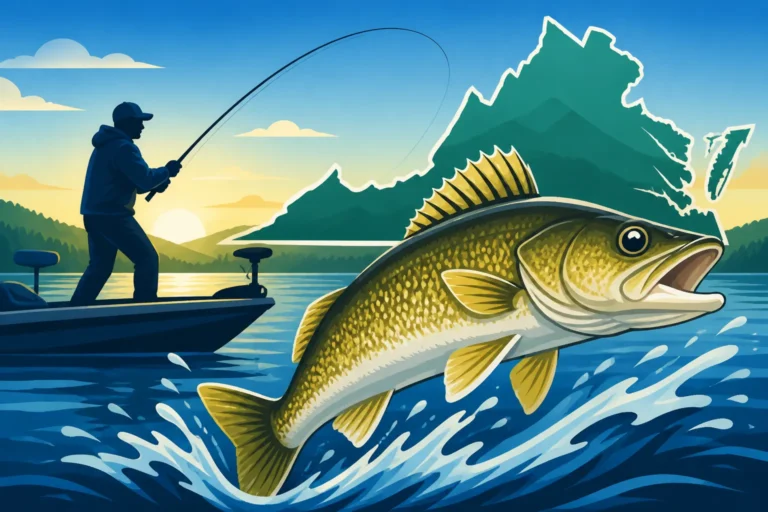
Now, let's talk about the true jewels of Claytor Lake for many a dedicated angler: the walleye. While bass and catfish offer their own distinct thrills, walleye represent a different kind of challenge and reward. They're often considered elusive, highly prized for their delicate white flesh, and can be notoriously difficult to pattern. But for those willing to put in the effort, Claytor Lake can yield some fantastic walleye fishing.
Chasing the Prized Walleye
Walleye are a truly unique and highly sought-after species in Claytor Lake, adding another dimension to its already diverse fishery. Their presence here is a testament to the lake's ecological health and its ability to support a wider range of fish than many other Virginia waters. Anglers who successfully target walleye often boast of their catch with a special pride, knowing the effort and skill it takes to bring one of these beauties to hand.
These keen-eyed predators prefer deep, clear, and rocky habitats, often associating with main lake points, submerged humps, and ledges. They are light-sensitive, which often means they'll be found in deeper water during the day or actively feeding in lower light conditions like dawn, dusk, or even at night. Their habitat choices are closely tied to the presence of baitfish, which they relentlessly pursue, often using their superior low-light vision to their advantage. Understanding this behavior is crucial for locating them. For more specific insights, make sure to check out Walleye Fishing on Claytor Lake.
The challenges of targeting walleye are part of what makes them such a prized catch. Their bites can be incredibly subtle, sometimes feeling like nothing more than a slight tick or added weight on your line. You have to be hyper-attentive and quick to react. Moreover, finding them can be like searching for a needle in a haystack, as they often roam open water or hold tight to very specific structure. This demands patience, persistence, and often, a good deal of electronic assistance.
But for all the effort, the culinary reward of a walleye is truly exceptional. Their firm, flaky, and mild white flesh is considered a delicacy by many, making them one of the best-eating freshwater fish available. This outstanding table quality is a significant motivator for anglers to put in the time and develop the specialized techniques required to catch them. The satisfaction of a hard-earned walleye dinner is something truly special. For a detailed guide on identifying these prized fish, consider reading How to Identify a Walleye.
Walleye Techniques and Timing
Timing is everything when it comes to walleye on Claytor Lake. The spring and fall are often considered the best times of year, as walleye are more active and can be found in shallower depths during low-light conditions. During the summer, they typically retreat to deeper, cooler waters during the day, becoming more active at dawn, dusk, or after dark. Understanding these seasonal and daily patterns will significantly increase your chances of connecting with these elusive fish.
Trolling and jigging are two of the most popular and effective techniques for walleye on Claytor. For trolling, deep-diving crankbaits that mimic baitfish or spinner rigs baited with nightcrawlers can be deadly, especially when fished along contours or over submerged structure. Jigging with bucktail jigs, blade baits, or soft plastics can be effective when walleye are holding tight to specific spots. You might find a wide variety of effective walleye jigs and lures on Amazon, ensuring you have the right tools for different situations. When picking baits, consulting a guide like Best Bait for Walleye in Virginia can be incredibly helpful.
The importance of electronics cannot be overstated when walleye fishing. A quality fish finder with good down-imaging and side-imaging capabilities can help you locate subtle changes in bottom contour, submerged structure, and even schools of baitfish or individual walleye. Being able to mark fish and stay on top of them is often the difference between a successful trip and a frustrating one. It allows you to present your lure precisely where the fish are holding, maximizing your chances.
Ultimately, patience and persistence are key to catching these elusive fish. Walleye fishing isn't typically about fast action, but rather about methodical searching, precise presentation, and quick reflexes. It can be a demanding form of angling, but the payoff—a beautiful walleye at the end of your line—is well worth the effort. Embrace the challenge, enjoy the process, and celebrate every walleye you catch on Claytor Lake.
Balancing Conservation and Angling Success
Claytor Lake's incredible diversity is a gift, and like any valuable gift, it needs to be treated with respect and care. To ensure that future generations of anglers can enjoy this unusual mix of bass, catfish, and walleye, balancing our pursuit of angling success with sound conservation practices is absolutely critical. Our actions on the water today directly impact the health and vitality of this remarkable fishery tomorrow.
Protecting Claytor's Diversity
The enduring health of Claytor Lake's diverse fishery relies heavily on the responsible fishing practices of every angler. It’s not just about catching fish; it’s about ensuring that the populations remain robust and healthy for years to come. This means understanding and implementing practices that minimize stress on the fish and protect their environment. Every decision we make, from how we handle a fish to what we do with our trash, has a ripple effect on the ecosystem.
Catch-and-release is a crucial practice, especially for larger breeding fish that contribute significantly to the genetic strength of the population. While it's perfectly fine to keep some fish for the table, releasing the biggest bass, catfish, or walleye—especially those at the top end of the slot limits—helps ensure a healthy spawning stock. Learning proper handling techniques, such as minimizing air exposure, using wet hands, and supporting the fish's full body weight, greatly increases their chances of survival after release. It's a small effort that makes a huge difference.
Understanding and respecting all relevant fishing regulations is not just a legal obligation; it's a fundamental aspect of conservation. This includes knowing the size and creel limits for each species, understanding specific seasons, and being aware of any special rules for certain areas of the lake. These regulations are put in place by wildlife experts to manage fish populations sustainably. You can always find the most up-to-date information through the Virginia Department of Wildlife Resources, and consulting resources like Virginia Fishing Regulations Explained can clarify many common questions.
Ultimately, anglers contribute significantly to the health of the fishery simply by being good stewards of the environment. This means practicing "leave no trace" principles, disposing of all trash properly, and being mindful of potential pollutants. Beyond that, the purchase of fishing licenses directly funds conservation efforts, habitat restoration, and fish stocking programs. By doing our part, we help ensure that Claytor Lake continues to offer its unique and abundant angling opportunities for everyone. For more details on the lake's rich fish life, exploring Claytor Lake's Diverse Virginia Fish Species Guide is highly recommended.
Planning Your Multi-Species Adventure
Tackling Claytor Lake's incredible mix of species requires a thoughtful approach to gear. Instead of specialized setups, consider versatile rod and reel combos that can handle different situations. A medium-heavy spinning rod with a fast action, paired with a reliable reel spooled with 10-15 lb test line, can serve you well for bass, smaller catfish, and walleye. Having a few different tackle boxes pre-stocked for each target species will save you time on the water. Many anglers find it convenient to browse Amazon for versatile fishing setups that can adapt to different situations.
The best times of year for a multi-species trip depend on what you prioritize. Spring offers fantastic bass and walleye opportunities as fish move shallower, while summer nights can be prime for trophy catfish. Fall often sees aggressive feeding across multiple species, making it a great time for a mixed bag. Understanding the general patterns for each species, as outlined in this guide and other resources like Claytor Lake Fishing Spots and Tips, will help you plan your visit for maximum success.
Don't hesitate to tap into local resources for maximizing your success. Bait shops around Claytor Lake are invaluable sources of information, offering up-to-date reports on what's biting, where, and on what bait. Hiring a local guide, even for a half-day, can provide an incredible shortcut to understanding the lake's complexities and patterns for its diverse fish species. They can teach you techniques specific to Claytor and point you toward productive spots you might otherwise miss. Consider also checking out some spots listed in Best Fishing Spots Near Roanoke, Virginia which often includes Claytor Lake.
Ultimately, embracing the spirit of adventure is what Claytor Lake is all about. This isn't a lake where you go with a rigid plan expecting one type of fish. It's a place to explore, to experiment, and to revel in the unexpected. Be open to changing your tactics, learning new things, and appreciating the incredible natural diversity that makes Claytor Lake one of Virginia's most fascinating and rewarding fishing destinations.
| Species | Typical Habitat | Preferred Bait/Lures | Best Season for Action |
|---|---|---|---|
| Largemouth Bass | Shallow coves, docks, submerged vegetation | Jigs, plastic worms, spinnerbaits, crankbaits | Spring, Fall |
| Smallmouth Bass | Rocky points, bluff walls, clear, cooler water | Crankbaits, tubes, jerkbaits, finesse jigs | Spring, Fall |
| Spotted Bass | Rocky points, bluff walls, open water structure | Small crankbaits, finesse worms, jigs | Spring, Summer, Fall |
| Channel Catfish | Deeper channels, submerged cover, slower currents | Cut bait, chicken liver, dough balls, stink baits | Spring, Summer, Fall |
| Flathead Catfish | Deep holes, heavy cover (sunken logs, rock piles) | Live bait (shiners, sunfish, bluegill) | Summer (especially at night) |
| Walleye | Deep, clear, rocky humps, main lake points | Deep-diving crankbaits, jigs (bucktail, blade), nightcrawlers | Spring, Fall, low-light Summer |
Disclaimer
This article is for general informational purposes only and does not constitute professional advice. Laws, prices and regulations vary by location and change over time. Consult a qualified professional for guidance on your specific situation.