Is Carp Good to Eat?
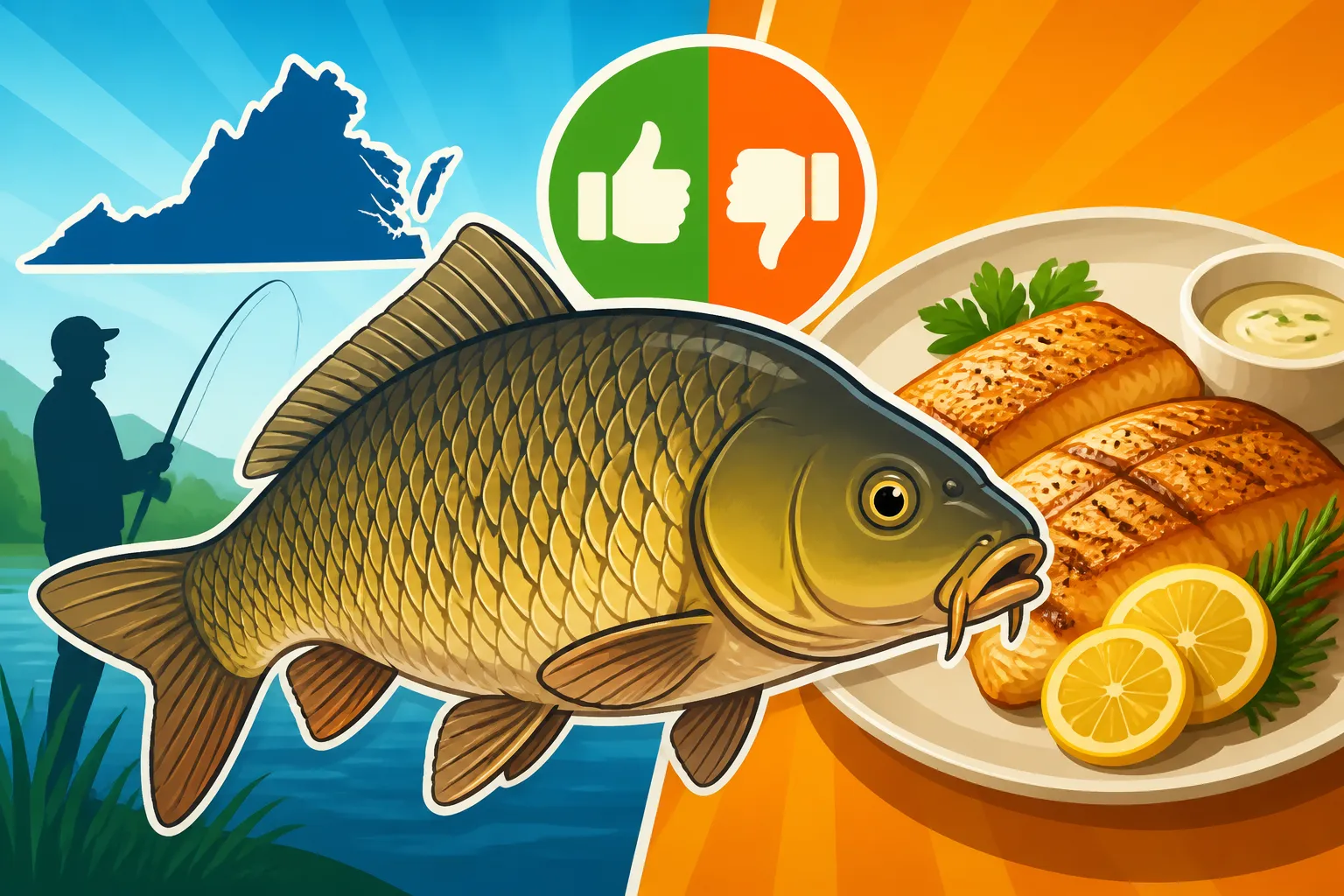
Let's be honest, carp fishing in Virginia, or anywhere for that matter, often comes with a bit of a stigma. Many anglers catch a big, hard-fighting carp and immediately dismiss it as "trash fish" or "bottom feeder," assuming it's destined for the compost pile rather than the dinner table. But that assumption is a huge disservice to a truly remarkable and, dare I say, delicious fish. This guide is here to challenge those preconceived notions, offering a deep dive into why carp can be an excellent culinary choice and how to prepare it to perfection.
The Misunderstood Fish: Why Carp Gets a Bad Rap
For generations, carp have been the Rodney Dangerfield of the fishing world – they get no respect. It’s a shame, really, because these resilient, widespread fish offer a fantastic angling experience and, with a little know-how, can provide some genuinely tasty meals. The negative reputation often stems from a few key misconceptions that have unfortunately stuck.
Historical Perceptions and Cultural Differences
It's fascinating how different cultures view the same fish. In many parts of Europe and Asia, carp is a celebrated delicacy, often gracing holiday tables and revered for its rich flavor and flaky white meat. Think about traditional European Christmas meals or the significance of carp in many Asian cuisines – it's a staple, a symbol of good fortune, and highly sought after. But here in North America, we've largely associated carp with murky waters and a less-than-desirable taste. This cultural divide has a lot to do with historical immigrant populations bringing their culinary traditions, only to find them not widely adopted by the mainstream.
This difference in perception isn't entirely unfounded in its origins, but it's often exaggerated. Early European settlers found carp to be plentiful and easy to catch, much like they were accustomed to. However, as angling in America evolved, a preference for "game fish" like bass and trout grew, pushing carp into a lower tier. It became a fish for sustenance rather than sport, and its image suffered. This historical bias is hard to shake, and many anglers simply never learned the techniques to make carp truly shine on the plate. If you've ever dismissed a carp purely based on what you've heard, it's time to open your mind and taste buds!
Habitat and Diet: Debunking the "Muddy" Myth
One of the biggest knocks against carp is the persistent rumor that they taste "muddy." This is a common complaint, and it's certainly true that a fish caught from a stagnant, silty pond during the heat of summer might indeed have an off-flavor. However, this isn't unique to carp; any fish, regardless of species, can pick up undesirable tastes from its environment if the water quality is poor. Catch a largemouth bass from the same stagnant, muddy puddle, and you might find it equally unappetizing.
The key to good-tasting carp lies in where and when you catch them. Carp Fishing in Virginia Lakes and Rivers can be incredibly rewarding. Carp thrive in many of Virginia's cleaner rivers and lakes, where they feed on a varied diet of aquatic vegetation, insects, and small crustaceans. These environments, especially those with good current or cooler water temperatures, produce fish with firm, clean-tasting flesh. For instance, carp caught from the cooler, flowing waters of the James River or some of our larger, deeper reservoirs often have a remarkably mild and pleasant flavor. Don't judge the entire species by one bad experience from a hot, shallow farm pond. Seek out healthy populations in better waters, and you'll be pleasantly surprised.
Preparing Carp for the Table: Techniques for Better Flavor
Okay, so you've landed a beautiful, feisty carp from a clean Virginia waterway, and you're ready to give it a fair shot on the dinner plate. This is where the magic happens, and a few simple preparation steps can make all the difference between a so-so experience and a genuinely delicious meal. Think of it like any wild game – proper handling from the moment it's caught is crucial.
The Importance of Bleeding and Cleaning
Just like with venison or other wild game, bleeding a fish immediately after it's caught is a game-changer for flavor. When a fish struggles, lactic acid builds up in its muscles, which can contribute to a stronger, "fishier" taste. A quick, humane bleed will allow the blood to drain, resulting in whiter, milder-tasting flesh. The easiest way to do this is to cut the gills or the artery just behind the gills as soon as you land the fish. Then, put it on ice or in an ice bath to keep it cool while the blood drains. This step alone can elevate your carp's flavor significantly.
Once bled, cleaning is paramount. How to Identify a Carp and you'll notice their relatively small scales, but they're firmly set. A good scaler or a sturdy knife can make quick work of them. After scaling, gutting the fish promptly is essential to prevent any internal organs from tainting the meat. Carefully remove all the guts, scrape out any bloodline along the backbone, and give the cavity a thorough rinse. Some anglers even suggest removing the dark "mud vein" that runs along the lateral line after filleting, which is another excellent step to ensure the cleanest flavor. These initial steps are the foundation of a delicious carp meal.
Filleting and Removing the "Mud Vein"
Carp can be a bit challenging to fillet compared to a fish with a simpler bone structure, but with a sharp, flexible filleting knife (you can find some great options on Amazon, by the way), it's definitely doable. The main challenge often comes from the "Y-bones" present in the upper part of the fillet. You can either learn to cut around them, creating boneless strips, or simply cook the fillets with the bones in and flake the meat off as you eat. For boneless portions, many experienced carp anglers use a technique called "scoring" or "scoring and butterflying," where you make deep, closely spaced cuts through the Y-bones down to the skin, allowing them to essentially dissolve during cooking.
Beyond the bones, addressing the "mud vein" is another critical step for those aiming for the mildest flavor. This dark, sometimes reddish, line of meat runs along the lateral line of the fillet, often just under the skin. It's essentially a darker, fattier muscle tissue that can hold more of those "off" flavors some people associate with carp. After you've removed the skin, take a sharp knife and carefully trim this dark strip away from the lighter, cleaner flesh. You'll be left with a much more aesthetically pleasing and better-tasting fillet. It takes a little extra time, but it’s a worthwhile effort for a truly enjoyable culinary experience.
Soaking and Marinades for Enhanced Taste
Even with proper bleeding and cleaning, a little extra effort can further refine the flavor of your carp. Many successful carp cooks swear by soaking the fillets before cooking. A common method is to soak the fillets in a mixture of milk or buttermilk for several hours, or even overnight, in the refrigerator. The mild acidity and fat in the dairy product are believed to help draw out any remaining "muddy" flavors and tenderize the meat. Another popular option is a brine solution – a mixture of salt and water, sometimes with a touch of sugar or herbs.
Marinades also work wonders, not just for flavor infusion but also for further tenderization. Acidic marinades containing lemon juice, vinegar, or even a dry white wine can brighten the flavor and break down muscle fibers. Experiment with different spices and herbs that complement a robust white fish: garlic, paprika, dill, parsley, or even a touch of Old Bay seasoning are fantastic choices. For example, a simple marinade of lemon juice, olive oil, garlic, and fresh dill left on the fillets for an hour or two can completely transform the carp's profile, making it a delicious and versatile protein.
Delicious Ways to Cook Carp: Recipes and Methods
Once your carp fillets are prepped and ready, the culinary possibilities are endless! Don't limit yourself to just one method. Different cooking techniques can highlight different aspects of the carp's flavor and texture. From classic frying to smoky grilling, there's a carp recipe out there for everyone.
Frying and Baking: Classic Approaches
Frying is perhaps the most popular way to enjoy carp, especially for those new to preparing it. The firm, white flesh holds up well to breading, and the crispy exterior provides a delightful contrast to the tender interior. A simple cornmeal breading, seasoned with salt, pepper, and perhaps a touch of cayenne or paprika, works beautifully. Just dredge your fillets in egg wash, then coat them thoroughly in your seasoned cornmeal mixture, and pan-fry in hot oil until golden brown and cooked through. It’s similar to how you’d prepare Is Channel Catfish Good to Eat?, and just as satisfying. This method is a fantastic way to introduce skeptical diners to the delights of carp, as the breading adds flavor and texture while protecting the delicate meat.
Baking is another excellent, often healthier, option that allows the natural flavors of the carp to shine. Place your seasoned fillets on a baking sheet, perhaps drizzled with a little olive oil or butter, and bake until flaky. You can elevate baked carp by topping it with a fresh herb crust, a vibrant salsa, or even a simple lemon-butter sauce. Imagine baking a carp fillet alongside some fresh vegetables, seasoned with garlic and rosemary, for a wholesome and flavorful meal. The oven provides a consistent, gentle heat that keeps the fish moist and tender. For those looking for quick and easy meal prep, baking is often the way to go.
Smoking and Grilling: Infusing Flavor
For those who love outdoor cooking, carp truly excels when smoked or grilled. Smoking carp is a fantastic way to infuse it with deep, savory flavors. A whole carp, or large fillets, can be brined overnight, then slow-smoked over hickory, apple, or cherry wood chips. The long, low heat tenderizes the meat, and the smoke imparts an incredible aroma and taste that completely transforms the fish. Smoked carp can be enjoyed on its own, flaked into salads, or even made into a spread. If you've got a smoker out back (like many folks do for brisket or pork shoulder, often sourced on Amazon for convenience), you absolutely must try smoking carp.
Grilling offers a quicker but equally delicious method. Carp fillets, especially those that have been scored to handle the Y-bones, take well to direct heat. Marinate your fillets in a tangy, robust sauce – perhaps a BBQ glaze, a spicy chili-lime marinade, or a simple mixture of soy sauce and ginger – then grill over medium-high heat until cooked through and slightly charred. The charring adds another layer of flavor, and the firm flesh won't fall apart on the grates. Best Bait for Catfish in Summer often includes similar robust flavors in prepared baits, and you can mimic that boldness in your grilled carp marinades. Grilling is perfect for a summer evening cookout and is a surefire way to make even the biggest carp skeptics ask for seconds.
Carp as an Ingredient: Beyond the Fillet
While whole fillets are great, don't overlook the versatility of carp as an ingredient in other dishes. Its firm texture and mild flavor, once properly prepared, make it suitable for a wide range of culinary creations. One classic preparation, especially popular in Eastern European traditions, is carp patties or "fish balls." The meat is ground or finely chopped, mixed with breadcrumbs, herbs, and spices, formed into patties, and then pan-fried or baked. These are excellent as appetizers or main courses.
Think about how you use other firm white fish – carp can often substitute. You can flake cooked carp into fish tacos, create a hearty fish chowder, or even use it in a spicy fish curry. For a more adventurous take, consider pickled carp, a traditional dish in some regions, offering a unique tangy flavor. The bones, often seen as a nuisance, can even be simmered to create a rich, flavorful fish stock that forms the base for soups and sauces. Don't be afraid to experiment! Carp’s adaptability means it can be a delicious and affordable protein for nearly any meal.
Here's a quick comparison of popular cooking methods for carp:
| Cooking Method | Best For | Pros | Cons | Flavor Profile |
|---|---|---|---|---|
| Frying | Fillets, Smaller Pieces | Crispy texture, quick, familiar taste | Can be greasy, higher calorie | Rich, savory (with breading) |
| Baking | Fillets, Larger Chunks | Healthy, hands-off, moist | Less texture variation | Mild, takes on added flavors |
| Smoking | Whole fish, Large fillets | Deep smoky flavor, tender | Requires smoker, longer cook time | Robust, earthy, unique |
| Grilling | Fillets, Steaks | Charred flavor, quick, firm | Can stick, careful handling needed | Smoky, savory, often bold |
| Patties/Cakes | Any part of the fish | Hides bones, versatile, kid-friendly | More prep time, can be dry if overcooked | Adaptable to spices |
The Nutritional Value of Carp: Healthy and Sustainable
Beyond its flavor, carp offers significant health benefits and represents a highly sustainable food source, especially here in Virginia. In a world increasingly concerned with where our food comes from and its impact on the environment, carp shines as an often-overlooked hero.
Protein, Omega-3s, and Other Benefits
Carp is an excellent source of lean protein, essential for muscle growth and repair, and keeping you feeling full. But it’s not just protein; carp also contains a good amount of beneficial Omega-3 fatty acids. While often associated more with fatty cold-water fish like salmon, carp also provides these heart-healthy fats, which are crucial for brain function, reducing inflammation, and overall cardiovascular health. So, if you're looking for an affordable way to boost your Omega-3 intake, carp is a surprisingly good option.
Additionally, carp provides a range of essential vitamins and minerals, including B vitamins (especially B12), phosphorus, and potassium. These nutrients play vital roles in energy metabolism, bone health, and maintaining proper bodily functions. Many anglers are surprised to learn how nutritionally dense a simple carp can be. Instead of focusing on old myths, think of carp as a healthy, naturally occurring protein source that's readily available in many of Virginia's waters. It’s certainly a healthier choice than many processed foods, and definitely worth considering as part of a balanced diet.
A Sustainable and Accessible Food Source in Virginia
From an environmental standpoint, carp are incredibly sustainable. They are abundant in many of our local waterways, including the major rivers and lakes across Virginia. Unlike some commercially farmed species that rely on resource-intensive feeding practices, carp largely feed on natural vegetation and invertebrates. They reproduce prolifically and are not overfished. In fact, in many ecosystems, common carp are considered an invasive species, meaning catching and consuming them can actually contribute positively to local aquatic health by helping to manage their populations. This is a rare win-win: you get a healthy meal, and you're helping the environment.
Anglers across Virginia have easy access to carp, whether through Bank Fishing Techniques on local rivers or fishing from a boat on larger impoundments. They are not difficult to catch, often biting on simple baits like corn, dough balls, or even bread. This accessibility makes them an ideal food source for anyone looking to supplement their diet with fresh, locally sourced protein without breaking the bank. So, the next time you're out fishing in Virginia, and you hook into a sizable carp, don't just toss it back with a groan. Consider the delicious, nutritious, and sustainable meal you've just caught. It's truly a hidden gem waiting to be rediscovered by the adventurous cook.
Disclaimer
This article is for general informational purposes only and does not constitute professional advice. Laws, prices and regulations vary by location and change over time. Consult a qualified professional for guidance on your specific situation.