Spotted Bass Fishing Tips for Virginia Anglers
Many Virginia anglers, especially those accustomed to chasing largemouths in murky ponds or smallmouths in rocky rivers, sometimes find themselves scratching their heads when it comes to consistently catching spotted bass. These feisty fish have their own unique habits and preferences, and trying to catch them with the same old tactics often leads to frustration. This guide is here to unravel the mysteries of spotted bass and equip you with proven tips to help you land more of these hard-fighting beauties in Virginia's waters.
Understanding the Spotted Bass: Beyond Just Another Bass
Before we dive into the nitty-gritty of fishing for spotted bass, it's crucial to understand what makes them tick and how they differ from their more famous cousins, the largemouth and smallmouth. You see, while they share the "bass" family name, spotties often behave like a hybrid of the two, preferring certain conditions and reacting to lures in ways that might surprise you. They're often found in clearer, deeper water than largemouths, and while they appreciate rock and current like smallmouths, they might also hold to brush and timber.
One of the biggest frustrations anglers face is misidentifying a spotted bass, which can lead to using the wrong techniques or even misapplying regulations. For instance, the fight might feel like a smallmouth, but their habitat often leans closer to where you might expect a largemouth, albeit in deeper sections. Learning to tell them apart on sight is your first, and arguably most important, tip. It’s not just about bragging rights; it's about understanding the fish you're targeting. For a more detailed look at identification, you might want to check out Spotted Bass vs Largemouth Bass: How Virginia Anglers Tell Them Apart or even Virginia Bass Identification: Largemouth, Smallmouth, Spotted, and Alabama Compared.
Identifying Spotted Bass in Virginia Waters
Correctly identifying a spotted bass is the first step toward successful angling. They have distinct features that differentiate them from largemouths and smallmouths, which is particularly important in lakes where all three might coexist.
Key Physical Characteristics
The most prominent feature of a spotted bass is, unsurprisingly, the rows of small, dark spots below the lateral line, extending onto the belly. These spots are usually much more pronounced than the faint mottling you might see on a largemouth. Beyond the spots, look at the jawline. If you close the fish's mouth, the upper jaw of a spotted bass will typically not extend beyond the back of its eye. A largemouth's jaw, on the other hand, will usually extend well past the eye. This is a tell-tale sign that often gets overlooked.
Another subtle but important difference is the connection of the dorsal fins. Spotted bass generally have a more clearly connected dorsal fin, with a less pronounced dip between the spiny front section and the soft-rayed rear section, compared to the often deeply notched dorsal fin of a largemouth. Their body shape tends to be more slender and torpedo-like than a largemouth but not as streamlined as a true smallmouth. They often have a rough patch of teeth on their tongue, which is another good identifier, though you'll need to be careful checking for this.
Distinguishing from Largemouth and Smallmouth
Many anglers confuse juvenile largemouths or smallmouths with spotted bass. The distinct lateral line on a largemouth is usually a solid, dark band that can sometimes be broken or blotchy, but it lacks those multiple rows of clear spots below it. Smallmouths, by contrast, typically have vertical bars or tiger stripes along their sides, especially when in clearer water or stressed, and almost never have the prominent belly spots of a spotted bass. Smallmouths also tend to have reddish eyes, which is another useful clue.
Consider the habitat too. If you're catching a fish that looks like a largemouth but is coming from deeper, clearer, and perhaps more current-laden sections of a reservoir or large river, there's a good chance it's a spotted bass. They thrive in environments that might be a bit too deep or rocky for typical largemouth hangouts but perhaps not as cold or fast-moving as prime smallmouth territory. Understanding these subtle differences will significantly improve your ability to target them effectively. If you're still practicing identification, looking up visuals for How to Identify a Largemouth Bass in Virginia and How to Identify a Smallmouth Bass in Virginia can be really helpful comparisons.
Where to Find Spotted Bass in Virginia
Once you know what you're looking for, the next step is knowing where to cast your line. Spotted bass aren't everywhere in Virginia, but they thrive in specific types of habitats, often making them a bit more predictable than other bass species once you understand their preferences.
Preferred Habitat and Structure
Spotted bass absolutely love clear water and deep-water structure. They're not typically found in muddy, shallow ponds. Instead, think about large reservoirs and expansive rivers with plenty of current, rock formations, humps, ledges, and submerged timber. They're often associated with hard bottom—gravel, rock, or clay—rather than soft, silty bottoms. These fish are more comfortable holding to vertical structure than largemouths, so look for steep banks, bluff walls, and standing timber that drops into deeper water.
They are also highly oriented to current. Even in reservoirs, subtle currents can exist, especially near dam spillways, creek mouths, or bottlenecks in the main lake channel. Spotted bass will use these currents to ambush prey, holding just out of the main flow and darting out to grab anything that drifts by. This means points, eddies, and channel swings are prime real estate. You might find them in depths ranging from 10 to 40 feet or even deeper, depending on the season and time of day.
Notable Virginia Spotted Bass Fisheries
While not as widely distributed as largemouths, Virginia has some truly fantastic spotted bass fisheries. Claytor Lake is arguably one of the most famous, known for its healthy population of spotted bass alongside other species. Anglers often report catching impressive numbers of spotties here. Claytor Lake's Mixed Bass Fishery: Largemouth, Smallmouth, Spotted, and Alabama provides excellent context for this diverse environment. Other large impoundments like Smith Mountain Lake and Lake Anna can also hold good numbers, particularly in their clearer, deeper sections.
On the river side, sections of the James River or the New River, especially where there are deeper pools, rocky drops, and current breaks, can be productive. Remember that spotted bass prefer environments that mirror elements of both largemouth and smallmouth habitats, but with a strong emphasis on depth and clarity. So, if you're exploring a new body of water, start by scouting areas with submerged rock piles, standing timber on ledges, or deep points that extend into the main channel.
Effective Techniques and Lures for Spotted Bass
Now for the fun part: what to throw and how to retrieve it! Spotted bass can be aggressive, but they often respond best to specific presentations that cater to their deep-water, current-loving tendencies.
Top Lures and Baits
When it comes to lures, smaller, subtler presentations often outperform big, flashy baits, especially in clear water. Think about finesse tactics:
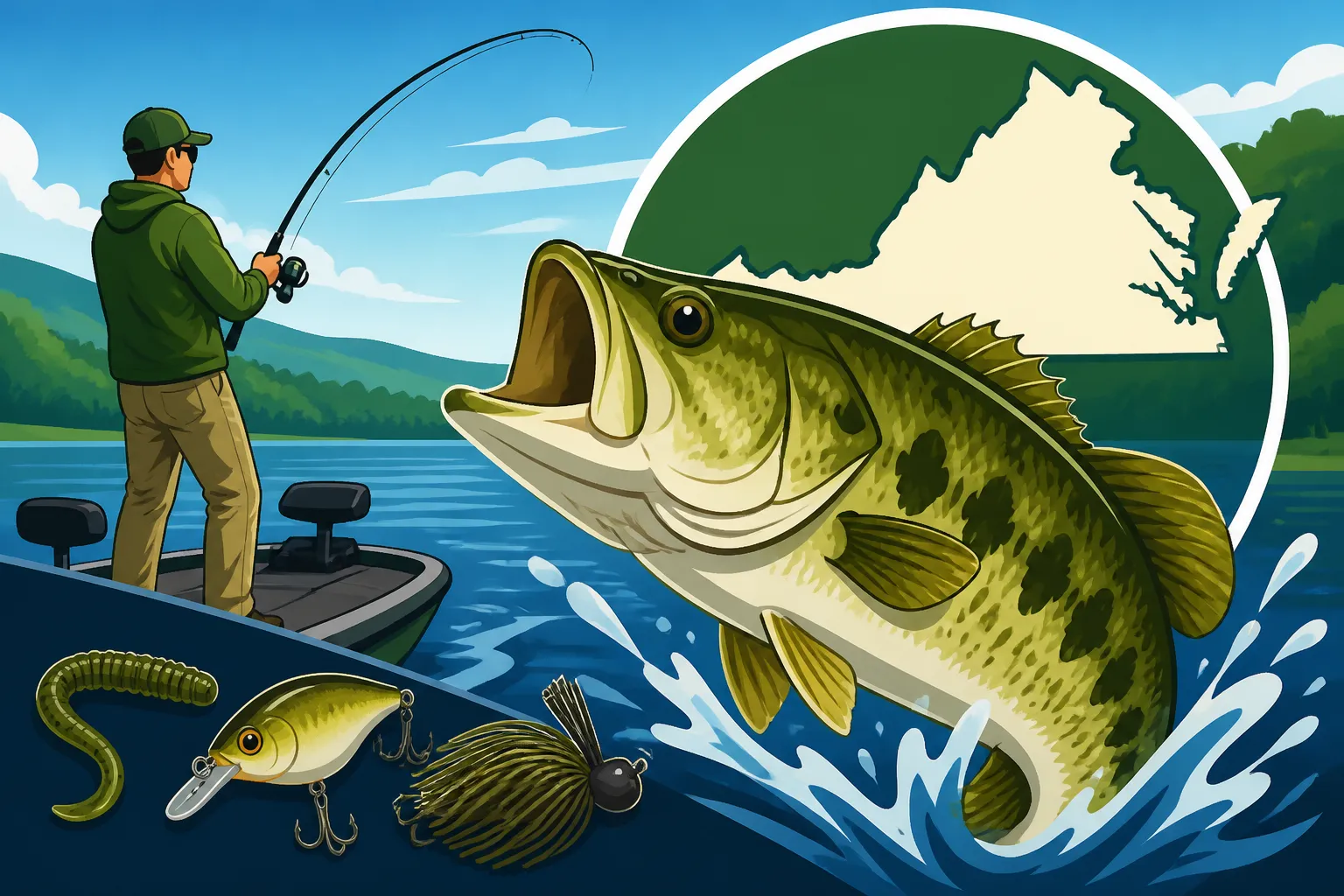
- Soft Plastics: The undisputed champion for spotted bass. Drop shots, shaky heads, Ned rigs, and small swimbaits rigged on jig heads are incredibly effective. Colors like green pumpkin, watermelon, and natural baitfish patterns are always good starting points. These allow you to get down to the fish quickly and present a natural-looking meal. Many anglers swear by specific worm shapes that you can easily stock up on through online retailers like Amazon.
- Jigs: Small football jigs or casting jigs with finesse trailers are fantastic for probing rocky bottoms and submerged timber. The key is to match the hatch and the depth. Darker colors like black and blue or green pumpkin work well, especially when imitating crawfish.
- Crankbaits: Medium-diving crankbaits that reach depths of 10-15 feet can be excellent for covering water, especially on points and ledges. Deeper diving crankbaits can also be effective when fish are holding really deep. Choose natural baitfish patterns or crawfish colors.
- Topwater (Situational): While primarily deep-water fish, spotted bass will absolutely smash a topwater bait during low light conditions or when schooling on baitfish near the surface. Small poppers, walking baits, and prop baits can provide explosive strikes. This is more common in early morning, late evening, or on overcast days.
- Live Bait: If all else fails, live minnows, shiners, or even small crawfish can be incredibly effective, especially when fished on a drop shot or a simple Carolina rig.
Presentation and Retrieval Tips
Spotted bass often prefer a more active presentation than largemouths, but not necessarily a fast one. They respond well to erratic movements that mimic a struggling baitfish or crawfish.
- Work the bottom: A significant portion of your spotted bass success will come from working lures on or near the bottom. Dragging jigs, hopping shaky heads, or slowly crawling a Carolina rig are all excellent techniques. Pay close attention to your line for subtle bites, as spotties can be notorious for gently "pecking" at a bait.
- Use lighter line: In clear water, fluorocarbon line in lighter strengths (6-10 lb test) is often key. It's nearly invisible underwater and provides excellent sensitivity, helping you detect those subtle bites. You can find a wide range of high-quality fluorocarbon lines on Amazon.
- Target current breaks: Remember their love for current. Cast your lure upstream of a current break (like a large rock, a point, or a submerged tree) and let the current carry it naturally into the strike zone. Then, slowly work it against or across the current.
- Vertical jigging: When fish are holding tight to vertical structure or baitfish schools in deep water, vertical jigging with spoons or blade baits can be deadly. Watch your fish finder closely for schools of bait or individual fish. A good fish finder is almost essential for consistent deep-water spotted bass fishing; if you don't have one, consider looking at options on Amazon.
- Pay attention to schooling behavior: Spotted bass are known for schooling, especially when actively feeding on baitfish. If you catch one, there are often more nearby. Keep an eye out for surface activity or use your electronics to locate schools. When they're schooling, faster retrieves with small crankbaits or swimbaits can trigger aggressive strikes.
| Bass Species | Primary Habitat | Typical Depth | Common Lure Types | Fight Style | Key Identifier |
|---|---|---|---|---|---|
| Spotted Bass | Clear lakes/rivers, rock, current, steep drops, standing timber | 10-40+ feet | Soft plastics (dropshot, shaky head, Ned rig), jigs, small crankbaits | Strong, deep dives, bulldogging | Rows of spots below lateral line, jaw not past eye, connected dorsal fin |
| Largemouth Bass | Stained to clear water, shallow cover, hydrilla, lily pads, docks, wood | 2-15 feet | Spinnerbaits, jigs, plastic worms, topwater, large crankbaits | Explosive surface strikes, often jump | Dark lateral line, jaw past eye, deeply notched dorsal fin |
| Smallmouth Bass | Clear, rocky rivers/lakes, current, gravel, boulders | 5-30 feet | Tubes, crankbaits, jerkbaits, hair jigs, topwater | Strong, acrobatic jumps, long runs | Vertical bars/stripes, red eye, jaw not past eye, not always spots |
Seasonal Spotted Bass Strategies for Virginia Anglers
Like all fish, spotted bass behavior changes with the seasons. Adapting your approach throughout the year is key to consistent success.
Spring: Pre-Spawn and Spawn
Spring is a fantastic time to target spotted bass as they begin to move shallower for the spawn. Before the spawn, as water temperatures rise into the 50s, spotties will stage on points and humps adjacent to spawning flats. This is when deep-diving crankbaits, football jigs, and Carolina rigs can be very effective as they search for food. They'll be feeding heavily to prepare for the energy expenditure of spawning.
Once water temperatures hit the mid-60s, spotted bass will move to rocky banks, gravel points, and hard-bottomed areas to spawn. Unlike largemouths, which often prefer soft bottoms in quiet coves, spotties will spawn in areas with a bit more exposure and sometimes even light current. Finesse plastics like shaky heads and Ned rigs worked slowly around these areas can provoke strikes from bedding fish. Be mindful of not over-pressuring spawning fish, and release them quickly to ensure the health of the fishery. Remember, Best Bait for Largemouth Bass in Virginia and Best Bait for Smallmouth Bass in Virginia might overlap, but finesse tactics often shine for spotties during this period.
Summer: Deep Water Dominance
As Virginia's summer heat sets in and water temperatures soar, spotted bass retreat to their preferred deep, cool, and oxygenated waters. This is when your electronics become your best friend. Look for them on main lake points, deep humps, ledges, and around standing timber, often suspended over brush piles or holding tight to cover in 20-50 feet of water.
Dropshot rigs, rigged with small worms or minnow imitations, are incredibly effective during the summer. Vertical jigging with spoons or heavy jigs can also work when you mark fish directly beneath the boat. Look for areas with a good thermocline, as fish will often congregate just above or within this layer. Don't be afraid to experiment with different depths until you find where the fish are holding. When the sun is high and they're locked onto deep cover, a slow, methodical retrieve is usually best. For general tips on how water temperature affects fish, you can review Water Temperature for Bass Fishing in Virginia.
Fall: Chasing Baitfish
Fall is another prime time for spotted bass fishing, as these fish become incredibly active, chasing schooling baitfish in preparation for winter. As water temperatures cool down, spotties will often push baitfish up against points, humps, and even shorelines, leading to aggressive feeding frenzies.
This is when reaction baits shine. Fast-moving crankbaits, jerkbaits, and even topwater lures (especially early in the fall) can trigger vicious strikes. Look for birds diving or baitfish flickering on the surface – these are tell-tale signs of schooling activity. Keep a keen eye on your fish finder for large balls of bait and predators lurking beneath. Fishing around creek mouths and transition areas where baitfish funnel into the main lake can be highly productive. Knowing Best Lures for Summer Bass Fishing can give you a head start, as many of those deeper techniques transition well into early fall.
Winter: Slow and Steady
Winter fishing for spotted bass often requires patience and a very slow presentation. As water temperatures drop, their metabolism slows down, and they become less active. However, they still need to eat. Look for them in the deepest, most stable parts of the lake or river, often congregating in large schools.
Jigs, blade baits, and spoons fished vertically or with a very slow drag are usually the ticket. Keep your retrieves agonizingly slow, often just barely moving the lure. Look for sharp breaks, deep timber, and main lake points that offer access to the deepest water. On sunny winter days, they might move up a bit shallower on south-facing banks that warm up slightly, but generally, deep water is where you'll find them. Techniques for How to Find Fish From a Boat With a Fish Finder become crucial in these conditions, helping you pinpoint those elusive deep-water schools.
Gear Considerations for Virginia Spotted Bass Anglers
Having the right tackle can make a significant difference in your success when targeting spotted bass. Their habitat and fighting style often dictate certain gear choices.
Rods, Reels, and Line
For most spotted bass applications, especially finesse techniques, a medium-light to medium power spinning rod between 6'6" and 7'3" is ideal. This gives you the sensitivity needed to detect subtle bites and the backbone to fight fish in deeper water. Pair this with a 2500 or 3000 series spinning reel spooled with 8-10 lb braided line, with a fluorocarbon leader of 6-10 lb test. The braid provides excellent casting distance and sensitivity, while the fluorocarbon leader offers invisibility and abrasion resistance. You can find a vast array of high-quality fishing line and leader material on Amazon.
If you plan on throwing heavier jigs or crankbaits, a medium-heavy casting rod with a fast action, coupled with a baitcasting reel spooled with 10-15 lb fluorocarbon, would be more appropriate. This setup gives you the power to cast larger lures and control bigger fish, especially around heavy cover.
Essential Terminal Tackle and Accessories
Don't skimp on terminal tackle. High-quality hooks are non-negotiable, especially for finesse presentations. Look for sharp, strong hooks that will penetrate quickly. A good selection of tungsten weights (drop shot weights, shaky head jigs, Ned rig jig heads) will also be invaluable, as tungsten is denser than lead, allowing for a smaller profile and increased sensitivity.
Beyond hooks and weights, consider a good pair of pliers or forceps for hook removal, a line cutter, and a reliable scale to weigh your catches (if you're into that!). A small tackle box or bag specifically organized for your spotted bass finesse gear can save you time on the water. Finally, polarized sunglasses are always a good idea, helping you spot subtle changes in structure and even cruising fish in clearer waters. Make sure to stock up on these essentials; Amazon often has competitive prices and a wide selection.
Respecting the Fishery: Conservation and Regulations
As a responsible angler, understanding and adhering to Virginia's fishing regulations is paramount. Spotted bass are an important part of the state's diverse fisheries, and practicing good conservation habits ensures these opportunities for future generations.
Virginia's Fishing Regulations for Bass
Always check the latest Virginia Department of Wildlife Resources (DWR) regulations before heading out. While many general bass regulations apply to spotted bass, specific lakes or rivers might have special slot limits or creel limits that differ from statewide rules. For instance, Virginia's daily bass limit is 5 fish combined, but always verify if there are any specific length limits or restrictions for individual species in your target body of water. Some Virginia lakes may indeed enforce their own bass slot limits, so being informed is crucial.
Keep only what you plan to eat and consider practicing catch and release, especially for larger breeding-size fish. Spotted bass are generally good eating, but preserving the population helps maintain healthy fisheries. When releasing fish, handle them gently, minimize their time out of water, and ensure they are revived before letting them go.
Promoting Sustainable Fishing Practices
Beyond the regulations, adopting sustainable practices is vital. This includes properly disposing of all trash, including old fishing line, hooks, and soft plastic baits. Lead weights can be harmful to wildlife, so consider using tungsten alternatives whenever possible. Avoid introducing non-native species, and always clean your boat and gear thoroughly between fishing trips to prevent the spread of aquatic invasive species.
Educate yourself and other anglers on proper fish identification and handling techniques. The more informed and responsible we are as anglers, the better we can protect and enjoy Virginia's incredible fishing resources for years to come.
Disclaimer
This article is for general informational purposes only and does not constitute professional advice. Laws, prices and regulations vary by location and change over time. Consult a qualified professional for guidance on your specific situation.