Channel Catfish vs Flathead Catfish: Which Fights Harder?
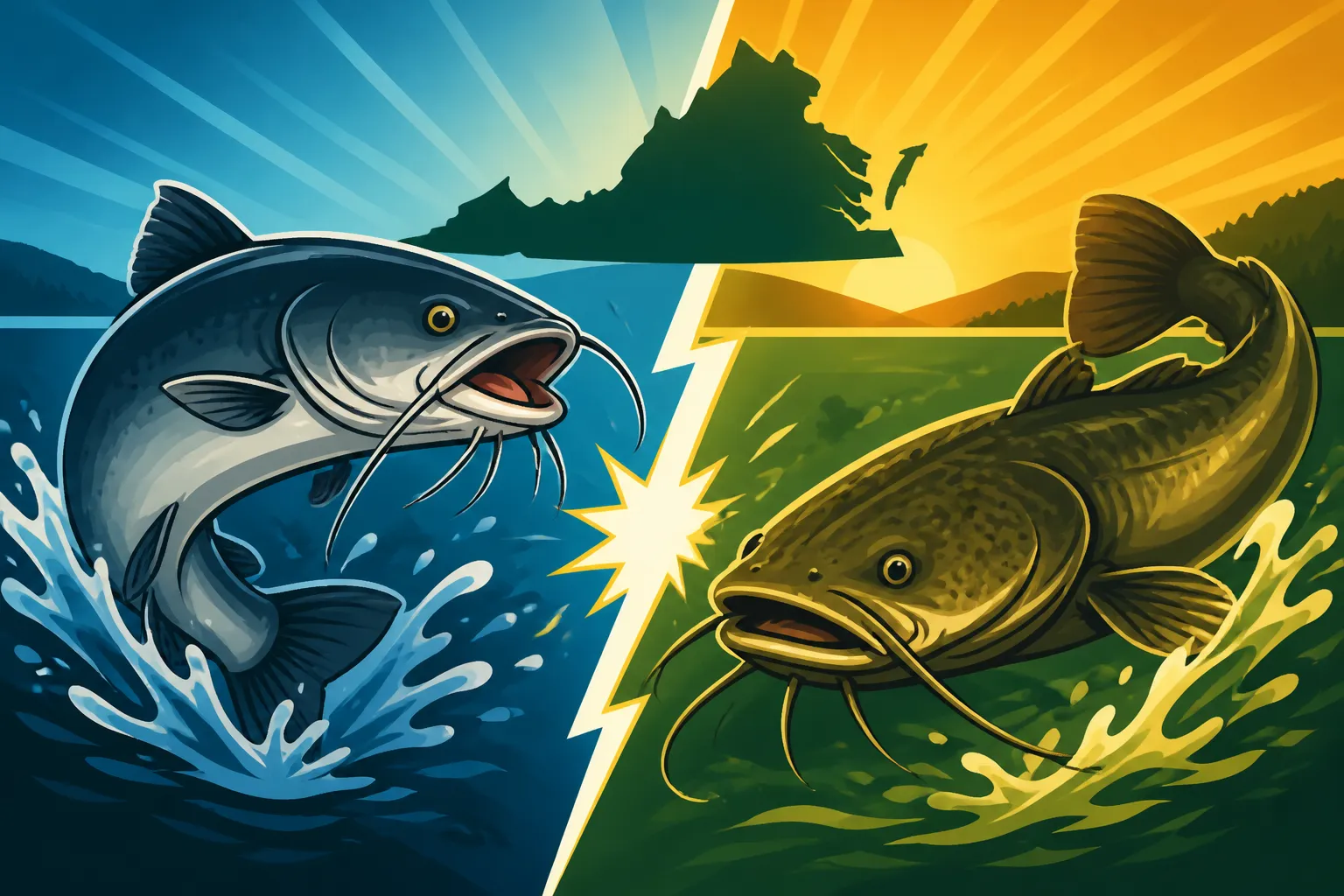
Anglers across Virginia often debate which catfish species offers the more thrilling battle: the widespread Channel Catfish or the formidable Flathead Catfish. Both are prized for their fighting prowess, but their distinct temperaments and physical attributes lead to very different experiences at the end of your line. This guide will dive deep into what makes each species a unique challenge, helping you understand their fighting styles and why one might be considered "harder" to reel in.
The Contenders: Understanding Virginia's Catfish Powerhouses
Before we pit these two incredible fish against each other in a hypothetical fight, it's crucial to understand their basic characteristics. Knowing where they live, what they eat, and how they typically behave will give you a major advantage in anticipating their moves once hooked. It's not just about what's on the end of your line, but what's inside that fish – its instincts and its environment.
Channel Catfish: The Agile, Spirited Fighter
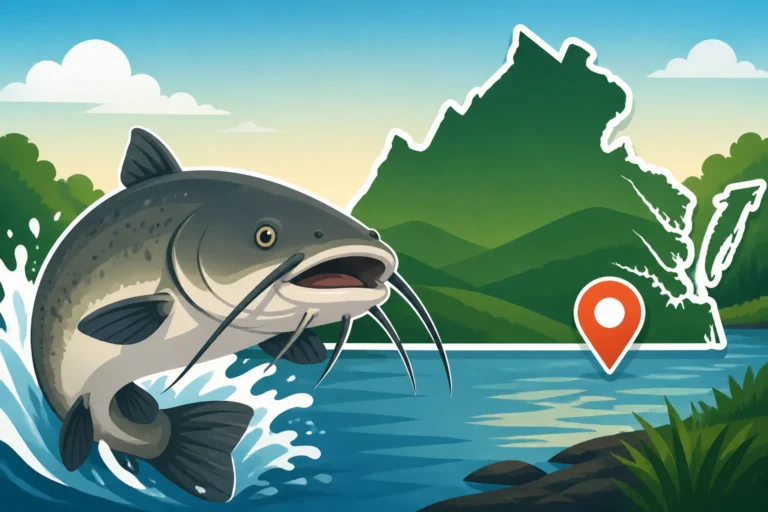
The Channel Catfish is truly Virginia's everyman catfish. You can find them in nearly every major river, many lakes, and even some larger ponds across the Commonwealth. They're incredibly adaptable, thriving in a variety of water conditions, though they generally prefer cleaner, moving water. Their diet is broad, making them opportunistic feeders that will gobble up everything from insects and crustaceans to small fish and even plant matter. This adaptability often means they're more accessible to anglers, whether you're fishing from the bank of the James River or a boat on Lake Anna.
When you hook a Channel Catfish, especially a decent-sized one, be prepared for an energetic and often unpredictable fight. They're known for their quick, sharp turns, powerful headshakes, and sometimes even impressive surface runs. A Channel Catfish might zig-zag wildly, trying to throw the hook, or make multiple strong dives to escape. For many anglers, particularly those new to catfishing, the Channel Catfish offers an exciting and engaging battle that makes your rod bend and your heart race. They punch well above their weight, providing a thrilling experience on medium-action tackle.
Flathead Catfish: The Stubborn, Deepwater Brawler
Now, let's talk about the Flathead. If the Channel Catfish is the agile boxer, the Flathead is the heavyweight wrestler. These are considerably larger fish on average in Virginia, and they are pure predators. You'll typically find Flatheads in larger rivers and deeper impoundments, often preferring areas with heavy cover like submerged logs, rock piles, or deep scour holes. They are solitary hunters, lurking in the shadows, waiting for unsuspecting live prey to swim by. Unlike the omnivorous Channel Cat, a Flathead's diet consists almost exclusively of live fish – bluegill, carp, suckers, you name it. This specialized diet and their preference for dense cover mean you often have to work a bit harder to find them, but the reward is almost always worth it.
When a Flathead takes your bait, it's usually not a subtle affair. You'll often feel a heavy, steady thud or a slow, powerful pull that immediately tells you something substantial is on the other end. Their fight is characterized by deep, unrelenting dives straight for the nearest snag or cover. They use their immense power and broad, flattened head to dig in, often feeling like you've hooked a sunken log. You won't get the erratic runs of a Channel Cat; instead, you'll get a stubborn, sustained pull that tests your tackle and your arm strength to their absolute limits. If you're looking for a true arm-wrestling match, the Flathead Catfish delivers every single time. Learn more about how to tell these two apart in Channel Catfish vs Flathead Catfish: How Virginia Anglers Tell Them Apart.
The Battle Royale: Channel vs. Flathead on the Line
So, the big question: which one fights harder? It's a classic debate among Virginia anglers, and the answer isn't always straightforward because "harder" can mean different things. Is it the most energetic fight, or the one that demands the most brute strength?
Analyzing the Channel Catfish's Fight
When a Channel Catfish strikes, it's often with a conviction that sends a jolt up your arm. The initial hit can be quite violent, and from there, the fight often becomes a ballet of power and agility. They'll make fast, sweeping runs, trying to shake the hook with vigorous headshakes. It's not uncommon for a Channel to suddenly change direction, putting unexpected stress on your line and reel. They have good stamina and can make several strong surges, forcing you to work the fish back in sections. On lighter tackle, a 10-pound Channel Cat can feel like a freight train, making exciting splashy runs towards the surface.
This spirited nature is what makes Channel Catfish so much fun to catch, especially for those who enjoy a dynamic, unpredictable battle. You're constantly reacting, adjusting your drag, and trying to steer the fish away from snags. It's a fight that often involves a lot of rod tip action and quick reflexes. For many, the sheer excitement and acrobatic maneuvers of a Channel Catfish make it an incredibly rewarding catch, providing a lively test of angling skill. If you're wondering what bait helps provoke such an aggressive strike, check out Best Bait for Channel Catfish in Rivers and Lakes.
Deconstructing the Flathead Catfish's Brawl
The Flathead Catfish, on the other hand, is a different beast entirely. When a Flathead hits, it's usually with a heavy, deliberate take. There might not be the same frantic headshakes as a Channel Cat, but the immediate, unwavering power is undeniable. Imagine trying to pull a truck out of the mud; that's closer to the feeling of a big Flathead. Their first instinct is often to dive deep, burying themselves into the heaviest cover they can find – a submerged tree, a rock ledge, or even just the river bottom. They will pull with an immense, consistent force, trying to simply out-muscle you.
There's no finesse to a Flathead's fight; it's a sheer test of strength and endurance. You'll feel the weight, the stubborn resistance, and the relentless desire of the fish to return to its lair. Often, the fight with a large Flathead is more about leverage, patience, and the sheer power of your gear than quick reactions. A 30-pound Flathead can feel like a 50-pound Channel because of this unyielding, deep-water pulling power. When you're fishing for these giants, especially in places like Claytor Lake, you'll quickly realize why they command so much respect. For more on targeting these heavyweights, read How to Catch Flathead Catfish at Claytor Lake.
Gear Up for the Fight: Matching Tackle to the Beast
Choosing the right tackle isn't just about landing the fish; it's about enjoying the fight and giving yourself a fair chance against these powerful creatures. Using inappropriate gear can lead to frustration, lost fish, and even broken equipment. Both Channel and Flathead catfish require robust setups, but their distinct fighting styles demand slightly different considerations.
Channel Catfish Tackle: Versatility is Key
For Channel Catfish, versatility is often your best friend. Since they're found in such a wide array of habitats and can range from small pan-sized fish to substantial trophy specimens, your tackle needs to be adaptable.
- Rods and Reels: A medium to medium-heavy action rod, typically 6.5 to 7.5 feet long, paired with a reliable spinning or baitcasting reel, is usually ideal. For lighter Channels, a medium-action rod allows you to feel every headshake and spirited run. For bigger channels, say 15 pounds and up, a medium-heavy rod provides the backbone needed to turn their powerful surges. Many anglers find great all-around combos for Channel Cats on Amazon, offering a balance of sensitivity and power.
- Line: Monofilament line in the 12-20 lb test range is a popular choice, offering good abrasion resistance and stretch for absorbing shocks. Braided line, in similar equivalent diameters, also works well, providing more sensitivity and strength for its diameter. The key is a line that can handle the sudden, erratic movements without snapping.
- Hooks and Terminal Tackle: Channels aren't too picky, but sturdy hooks are essential. Circle hooks from size 2/0 to 6/0 are excellent for lip-hooking, which is better for the fish and often results in fewer swallowed hooks. Slip sinker rigs with egg sinkers or flat river sinkers are common, allowing the fish to pick up the bait without feeling immediate resistance.
Flathead Catfish Tackle: Brute Strength Required
When it comes to Flathead Catfish, you need to think heavy-duty. These fish are not only powerful but often live in snag-filled environments, meaning your gear needs to be able to pull them out of thick cover.
- Rods and Reels: This is where you bring out the heavy artillery. You'll want a heavy to extra-heavy action rod, typically 7 to 9 feet long, specifically designed for catfishing. Pair this with a robust baitcasting reel capable of handling heavy lines and providing immense cranking power. Look for reels with strong drags and durable gears. The sheer leverage and power needed to move a large Flathead means your rod and reel must be unyielding.
- Line: Forget light lines; you need serious strength here. Heavy braided line, ranging from 50 to 100 lb test, is the go-to for Flathead fishing. It offers superior strength-to-diameter ratio, no stretch for direct pulling power, and excellent abrasion resistance against rough snags. You can find high-quality, heavy-duty braided lines on Amazon that are crucial for this kind of fishing. Many prefer even thicker braided lines when fishing deep structure or near treacherous logs.
- Hooks and Terminal Tackle: Flatheads have large mouths, so you need large, stout hooks. Circle hooks from 8/0 to 12/0 are common, ensuring a solid hookset in their tough jaws. Heavy-duty swivels, thick fluorocarbon or monofilament leaders (50-80 lb test) for abrasion resistance, and heavy lead sinkers (3-8 ounces) are standard. The goal is to present a large live bait effectively and then withstand the immense pressure of the fight. Targeting these fish often means fishing at night, so consider gear for How to Catch Catfish at Night too.
Spotting the Difference: Identification for the Savvy Angler
Even if you're laser-focused on the fight, knowing exactly what you've hooked can influence how you play it. Different species have different behaviors, and being able to identify your catch quickly means you can adapt your strategy. Plus, proper identification is key to adhering to local regulations, as limits can vary by species. In Virginia, knowing your catfish isn't just about bragging rights; it's about being a responsible angler. To truly compare the species, explore Virginia Catfish Species: Channel, Flathead, and White Compared.
Key Identifiers for Channel Catfish
Channel Catfish are generally the more streamlined and graceful of the two.
- Appearance: The most distinctive feature is their deeply forked tail. This elegant, V-shaped tail is a dead giveaway. Their bodies are typically greyish-silver, and younger fish often have visible dark spots along their sides, which tend to fade as they get older. Their head is relatively small and rounded compared to their body size. They also have a series of sensory barbels around their mouth, which they use to forage.
- Mouth: They have a relatively smaller mouth compared to the Flathead, often more suited for sucking in smaller prey items or scooping up detritus.
- Location: As mentioned, they are incredibly widespread. You'll find them in open water, along channel edges, and around moderate cover in rivers, lakes, and even some ponds. They are often more active feeders, cruising widely.
Key Identifiers for Flathead Catfish
Flathead Catfish are built like bulldozers, designed for power and ambush.
- Appearance: The most striking feature of a Flathead is its distinctly flattened, broad head – hence the name! Their tail is either square or only slightly notched, never deeply forked like a Channel. Their body coloration is usually a mottled brown, yellow, or olive, often with darker blotches, which helps them camouflage in their snag-filled environments. They are thick-bodied and robust.
- Mouth: Flatheads possess a massive, broad mouth that is perfectly adapted for engulfing live fish whole. This large mouth is another clear identifier.
- Location: Flatheads prefer deeper, slower-moving water with abundant structure and cover. Think deep holes, undercut banks, dense log jams, and rocky ledges. They are ambush predators and tend to stay close to these hiding spots. If you're fishing for them, be prepared to navigate some tricky underwater terrain. Consider the specific techniques highlighted in Best Bait for Flathead Catfish in Virginia Rivers to draw them out of their hiding spots.
For those looking to optimize their catfishing trips, understanding the seasonal patterns is also crucial. Knowing the Best Time of Year to Catch Catfish will put you in a better position to test your skills against either of these formidable fighters.
The Verdict: Which Catfish Fights Harder?
So, after all this, which one truly fights harder? The answer largely depends on what you define as "harder" and the size of the fish you encounter.
If "harder" means more energetic, more unpredictable, and requiring quicker reactions on lighter tackle, then the Channel Catfish takes the crown. A large Channel will give you thrilling runs, sharp dives, and a truly spirited battle that feels incredibly dynamic. They are fantastic sport fish, especially on appropriate gear, and their acrobatics often leave anglers smiling and a little breathless.
However, if "harder" means brute, unrelenting power, a stubborn refusal to yield, and a sustained test of your tackle and stamina, then the Flathead Catfish is the undisputed champion. A big Flathead feels like you've hooked into a submarine. It's a grueling tug-of-war, a relentless grind where the fish simply uses its immense strength to pull away and dig in. It demands heavy gear, patience, and often a lot of sweat to bring to the boat. Pound-for-pound, many seasoned anglers will tell you that a Flathead's pure pulling power is unmatched, often feeling larger than its actual weight.
Ultimately, both are phenomenal sport fish that offer unique and thrilling experiences. Most Virginia anglers would agree that a 20-pound Flathead is a significantly "harder" fight in terms of raw power than a 20-pound Channel Catfish. But a 10-pound Channel Cat on light tackle can provide an incredibly exciting and challenging experience that might feel "harder" in terms of continuous action.
The best way to decide for yourself? Go out and catch both! Experience the high-octane runs of a Channel Catfish and the unyielding strength of a Flathead. Just make sure you've got the right gear from Amazon or your local tackle shop for whichever challenger you decide to face first. And if you're successful, you might be curious about Is Channel Catfish Good to Eat? or even Is Flathead Catfish Good to Eat?.
| Feature | Channel Catfish | Flathead Catfish |
|---|---|---|
| Typical Size | Up to 20-30 lbs, commonly 2-10 lbs | Can exceed 50 lbs, often 10-40 lbs |
| Tail Shape | Deeply forked | Square or slightly notched |
| Head Shape | Rounded, less flattened | Broad, distinctly flattened |
| Coloration | Greyish-silver, often with dark spots (younger fish) | Mottled brown/yellow, often with dark blotches |
| Diet | Omnivorous (insects, crustaceans, small fish, plants) | Primarily piscivorous (live fish) |
| Habitat | Wide range: lakes, rivers, ponds, streams, varied depths | Large rivers, deep holes, heavy cover (logs, rocks) |
| Fighting Style | Energetic, erratic runs, headshakes, good stamina | Powerful, stubborn deep dives, unrelenting pull, brute strength |
| Pound-for-Pound Fight | Very strong for their size, agile | Immense power, relentless, often feels like a dead pull |
Disclaimer
This article is for general informational purposes only and does not constitute professional advice. Laws, prices and regulations vary by location and change over time. Consult a qualified professional for guidance on your specific situation.