Virginia Panfish Anglers’ Guide to Crappie
There's nothing quite like the thrill of a crappie bite, but let's be honest, sometimes these speckled beauties can be incredibly elusive. Many anglers, especially those new to panfishing, get frustrated trying to pinpoint crappie schools or figure out the right presentation. You're out there on the water, seeing other folks pull them in, and wondering what magic spell they're casting. This guide is here to demystify crappie fishing in Virginia, giving you the practical knowledge and proven techniques to consistently put these delicious fish in your cooler, no matter your experience level.
Understanding Virginia's Crappie Species
Before you can catch crappie, you've got to know what you're chasing. Virginia is home to two primary species of crappie: the black crappie and the white crappie. While they share a lot of similarities, understanding their subtle differences can really give you an edge, especially when you're trying to figure out their preferred haunts in a particular lake or river.
Black Crappie Versus White Crappie
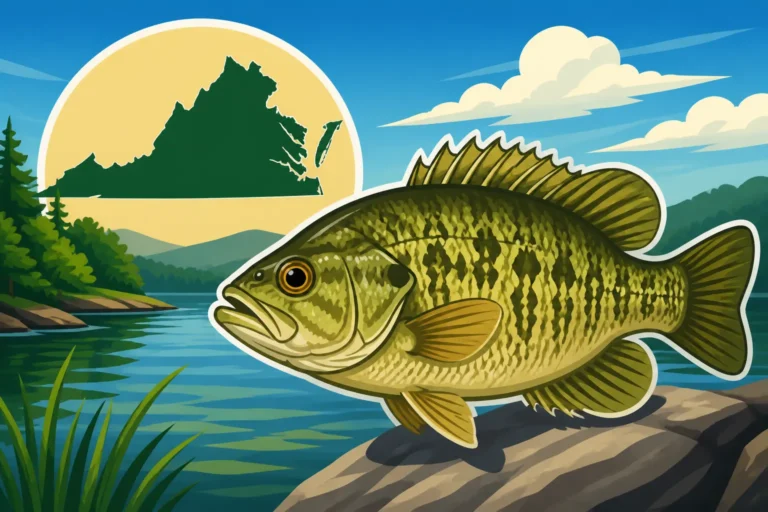
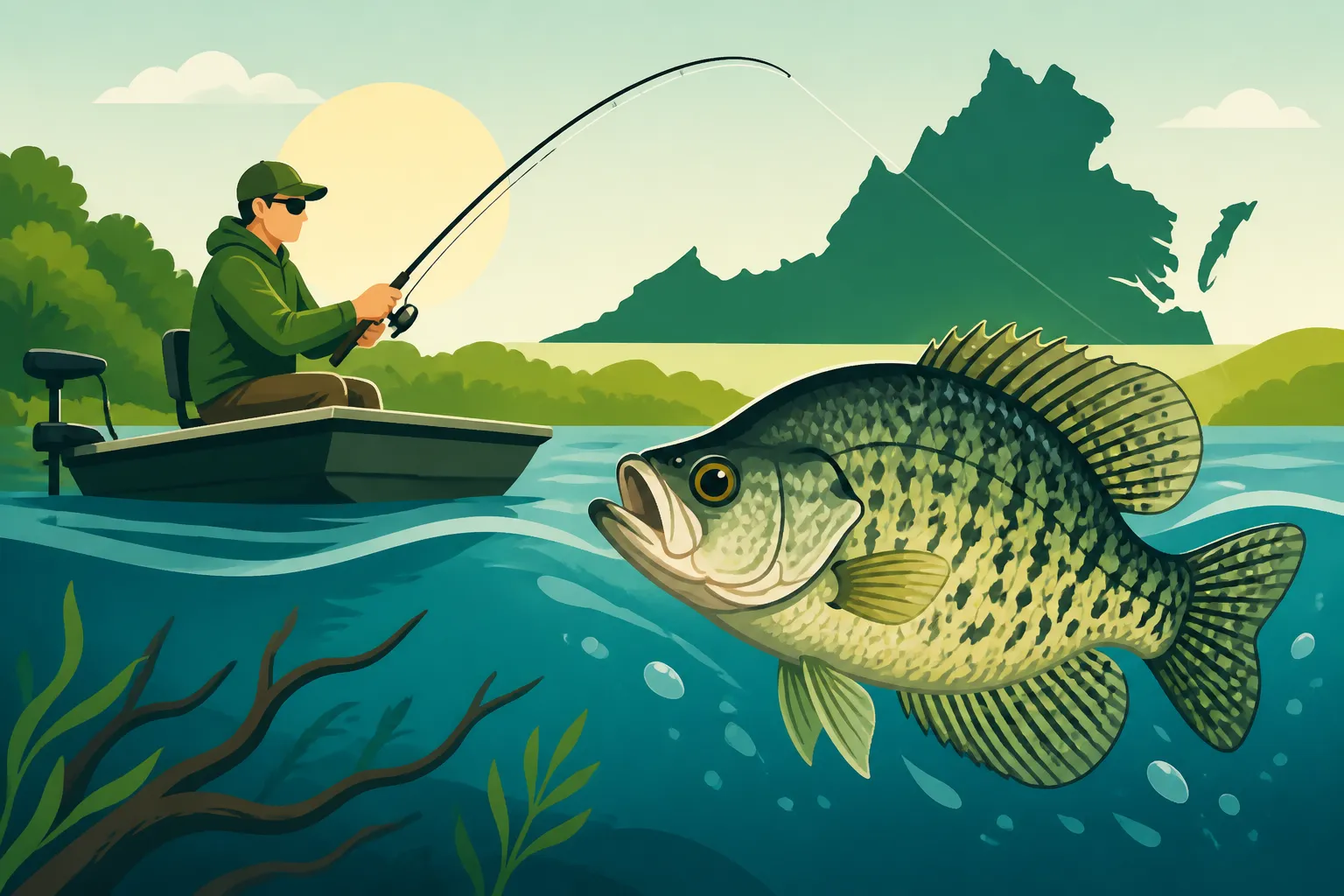
Both black and white crappie are fantastic panfish targets, known for their aggressive bites and delicious fillets. However, telling them apart can sometimes be a little tricky. The most reliable way to differentiate them is by counting the dorsal fin spines. Black crappie typically have 7 to 8 dorsal spines, while white crappie usually have 5 to 6. But let's be real, who's counting spines while they're on the water? A more visual cue is often the pattern. Black crappie tend to have a more random, speckled pattern of dark spots scattered across their body, almost like someone took a paintbrush and flicked it at them. They also have a deeper, more compressed body shape, appearing almost rounder than their white cousins.
White crappie, on the other hand, often display distinct vertical bars or stripes on their sides, though these can sometimes be faint depending on water clarity and the fish's mood. Their bodies are typically more elongated, with a sleeker profile. Black crappie generally prefer clearer, cooler waters with more vegetation, while white crappie are often found in slightly murkier, warmer waters, and can tolerate a wider range of conditions. Knowing this helps you narrow down your search. If you're fishing a clear reservoir with lots of hydrilla, you might focus on black crappie. If it's a muddy river, white crappie might be your primary target. For a deeper dive into distinguishing these fish, check out Crappie Identification: Black Crappie vs White Crappie in Virginia.
Where Crappie Call Home: Structure and Cover
Crappie are masters of hiding. They love structure and cover, which provides them with ambush points for prey and protection from predators. Think of it like their personal fortresses. This means you need to be looking for specific features both above and below the waterline. Submerged brush piles are absolute crappie magnets. These can be natural accumulations of fallen trees or man-made structures sunk by anglers or wildlife agencies. Standing timber, especially trees that have fallen into the water, also creates fantastic crappie habitat. The branches provide countless nooks and crannies for them to congregate.
Docks and piers are another prime location. The pilings and shaded areas underneath offer excellent cover. If you can find docks with brush piles beneath them, you've hit the jackpot. Bridge pilings and culverts are also good bets, as they disrupt current and create eddies where baitfish gather, drawing in crappie. Aquatic vegetation, like lily pads, cattails, and submerged grass beds, provides both cover and a food source for crappie's prey. During different times of the year, crappie will move from deeper, open water areas to these shallow structures. Understanding these patterns is key to consistently finding them. You might spend some time mapping out potential spots before you even cast a line, looking for signs of these underwater hideouts.
Essential Gear for Virginia Crappie Fishing
You don't need a boatload of expensive gear to catch crappie, but having the right tools for the job makes a world of difference. There's nothing more frustrating than having a bite and losing the fish because your tackle isn't up to par, or you can't feel the subtle taps. Let's talk about what you'll really need.
Rods, Reels, and Line: The Crappie Combo
When it comes to crappie fishing, subtlety and sensitivity are your best friends. That's why ultralight or light action spinning rods are often preferred. A rod in the 5 to 7-foot range with a fast or moderate-fast action will allow you to cast light jigs and baits effectively, while also being sensitive enough to detect those sometimes almost imperceptible crappie bites. Imagine a rod that bends easily at the tip but has enough backbone to handle a good-sized crappie – that's what you're looking for. You can find some excellent options for a great price on platforms like Amazon, making it easy to get started without breaking the bank.
Pair that rod with a small, lightweight spinning reel, typically a 500 or 1000 series, spooled with 4 to 6-pound test monofilament or fluorocarbon line. Monofilament is a bit more forgiving with stretch and good for beginners, while fluorocarbon offers less stretch and more sensitivity, which can be crucial when crappie are biting light. Some experienced anglers even go with braided line for maximum sensitivity, especially when fishing deeper water, but then you'd want to add a fluorocarbon leader. Remember, crappie have relatively soft mouths, so a heavy hand can tear the hook out. The lighter line and flexible rod help absorb the shock and keep them hooked.
Lures and Live Bait: What Crappie Crave
Crappie aren't particularly picky eaters, which is good news for anglers! You've got a lot of options when it comes to bait and lures. When it comes to artificial lures, small jigs are the undisputed kings. Think 1/32 to 1/8 ounce jigs, often tipped with tiny plastic bodies like grub tails, tubes, or small minnow imitations. Colors can vary based on water clarity and conditions – bright colors like chartreuse, pink, and orange often work well in murky water or on cloudy days, while natural colors like white, black, or grey shine in clear water. Experimentation is key! You can find multi-pack assortments of crappie jigs and soft plastics on Amazon, giving you a variety of options to test out.
Live bait is also incredibly effective, and sometimes, it's the only thing that will tempt finicky crappie. Small minnows are perhaps the most popular choice, fished either under a bobber or on a bare hook with a small split shot. Crappie absolutely love minnows, and the natural action can be irresistible. Worms, particularly small red wigglers or pieces of nightcrawlers, can also work, especially for smaller crappie and other panfish. When using live bait, remember that crappie will often mouth the bait before committing, so be patient and wait for the rod to load up before setting the hook. For more bait insights, take a look at Best Bait for Crappie Fishing in Virginia.
Proven Techniques for Catching Crappie
Knowing where crappie live and what they eat is a great start, but understanding how to present your offering is what truly makes the difference. Crappie aren't always aggressive, and sometimes you need a specific technique to coax them into biting.
Jigging and Trolling: Active Approaches
Jigging is a fundamental crappie fishing technique, especially when you've located a school of fish around structure. The basic idea is to vertically present a small jig or minnow-tipped jig right in front of the crappie's face. You can do this from a boat, kayak, or even from a pier. Drop your jig to the desired depth, then use subtle lifts and drops of your rod tip to give the lure a lifelike action. Think of it as imitating a struggling baitfish. The key is often a slow, methodical retrieve. Sometimes a slight quiver or pause is what triggers a strike.
Trolling is another excellent way to cover a lot of water and find active crappie, particularly in larger lakes. This involves slowly moving your boat while dragging multiple lines with jigs, small crankbaits, or minnow rigs at varying depths. Spider rigging, a popular form of trolling for crappie, involves using multiple long rods (sometimes up to 8 or 10) extended out from the boat, each with a different bait or lure. This allows you to present offerings at different depths and distances simultaneously. Once you find a depth or presentation that's getting bites, you can replicate it on your other rods. This can be especially effective for finding scattered schools of crappie in open water.
Slip Bobbers and Spider Rigging: Precision and Coverage
For those who prefer a more relaxed approach or are targeting specific pieces of cover, a slip bobber rig is incredibly effective. Unlike fixed bobbers, a slip bobber slides freely on your line, stopped by a small bobber stop knot. This allows you to precisely set your bait at any desired depth, regardless of how shallow the water you're casting into is. You can cast your bait well past a brush pile, let it settle to the precise depth you've chosen, and then slowly reel it back over the structure. This is fantastic for fishing around submerged timber or dock pilings where crappie are known to hold tight. The visual cue of the bobber dipping is also exciting, especially for new anglers or kids.
Spider rigging, as mentioned, is an advanced form of trolling that maximizes your coverage. Imagine a spider's legs reaching out in every direction; that's essentially what your rods are doing. This setup is particularly effective when crappie are spread out over flats or along channel edges, or when they are suspended at a specific depth over open water. By using different jig colors, sizes, or live bait options on each rod, you can quickly determine what the crappie prefer on any given day. It’s a bit more involved to set up than a single rod and reel, but the results can be well worth the effort, especially when you're trying to locate fish that aren't schooled up tightly. For more specific beginner tips, see Virginia Crappie Fishing Tips for Beginners.
Crappie Fishing Through the Seasons in Virginia
Crappie don't stay in the same spots all year, and their behavior changes dramatically with water temperature. What works in spring might not work at all in winter. Understanding these seasonal shifts is crucial for consistent success.
Spring Spawn Strategies: Shallow Water Gold
Spring is arguably the most exciting time of year for crappie anglers in Virginia, as the fish move shallow to spawn. As water temperatures climb into the 50s and 60s Fahrenheit, crappie migrate from their deeper winter haunts to protected coves, shallow flats, and vegetated areas. They're looking for firm bottoms, brush, or submerged timber to lay their eggs. This is when you'll find them in just a few feet of water, often tucked right against cover.
During the spawn, crappie can be very aggressive as they protect their nests, making them easier targets. Small jigs, particularly those in bright colors like chartreuse or white, pitched directly into brush or under docks, can be incredibly effective. Minnows under a slip bobber are also a deadly presentation. Focus on areas that warm up quickly, like north-facing banks or shallow coves that receive a lot of sunlight. The key is to fish slowly and thoroughly, exploring every piece of cover. This is the prime time for bank anglers and those in smaller boats or kayaks to really clean up. Remember that How to Jig for Crappie in Spring can give you even more detailed strategies.
Summer and Winter Adjustments: Deep and Challenging
Once the spawn is over and water temperatures rise into the 70s and 80s, crappie will largely abandon the shallows. In summer, they tend to move to deeper, cooler water, often suspending over channel edges, humps, or deep brush piles. Finding them can be more challenging, as they might be relating to structure in 15 to 30 feet of water. Electronics like fish finders become invaluable here, helping you pinpoint these deep schools. Vertical jigging directly over these schools or slow trolling with multiple lines are your best bets. Look for areas with a thermocline, as crappie will often stack up just above or within it. Consider How to Find Crappie in Summer for more strategies.
Winter presents another challenge, but it can also offer some fantastic fishing if you know where to look. As water temperatures drop into the 40s, crappie become much less active and school up tightly in deep water. They'll often be found near the bottom in channels, around deep timber, or in brush piles in 25 to 50 feet of water. Their bites will be incredibly subtle, often feeling like just a slight pressure or a tick on the line. Small, slow presentations are key – tiny jigs, ice fishing lures, or minnows fished on a dropshot rig can be effective. This is definitely a time when patience pays off. You might sit on a spot for a while before a school moves through and bites. Knowing How Deep Do Crappie Go in Winter is critical to success during this colder season.
Choosing Your Crappie Destination in Virginia
Virginia is blessed with an abundance of fantastic crappie fisheries, from sprawling reservoirs to winding rivers. Knowing which waters hold the most promise can save you a lot of guesswork and dramatically increase your chances of success.
Top Virginia Lakes for Crappie
Virginia boasts several lakes renowned for their crappie populations. One of the perennial favorites is Buggs Island Lake, also known as Kerr Reservoir. This massive body of water on the border with North Carolina offers incredible crappie fishing, particularly in its countless coves and creeks. Anglers frequently report fantastic catches of both black and white crappie here, especially in the spring and fall. The sheer amount of standing timber and brush piles provides endless crappie habitat.
Lake Anna is another popular destination, famous not just for its largemouth bass but also for its healthy crappie fishery. The warm waters near the power plant discharge can often hold active crappie even in cooler months. Look for crappie around the many docks, submerged brush, and bridge pilings throughout the lake. Smith Mountain Lake also offers a great crappie bite, especially in its shallower creeks and around deep water structure. You'll find good populations of both crappie species in these waters. Many anglers find it helpful to search for local hotspots online, even browsing fishing forums or product reviews on Amazon for clues about what specific baits are working best in particular lakes.
River Fishing for Crappie in Virginia
While lakes often get most of the attention, Virginia's rivers can also provide excellent crappie fishing opportunities, particularly in their slower, wider sections and tidal tributaries. The James River, especially in its lower, tidal reaches, holds strong populations of white crappie. Look for them around fallen trees, dock pilings, and bridge abutments where the current slows down. The Rappahannock River is another great option, with crappie often found in backwater coves and oxbow lakes off the main channel.
River crappie can be a bit more transient due to changing water levels and currents, so staying mobile and adapting to conditions is important. Target areas with minimal current flow, which crappie prefer. These spots often hold concentrations of baitfish, making them prime feeding grounds. Using lighter jig heads in rivers is often a good idea to avoid snagging on the bottom in flowing water. Exploring these river systems can lead to some surprisingly productive and peaceful crappie fishing trips. For a broader overview of crappie habitat, consider Crappie Fishing in Virginia.
Advanced Tips and Best Practices
So you've got the basics down, but what about those little things that set the truly successful crappie anglers apart? There are always ways to refine your approach and make your time on the water even more productive.
Reading the Water and Adjusting Your Approach
Crappie fishing isn't just about blindly casting; it's about reading the water and making smart adjustments. Pay attention to water clarity, temperature, and even the barometric pressure. After a cold front, for instance, crappie often become lethargic and move deeper, requiring a slower, more subtle presentation. If the water is muddy after a heavy rain, switching to brighter colored jigs or adding some scent to your bait might make a difference. The way light penetrates the water also matters; low light conditions at dawn and dusk often trigger more aggressive feeding.
Always be willing to experiment. If you're not getting bites with one color or retrieve, switch it up. Try different depths, different jig weights, or even different bait options. Sometimes, the crappie are focused on a very specific type of forage, and replicating that is key. Don't be afraid to move if a spot isn't producing. Crappie often school tightly, so if you're not getting bites, they simply might not be there. Being observant and adaptable are qualities that truly elevate a good crappie angler to a great one.
Conservation and Ethical Angling
As with any fishing, responsible practices ensure that we have healthy crappie populations for generations to come. Crappie are delicious, and keeping a limit for the dinner table is certainly part of the fun, but always be mindful of local regulations on creel limits and size restrictions. These rules are in place for a reason – to protect the fishery. A quick check of the Virginia Department of Wildlife Resources (DWR) website before you head out is always a good idea.
Consider practicing catch and release, especially for larger crappie. While crappie are generally prolific, the bigger fish are important breeders for the population. If you're going to keep fish, keep only what you'll eat, and release the rest gently. Handling fish minimally, using barbless hooks, and reviving them properly if they seem stressed can make a big difference in their survival rates. Leaving the fishing spot cleaner than you found it, packing out all your trash, and being respectful of other anglers and property owners are just basic courtesies that help keep our waters beautiful and accessible for everyone.
| Crappie Species | Key Identification | Preferred Habitat (General) | Peak Fishing Season | Common Baits/Lures |
|---|---|---|---|---|
| Black Crappie | Irregular dark spots, 7-8 dorsal spines, deeper body | Clearer water, abundant vegetation, cooler temps | Spring & Fall | Small jigs, minnows, tubes |
| White Crappie | 5-6 dorsal spines, faint vertical bars (sometimes), more elongated body | Murkier water, brush piles, tolerant of warmer temps | Spring & Fall | Small jigs, minnows, small crankbaits |
Disclaimer
This article is for general informational purposes only and does not constitute professional advice. Laws, prices and regulations vary by location and change over time. Consult a qualified professional for guidance on your specific situation.