Why Virginia’s Chesapeake Bay Tributaries Hold So Many Largemouth Bass
It can be incredibly frustrating to hear whispers about fantastic fishing spots, only to find yourself wondering why certain areas consistently produce more fish than others. If you're an angler in Virginia, you've likely heard tales of epic largemouth bass catches coming out of the Chesapeake Bay's numerous tidal tributaries. It's not just hype; these interconnected waterways are indeed prime real estate for big bass, and understanding why is key to unlocking their secrets. This guide is going to peel back the layers, explaining the unique ecological factors that make these rivers an absolute haven for largemouth bass.
The Tidal Advantage: A Unique Largemouth Bass Habitat
When we talk about the Chesapeake Bay tributaries, we're not just talking about any old rivers. These are tidal systems, meaning they're influenced by the ebb and flow of the ocean's tides, even many miles upstream. This constant movement of water, combined with a gradual transition from freshwater to brackish conditions, creates a dynamic and incredibly rich environment that largemouth bass absolutely thrive in. It's a complex dance of fresh and saltwater, creating a unique buffet and a perfect nursery for these popular game fish.
The Influence of Freshwater Inflow and Brackish Zones
Imagine a river starting way up in the mountains, collecting nutrients and sediment as it flows downstream. Then, as it gets closer to the Chesapeake Bay, it meets the salty embrace of the tide. This mixing zone, or "brackish water," is where the magic really happens. Largemouth bass, while primarily freshwater fish, are incredibly adaptable. They can tolerate a certain level of salinity, especially the younger, more robust fish. This adaptability means they can exploit the incredible food sources found in these brackish areas, which are often teeming with baitfish and crustaceans that wouldn't survive in purely freshwater environments.
The continuous influx of freshwater also brings a steady supply of nutrients, enriching the ecosystem and supporting a robust food web. This isn't just a slow-moving lake; it's a constantly refreshed system where food is plentiful. Think of it like a grocery store that's always getting new, fresh deliveries. The bass don't have to work too hard to find their next meal, which leads to healthier, faster-growing fish. For more on identifying these fish, check out How to Identify a Largemouth Bass in Virginia.
Abundant Structure and Cover
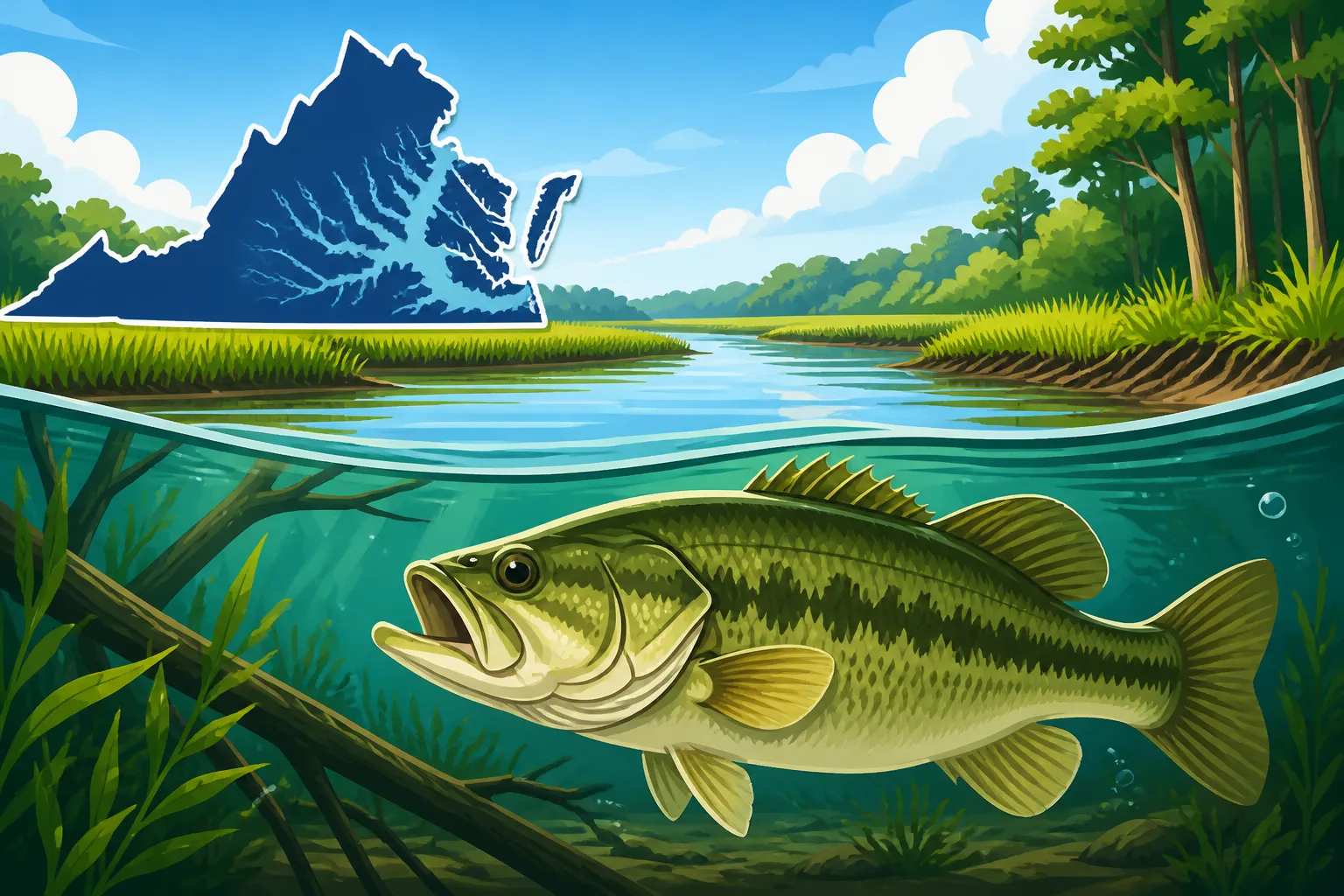
One of the biggest draws for largemouth bass in these tidal tributaries is the sheer amount and variety of structure and cover available. Bass are ambush predators; they love to hide and wait for an unsuspecting meal to swim by. These rivers offer everything a bass could dream of:
- Submerged vegetation: Hydrilla, milfoil, pondweed – these aquatic plants create dense underwater forests where bass can lurk, shaded from the sun and hidden from prey.
- Fallen timber and logjams: Old trees that have fallen into the water provide fantastic horizontal and vertical cover.
- Docks, piers, and pilings: Man-made structures offer shade, depth changes, and hard cover that bass will gravitate towards.
- Shoreline irregularities: Cut banks, points, coves, and submerged humps all create current breaks and ambush points.
- Oyster reefs and rock piles: In the more brackish areas, these hard structures provide cover and attract a variety of forage species.
This diverse range of hiding spots means bass can find comfortable homes regardless of water level, current, or time of day. Having so many options allows them to spread out and establish territories, leading to a healthy and widespread population throughout the tributary system. It's a veritable labyrinth of potential hideouts, making it an angler's paradise if you know how to read the water.
Forage Galore: A Never-Ending Buffet for Bass
A thriving bass population needs one crucial thing: food. And these Chesapeake Bay tributaries are absolutely bursting with it. The unique mix of fresh and brackish water creates a biodiversity hotspot, providing an incredibly rich and varied diet for largemouth bass, helping them grow big and strong. It's like an all-you-can-eat buffet that never closes, which is exactly what a top predator like a largemouth bass needs to flourish.
A Diverse Menu of Baitfish and Crustaceans
The blending of fresh and saltwater brings together species from both environments, resulting in a rich food chain. Imagine the variety of meals available to a bass here:
- Freshwater staples: Think about your classic shiners, minnows, and sunfish. These are abundant in the upper, fresher reaches of the tributaries.
- Brackish water specialties: As you move downstream, you'll encounter species like juvenile herring, anchovies, and various silversides, which thrive in the slightly salty conditions.
- Crustaceans: Blue crabs, shrimp, and crawfish are also on the menu, especially during certain times of the year, providing a protein-packed meal. Bass aren't picky when it comes to a good crab feast!
This constant supply of different forage fish and invertebrates means that bass always have something to eat, whether they're in the fresher upstream sections or closer to the Bay. This nutritional richness directly translates to impressive growth rates and robust bass populations. If you're looking for bait ideas, our guide on Best Bait for Largemouth Bass in Virginia can help.
Insect Life and Terrestrial Invertebrates
It's not just fish and crabs that fill a bass's belly. The riparian zones (the areas along the riverbanks) of these tributaries are incredibly productive. Insects, frogs, and even small rodents or snakes that accidentally fall into the water become opportunistic meals for hungry bass. Overhanging trees drop caterpillars, grasshoppers jump from the banks, and dragonflies zip across the surface, all potential snacks.
During certain times of the year, especially after heavy rains, worms and other terrestrial invertebrates get washed into the water, providing an easy feast. Anglers often mimic these natural food sources with soft plastics and topwater lures, which you can easily find on Amazon if your local tackle shop doesn't have the specific patterns you're looking for. This added layer of dietary diversity ensures that bass never go hungry, even if local baitfish populations fluctuate.
Major Tributaries: Largemouth Bass Hotbeds
Virginia is blessed with a network of incredible rivers that feed into the Chesapeake Bay, and many of them are legendary for their largemouth bass fishing. These aren't just small creeks; we're talking about significant river systems, each with its own unique characteristics, but all sharing the common thread of being fantastic bass habitats. Understanding these individual personalities can help you plan your next fishing adventure.
The James River System
The James River is perhaps one of the most iconic of Virginia's Chesapeake Bay tributaries, stretching hundreds of miles from the mountains to the Bay. Its tidal section, particularly near Richmond, is renowned for its largemouth bass. What makes the James so special?
- Vast size and varied habitat: The sheer length and width of the tidal James offer endless fishing opportunities, from shallow lily pad fields to deep channel ledges.
- Abundant cover: You'll find everything from cypress trees and submerged grass beds to rock pilings and dock structures.
- Strong current breaks: The tidal flow creates numerous current seams and eddies where bass can stage, especially around points and creek mouths.
- Proximity to urban centers: Its accessibility makes it a popular spot, yet it consistently produces quality fish. Many anglers rely on specific tackle, often purchased from Amazon for convenience, to tackle the James' varied conditions.
The James River isn't just a place to catch bass; it's an experience, steeped in history and natural beauty. It’s definitely one of the Best Fishing Spots in Virginia.
The Chickahominy River
Just a stone's throw from the James, the Chickahominy River often gets overshadowed but is a true gem for largemouth bass. This river is known for its slower, more meandering flow and incredible cypress swamps.
- Dense cypress stands: These ancient trees provide unparalleled shade and cover, creating perfect ambush points for bass.
- Expansive lily pad fields and grass beds: The river's calmer sections are often choked with vegetation, a bass angler's dream.
- Blackwater influence: The tannin-stained water, characteristic of many swampy rivers, can often make bass less wary, leading to more aggressive bites.
- Relative isolation: Compared to the James, parts of the Chickahominy feel wilder and less pressured, offering a more serene fishing experience.
For anglers who love to flip and pitch jigs or soft plastics into dense cover, the Chickahominy is an absolute playground. You might even find some specialized weedless hooks or soft plastic creature baits on Amazon that are perfect for this type of fishing.
The Potomac River (Virginia Side)
While often associated with Maryland, the Potomac River forms a significant portion of Virginia's northern border and is a world-class largemouth bass fishery. The tidal Potomac, especially the sections within Virginia's jurisdiction, is a tournament angler's dream.
- Massive grass flats: Submerged grass is king on the Potomac, providing vast areas for bass to hide, feed, and spawn.
- Consistent forage: The river's size and connection to the Bay ensure a steady supply of baitfish.
- Variety of depth and structure: From shallow flats to deep channels, bridge pilings to rocky outcrops, the Potomac has it all.
- Seasonal migrations: Bass in the Potomac undertake significant migrations, moving between the main river and its numerous creeks and coves depending on the season and water temperature.
Fishing the Potomac requires a good understanding of seasonal patterns and bass behavior, but the rewards can be truly spectacular, with many trophy-sized bass caught each year. You can learn more about this river system in Best Largemouth Bass Spots on the Potomac River, Virginia.
The Rappahannock River
Flowing through Fredericksburg and out to the Bay, the Rappahannock River's tidal sections are another fantastic location for largemouth bass.
- Diverse environments: The Rappahannock transitions beautifully from clearer, rockier upstream sections to wider, more vegetated tidal flats downstream.
- Good mixture of cover: You'll find plenty of docks, fallen trees, and lily pad fields, especially in the creeks and backwater areas.
- Consistent water flow: The river maintains good flow, which helps keep the water oxygenated and brings nutrients downstream.
Each of these rivers, while distinct, offers a similar promise: healthy, abundant largemouth bass populations ready to bite. Remember to always check Virginia Fishing Regulations Explained before heading out.
| Tributary Name | Key Characteristics | Best For | Notable Features |
|---|---|---|---|
| James River | Large, varied, strong tidal influence | Trophy bass, diverse techniques | Cypress trees, hydrilla beds, urban access |
| Chickahominy River | Slower flow, extensive cypress swamps | Flipping/pitching, calmer water angling | Blackwater, lily pads, less pressure |
| Potomac River | Massive grass flats, significant tidal influence | Tournament fishing, big numbers | Expansive vegetation, seasonal migrations |
| Rappahannock River | Diverse habitats, good current, good mix of structure | All-around bass fishing, scenic | Upstream rock to downstream vegetation, good flow |
Conservation and Management: Protecting Our Bass Legacy
It's easy to take for granted the incredible fisheries we have in Virginia, but the abundance of largemouth bass in the Chesapeake Bay tributaries isn't just by chance. It's the result of ongoing conservation efforts, smart management strategies, and the dedication of anglers and state agencies alike. These efforts ensure that these rivers remain productive and healthy for generations to come.
Sustainable Practices and Regulations
The Virginia Department of Wildlife Resources (DWR) plays a crucial role in monitoring fish populations, setting appropriate catch limits, and establishing seasons to protect bass during vulnerable times, like the spawn. For instance, understanding Virginia Fishing License Requirements for Residents and Nonresidents is the first step in contributing to these efforts, as license fees directly support conservation. These regulations aren't arbitrary; they're based on scientific data to ensure the long-term health of the fishery.
- Size and creel limits: These control the number and size of fish that can be harvested, protecting both young, growing fish and large, spawning adults.
- Seasonal restrictions: While not as common for largemouth bass as for other species, specific restrictions might apply to certain waters during sensitive periods.
- Habitat protection: Efforts to control pollution, prevent habitat destruction from development, and restore riparian buffers all contribute to a healthier environment for bass.
These rules ensure that while anglers can enjoy catching plenty of bass, the population itself remains robust and resilient.
Angler Education and Advocacy
A crucial part of conservation comes from the angling community itself. Responsible anglers understand the importance of catch-and-release, especially for larger breeding fish. They also participate in local clean-up efforts and advocate for policies that protect aquatic ecosystems. Many anglers share their knowledge and passion, teaching new generations about ethical fishing practices. Resources like fishing guides, which you can often find detailed reviews for on Amazon, often include sections on best practices for preserving the fishery.
By actively participating in conservation and following regulations, we all contribute to keeping these incredible bass factories thriving. Understanding How Fishing License Fees Support Wildlife Conservation in Virginia really drives home the importance of buying your license each year. It’s not just a piece of paper; it’s an investment in the future of our fishing. Whether you're a seasoned pro or just getting started, fishing in Virginia's Chesapeake Bay tributaries offers an unparalleled experience for largemouth bass enthusiasts. The blend of rich habitat, abundant food sources, and dedicated conservation efforts creates a truly special place to wet a line.
Disclaimer
This article is for general informational purposes only and does not constitute professional advice. Laws, prices and regulations vary by location and change over time. Consult a qualified professional for guidance on your specific situation.