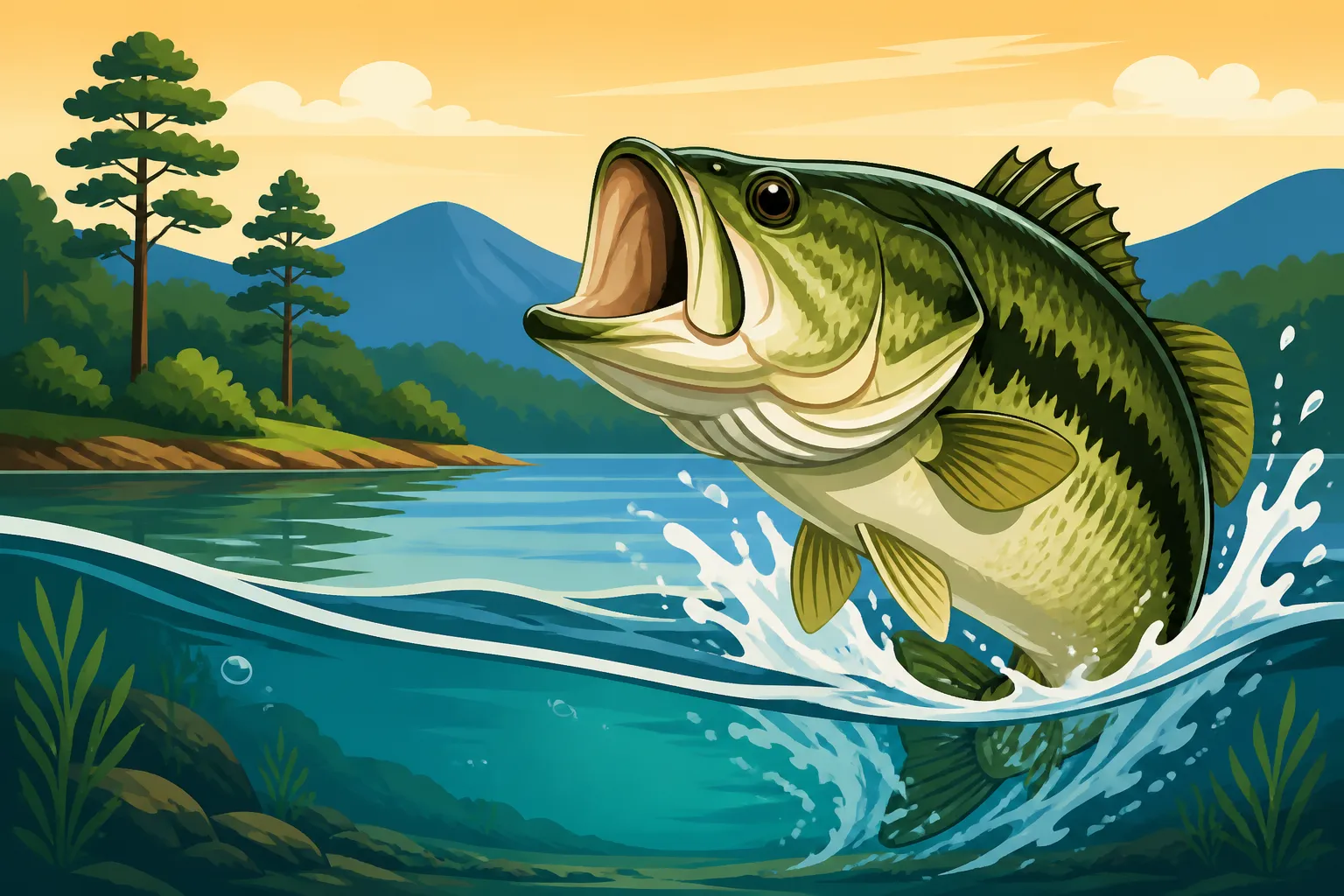
Why Smith Mountain Lake Grows Such Big Largemouth Bass
It’s a common frustration for bass anglers across Virginia: you hear tales of monster largemouth bass coming out of Smith Mountain Lake, and you can't help but wonder, "What's their secret?" It’s not just luck; there are fundamental ecological reasons why this particular lake consistently produces some of the biggest largemouth bass in the state, and understanding these factors can seriously up your game. This guide will dive deep into the unique environment of Smith Mountain Lake to reveal why it’s a true trophy bass factory.
The Perfect Habitat: A Bass Paradise in the Mountains
Smith Mountain Lake isn't just a pretty face in the Blue Ridge foothills; it's a meticulously crafted ecosystem that has, over decades, developed into an ideal home for largemouth bass. Its very design and natural characteristics work together to create an environment where these fish don't just survive, they absolutely thrive and grow to impressive sizes.
Deep, Clear, and Diverse Waters
Unlike some shallower, murkier impoundments, Smith Mountain Lake boasts incredibly diverse water conditions. You'll find expansive, open water with depths plummeting over a hundred feet, perfect for those times when bass go deep in search of cooler temperatures or schooling baitfish. But you also have countless coves, intricate creek arms, and submerged structures like old roadbeds, timber, and rock piles that offer incredible cover and ambush points. This variety means bass always have options, whether they're looking for a comfortable temperature, a shady spot to hide from the sun, or a prime location to ambush unsuspecting prey. The relatively clear water, especially in the main lake, also plays a role, allowing sunlight to penetrate deeper and support a robust aquatic food chain.
Anglers often get overwhelmed by the sheer size and complexity of Smith Mountain Lake, but that diversity is precisely why the bass here reach such impressive sizes. They aren't confined to a single type of habitat; they can move with the seasons and their feeding patterns, always finding optimal conditions. This adaptive freedom contributes significantly to their overall health and growth. If you’re ever curious about navigating these waters, a Smith Mountain Lake Fishing Guide can be an invaluable resource to help pinpoint these varied habitats.
Abundant Forage Base
A fish is only as big as its diet, right? And when it comes to groceries, Smith Mountain Lake offers a veritable buffet for largemouth bass. The lake is teeming with a rich and varied forage base that ensures bass have a constant supply of high-protein meals, fueling their rapid growth. The undisputed king of the forage here is the threadfin and gizzard shad. These schooling baitfish are packed with nutrients and are found in vast numbers, making them a primary food source for bass of all sizes, especially the larger ones.
Beyond shad, the lake also supports healthy populations of other panfish like bluegill and crappie, as well as a good number of crayfish. These provide crucial dietary variety and are especially important during different seasons when shad might be less accessible or bass are targeting different prey types. Imagine a largemouth bass that can consistently feed on large schools of protein-rich shad throughout the year – it's a recipe for rapid growth and substantial size. This plentiful and diverse food supply is arguably the single most important factor in Smith Mountain Lake's Trophy Largemouth Bass Fishery. When you're picking out lures, think about what these bass are eating. You can find a huge variety of shad imitations and crayfish lures on sites like Amazon, ready to trick those big fish.
Understanding the Lifecycle of a Smith Mountain Lake Largemouth
It's not just about what the lake provides; it's also about how the bass utilize these resources throughout their lives. The overall health and reproductive success of the bass population, combined with their strong growth rates, are key to developing those lunker largemouths we all dream of catching.
Spawning Success and Nursery Grounds
For a bass population to thrive and produce trophy-sized individuals, it needs successful spawning seasons year after year. Smith Mountain Lake provides ample opportunities for largemouth bass to reproduce effectively. The lake features countless shallow coves, protected pockets, and areas with submerged vegetation or woody debris that serve as ideal spawning grounds. These protected areas offer security for nesting bass, protecting their eggs and fry from predators and harsh weather conditions.
Once hatched, the young bass find refuge and abundant micro-forage in these same nursery grounds, allowing them to grow quickly during their vulnerable early stages. A strong year-class of healthy young bass means more fish will survive to adulthood, and a percentage of those will continue to grow into true giants. It's a testament to the lake's ecosystem that it can sustain such robust reproductive cycles, ensuring the next generation of big bass is always on its way. Understanding Bass Spawn Timing on Virginia Lakes can give you an edge in targeting pre-spawn and post-spawn bass.
Growth Rates and Longevity
What really sets Smith Mountain Lake apart is not just that bass reproduce well, but that they grow big and live long. The combination of a fantastic food source, excellent habitat, and generally stable water conditions means that individual largemouth bass here grow faster than in many other fisheries. Instead of reaching their maximum size and then declining, they continue to put on weight for many years.
Factors like ideal water temperatures for metabolism, low fishing pressure on younger fish (allowing them to mature), and excellent water quality all contribute to this accelerated growth and extended lifespan. A bass that lives longer and grows consistently will naturally have a much better chance of becoming a true trophy. It’s a joy for anglers to know that the fish they release have a real shot at becoming even bigger next time around. You might be interested to know How Big Do Largemouth Bass Get at Smith Mountain Lake?.
Angler Strategies: Fishing for Smith Mountain Lake's Giants
Knowing why Smith Mountain Lake grows big bass is one thing; actually catching them is another! But understanding the ecological advantages can definitely inform your approach and improve your chances of hooking into one of those legendary lunkers.
Seasonal Approaches and Techniques
Fishing for largemouth bass on Smith Mountain Lake is a year-round affair, but the most successful anglers adapt their techniques to the seasons. In the spring, during the pre-spawn and spawn, bass move into shallower coves and flats, making them more accessible. This is a prime time for throwing spinnerbaits, crankbaits, and soft plastics around docks and submerged cover. As the water warms into summer, bass often retreat to deeper, cooler waters, congregating around main lake points, ledges, and deep brush piles. This is when deep-diving crankbaits, jigging spoons, and Texas-rigged worms become incredibly effective. Finding the right electronic gear to identify deep structures can be really helpful, and you can explore options for fish finders on Amazon.
Come fall, the bass start to feed aggressively as they prepare for winter, often chasing shad schools in the backs of creeks and along main lake humps. Topwater lures, jerkbaits, and squarebill crankbaits can be deadly during this "fall turnover" period. Even in winter, when many anglers put away their gear, Smith Mountain Lake can offer fantastic fishing for big bass that stack up in deep channels and around warmer structures like the dam. Slow-rolling spinnerbaits, jigs, and suspending jerkbaits are key tactics then. For a deeper dive into seasonal tactics, consider exploring How to Catch Largemouth Bass Year-Round.
Gear and Tackle for Big Bass
When you're targeting trophy largemouth bass, your gear needs to be up to the task. Smith Mountain Lake's big bass are powerful, and they often live around heavy cover, so light tackle just won't cut it if you want to land them consistently. A good medium-heavy to heavy action casting rod, paired with a reliable baitcasting reel spooled with strong fluorocarbon or braided line, is essential. Fluorocarbon lines, especially in the 15-20lb range, offer good abrasion resistance and low visibility, which can be critical in the lake's clearer waters.
Lure selection should also reflect the size of the bass and their primary forage. Larger crankbaits, substantial jigs, and big soft plastics that mimic shad or larger bluegill will often entice the biggest fish. Don't be afraid to throw "big baits for big fish." Having a variety of lure sizes and colors, especially those imitating shad, will prepare you for any situation. For those times you need to stock up on specialized gear, whether it's heavy-duty fluorocarbon leaders or those perfectly weighted jigs, checking retailers like Amazon can be a convenient way to get what you need delivered right to your door.
| Factor | Contribution to Big Bass | Details |
|---|---|---|
| Habitat Diversity | High | Deep channels, shallow coves, varied cover (rock, wood, docks); provides year-round comfort and ambush. |
| Forage Abundance | Very High | Massive populations of shad (threadfin, gizzard), healthy bluegill, crappie, and crayfish populations. |
| Water Quality | High | Clear, well-oxygenated water supports healthy fish and strong food chains. |
| Spawning Success | High | Numerous protected coves and shallow areas ensure high survival rates for eggs and fry. |
| Growth Rates | High | Optimal conditions lead to rapid growth and a long lifespan for individual bass. |
| Fishing Pressure (on young) | Moderate | Allows a good percentage of fish to reach maturity and grow to trophy size before being heavily targeted. |
So, there you have it. Smith Mountain Lake isn't just a randomly good fishing spot; it's a perfect storm of environmental factors that conspire to grow some truly massive largemouth bass. From its deep, clear waters and abundant forage to its successful spawning grounds and sustained growth rates, every aspect of this Virginia gem seems tailor-made for producing trophy fish. Understanding these elements won't just satisfy your curiosity; it might just help you land your next personal best. Now get out there and enjoy the incredible fishery that is Smith Mountain Lake!
Disclaimer
This article is for general informational purposes only and does not constitute professional advice. Laws, prices and regulations vary by location and change over time. Consult a qualified professional for guidance on your specific situation.