Where to Catch Channel Catfish in Virginia
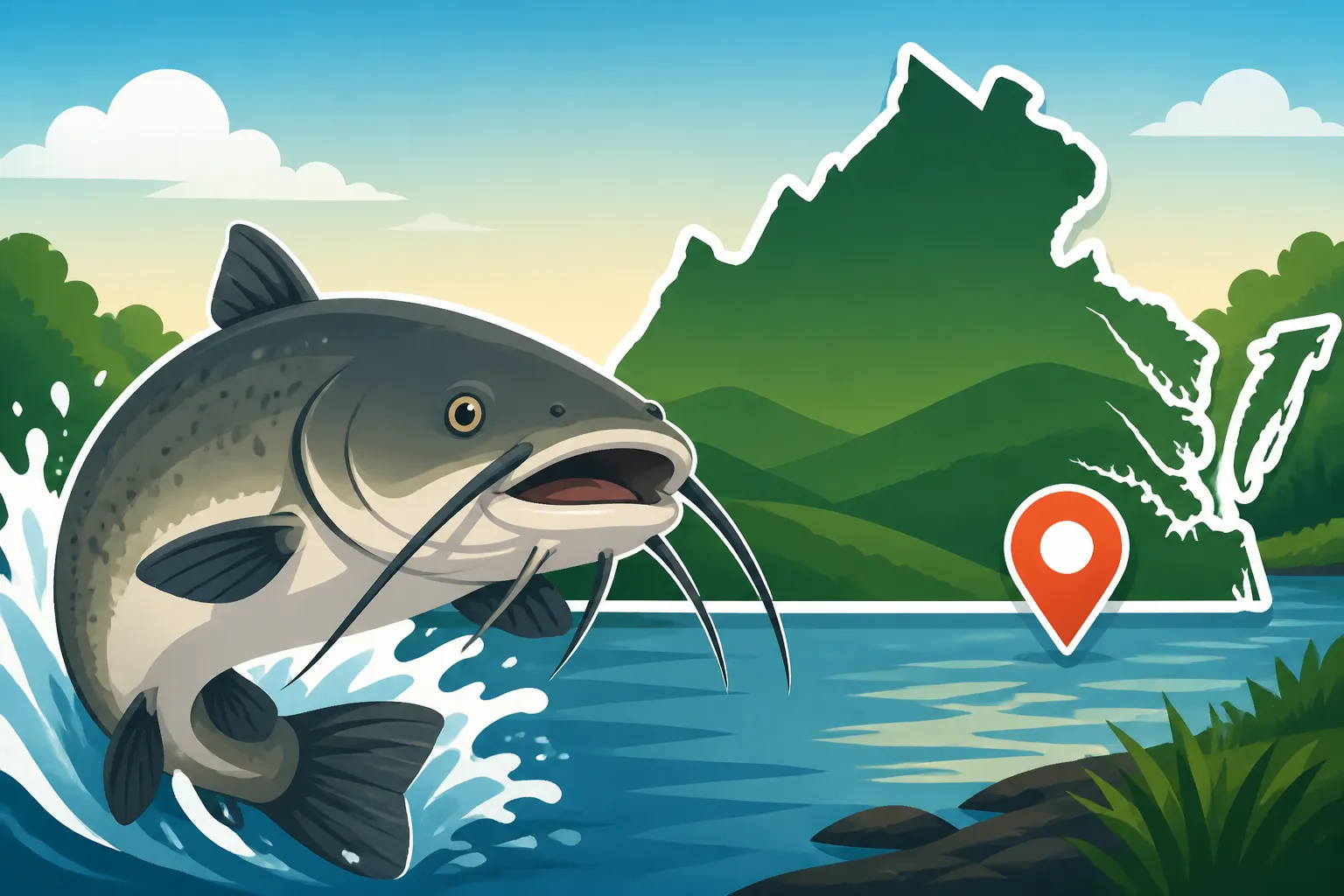
It can be incredibly frustrating when you're itching to feel that tug on your line, knowing there are fish out there, but you just can't pinpoint where to find them. Especially when you're after a particular species like the ever-popular channel catfish, it feels like they're playing hide-and-seek. Well, you're not alone in that quest! This guide is here to unravel the mystery of finding channel catfish in Virginia, diving deep into their preferred haunts and giving you the insider scoop on where these whiskered wonders like to hang out.
The Elusive Channel Catfish: Understanding Their Virginia Habitat
Before we dive into specific locations, it’s really helpful to understand a bit about what makes a channel catfish tick. These aren't just random swimmers; they have preferences, just like us! Knowing their habits can turn a frustrating day of casting into a successful outing. Virginia offers a fantastic array of waters for these fish, from broad, slow-moving rivers to vast, deep lakes, and the channel cat has adapted to thrive in all of them.
What Makes a Spot a "Catfish Haven"?
Channel catfish, often celebrated for their tenacious fight and delicious table fare, are true opportunists when it comes to habitat. They aren't particularly finicky, but they do gravitate towards certain conditions. Think about areas with a good amount of structure: submerged logs, rock piles, old bridge pilings, or even ledges and drop-offs. These spots offer cover from predators, a place to ambush prey, and often, a slight current that brings food right to them. Murky water is often a friend to the channel cat, as it helps conceal them and they rely heavily on their sense of smell and touch rather than sight. Deeper holes, especially those adjacent to shallower feeding flats, are also prime real estate. If you’re scouting a new spot, look for these features, and you’ll likely be on the right track. Often, you can find a lot of useful equipment for exploring these areas, like fish finders or detailed maps, on a platform like Amazon.
Seasonal Movements and Feeding Patterns
Just like any other fish, channel catfish don't stay in one place all year long. Their movements are largely dictated by water temperature and their natural urge to spawn and feed. In the spring, as water temperatures rise, they'll start moving from deeper wintering holes into shallower areas to feed and eventually spawn. Look for them around rocky banks, rip-rap, and woody debris in these warmer months. The summer sees them settling into their routine, often holding in slightly deeper water during the heat of the day, then moving into shallower feeding flats or current breaks as dusk approaches and throughout the night. This is a fantastic time for How to Catch Catfish at Night. As fall rolls around and waters cool, they’ll start to move back towards deeper holes, gorging themselves in preparation for winter. During the coldest months, they typically congregate in large schools in the deepest parts of rivers and lakes, becoming less active but still catchable if you present your bait directly to them. Understanding these shifts is key to knowing where to cast your line.
Top Virginia Rivers Where Channel Catfish Thrive
Virginia is blessed with an incredible network of rivers, many of which are teeming with channel catfish. These waterways offer diverse environments, from swift currents to slow, meandering stretches, providing ample opportunities for anglers.
The James River: A Catfish Powerhouse
The James River is legendary among Virginia anglers, and for good reason—it's absolutely bursting with catfish, including some truly monstrous specimens. From the tidal stretches near Richmond all the way up through more central Virginia, the James offers phenomenal fishing. Downriver, particularly in the tidal sections, channel catfish thrive in the nutrient-rich, often turbid waters. Look for them around deep bends, submerged structures like fallen trees and old docks, and especially where smaller creeks feed into the main river, bringing with them a bounty of food. The currents here are often moderate, providing a perfect balance for catfish to hold position and ambush prey. Upriver, away from the tidal influence, the James maintains excellent populations, particularly in pools and slower-moving stretches. Knowing Best Catfish Holes on the James River can give you a significant advantage. Bank access is plentiful in many areas, making it a great spot for those without a boat, and plenty of folks have success with How to Catch Channel Catfish From the Bank here.
Potomac and Rappahannock: Tidal River Treasures
Much like the James, Virginia’s portions of the Potomac and Rappahannock rivers are fantastic for channel catfish, especially in their expansive tidal zones. These rivers are characterized by their wide, slow-moving sections and vast areas of mudflats, submerged vegetation, and oyster beds. Channel cats here grow large and healthy, feasting on the abundance of prey. On the Potomac, focus your efforts around deeper channels, points, and anywhere you find significant structure. Around the Fredericksburg area on the Rappahannock, you’ll find similar conditions, with deep holes and current breaks being prime targets. The key in these tidal rivers is often to fish during periods of moving water, particularly the incoming or outgoing tide, as this concentrates baitfish and triggers the catfish’s feeding instincts. Remember, having a solid fishing license, like those described in the Virginia Fishing License Guide, is crucial regardless of where you cast your line.
Smaller Tributaries and Their Hidden Gems
Don't overlook the smaller rivers and creeks that feed into Virginia's larger waterways. Rivers like the Appomattox, the Chickahominy, and even some lesser-known streams can hold incredible numbers of channel catfish, especially in their lower reaches. These smaller waters often offer more intimate fishing experiences, sometimes with less pressure than the major rivers. Look for deeper pools, slow eddies, and areas with plenty of fallen timber. The catfish in these tributaries might not always reach the behemoth sizes of their main-river cousins, but they are often plentiful and eager to bite. Access might be more limited to bank fishing or smaller boats like kayaks, but the rewards can be well worth the effort. It's often where you'll find those quiet spots where you can really enjoy the tranquility of fishing.
Virginia's Best Lakes and Reservoirs for Channel Cats
While rivers are renowned for their current-loving catfish, Virginia's lakes and reservoirs also hold incredible populations of channel catfish, offering different challenges and rewards for anglers. These impoundments can produce some truly impressive fish, often in vast, open waters.
Lake Anna and Buggs Island Lake (Kerr Reservoir): Big Water, Big Fish
When it comes to big impoundments, Lake Anna and Buggs Island Lake (which many know as Kerr Reservoir) are prime destinations for channel catfish. Lake Anna, with its sprawling main lake and numerous coves, provides a diverse habitat. Catfish will often congregate around the deeper channels, creek beds, and the many ledges and points. The warm waters, particularly in the summer, can really activate their feeding. Many anglers have incredible success targeting Best Catfish Fishing Spots on Lake Anna, Virginia by finding these deeper transitions.
Buggs Island Lake, or Kerr Reservoir, is another behemoth, straddling the Virginia-North Carolina border. This massive body of water is famous for its catfish, including some truly trophy-sized channel cats. The lake is essentially a flooded river system, so focusing on the old river and creek channels, especially where they intersect with submerged timber or rock piles, is a winning strategy. Areas around the main lake points and humps can also be productive. The sheer size of Buggs Island means there's always a new spot to explore, and dedicated anglers who understand Best Catfish Fishing Spots on Buggs Island Lake often find incredible success here.
Smith Mountain Lake and Claytor Lake: Deep Water Opportunities
Even clear, deep lakes like Smith Mountain Lake and Claytor Lake offer excellent channel catfish fishing, though the approach might differ slightly from the muddier tidal rivers. While famous for their bass and stripers, these lakes also hold healthy populations of channel catfish. On Smith Mountain Lake, look for channel cats in the deeper sections of the lake, particularly in the river arms (Roanoke and Blackwater) where the water might be a bit more stained, or around the mouths of creeks. They will often relate to submerged timber, humps, and deep ledges. Similarly, Claytor Lake offers robust catfish opportunities. Here, the channel cats are often found near the old river channel, deep points, and structured areas like bridge pilings or rock slides. In these deeper, clearer lakes, often fishing at night or during low light conditions can be exceptionally productive, as the catfish feel more comfortable moving into shallower feeding areas under the cover of darkness. This kind of fishing often benefits from a good headlamp, which you can easily pick up on Amazon.
Stocked Ponds and Community Lakes
Don't forget the smaller, often overlooked, ponds and community lakes scattered across Virginia. Many of these waters are managed by local parks and recreation departments or are privately owned, and a surprising number are stocked with channel catfish. These can be fantastic spots for a quick trip, a family outing, or for beginners. They typically offer easy access, and the catfish can be quite concentrated. While you might not pull out a state record, these spots provide consistent action and are perfect for honing your skills. Always check local regulations for specific ponds, as some may have different rules or require special permits. Often, these smaller bodies of water can be among the Best Fishing Spots Open Year-Round in Virginia for a relaxed day on the water.
Essential Techniques and Baits for Catching Virginia Channel Catfish
Now that you know where to look, let's talk about how to catch them. Channel catfish aren't typically picky eaters, but certain baits and techniques will undoubtedly increase your chances of success. They primarily use their keen sense of smell and touch to locate food, making scent a critical factor.
The Best Baits: From Stink Baits to Cut Bait
When it comes to channel catfish, it's often about making a stink—literally! Stink baits are incredibly popular and effective. These can be homemade concoctions or commercially prepared baits, often sold in tubs or dip worms. These baits release a strong odor that catfish can detect from a distance. Another fantastic option is cut bait. This involves cutting up smaller fish like shad, bluegill, or even hot dogs or chicken livers. The natural oils and blood from the cut bait are irresistible to catfish. A lot of anglers swear by chicken livers, even though they can be a bit messy to work with. Earthworms, especially a big wad of nightcrawlers, are also perennial favorites, particularly in smaller streams and ponds. For those who want convenience, buying a variety of these baits from Amazon beforehand can save you a trip to the local tackle shop on your way to the water.
Here's a quick comparison of some popular baits:
| Bait Type | Description | Pros | Cons | Ideal Use |
|---|---|---|---|---|
| Stink Bait | Strong-smelling paste or dip bait | Highly attractive, easy to use | Can be messy, less durable | Still or slow-moving water, targeting active fish |
| Cut Bait | Pieces of smaller fish (shad, bluegill) | Natural scent, durable on hook | Requires baitfish, can be messy | Rivers & lakes, targeting larger cats |
| Chicken Livers | Fresh or marinated chicken livers | Very strong scent, easily accessible | Very soft, falls off hook easily | Still or slow water, bank fishing |
| Nightcrawlers | Large earthworms | Natural, attracts various fish | Can be costly, smaller pieces if cut | All waters, general catfish fishing |
| Prepared Baits | Commercial dough balls, pre-scented nuggets | Clean, easy to use, long shelf life | Less potent than fresh bait | Casual fishing, smaller ponds |
This table highlights just a few options, but the key is to experiment and find what the catfish in your particular fishing spot are biting on. Best Bait for Channel Catfish in Rivers and Lakes will often vary by location and time of year.
Rigging Up for Success: Rods, Reels, and Lines
You don't need highly specialized gear to catch channel catfish, but having the right setup can make a huge difference. A medium-heavy to heavy action spinning or baitcasting rod, about 6.5 to 7.5 feet long, is a good starting point. Pair this with a reliable reel spooled with 12-20 pound monofilament or braided line. Braided line offers superior sensitivity and strength, which can be a real asset when fishing in snaggy areas. For most situations, a simple Carolina rig or a three-way swivel rig works wonders. The Carolina rig involves a sliding sinker above a swivel, with a leader (usually 1-3 feet long) tied to a hook. This allows the fish to pick up the bait without feeling the weight of the sinker. Hooks should be stout and sharp, typically ranging from a 2/0 to 5/0 circle hook, which is excellent for reducing gut-hooking. You can find a vast selection of these rods, reels, and tackle components on Amazon, often with great reviews from other anglers.
Day vs. Night: When to Target Channel Catfish
Channel catfish are often more active during low-light conditions and at night, especially during the warmer months. This is when they move into shallower water to feed, feeling more secure under the cloak of darkness. Many anglers specifically target them after the sun goes down, as this can lead to some truly epic catches. However, that doesn't mean you can't catch them during the day! During daylight hours, they tend to retreat to deeper holes, heavy cover, or shaded areas. Night Fishing Techniques often involve using glow-in-the-dark baits or tackle, and making sure you have good lighting for yourself. Early morning and late evening can also be incredibly productive transition periods. The best advice is to experiment with different times of day in your chosen location to see when the bite is hottest.
No matter where or when you decide to chase channel catfish in Virginia, the thrill of the fight and the satisfaction of a successful catch are truly rewarding. Understanding their habits, knowing their preferred spots, and employing effective techniques will put you well on your way to a memorable fishing adventure. Happy fishing!
Disclaimer
This article is for general informational purposes only and does not constitute professional advice. Laws, prices and regulations vary by location and change over time. Consult a qualified professional for guidance on your specific situation.