Claytor Lake’s Big Flathead Catfish
There's nothing quite like the thrill of feeling a truly massive fish on the end of your line, especially when you're battling one of Virginia's biggest freshwater predators. Many anglers dream of landing a trophy flathead catfish, but actually finding and hooking one, particularly the giants lurking in a lake like Claytor, can feel like trying to solve a complex puzzle. This comprehensive guide will dive deep into everything you need to know about targeting and successfully reeling in those impressive flathead catfish from Claytor Lake, covering their habits, the best places to find them, and the techniques that truly work.
Understanding Claytor Lake's Flathead Catfish Population
Claytor Lake, nestled in the scenic New River Valley, isn't just known for its beautiful views; it's a real hotbed for some truly impressive freshwater fish, and the flathead catfish here are no exception. These aren't your average backyard pond dwellers. We're talking about robust, powerful fish that can test your tackle and your patience. Knowing what makes them tick in this specific environment is your first step toward a successful outing.
Why Claytor Lake is a Flathead Haven
Claytor Lake’s unique characteristics make it an ideal habitat for flathead catfish to thrive and grow to substantial sizes. It’s a hydroelectric impoundment on the New River, and that riverine influence is key. Flatheads, by nature, prefer moving water and structured environments. Claytor Lake offers plenty of both, from its varying depths to its submerged timber and rock formations. The New River itself provides a constant influx of nutrients and a diverse forage base, which means these catfish have an abundance of food to grow big and strong. We're talking about a healthy population of baitfish like shad, sunfish, and even smaller catfish, all of which contribute to the flathead's impressive growth rate. This isn't a place where flatheads just survive; they truly prosper, and that's why you hear so many tales of monster fish coming out of these waters. Claytor Lake's Diverse Virginia Fish Species Guide offers more insights into the incredible variety of fish you'll find here.
Identifying Claytor Lake Flatheads
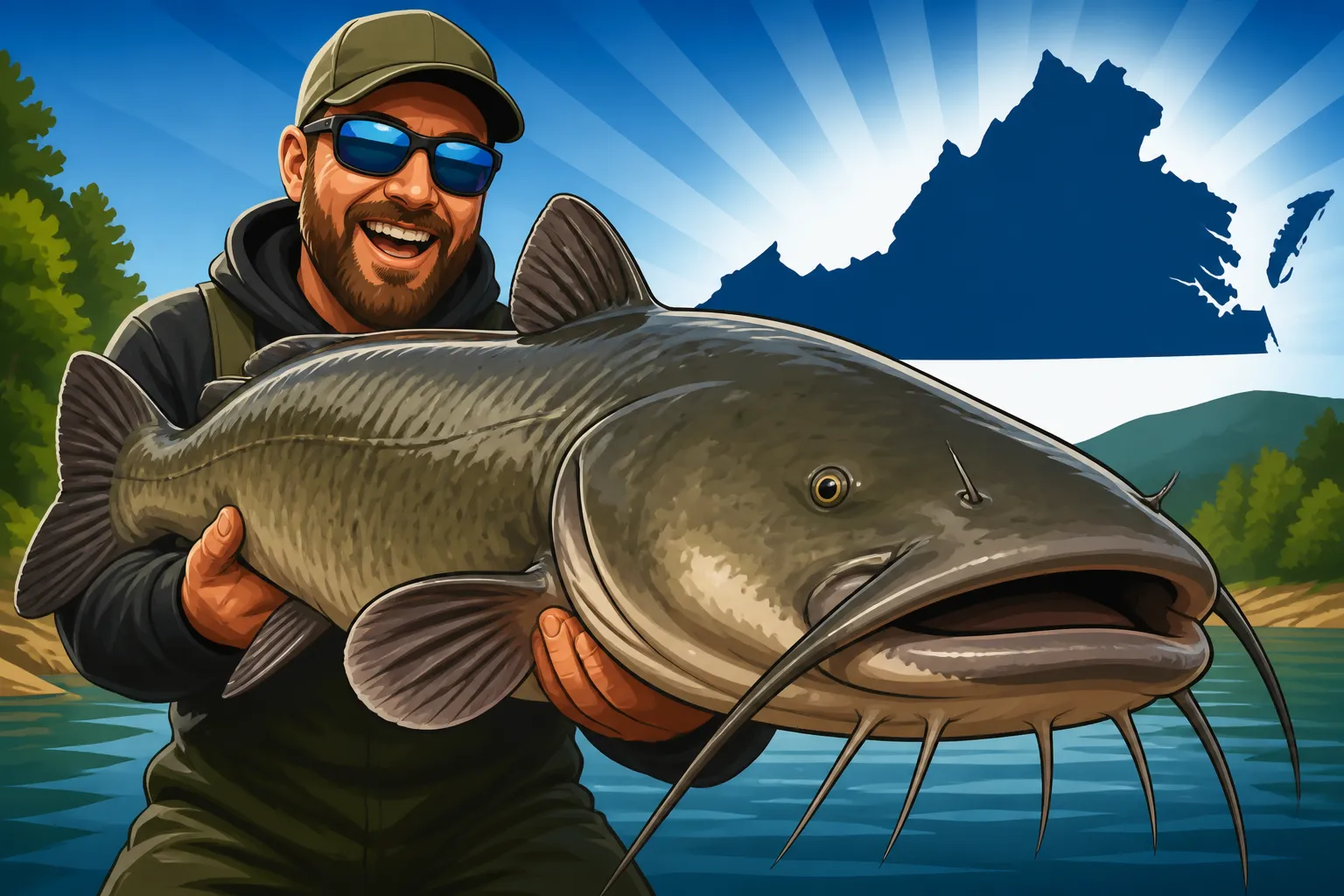
When you hook into something heavy, you want to be sure it's a flathead and not another species, especially if you're aiming for that specific catch. Flathead catfish have several distinct features that set them apart from their channel or blue catfish cousins. Their heads are, as the name suggests, noticeably flattened and broad. They have a distinctly mottled, yellowish-brown to olive-green coloration, often with darker spots and blotches that help them camouflage perfectly against the lakebed or submerged timber. Their lower jaw protrudes slightly beyond the upper jaw, giving them a grumpy, determined look. Unlike channel catfish with their deeply forked tails, flatheads have a square or slightly emarginate (minimally indented) tail fin, which is another telltale sign. Their small, beady eyes are also set on top of their head. Understanding these visual cues can help you quickly confirm your catch and appreciate the distinct nature of this powerful predator.
Where to Find Claytor Lake's Flathead Catfish
Flatheads are ambush predators, meaning they love to hide and wait for their prey to swim by. This behavior dictates where you should focus your efforts on Claytor Lake. They aren't going to be cruising in open water like a striped bass. Instead, they're typically nestled deep within cover, waiting for the perfect moment to strike. Understanding their preferred habitats is crucial for increasing your chances of a hook-up.
Flathead Hotspots and Structures
On Claytor Lake, flatheads gravitate towards specific types of underwater structures. Think about areas with significant depth changes, like sharp drop-offs, ledges, and deep creek channels. These provide them with both comfort and strategic ambush points. Submerged timber, old roadbeds, and bridge pilings are absolute magnets. These features offer shade, current breaks, and plenty of hiding spots. If you have a fish finder, look for large, isolated pieces of cover in deeper water, especially near areas where baitfish might congregate. Deep holes downstream from current breaks, where the New River's flow has carved out depressions, are also prime real estate. The deeper sections of the lake, particularly those with plenty of structure, are where the biggest flatheads often hold up, waiting patiently. Many anglers explore Claytor Lake Fishing Spots and Tips for more specific locations and insider information.
Seasonal Movements and Patterns
Flathead catfish, like most fish, have seasonal patterns that influence their location and feeding behavior. In the warmer months, during late spring and summer, flatheads are typically more active and feed aggressively. They'll often be found in slightly shallower areas at night, moving onto flats or shallower points adjacent to deep water to hunt. During the day, they'll retreat back to their deep, shaded cover. As fall approaches, they'll often feed heavily in preparation for winter, sometimes moving into deeper main lake channels. In winter, their metabolism slows down, and they'll hold in the deepest, most stable water they can find, often in large schools in the main river channel or deep holes, becoming much less active. Understanding these broader patterns can help you adjust your fishing strategy throughout the year, ensuring you're fishing the right spots at the right time for these elusive giants. Virginia Fishing Seasons Explained can give you a broader overview of how different fish behave throughout the year.
| Season | Preferred Depth | Typical Activity Level | Prime Time to Fish | Key Strategy |
|---|---|---|---|---|
| Spring | Transition from deep to mid-depths | Moderate to High | Evening/Night | Targeting creek channels, points near spawning areas |
| Summer | Deep cover during day, shallower at night | High | Night | Focus on submerged timber, deep ledges |
| Fall | Mid-depths, main river channel | Very High (feeding frenzy) | Day/Evening | Structure fishing near abundant baitfish |
| Winter | Deepest holes, main river channel | Low | Mid-day (warmer spells) | Slow, methodical presentations in deep water |
Top Techniques and Baits for Claytor Lake Flatheads
Successfully catching a big flathead on Claytor Lake demands specific techniques and, perhaps most importantly, the right bait. These fish are not typically scavengers; they prefer fresh, live bait and will often ignore dead offerings. This means your approach needs to be active and targeted, focusing on presenting irresistible meals directly to their hiding spots.
Live Bait is King
When it comes to flathead catfish, live bait is almost always the best choice. These fish are true predators and prefer to hunt. For Claytor Lake's big flatheads, think about hearty, lively baitfish that can withstand being on a hook for a while and put out plenty of vibrations. Sunfish (like bluegill or redear sunfish), shad, and even small carp or suckers are excellent options. Make sure your bait is legal to use and locally sourced, if possible, to prevent the spread of invasive species. Hook your live bait through the back, just behind the dorsal fin, or through the lips. This allows them to swim naturally and attract attention. You'll want to use strong, sharp circle hooks to ensure a good hookset without deep-hooking the fish, making for an easier release if you're not keeping your catch. You can find a wide variety of these essential hooks and heavy-duty line on Amazon.
Effective Rigs and Tackle
To land a Claytor Lake flathead, you need tackle that can handle the fight. Forget your panfish rod and reel; you'll need heavy-duty gear. A stout casting rod, 7 to 9 feet long with a heavy or medium-heavy action, paired with a robust baitcasting reel capable of holding a substantial amount of heavy monofilament or braided line is essential. Many anglers prefer braided line for its strength and sensitivity, typically in the 50-80 pound test range, especially when fishing near abrasive structures like rocks and timber. A Carolina rig (often called a sliding sinker rig) is a popular and effective choice for flatheads. This rig uses an egg sinker or similar weight sliding freely on the main line, a heavy swivel, and a strong leader (20-40 pound test fluorocarbon or monofilament) about 18-24 inches long, ending with a large, strong circle hook. The sliding sinker allows the fish to pick up the bait without feeling immediate resistance, which can spook them. Make sure all your knots are tied meticulously – a flathead will find any weakness!
Patience and Persistence
One of the biggest frustrations, but also one of the greatest virtues in flathead fishing, is patience. These fish can be incredibly wary, and they don't always bite immediately. You might need to leave your bait in a prime spot for an extended period, sometimes for hours. Night fishing is often considered the most productive time for flatheads on Claytor Lake, as they become more active hunters under the cover of darkness. Set up multiple rods if allowed, cover different depths or structures, and settle in. Bring a good headlamp, plenty of snacks, and good company. The sudden, violent strike of a big flathead after a long wait is one of the most rewarding experiences in freshwater fishing, making all that patience worth every second. Remember, these are solitary ambush predators, not schooling fish, so sometimes you'll have to wait for them to come to you.
Beyond the Catch: Handling and Regulations
Catching a giant flathead is only part of the adventure. Knowing how to properly handle these powerful fish, adhering to local regulations, and understanding how your efforts contribute to the broader ecosystem are all vital aspects of responsible angling on Claytor Lake. It's not just about what you catch, but how you manage the experience from start to finish.
Safe Handling and Release
Flathead catfish are incredibly strong, and a large one can be quite a handful, even once it's out of the water. Always prioritize your safety and the well-being of the fish. Use heavy-duty gloves to protect your hands from their sandpaper-like teeth and pectoral fin spines. If you plan to release the fish, minimize its time out of the water. Support its body horizontally, especially larger fish, to avoid damaging internal organs. A firm grip on the lower jaw, often called "lip-gripping" can help control the fish. If using a net, make sure it's a large, rubberized landing net that won't strip off the fish's protective slime coat. Remove the hook carefully with pliers or a dehooking tool. If the fish is deeply hooked, cut the line as close to the hook as possible. Gently place the fish back in the water, supporting it until it swims away under its own power. Practicing proper catch-and-release techniques ensures these magnificent fish can continue to thrive in Claytor Lake.
Claytor Lake Specific Regulations
Before you even cast a line, it's absolutely essential to be familiar with Virginia's fishing regulations, especially those pertaining to Claytor Lake and its flathead catfish. Regulations can change, so always check the latest Virginia Department of Wildlife Resources (DWR) guidelines. These rules cover everything from license requirements – Virginia Fishing License Requirements for Residents and Nonresidents is a great resource – to specific length limits, creel limits (how many fish you can keep), and tackle restrictions. For flatheads, there might be specific size or possession limits that differ from other species. Ignoring these rules can lead to significant penalties, including fines and the loss of your fishing privileges. A simple check of the DWR website or a quick call to a local game warden can save you a lot of trouble. Always keep your fishing license on you; wardens routinely check anglers on the water.
Supporting the Fishery
Every time you purchase a fishing license or buy fishing tackle, you're directly contributing to the conservation and management of fisheries like Claytor Lake. The fees collected from licenses often go towards habitat restoration, stocking programs, research, and enforcement efforts by the Virginia DWR. So, when you're stocking up on those heavy-duty circle hooks or robust fishing line from your favorite online retailer like Amazon, remember that your passion fuels conservation. Responsible anglers also contribute by adhering to catch limits, reporting poaching or environmental violations, and participating in local clean-up efforts. By being a good steward of the resource, you help ensure that future generations of anglers will also have the opportunity to chase those legendary Claytor Lake flathead catfish.
Disclaimer
This article is for general informational purposes only and does not constitute professional advice. Laws, prices and regulations vary by location and change over time. Consult a qualified professional for guidance on your specific situation.