Where to Find Spotted Bass in Virginia
It can be incredibly frustrating to hear whispers of a particular fish species in your home waters, only to feel like you’re chasing a ghost when you actually hit the lake. Spotted bass, in particular, are one of those fish that many Virginia anglers know exist, but finding them consistently can feel like cracking a secret code. This guide is all about demystifying the spotted bass in Virginia, helping you understand where they hang out, how to tell them apart from their cousins, and the best ways to get them to bite.
Understanding Spotted Bass in Virginia's Waters
Spotted bass, often overshadowed by their more famous relatives, the largemouth and smallmouth bass, are a fascinating species that have carved out a niche in specific Virginia waterways. They're known for their aggressive strikes and strong fights, making them a real thrill for anglers once you learn their patterns. But before you can catch them, you need to understand what makes them tick and how to identify them in a state where other bass species are much more prevalent.
Identifying Spotted Bass
One of the biggest hurdles for many anglers trying to target spotted bass in Virginia is simply telling them apart from largemouths and smallmouths. At first glance, they might look quite similar, especially to an untrained eye. However, there are a few key characteristics that, once you learn them, make identification much easier.
First, look at the jawline. For a spotted bass, when its mouth is closed, the corner of its jaw typically aligns with the middle or front of its eye, but usually not extending beyond the back of the eye. This is a crucial distinction from largemouth bass, where the jaw often extends noticeably past the eye. Next, feel their tongue. Spotted bass usually have a small patch of teeth on their tongue, which is absent in largemouths. This "tongue patch" is a reliable indicator. Another tell-tale sign is the dark lateral line running along their body. While largemouths have a very distinct, often broken lateral line, and smallmouths have vertical bars, spotted bass will have a fairly continuous, clear lateral line, and you’ll notice rows of distinct spots below that line, often forming horizontal rows that are quite prominent on their lower flanks. The overall body shape is also a good clue; spotted bass tend to be more streamlined than a largemouth but a bit bulkier than a smallmouth, often with a slightly deeper body for their length. When you have a fish in hand, gently run your finger over the dorsal fin. Spotted bass have a clear connection between their spiny and soft dorsal fins, unlike largemouths where there's a deep notch separating the two. Understanding these differences is not just about bragging rights; it's essential for adhering to specific regulations that might apply to different bass species in certain waters. If you're keen to dive deeper, we have a helpful guide on Spotted Bass vs Largemouth Bass: How Virginia Anglers Tell Them Apart that goes into even more detail.
Where Spotted Bass Thrive
Spotted bass aren't found just anywhere in Virginia; they have specific preferences that dictate their presence. Unlike largemouths, which love murky, weedy shallow waters, or smallmouths, which prefer rocky, cooler rivers with current, spotted bass generally gravitate towards clear, deep reservoirs and large lakes with rocky bottoms and plenty of submerged structure. They don't mind some current, but they aren't typically river dwellers like smallmouths. They prefer water that is a bit warmer than what smallmouths like, but cooler and clearer than typical largemouth habitat. Think deep, main lake points, ledges, and offshore humps rather than shallow coves choked with lily pads. They're often found suspended over deep water or hugging tight to rocky ledges and bluffs where baitfish congregate. The presence of crayfish, shad, and other small baitfish is also a huge draw for these opportunistic feeders. When you're looking for them, consider the depth and clarity of the water, and don't be afraid to fish offshore structure that might seem too deep for other bass species.
Here’s a quick comparison of the three main black bass species found in Virginia:
| Feature | Largemouth Bass | Smallmouth Bass | Spotted Bass |
|---|---|---|---|
| Jaw Extends | Beyond the back of the eye | To the middle of the eye | To the middle/front of the eye |
| Tongue Patch | Absent | Absent | Present (rough patch of teeth) |
| Body Markings | Distinct, often broken, lateral line | Vertical bars/blotches | Continuous lateral line with spots below |
| Dorsal Fin | Deep notch between fins | Connected, slight depression | Connected, slight depression |
| Preferred Habitat | Shallow, weedy, murky lakes/ponds | Cool, clear, rocky rivers/lakes | Deep, clear, rocky reservoirs/lakes |
| Common Size | Larger (2-10 lbs+) | Medium (1-5 lbs) | Medium (1-4 lbs) |
Key Virginia Lakes for Spotted Bass
While spotted bass might not be as widespread as largemouths across Virginia, there are a few notable fisheries where they thrive and offer fantastic angling opportunities. If you're serious about catching these hard-fighting fish, these are the places you need to focus your efforts.
Claytor Lake: The Premier Spot
Without a doubt, if you want to find spotted bass in Virginia, Claytor Lake in Southwest Virginia is your absolute best bet. This lake is renowned for its vibrant spotted bass population, and it's where many anglers specifically go to target them. Claytor Lake is a deep, clear impoundment of the New River, and its characteristics perfectly align with what spotted bass love. You'll find extensive rocky points, steep drop-offs, bluffs, and plenty of submerged timber, all providing ideal ambush points and foraging grounds. The water clarity is generally good, and it maintains suitable temperatures throughout the year, allowing spotted bass to flourish.
Anglers often find success focusing on the main lake points and ledges, especially those that drop quickly into deep water. Targeting these areas with finesse techniques or deep-diving crankbaits can be incredibly productive. Spotted bass in Claytor Lake are aggressive, and once you locate a school, you can often have a fantastic day of fishing. They’ll readily hit a variety of lures, especially those mimicking crayfish or small baitfish. Claytor Lake also boasts an impressive mix of other fish, including largemouth, smallmouth, walleye, and even striped bass, making it a truly diverse fishery. You can learn more about the diverse species in the area in our Claytor Lake's Diverse Virginia Fish Species Guide. Because of its unique characteristics, Claytor Lake has become a kind of "spotted bass heaven" in Virginia, offering anglers a consistent chance at these fun-to-catch fish. It's a fantastic spot for both seasoned anglers and those looking to experience spotted bass for the first time. For more in-depth information on specific locations and strategies, be sure to check out Claytor Lake Fishing Spots and Tips.
Other Potential Lakes
While Claytor Lake stands out as the prime spotted bass fishery in Virginia, that doesn't mean they're exclusively found there. Anglers might encounter spotted bass, sometimes referred to as "Kentucky bass" in other regions, in other parts of the state, especially in larger, clearer reservoirs that share similar characteristics to Claytor Lake. Areas like Smith Mountain Lake and Lake Anna, while more famous for their largemouth and striped bass populations, occasionally produce spotted bass, particularly in their clearer, rockier sections. However, these encounters are typically less frequent and less concentrated than what you'd experience at Claytor Lake.
The key is to look for that deep, clear, rocky habitat. If a lake or reservoir has significant rock structures, bluff walls, deep main lake points, and relatively clear water, there's always a possibility that spotted bass have established a presence. It’s often a good idea to consult the Virginia Department of Wildlife Resources (DWR) fishing reports or local bait shops if you're exploring a new body of water, as they often have the most up-to-date information on species distribution. However, for a dedicated spotted bass trip, Claytor Lake is undeniably the most reliable destination in Virginia. Don't be discouraged if you don't find them everywhere; it just means you're fishing in a state where different bass species have found their perfect niches.
How to Target Spotted Bass (Techniques and Gear)
Once you know where to find spotted bass, the next step is figuring out how to entice them to bite. Spotted bass are known for their aggressive nature, often hitting lures with a ferocity that belies their size. They can be incredibly fun to catch, especially when you dial in the right techniques and present the right offerings.
Lures and Baits
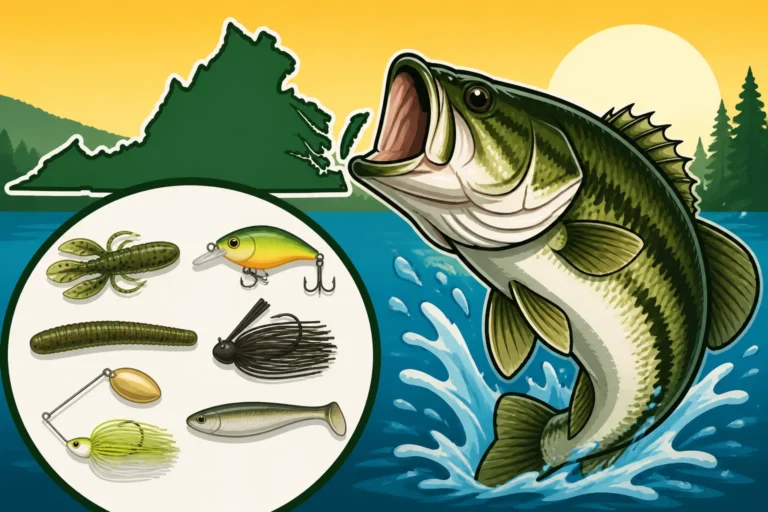
Spotted bass are opportunistic feeders and will strike a wide variety of lures, but some stand out as particularly effective in their preferred clear, rocky habitats. Finesse baits are often top producers, especially when the fish are pressured or the bite is tough. Drop shot rigs with small worms or creature baits, shaky head jigs, and Ned rigs are fantastic choices. The subtle action of these baits in clear water can be irresistible to spotted bass hunkered down on rocky structure. You'll want a good supply of soft plastic worms, crawfish imitators, and small swimbaits, which you can easily find on online marketplaces like Amazon.
Beyond finesse, crankbaits that dive to deeper depths are highly effective, particularly those that mimic baitfish like shad or crayfish. Choose crankbaits in natural colors for clear water conditions, and don't be afraid to experiment with brighter colors on overcast days or in slightly stained water. Jigs, especially football jigs with a craw trailer, are excellent for probing rocky bottom structure where spotted bass often feed. These jigs can be dragged, hopped, or pitched around deep cover. Spinnerbaits and chatterbaits can also draw aggressive strikes, especially when fished along steep banks or over submerged brush. Don't forget topwater lures during low-light conditions or when fish are schooling on baitfish near the surface – a popper or walking bait can create explosive action. Stocking up on a variety of sizes and colors of these proven baits is easy through online retailers like Amazon, ensuring you have options for different conditions. For more specific lure recommendations, take a peek at Best Bait for Spotted Bass at Claytor Lake, Virginia.
Fishing Strategies
Successfully catching spotted bass often comes down to understanding their preferred habitats and adapting your approach. Since they favor deep, clear, rocky waters, your strategies should focus on these areas.
- Locate Structure: Start by using your electronics to find underwater structure such as points, ledges, humps, and submerged timber. Spotted bass will often relate tightly to these features. Look for abrupt depth changes, baitfish schools, and even arcs that indicate bass on your sonar.
- Vertical Presentation: In deep, clear water, spotted bass often suspend or hold tight to vertical structure. Techniques like drop-shotting, vertical jigging, or even employing a spoon can be incredibly effective when dropped directly onto fish you've marked on your fish finder.
- Cover Water: While finesse techniques are great for targeting individual fish or small schools, don't be afraid to cover a lot of water with reaction baits like crankbaits or spinnerbaits, especially along contour lines of main lake points or extended rocky ledges. This helps you quickly find active fish.
- Time of Day/Season: Like most bass species, spotted bass can be more active during dawn and dusk, or on cloudy days. In hotter summer months, they'll retreat to deeper, cooler water, making deep structure fishing even more critical. During the spring spawn, they might move shallower, but generally, they don't get as shallow as largemouths. As fall approaches, they'll often be found aggressively feeding on baitfish, making it a prime time for reaction baits. Consider how weather patterns and Water Temperature and Fish Feeding Patterns influence their behavior.
- Rod and Reel Setup: A medium-light to medium-heavy spinning rod or baitcasting setup will serve you well. For finesse techniques, a sensitive spinning rod with light fluorocarbon or braided line with a fluorocarbon leader is ideal. For cranking or jigging heavier baits, a medium-heavy baitcasting rod with stronger fluorocarbon is a good choice. Having a good quality reel, whether spinning or baitcasting, is important for smooth casting and retrieving, and you can always browse reliable options on Amazon.
Regulations and Conservation for Spotted Bass in Virginia
Fishing for spotted bass, or any fish, in Virginia comes with a responsibility to understand and adhere to the state's fishing regulations. These rules are in place not just to ensure fair chase but, more importantly, to protect and conserve fish populations for future generations of anglers. Ignoring them can lead to significant penalties, and nobody wants their fishing trip to end with a fine.
Virginia's Fishing Regulations
Before heading out to Claytor Lake or any other Virginia waterbody, it is absolutely essential to familiarize yourself with the current fishing regulations set by the Virginia Department of Wildlife Resources (DWR). These regulations cover everything from license requirements to creel limits (how many fish you can keep) and size limits (how big they must be to keep). While general statewide regulations exist for black bass, there can be specific, often stricter, rules for certain water bodies. For example, a particular lake might have a special slot limit or a reduced creel limit for spotted bass to help manage its population. You might think, "Oh, it's just a bass, the rules are probably the same everywhere," but that's a common misconception that can get you into trouble.
Always check the most current Virginia DWR fishing regulations booklet or their website before each fishing season or before visiting a new body of water. This is particularly important for bass species, as their regulations can vary. Ensure you have the correct Virginia Fishing License Guide for the waters you plan to fish, whether freshwater or saltwater. Ignorance of the law is not an excuse, and DWR conservation police officers are diligent about enforcing these rules to protect our natural resources. Understanding these guidelines, including Virginia Fishing Regulations Explained, ensures your fishing adventures are both enjoyable and legal.
The Importance of Responsible Angling
Beyond simply following the rules, responsible angling practices are crucial for the long-term health of our spotted bass fisheries. This includes catch and release practices, especially for larger breeding fish, and proper handling of all fish you catch. If you plan to release a fish, do so quickly and carefully. Minimize its time out of the water, handle it with wet hands, and support its body properly. Using circle hooks when bait fishing can also reduce gut hooking, increasing the survival rate of released fish.
Conservation isn't just about what the DWR does; it's about what every angler does on the water. By being mindful of your impact, properly disposing of trash, and respecting wildlife and other anglers, you contribute to a healthy fishing environment for everyone. Spotted bass are a valuable sportfish in Virginia, especially in places like Claytor Lake, and it's up to all of us to ensure their populations remain robust. This kind of stewardship means our children and grandchildren will also have the chance to experience the thrill of a spotted bass tearing line off their reel.
Disclaimer
This article is for general informational purposes only and does not constitute professional advice. Laws, prices and regulations vary by location and change over time. Consult a qualified professional for guidance on your specific situation.