What’s the Best Time of Day to Catch Trout in Virginia?
Oh, the age-old question that keeps so many of us Virginia anglers up at night – or rather, gets us out of bed at an ungodly hour! You've packed your gear, checked the forecast, and you're standing by a beautiful Virginia stream, rod in hand, wondering: "Is this the right time?" It's a common frustration, feeling like you're missing the prime window, but the truth is, the "best time" to catch trout in Virginia isn't a fixed hour. It's a dynamic dance with the sun, the seasons, and the subtle rhythms of the water. This guide is going to peel back the layers of that mystery, helping you understand not just when to cast, but why that time is often the sweet spot.
The Golden Hours: Why Early Morning and Late Afternoon Often Reign Supreme
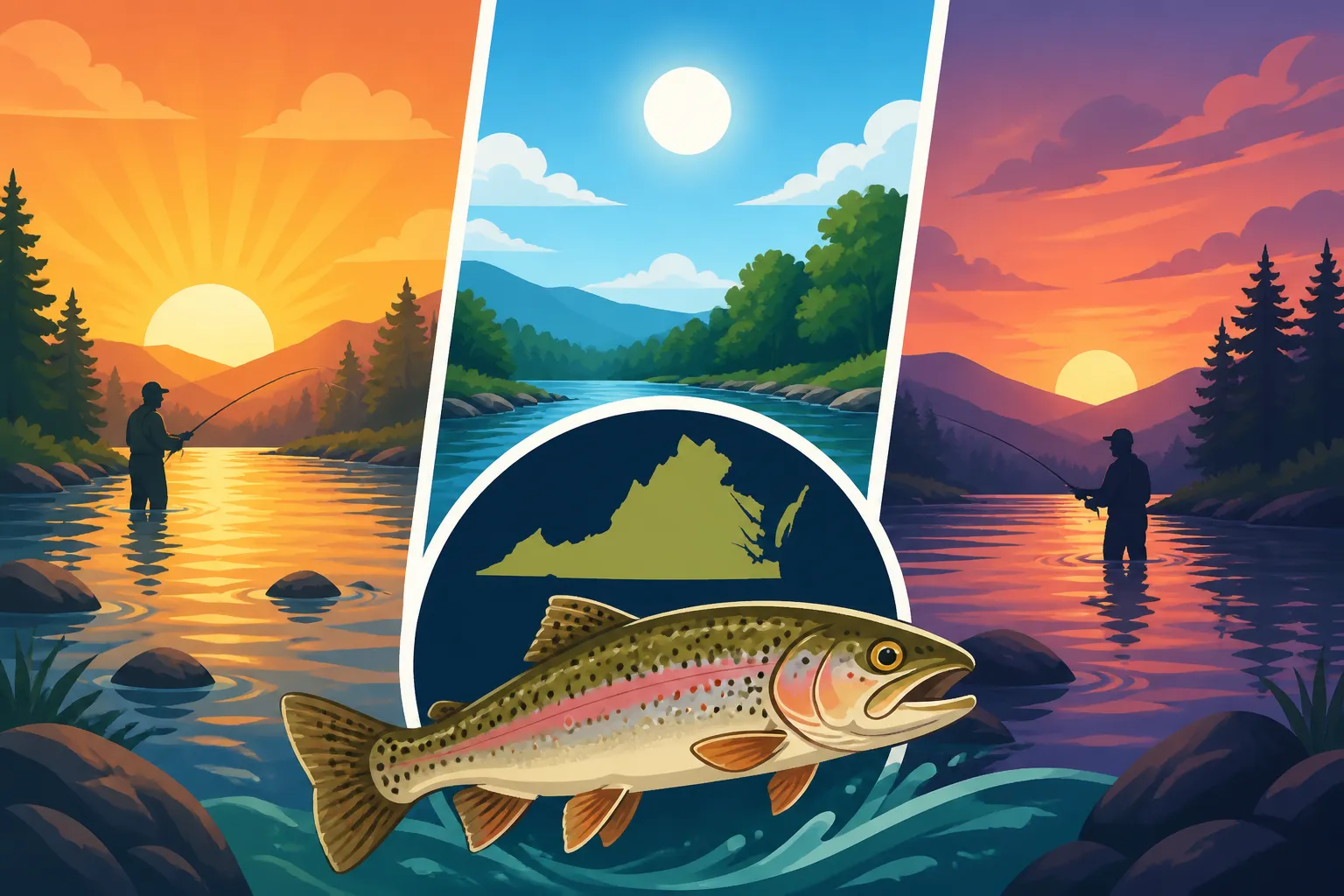
If you ask seasoned trout anglers in Virginia, many will point to the hours around dawn and dusk as the most consistently productive. These "golden hours" aren't just for beautiful photos; they're when the magic often happens on the water. It's a combination of factors that align to make trout more active, less wary, and generally more willing to take a bait or fly.
Understanding Trout Behavior in Low Light
Trout, whether they're wild brookies in a secluded Blue Ridge stream or stocked rainbows in a popular river, are often creatures of opportunity and discretion. In the harsh glare of midday sun, they tend to be more skittish and seek refuge in deeper pools, undercuts, or heavy cover. The low light of early morning and late afternoon provides them with a sense of security. With less direct sunlight penetrating the water, their natural camoflage works better, making them feel less exposed to predators, both avian and human. This reduced visibility encourages them to move out from their hiding spots and actively forage.
Think about it from a trout's perspective: an insect floating on the surface against a bright, glaring sky is harder to see than one silhouetted against a softer, diffused light. This is why you often see incredible insect hatches during these times, drawing trout to the surface in a frenzy of feeding activity. For fly anglers, matching these hatches can lead to some truly unforgettable moments. The tranquility of a Virginia trout stream at dawn, with mist rising from the water and the only sounds being the subtle slurps of feeding fish, is an experience that every angler cherishes, and it's largely thanks to these low-light conditions.
The Impact of Water Temperature and Oxygen Levels
Beyond the light conditions, water temperature plays a monumental role in trout activity, especially in Virginia's diverse waters. Trout are cold-blooded creatures, meaning their metabolism is directly tied to the temperature of the water around them. They thrive in cool, well-oxygenated water, typically preferring temperatures between 45 and 65 degrees Fahrenheit. Anything much above that can start to stress them, making them lethargic and less inclined to feed.
In the early morning, especially after a cool night, stream temperatures are at their lowest and most comfortable for trout. As the day progresses, particularly during warmer months, the sun heats the water. By midday, stream temperatures can rise significantly, pushing trout into deeper, cooler pockets where they conserve energy rather than actively feeding. Conversely, as the sun begins to set and the air cools, water temperatures start to drop again, providing a renewed sense of comfort and often triggering another burst of feeding activity before nightfall. These stable, cooler temperatures also tend to hold more dissolved oxygen, which is vital for trout health and vigor. High oxygen levels mean they have more energy for hunting and fighting, making them much more responsive to your offerings. You can often find great resources on How Water Temperature Affects Fish Feeding to really dial in your approach.
Seasonal Shifts: Adapting Your Timing Throughout the Year
While the "golden hours" are a good rule of thumb, Virginia's distinct four seasons mean that a truly effective trout angler needs to be flexible. What works beautifully in spring might be a bust in the dog days of summer. Understanding these seasonal nuances is key to consistent success.
Spring's Promise: Morning Hatches and Afternoon Feeding
Ah, spring in Virginia! The trees are budding, the air is fresh, and the trout are waking up. Spring often presents the most forgiving and productive conditions for trout fishing. As the days lengthen and temperatures gradually climb, insect activity explodes. Early mornings in spring are often marked by prolific hatches of various aquatic insects, like Hendricksons, March Browns, or caddisflies. This makes dawn a fantastic time for fly anglers to "match the hatch" with dry flies or nymphs. The trout are eager to feed after the lean winter months and will often be found actively rising.
But don't pack up your gear after the morning bite! Unlike the sweltering summer, spring afternoons can remain quite comfortable for trout. Water temperatures might rise a bit, but usually not to stressful levels. This means trout can continue to feed throughout the day, especially if there are intermittent hatches or if a warming trend makes them more active. On a cloudy spring day, you might even find excellent fishing extending into what would typically be considered "off-hours." It’s a great time to explore various techniques and enjoy a full day on the water, whether you're targeting Wild Trout Streams in Virginia and Their 7-Inch Minimum or working Virginia's Stocked Trout Waters and Seasons.
Summer's Challenge: Dawn and Dusk are Crucial
Summer can be a real test for Virginia trout anglers. As temperatures soar, especially in July and August, trout streams can become borderline too warm for these cold-water fish. This is when the "golden hour" advice becomes absolutely critical, and often shrinks down to just a couple of hours. Very early morning, literally as the sun is just peeking over the horizon, might be your only truly productive window. The water is at its coolest, and trout might venture out from their deep, oxygenated refuges for a quick meal. As soon as the sun hits the water directly, activity often ceases.
Late evening, just before dark, can offer another brief opportunity as temperatures begin to fall. However, in many Virginia streams, especially those at lower elevations, the water might not cool down enough even by dusk to significantly revive trout activity. During peak summer, it's often wise to target higher elevation streams in the Blue Ridge Mountains, where spring-fed waters stay naturally cooler. If you're fishing in summer, consider focusing on shady stretches of water, deep pools, or areas with good current that oxygenates the water. For the sake of the fish, if water temperatures are consistently above 70 degrees Fahrenheit, it's often best to put away your trout gear for a bit and come back when conditions are more favorable.
Fall's Bounty: Midday Can Shine
Fall in Virginia is a spectacular time to be outdoors, and it's also a fantastic season for trout fishing. As air temperatures cool and stabilize, stream temperatures become much more consistent and comfortable for trout throughout the day. The intense heat of summer is gone, and the brutal cold of winter hasn't yet set in. This means trout are often active for much longer periods. While morning and evening remain strong contenders, the midday hours can become surprisingly productive.
Trout are often in a feeding frenzy in the fall, bulking up for the leaner winter months. They'll be actively seeking out larger meals, meaning streamers, larger nymphs, and even bigger dry flies can be effective. Terrestrial insects, like grasshoppers and ants, are often falling into the water, providing easy protein. On a crisp autumn day, with colorful leaves drifting down the stream, you might find excellent fishing from late morning all the way through late afternoon. Stable weather patterns during the fall mean less dramatic temperature swings, giving trout a longer window of comfort and activity. This is a prime time for Fly Fishing for Trout on the Shenandoah River or any of Virginia's other beautiful waterways.
Winter's Patience: The Warmest Part of the Day
Winter trout fishing in Virginia requires a different mindset. While some still prefer the thrill of ice fishing in specific locales, for stream anglers, patience and timing are paramount. Trout become quite lethargic in very cold water. Their metabolism slows down significantly, and they won't expend much energy chasing a meal. In these conditions, the best time to fish is often the warmest part of the day, typically from late morning through mid-afternoon.
During this window, even a few degrees' rise in water temperature can make a big difference, subtly waking the trout up just enough to consider feeding. Look for those sunny spells on clear winter days. Trout will often move into slower, deeper pools or eddies where they can conserve energy. Your presentation needs to be slow and deliberate, often involving nymphs or tiny midge patterns fished deep. Forget the fast retrieves; think slow drifts. The bites will be subtle, but the rewards of a winter trout on the line are truly special. It's a testament to dedication and understanding the fish's natural rhythm during the colder months.
Beyond the Clock: Other Factors Influencing Trout Activity
While the time of day and season are huge indicators, they're not the only players in the game. Savvy Virginia trout anglers know that a multitude of other environmental factors constantly influence whether those trout will bite. Ignoring these can lead to a frustrating day, even if you're fishing during the "perfect" time.
Weather and Barometric Pressure
The weather doesn't just dictate how comfortable we are; it profoundly affects trout. Overcast or cloudy days, for instance, often extend the prime feeding windows. The diffused light reduces the trout's wariness, making them more comfortable feeding throughout the day compared to a bright, sunny afternoon. Light rain can also be fantastic, washing terrestrial insects into the stream and giving trout another reason to feed actively. However, heavy, prolonged rain that causes significant turbidity and high water can shut down the bite, as trout struggle to see and are displaced by strong currents.
Barometric pressure is another, more subtle, factor that many experienced anglers swear by. A stable, high-pressure system often means stable, good fishing conditions. However, a falling barometric pressure, which typically precedes a storm front, can trigger a feeding frenzy. Trout often sense these changes and will gorge themselves before the weather turns foul. Conversely, a rapidly rising pressure after a storm can put them off the bite for a while. Keeping an eye on a reliable weather app before you head out can give you a significant edge, helping you anticipate these shifts. There's a lot to learn about Does Barometric Pressure Affect Fishing? for those who want to dig deeper.
Water Clarity and Flow
Imagine trying to find your dinner in a murky, fast-moving river – tough, right? Trout face the same challenges. Water clarity and flow are crucial for their feeding and comfort. Crystal clear water, while beautiful, can make trout extremely spooky, especially in bright sunlight. They can see you coming from a mile away! In these conditions, sticking to low light hours or very stealthy approaches is paramount. Conversely, overly murky water, often a result of heavy rains and runoff, can make it difficult for trout to see your lure or fly, reducing their feeding efficiency.
The ideal scenario is usually slightly stained water with good visibility (say, 2-3 feet) and a moderate flow. Good flow oxygenates the water and brings food past the trout, but not so strong that they have to expend excessive energy just to hold their position. If the water is too low and sluggish, trout become lethargic and easily spooked. If it's too high and fast, they'll tuck into eddies and slack water to avoid the current, making them harder to target. You can usually find great information on local stream conditions through resources from the Virginia Department of Wildlife Resources or local fly shops, which can save you a wasted trip.
Insect Hatches and Food Availability
Ultimately, trout are opportunistic feeders, and their activity is often dictated by the availability of food. And for stream-dwelling trout, that often means insect hatches. When a significant hatch is underway – be it mayflies, caddisflies, or stoneflies – trout will key into that food source and feed aggressively, often seemingly ignoring everything else. The "best time" to fish then becomes "whenever the hatch is on," regardless of what the clock says.
Learning about the predominant insect hatches in your favorite Virginia streams and understanding their life cycles can transform your fishing success. You can find excellent regional hatch charts online, or by visiting a local fly shop. Many anglers even consult books or online forums for information on specific patterns. Websites like Amazon offer a vast selection of fly patterns and books on entomology that can help you identify what the trout are eating. If you can "match the hatch" with your artificial flies, your chances of success skyrocket. Even if you're not a fly angler, understanding when these hatches occur can tell you when trout are most actively feeding and where they might be positioned.
Practical Tips for Maximizing Your Trout Fishing Time
Knowing the theory behind trout behavior is one thing, but putting it into practice on a cold morning by a Virginia stream is another. Here are some actionable tips to help you make the most of your time on the water, no matter what the clock says.
Scout Your Water and Observe Conditions
Before you even make your first cast, take a moment to observe. Arrive a little early if you can, especially in the mornings, and just watch the water. Look for rises – the subtle dimples or splashing jumps that indicate trout feeding on the surface. Pay attention to any insects flying around or on the water. What color are they? How big? Are there bugs trapped in spiderwebs along the bank? This immediate observation can tell you more than any time-of-day theory.
Walk the banks quietly, looking for promising lies: deep pools, current breaks behind rocks, undercut banks, or submerged logs. Trout are masters of camouflage, but knowing where they're likely to be holding helps you present your offering effectively. Check the water temperature with a small thermometer (a simple, inexpensive one from Amazon can be invaluable). If the water is too warm, adjust your expectations and strategy. Gathering this real-time intelligence is perhaps the most crucial "tip" for successful trout fishing.
Gear Up for Success
Having the right gear won't make trout bite when they don't want to, but it will certainly improve your chances when they are willing. For trout, this often means lighter tackle. A light to ultra-light spinning rod with 4-6 lb test line is generally appropriate for spin fishing. For fly fishing, a 3 to 5-weight rod is a good all-around choice for most Virginia streams. Make sure your leader and tippet are in good condition and appropriately sized for the conditions – trout can be incredibly line-shy in clear water.
Beyond rods and reels, think about the small but important things. A good pair of polarized sunglasses will help you spot fish and see subtle movements under the surface. Waders can extend your reach and keep you comfortable in cold water (always use a wading belt for safety!). A small tackle box or fly box stocked with a variety of lures, flies, and weights will allow you to adapt to changing conditions. You can find a huge selection of everything from inline spinners like Panther Martins to various fly patterns and tippet material on Amazon, often with detailed reviews to help you choose. Being prepared with a variety of options means you won't be caught off guard when the trout suddenly switch their preference.
Patience and Persistence
Perhaps the most important "tip" for trout fishing, regardless of the time of day, is to cultivate patience and persistence. Trout fishing isn't always about fast action and constant bites. Sometimes, the "best time" is simply the time you have available to go fishing, and it's up to you to make the most of it. There will be days when you hit the water at dawn, and despite all the "best advice," the fish just aren't biting. Don't get discouraged!
Keep trying different presentations, different lures or flies, and different spots. Move around, covering water thoroughly but quietly. Sometimes, a change of tactics or a slight adjustment to your retrieve is all it takes. The joy of trout fishing often comes from the challenge and the quiet moments spent in nature. And remember, even on a slow day, just being out on a beautiful Virginia trout stream is a reward in itself. Keep learning, keep observing, and the "best time" will reveal itself more often than not. For those looking to refine their skills, there are excellent guides and charter services available, which you can learn more about in resources like Virginia Fishing Charters and Guides: The Complete Guide.
| Season | Typical Best Time of Day | Why It's Best | Key Considerations |
|---|---|---|---|
| Spring | Early Morning / Mid-Afternoon | Rising temperatures, abundant hatches, active feeding post-winter. | Watch for specific hatches; water temps comfortable for longer. |
| Summer | Very Early Morning / Late Evening | Avoids high midday water temperatures and low oxygen levels. | Seek shade, deeper pools, higher elevation streams. |
| Fall | Late Morning / Mid-Afternoon | Stable, cooler water temps, trout bulking up for winter. | Trout are active longer; bigger meals preferred. |
| Winter | Midday (Warmest Part) | Trout are lethargic; small increase in water temp can trigger feeding. | Slow, deliberate presentations; focus on deep, slow pools. |
This article is for general informational purposes only and does not constitute professional advice. Laws, prices and regulations vary by location and change over time. Consult a qualified professional for guidance on your specific situation.