Wild Trout Streams in Virginia and Their 7-Inch Minimum
If you've ever dreamt of casting a line into a pristine mountain stream, surrounded by nothing but the sounds of nature, hoping to trick a truly wild trout, then Virginia's wild trout streams are calling your name. But wading into these special waters comes with its own set of rules and a deep respect for conservation. Anglers often feel a bit lost trying to understand the nuanced differences between fishing a wild stream versus a stocked one, especially when it comes to those crucial length limits. This guide is here to untangle all that, focusing particularly on the 7-inch minimum that governs so many of these beautiful, untamed waterways and everything you need to know to fish them successfully and responsibly.
What Exactly Are Virginia's Wild Trout Streams?
Stepping into a wild trout stream in Virginia is like stepping back in time. These aren't your average fishing spots; they're unique ecosystems where trout thrive entirely on their own, untouched by the hand of hatchery programs. This distinction is incredibly important for both the fish and the angling experience.
The Untamed Beauty of Wild Trout Habitats
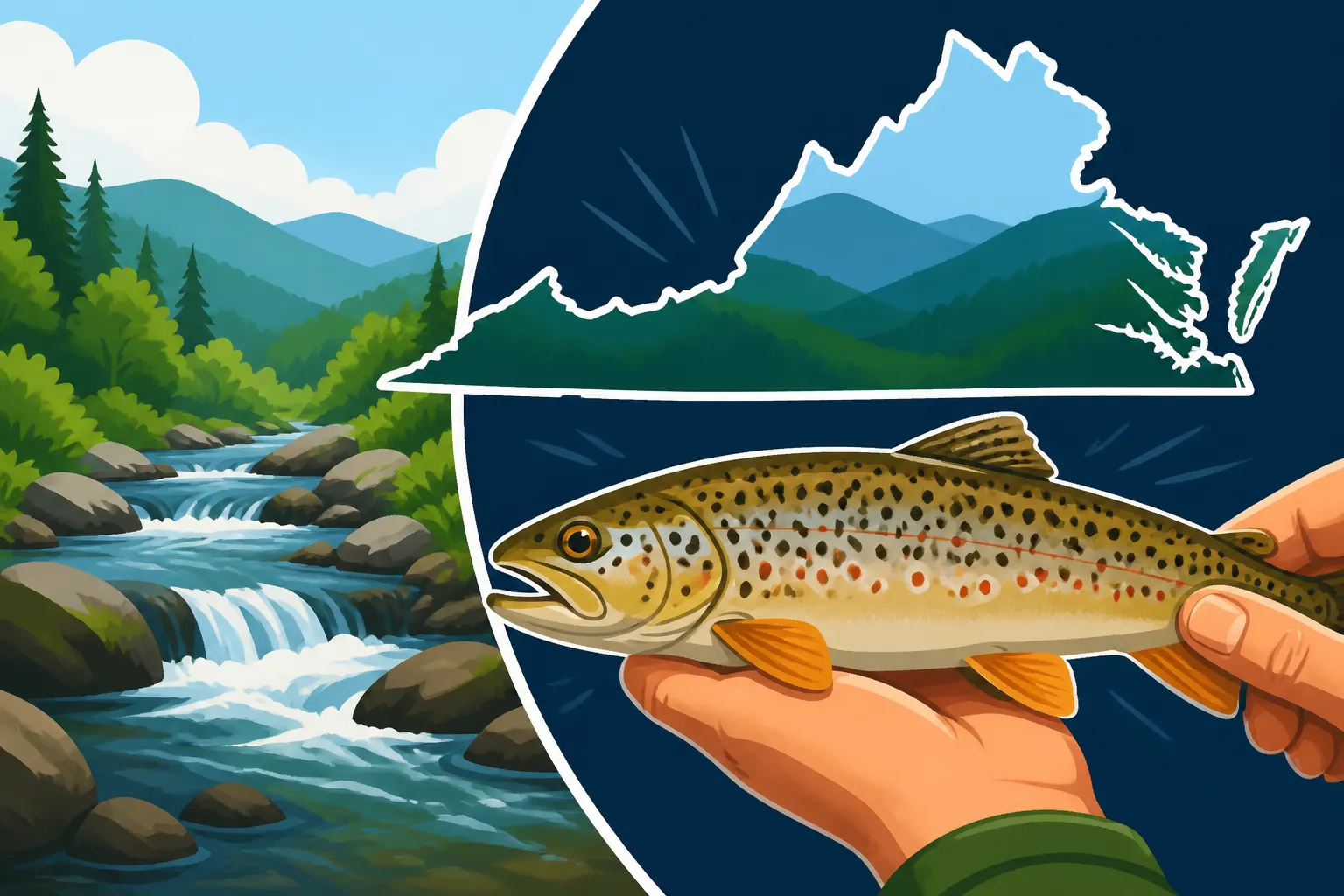
When we talk about "wild" trout streams, we're referring to natural waterways that support self-sustaining populations of trout. This means the fish you catch here were born in the stream, grew up eating the stream's natural forage, and are part of an ongoing, wild reproductive cycle. You won't find trucks dumping hatchery-raised fish into these waters. These streams are typically found in the cooler, higher elevations of Virginia's mountains, often within national forests like the George Washington and Jefferson National Forests, or state parks. They are characterized by cold, clean water, plenty of natural cover like fallen logs and undercut banks, and a rich aquatic insect life.
The environment itself demands a different approach from anglers. Access can be rugged, often requiring a hike through dense woodlands, and the streams themselves might be narrow, brush-choked, and shallow in places. The fish are typically smaller but incredibly feisty and wary, a testament to their wild instincts. It's a completely different challenge and reward compared to fishing a stream that's regularly stocked.
A Sanctuary for Native Brook Trout and More
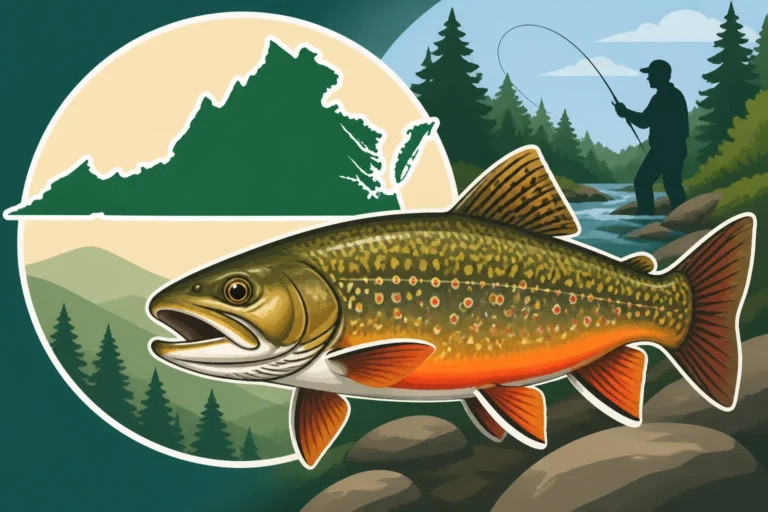
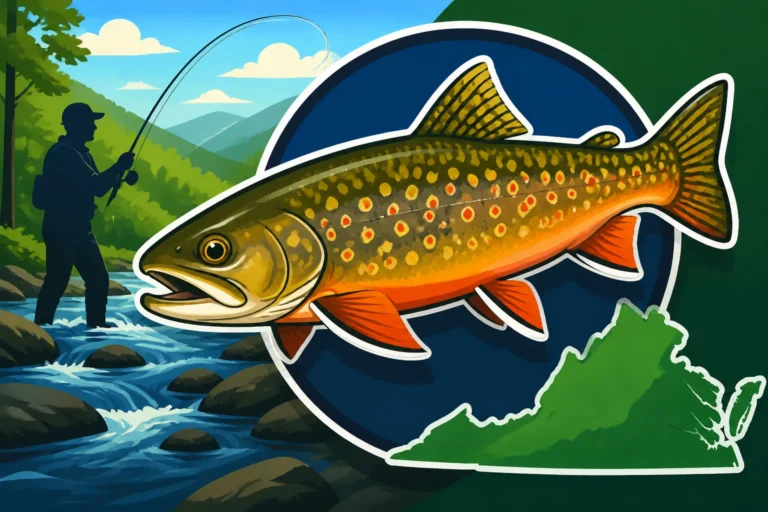
In Virginia, the undisputed king of the wild trout streams is the native Brook Trout. These beautiful fish, with their stunning vermiculations and vibrant red and orange spots, are Virginia's state fish and a true gem of our mountain waters. They are highly sensitive to water quality and temperature, making their presence a clear indicator of a healthy ecosystem. Many of these streams are pure brook trout fisheries, offering a chance to connect with a truly indigenous species.
While Brook Trout are dominant, you might occasionally encounter naturally reproducing Rainbow Trout or Brown Trout in some wild systems, particularly in streams that are part of larger river systems or those that have historically seen some stocking that led to wild reproduction. However, the quintessential wild trout experience in Virginia revolves around the Brookie. Protecting these delicate populations is paramount, which is why understanding and adhering to regulations like specific length limits is so crucial. Catching a wild brook trout is an experience that many anglers cherish, recognizing the unique challenge and the pristine environment these fish call home. To learn more about identifying these beautiful species, check out Trout Fishing in Virginia: Rainbow, Brown, and Brook Trout.
Understanding the 7-Inch Minimum Length Limit
One of the most defining characteristics of fishing Virginia's designated wild trout streams, beyond their remote beauty, is the strict 7-inch minimum length limit. This isn't just an arbitrary number; it's a carefully considered conservation measure designed to protect these precious fish populations.
Why the 7-Inch Rule Matters for Conservation
The 7-inch minimum length limit on many of Virginia's wild trout streams is primarily a conservation tool. Wild trout, especially the native Brook Trout, grow much slower than their hatchery-raised counterparts. They rely entirely on the natural food sources available in the stream, which can be less abundant than the consistent diet provided in a hatchery setting. This slower growth rate means that a smaller wild trout might not yet be mature enough to reproduce, or might only have had one or two chances to do so.
By implementing a 7-inch minimum, the Virginia Department of Wildlife Resources (DWR) aims to protect these smaller, younger fish, allowing them to reach reproductive maturity and contribute to the next generation of wild trout. This helps ensure the long-term health and sustainability of these self-sustaining populations. Catching a fish that's under the limit means releasing it gently and quickly, minimizing stress, so it can continue to grow and spawn. It's a fundamental part of responsible angling in these sensitive environments, reflecting a deep respect for the wild resource.
Applying the Rule on the Water
So, you're out on a wild trout stream, and you've just landed a beautiful Brookie. Now what? You need to measure it. The rule is simple: from the tip of the nose to the very tip of the tail, the fish must be at least 7 inches long to be legally kept. Anything shorter must be released.
Here's some practical advice:
- Be Prepared: Carry a reliable measuring tape or ruler. Many nets come with a built-in ruler along the handle, which can be super handy. You can find compact, foldable measuring tapes or specialized fish rulers on platforms like Amazon that fit easily into a vest pocket.
- Handle with Care: When a fish is under the limit, the goal is to release it unharmed. Minimize handling, keep the fish in the water as much as possible, and use wet hands if you must touch it. Consider using a pair of hemostats or a de-hooking tool to remove the hook quickly. Pinching down the barbs on your hooks is also a fantastic practice, making release much easier and less damaging to the fish.
- Quick Release: Once measured (and if under the limit), get the fish back into the water immediately. If it's sluggish, gently hold it in the current, facing upstream, until it revives and swims off on its own.
Knowing these rules beforehand and practicing responsible angling techniques ensures that the wild trout populations continue to thrive for future generations. For a comprehensive overview of all fishing rules, check out Virginia Fishing Regulations Explained.
Navigating the Differences: Wild vs. Stocked Trout Waters
Many anglers, especially those new to trout fishing in Virginia, get a little confused about the distinction between wild trout streams and stocked trout waters. The differences go beyond just where the fish come from; they impact everything from licensing to the kind of experience you'll have and the techniques you'll employ.
License Requirements and Special Permits
This is where things can get a little tricky, and it's a common point of frustration for anglers trying to do the right thing. For wild trout streams, you typically need a standard Virginia freshwater fishing license. That's it. These streams are managed for their natural populations, and while conservation is key, a specific "trout license" isn't usually required in addition to your basic freshwater license for these unstocked waters.
However, if you plan to fish in stocked trout waters, that's a different story. These are designated streams or lakes where the DWR regularly releases hatchery-raised trout. For these waters, you will almost certainly need to purchase a separate "trout license" or "stocked trout license" stamp in addition to your basic Virginia freshwater fishing license. This additional fee helps fund the stocking programs. The key takeaway is: always check the specific regulations for the water you intend to fish. A general Virginia Fishing License Guide can get you started, but confirming specific water-body rules is crucial. For detailed information on stocked waters, you'll want to read up on Do you need a special license to fish stocked trout waters in Virginia?.
The table below offers a quick comparison:
| Feature | Wild Trout Streams | Stocked Trout Waters |
|---|---|---|
| Fish Origin | Self-sustaining, naturally reproduced | Hatchery-raised, released by DWR |
| Primary Species (VA) | Native Brook Trout | Rainbow, Brown, Brook Trout (often mixed) |
| Growth Rate | Slower, smaller average size | Faster, larger average size (initially) |
| 7-Inch Minimum | Applies for keeping fish | Varies, often no minimum, or different limits |
| License Required | Basic Virginia Freshwater Fishing License | Basic Freshwater License PLUS a Trout License |
| Fish Temperament | Extremely wary, selective, spirited fighters | Can be less wary, may be eager to bite initially |
| Accessibility | Often remote, requires hiking, rugged terrain | Generally easier access, often near roads or parks |
| Typical Techniques | Fly fishing, light spin gear, finesse, stealth | Wider range, including bait, spinners, fly fishing |
Fishing Experience and Techniques
The experience of fishing a wild trout stream versus a stocked one couldn't be more different.
Wild Trout Streams:
Fishing for wild trout is often a lesson in patience, stealth, and finesse. These streams are generally smaller, sometimes barely more than a trickle, and can be overgrown with dense vegetation. The fish are incredibly wary, spooking at the slightest vibration or shadow.
- Stealth is Key: You'll need to approach the water cautiously, often on your hands and knees, to avoid startling the fish.
- Finesse: Light tackle is paramount. For fly anglers, a light fly rod (think 1-3 weight) with a short leader and small, natural-looking flies (dry flies, nymphs, small streamers) is ideal. Spin anglers will want ultra-light spinning gear, light line (2-4 lb test), and tiny spinners or micro-jigs.
- Targeting Structure: Wild trout hold tight to cover – under rocks, logs, undercut banks, and in small plunge pools. Precise casts that land your lure or fly gently in these pockets are crucial.
- Wading: Waders are often essential to navigate the stream effectively and stay dry in the cold water. Finding quality, breathable waders that fit well can make a huge difference in comfort, and many reputable brands are available on Amazon.
- The Reward: While the fish may be smaller, the satisfaction of outsmarting a truly wild, native trout in its natural habitat is immense. It's often more about the experience and the challenge than the quantity of fish caught.
Stocked Trout Waters:
Stocked waters, on the other hand, often offer a more accessible and sometimes more productive experience in terms of numbers.
- Variety of Methods: Anglers here use a wider range of techniques, from fishing with popular baits like PowerBait or worms, to casting spinners, spoons, or fly fishing.
- Higher Density: Because fish are regularly introduced, you might find a higher density of trout, especially right after a stocking event.
- Competition: These spots can be popular, especially on weekends or after a fresh stocking, meaning you might have more company.
- Larger Fish (Sometimes): Stocked fish are often larger than the average wild trout, making them an attractive target for anglers looking for a good fight or a meal.
Understanding these differences helps you prepare not just with the right gear, but with the right mindset for the type of trout fishing adventure you're seeking. If you're looking for an unforgettable fly-fishing experience, exploring Fly Fishing for Trout on Rivers might give you some valuable insights.
Planning Your Wild Trout Adventure in Virginia
Embarking on a wild trout adventure in Virginia is an incredibly rewarding experience, but it definitely requires a bit more planning than heading to a local stocked pond. Knowing where to go, what to bring, and how to behave ethically will make all the difference.
Identifying Wild Trout Streams and Access
Finding wild trout streams isn't always as simple as looking at a map and seeing a big blue line. These waters are often hidden gems, tucked away in the more remote corners of the state. The best place to start your research is with the Virginia Department of Wildlife Resources (DWR). Their website and publications often provide maps and lists of designated wild trout streams. National Forests, like the George Washington and Jefferson National Forests, are prime areas to explore, as they contain numerous headwater streams that support wild brook trout.
- DWR Resources: Look for their trout fishing guides or interactive maps that distinguish between wild and stocked waters. They often categorize streams by their management, which helps identify the wild fisheries.
- Local Knowledge: Sometimes, the best intel comes from local tackle shops or experienced anglers. They can often point you toward specific streams or stretches of water.
- Topographic Maps: Once you have a general area, studying topographic maps can help you identify smaller feeder streams and plan your access. Be prepared for substantial hikes – many of the most pristine wild trout waters require significant effort to reach.
- Seasonal Considerations: These mountain streams are highly dependent on snowmelt and rainfall. Water levels can fluctuate rapidly. Always check weather conditions and stream gauges if available. The spring and fall are often prime times, as water temperatures are ideal for trout. For a broader view of trout seasons, you might want to consult Virginia Stocked Trout Season Guide and Wild Trout Stream Rules in Virginia.
Remember that "access" often means parking along a forest road and then hiking, sometimes bushwhacking, along old logging trails or directly through the woods to reach the stream. Always be mindful of private property boundaries and respect any posted signs.
Essential Gear for Wild Trout Angling
Because wild trout fishing demands finesse and stealth, your gear selection should reflect that. Think lightweight, versatile, and unobtrusive.
- Rod and Reel:
- Fly Fishing: A light-action fly rod (typically 6.5 to 7.5 feet, 2- or 3-weight) is perfect for casting small flies in tight quarters. Pair it with a matching fly reel and floating line.
- Spin Fishing: An ultra-light spinning rod (4.5 to 6 feet) with a small reel spooled with 2-4 lb test monofilament or fluorocarbon line is ideal. This setup allows for casting tiny spinners (like 1/32 to 1/8 oz) or micro-jigs.
- Lures/Flies:
- Flies: Small dry flies (like size 16-20 Elk Hair Caddis, Adams, Parachute Adams), small nymphs (Hare's Ear, Pheasant Tail), and tiny streamers (Woolly Bugger in black or olive) are highly effective.
- Lures: Tiny inline spinners with single, barbless hooks (or pinched barbs) are excellent.
- Waders and Boots: Breathable chest waders are often a must, especially in colder months, as you'll be wading through chilly mountain water. Pair them with sturdy wading boots that provide good ankle support and grip on slippery rocks. You can find excellent options for lightweight waders and boots, suitable for rugged hikes and stream wading, on Amazon.
- Essentials:
- Small Backpack: To carry water, snacks, a rain jacket, and your fishing gear.
- Measuring Device: A small, flexible measuring tape or a ruler affixed to your net.
- Forceps/Hemostats: For easy and safe hook removal, especially with barbless hooks.
- Hat and Sunglasses: For sun protection and to help spot fish.
- Bug Spray: Especially during warmer months in wooded areas.
- First-Aid Kit: For minor cuts, scrapes, or blisters from hiking.
Remember, the goal is to leave these wild places exactly as you found them, or even better. Practice "leave no trace" principles, pack out everything you pack in, and handle any fish you catch (especially those under 7 inches) with the utmost care. Your efforts not only preserve the environment but also ensure that these special wild trout streams continue to thrive for generations of anglers.
Disclaimer
This article is for general informational purposes only and does not constitute professional advice. Laws, prices and regulations vary by location and change over time. Consult a qualified professional for guidance on your specific situation.