How Big Do Flathead Catfish Get at Claytor Lake?
If you've ever dreamt of battling a true monster from the deep, chances are a flathead catfish has crossed your mind. Anglers flock to places like Claytor Lake in Virginia with the hope of hooking into one of these massive, muscle-bound fish, and it's a completely valid ambition. But the burning question always remains: just how big do these flatheads really get in Claytor Lake? It's not just about size for bragging rights; it's about understanding the fishery, knowing what to expect, and appreciating the incredible potential that Virginia's waters hold for trophy catfishing. This guide will dive deep into the world of Claytor Lake flatheads, exploring their impressive growth, the factors that contribute to their massive stature, and what you can do to put one of these giants in your net.
The Allure of Giant Flathead Catfish in Virginia's Waters
There's something uniquely captivating about flathead catfish. Unlike their omnivorous cousins, the channel cats, flatheads are pure predators, stalking live prey and growing to truly astounding sizes. This predatory nature is a huge part of their appeal; they're not scavenging for an easy meal, they're actively hunting, which makes the hunt for them all the more thrilling. In Virginia, we're blessed with some fantastic waters that support these incredible fish, and Claytor Lake is certainly among them, often spoken of in hushed tones when discussing where to find truly big ones.
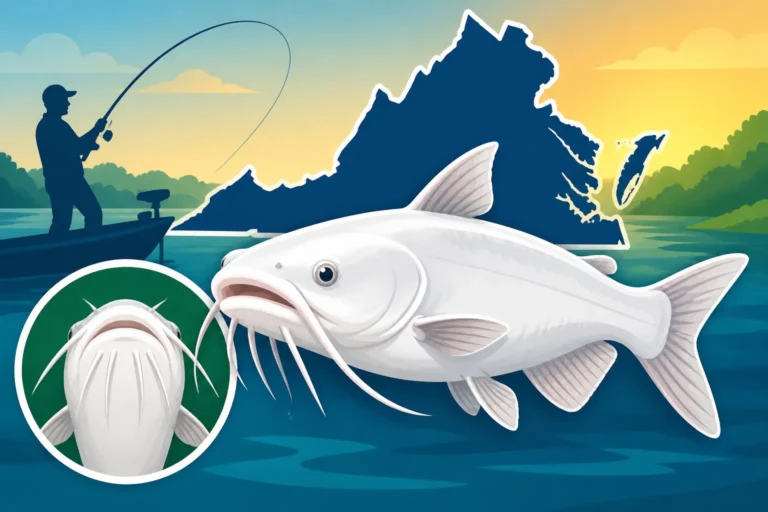
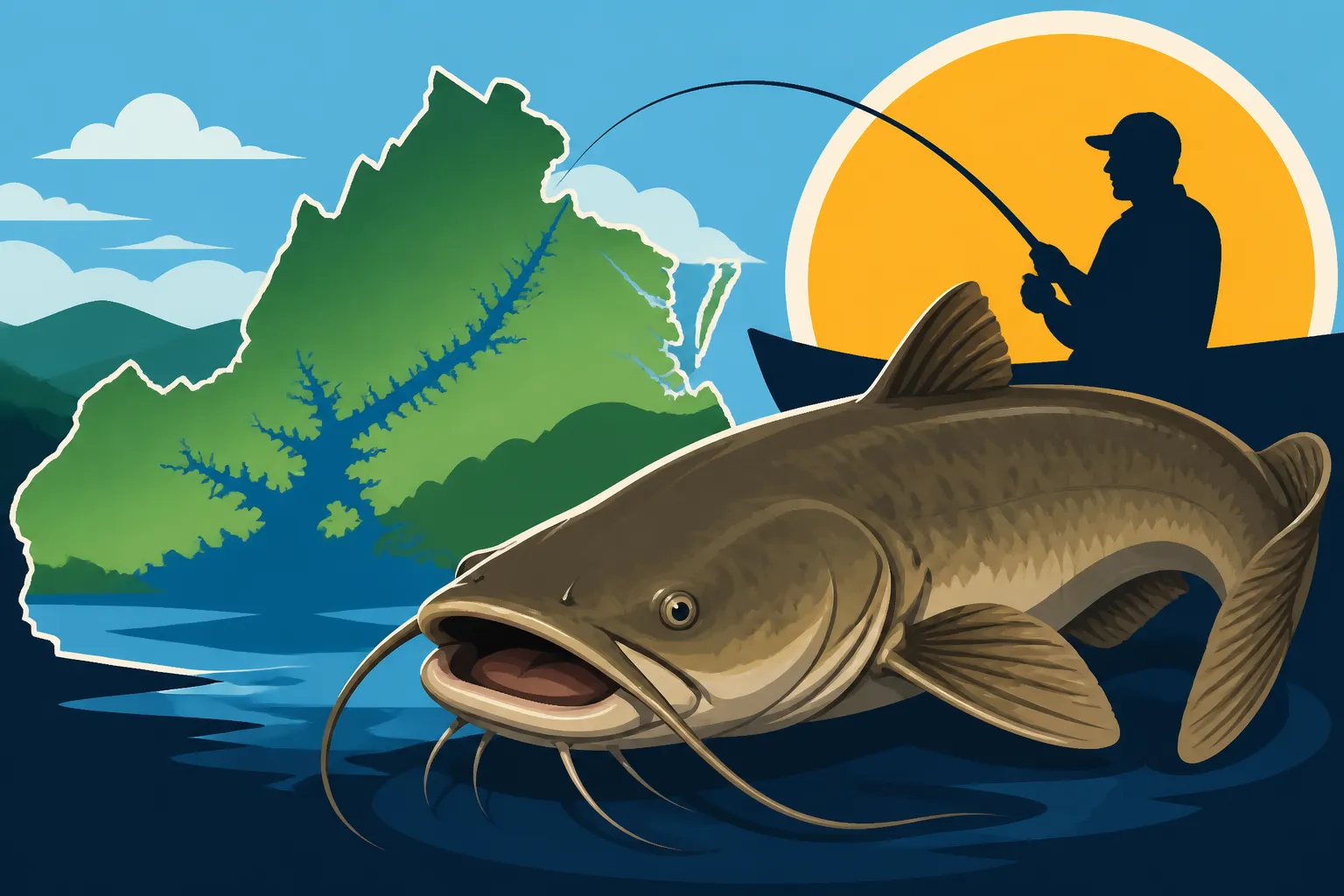
Imagine reeling in a fish that feels like a submerged log, a creature of immense power that tests every fiber of your fishing line and every ounce of your strength. That's the flathead experience. They have a distinctive appearance, too – broad, flattened heads (hence the name!), small eyes set high on their heads, and a mottled, olive-brown to yellow coloring that helps them blend perfectly into the lake's bottom structure. They're built for ambush, and when they strike, they strike with conviction. This raw power and impressive size are why so many anglers dedicate countless hours, often through the night, to targeting these formidable freshwater giants.
Comparing them to other catfish species, flatheads stand out not just in size but in their fight. While a big channel cat can put up a respectable battle, a flathead often feels like a different class entirely. Their broad tails and robust bodies allow them to pull hard and deep, making every inch of retrieve a hard-won victory. For many, catching a significant flathead isn't just a fishing trip; it's a memorable encounter with a truly wild and powerful animal. It's an experience that fuels late-night conversations and inspires countless return trips to the water. You can learn more about how they compare in terms of fight by checking out Channel Catfish vs Flathead Catfish: Which Fights Harder?.
What Makes Claytor Lake a Prime Spot for Big Flatheads
Claytor Lake, nestled in the scenic New River Valley, offers a fantastic habitat for flathead catfish, contributing significantly to their ability to grow to impressive sizes. It’s a large, deep impoundment on the New River, and its characteristics create an ideal environment for these apex predators. The lake boasts abundant forage, diverse underwater structure, and generally good water quality, all of which are critical elements for supporting a healthy population of large, thriving flatheads.
First off, consider the forage base. Flatheads are piscivores, meaning they primarily eat other fish. Claytor Lake is teeming with a variety of baitfish, including gizzard shad, threadfin shad, various panfish like bluegill and crappie, and even smaller bass. This constant, rich food supply means flatheads don't have to expend excessive energy hunting or compete too aggressively for sustenance, allowing them to focus on growth. When a fish has a steady, high-protein diet, it has the potential to add serious pounds and inches. The sheer volume of available prey ensures that even the largest flatheads can sustain their massive appetites.
Beyond food, Claytor Lake's structure is a huge draw for flatheads. These fish aren't open-water cruisers; they prefer to hug the bottom and ambush their prey from cover. Claytor Lake offers plenty of this. Think about the submerged timber, rocky ledges, deep channels, and points that drop off quickly. These features provide perfect ambush points and secure hiding spots for flatheads, especially the bigger, older fish that are often more wary and territorial. They'll find a nice log or rock pile and settle in, waiting for an unsuspecting meal to swim by. Understanding this preference for structure is key for anglers hoping to target trophy fish. To get a better sense of the lake's overall potential, have a look at Claytor Lake Fishing Spots and Tips.
Finally, the lake's size and relatively stable environment also play a role. Being a large reservoir, Claytor Lake provides expansive territories for flatheads, reducing overcrowding and competition. While fishing pressure exists, the sheer size of the lake offers plenty of untouched or less-fished areas where older, larger flatheads can mature undisturbed. The relatively consistent water temperatures and oxygen levels in the deeper sections of the lake during hotter months also contribute to the well-being and growth of these impressive fish. It truly is a diverse fishery, as highlighted in Claytor Lake's Diverse Virginia Fish Species Guide.
Understanding the Factors that Grow Truly Massive Flatheads
So, what exactly allows a flathead catfish in Claytor Lake to reach truly epic proportions? It's not just luck; it's a combination of biological factors, environmental conditions, and the age of the fish. If you're serious about understanding and perhaps even catching a trophy flathead, knowing these elements is absolutely crucial.
Dietary Excellence and Abundance: As mentioned, flatheads are strictly carnivorous, preferring live fish. In Claytor Lake, the abundance of easily digestible, protein-rich forage like shad and panfish is a huge advantage. Unlike some other fish that might switch diets or struggle to find enough food, flatheads here have a consistent buffet. A flathead that eats well, particularly one that learns to efficiently ambush larger prey, will grow faster and larger than its less successful counterparts. They are energy machines, and a steady influx of calories from live bait is what powers their incredible growth.
Age is More Than Just a Number: Size in fish is often directly correlated with age. Flathead catfish are long-lived fish, capable of surviving for decades in optimal conditions. A flathead in Claytor Lake that has avoided anglers, disease, and environmental stressors for 15, 20, or even 30 years can attain truly remarkable dimensions. The older a fish gets, the more opportunities it has had to feed and grow. This means the biggest flatheads aren't necessarily the ones that grew fastest, but the ones that simply had the longest life in a good environment. This long lifespan is why tales of truly ancient, gargantuan flatheads persist in well-managed fisheries.
Genetics and Environmental Conditions: While diet and age are primary, genetics also play a role. Some individual fish simply have the genetic predisposition to grow larger than others, even under the same conditions. Beyond that, the overall health of the ecosystem in Claytor Lake is paramount. Water quality, dissolved oxygen levels, and a stable habitat free from major pollution or extreme fluctuations are vital. Healthy ecosystems produce healthy, fast-growing fish. When all these factors align – a long-lived fish with good genes in a nutrient-rich, stable environment – that's when you start hearing stories of record-breaking flatheads.
Here's a quick look at how these factors intertwine:
| Factor | Impact on Flathead Size | Relevance to Claytor Lake |
|---|---|---|
| Forage | Abundant, high-protein live fish leads to rapid growth. | Rich supply of shad, panfish, and other baitfish. |
| Age | Older fish are almost always larger fish. | Flatheads are long-lived; many can reach considerable age if undisturbed. |
| Habitat | Structured areas (timber, rocks) provide ambush and safety. | Claytor Lake offers diverse bottom structure and deep channels. |
| Water Quality | Clean, oxygenated water supports healthy fish metabolism. | Generally good water quality in this large reservoir aids fish health. |
| Fishing Pressure | Lower pressure allows more fish to reach trophy sizes. | Large size of Claytor Lake provides areas of less intense angling. |
It's clear that Claytor Lake has many of the ingredients necessary to produce exceptional flathead catfish. The potential for a true trophy is absolutely there, but it takes time, the right conditions, and often, a bit of luck to find those truly ancient giants. The possibility of encountering one of these behemoths is a major reason anglers are drawn to Claytor Lake.
Targeting Claytor Lake's Biggest Flatheads (and What to Expect)
Now that you know what makes Claytor Lake so special for flatheads and what drives their growth, let's talk about the practical side: actually trying to catch one of these beasts. Targeting the biggest flatheads isn't like casually fishing for panfish; it requires patience, the right gear, and a solid understanding of their habits. When you head out to Claytor Lake with a trophy flathead in mind, you're not just fishing; you're embarking on a serious expedition.
Gear Up for the Battle: You absolutely cannot go after big flatheads with light tackle. These fish are incredibly powerful, and a truly large one will snap lesser gear like a twig. You'll need heavy-action rods, paired with robust baitcasting or spinning reels capable of holding a significant amount of stout monofilament or braided line. Many anglers opt for 50-80 pound braided line because of its incredible strength and minimal stretch, which helps with feeling subtle bites in deep water. You'll also need heavy-duty hooks, often 7/0 to 10/0 circle hooks, designed to hold fast in a flathead's tough mouth. Terminal tackle should be equally strong, including heavy swivels and sinkers to hold your bait in place, especially in current. If you're gearing up, you might check out online retailers like Amazon for heavy-duty rods, reels, and specialized flathead baits.
The Bait is Key: Remember, flatheads are predators that prefer live bait. While some will hit cut bait, your best bet for a truly massive fish is a lively offering. Common choices include bluegill, sunfish, shad, or even smaller carp, all caught fresh from the same waters you're fishing. The size of your bait should match the size of the fish you're targeting – a foot-long bluegill might seem big to you, but a 50-pound flathead will swallow it whole. Presenting this bait on the bottom, near structure where flatheads are known to lurk, is crucial. This is where Best Bait for Flathead Catfish in Virginia Rivers could offer some great insights, even though Claytor is a lake, the principles are similar.
Timing and Location are Everything: Flatheads are predominantly nocturnal hunters. While they can be caught during the day, especially in deeper, shadier spots, your chances of hooking a true giant significantly increase after dusk and into the night. This is when they become more active, moving out of their daytime hiding spots to patrol for food. Focus on areas with significant structure – deep holes, submerged timber, rock piles, and sharp drop-offs. Use a good fish finder to locate these features. Be prepared for a long night; trophy flathead fishing is often a game of patience and perseverance. Many experienced anglers also recommend familiarizing yourself with Night Fishing Techniques for catfish.
What to Expect When You Hook One: When a big Claytor Lake flathead hits your bait, there's usually no mistaking it. It's often a solid, determined pull rather than a gentle nibble. Your rod tip will bend, and your drag will likely scream. Don't try to horse the fish in immediately; let it make its initial runs. Keep steady pressure on the fish and slowly work it towards you. Be ready for powerful head shakes and deep dives, especially as it nears the boat or shore. Landing a massive flathead often requires a strong net, a good pair of gloves, and sometimes, a friend to help. Respect the fish, handle it carefully, and consider a quick photo before releasing it, especially if it's a true trophy that has been years in the making. Understanding Catfish Species Found in Virginia Waters will also help you appreciate the specific fight of these robust fish.
The largest flathead catfish from Claytor Lake have been reported to approach or exceed the 60-pound mark, with many in the 30-50 pound range being caught by dedicated anglers each year. While records are always changing, it's safe to say that Claytor Lake is a legitimate destination for an angler hoping to catch a flathead that could easily weigh more than a small child. The potential for a truly massive fish is a very real possibility, making every trip to Claytor Lake an exciting prospect for the dedicated catfisherman. The thrill of the catch, the respect for these magnificent creatures, and the stories told afterward are all part of the unique experience of fishing for flatheads on Claytor Lake.
Disclaimer
This article is for general informational purposes only and does not constitute professional advice. Laws, prices and regulations vary by location and change over time. Consult a qualified professional for guidance on your specific situation.