Virginia’s Stocked Trout Waters and Seasons
If you're an angler in Virginia, the thought of fishing for stocked trout often brings a mix of excitement and a little bit of confusion. It can be frustrating trying to figure out when and where the Virginia Department of Wildlife Resources (DWR) puts those beautiful fish into our waters, not to mention what specific rules apply to different streams and lakes. This guide is here to untangle all of that, walking you through Virginia's stocked trout waters and seasons so you can plan your next successful and compliant fishing trip.
Understanding Virginia's Stocked Trout Program
For many, stocked trout fishing is the gateway to trout angling. It offers a fantastic opportunity to catch fish, especially for beginners and families, without needing to trek into remote wilderness areas or master complex fly-fishing techniques. Virginia's stocked trout program is a critical component of the state's fisheries management, designed to enhance recreational fishing opportunities for a wide range of anglers. It’s about making trout fishing accessible and enjoyable for everyone, from the casual weekend warrior to the dedicated pursuit of a limit.
The Purpose Behind Stocked Trout
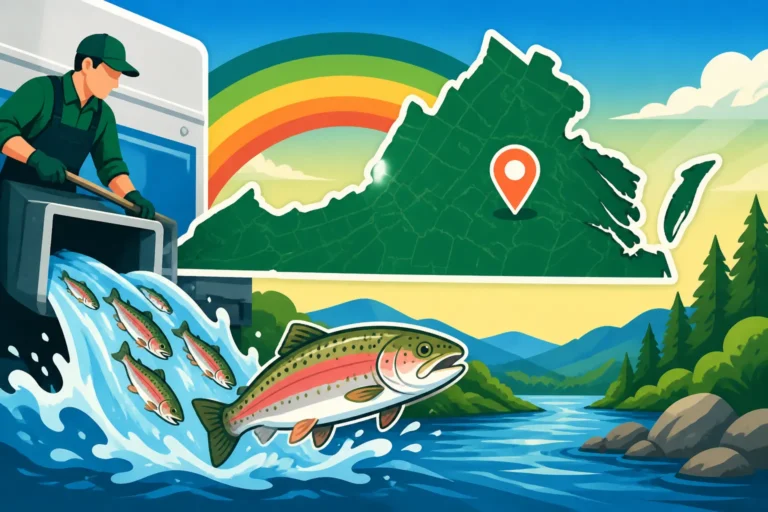
The primary goal of stocking trout in Virginia is simple: to provide an "instant" fishery where natural reproduction can't sustain a robust population. Many of Virginia's waters, especially in the lower elevations or those that experience warmer summer temperatures, just aren't cold enough year-round for trout to reliably hatch and grow on their own. Instead of leaving these waters barren of trout, the DWR steps in. They raise thousands upon thousands of brook, rainbow, and brown trout in state hatcheries, then release them into designated public waters. This ensures that even in areas without natural trout populations, anglers still have a chance to experience the thrill of catching these beautiful fish. It’s a conservation effort that directly supports outdoor recreation and helps fund wildlife initiatives through license sales.
Think of it this way: without stocked trout, many anglers in more populated areas of Virginia simply wouldn't have convenient access to trout fishing. The program creates opportunities, introduces new people to the sport, and helps maintain a vibrant angling culture across the Commonwealth. It’s a huge boon for local economies too, as anglers buy gear, bait, and often spend money in nearby towns. You might find yourself picking up a new trout fishing setup from a local tackle shop or even grabbing some last-minute specialized bait on Amazon, all because these stocked waters are available.
How Virginia Manages Its Stocking Efforts
Virginia's DWR has a well-organized and carefully planned stocking program. They don't just dump fish in randomly; there's a science and strategy behind it. Waters are designated as "stocked trout waters" based on their ability to hold trout for a period, accessibility for anglers, and other factors. The DWR categorizes these waters, and the frequency and species of trout stocked depend heavily on the classification. Some streams are stocked heavily and frequently during peak season, while others might receive fewer, larger fish. The state’s hatcheries work year-round to ensure a steady supply of healthy trout, growing them from fingerlings to catchable size.
This meticulous management also includes surveying these waters, assessing angler success, and adjusting stocking schedules and locations as needed. It's a dynamic system that tries to balance angler demand with resource sustainability. The DWR often publishes its stocking schedule, giving anglers a heads-up on when and where fish are being released. This transparency is incredibly helpful, though it can also lead to crowded conditions on stocking days, which is something every seasoned stocked trout angler learns to anticipate. Understanding these efforts helps us appreciate the work that goes into providing these fishing opportunities.
The Virginia Stocked Trout Season Explained
One of the most common questions new trout anglers have is, "When can I actually fish for these stocked trout?" It's a fair question, and the answer, like many things in fishing regulations, has a few nuances. Generally, Virginia's stocked trout season is quite generous, running for many months, but there are specific opening dates and, crucially, a pre-season closure that anglers must respect. Failing to do so can result in serious penalties.
General Season Dates and Exceptions
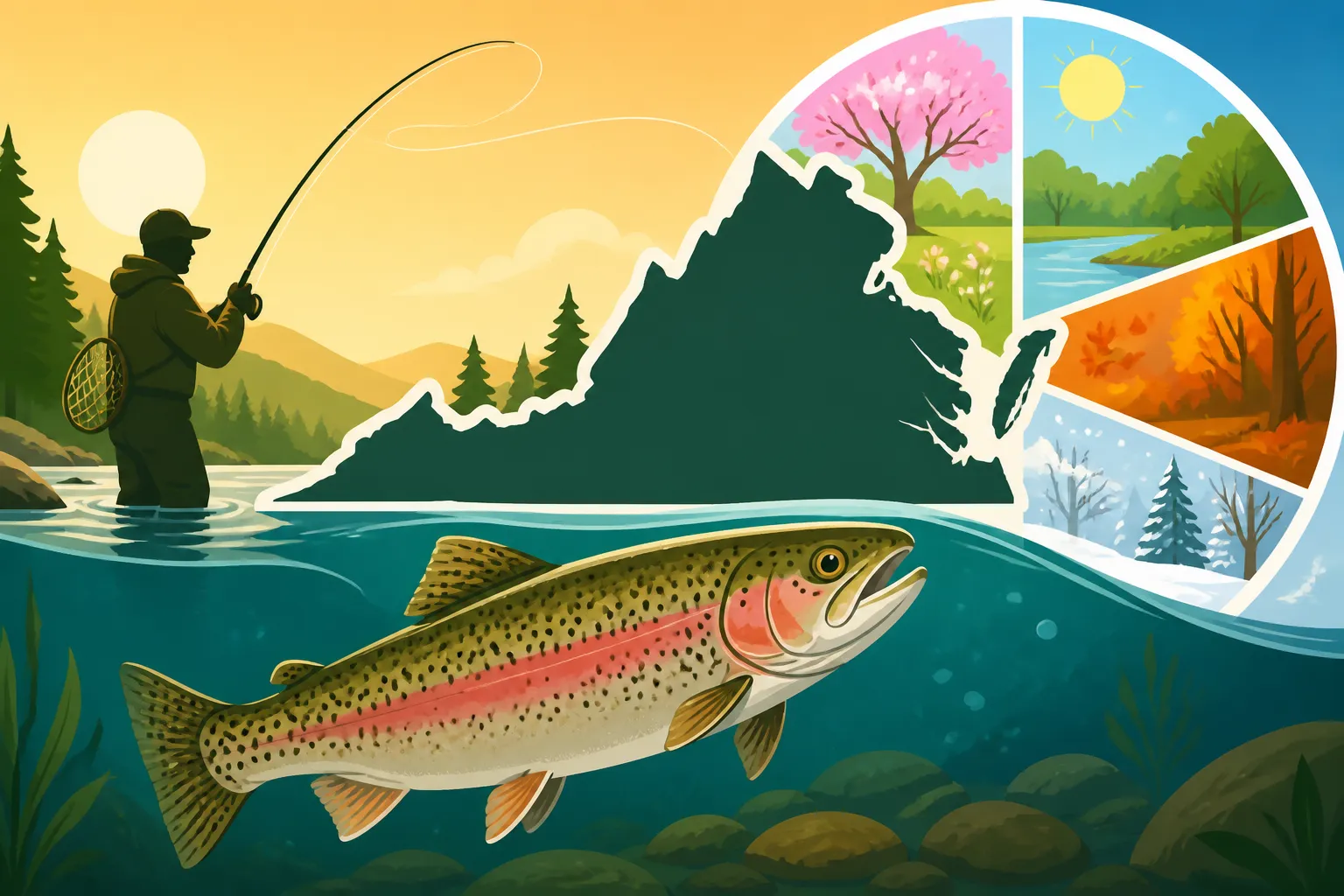
Virginia's general stocked trout season typically kicks off in the fall and runs all the way through spring and into early summer. Many of the designated stocked streams and lakes begin receiving fish in October and continue to be stocked regularly through May or even mid-June. This long season offers ample opportunities to enjoy trout fishing, whether you prefer the crisp air of autumn, the budding scenery of spring, or the warmth of early summer mornings. It’s important to note that while the season is long, the frequency of stocking can vary. Some waters might be stocked weekly during peak periods, while others might only receive fish every few weeks.
There are, however, some important exceptions to these general dates. Certain waters, known as "Delayed Harvest" streams, have specific regulations that often extend the season or alter the rules. We'll dive into those a bit more later, but for now, just know that you always need to check the specific regulations for the water you plan to fish. You might find that some areas, particularly in urban settings, have year-round opportunities, while others might have shorter seasons due to local conditions or management goals. Checking the official DWR regulations before each trip is truly non-negotiable, and it’s especially important if you’re fishing waters where stocked trout are mixed with wild populations. For a general overview, you can often find information in the yearly DWR Fishing Regulations guide, which helps clarify the Virginia Stocked Trout Season October Through Mid-June.
Understanding the Pre-Season Closure and Opening Day
Perhaps the most critical regulation for stocked trout fishing is the pre-season closure. In many of Virginia's designated stocked trout waters, there is a period, usually from October 1st (or sometimes earlier in September) until the first Saturday in October, when fishing is not permitted. This closure is specifically designed to allow DWR personnel to stock the waters without angler interference and to give the fish a chance to acclimate to their new environment before the fishing frenzy begins. It ensures that when opening day arrives, there are plenty of fish distributed throughout the streams and lakes, creating a more equitable experience for everyone.
The "Opening Day" or "Opening Weekend" for stocked trout fishing is a highly anticipated event for many Virginia anglers, akin to a major holiday. It typically falls on the first Saturday in October, and you can expect popular spots to be crowded. Anglers will line the banks, eager to cast their lines into freshly stocked waters. This tradition is a big part of the trout fishing culture in Virginia. If you plan to fish on opening day, be prepared for company! Arrive early, be courteous to fellow anglers, and remember that everyone is out there to have a good time. It’s a great way to kick off the season and connect with other fishing enthusiasts, but it requires patience and respect for others sharing the water.
Prime Stocked Trout Waters Across Virginia
Virginia is blessed with a diverse landscape, from the Appalachian Mountains to its sprawling Piedmont and coastal plain regions. This diversity means that stocked trout waters can be found in various settings, offering different experiences for anglers. Whether you prefer secluded mountain streams or easily accessible urban ponds, Virginia has something to offer.
Key Mountain Streams and Rivers
The mountain regions of Virginia, particularly in the western and southwestern parts of the state, are home to many of the most popular and scenic stocked trout streams. These waters often benefit from colder temperatures and clearer flows, making them ideal habitats for trout once they are released. Streams like Passage Creek, the Jackson River (especially the special regulation section), the Smith River, and portions of the Shenandoah River tributaries are renowned for their stocked trout programs. These typically feature picturesque settings, often winding through national forests or state parks, providing a tranquil escape.
Fishing in these mountain streams can be a fantastic experience, whether you’re fly fishing with small nymphs and dries or spin fishing with corn, PowerBait, or small spinners. Accessibility can vary; some spots are roadside, while others might require a short hike. These streams often see multiple stockings throughout the season, providing consistent action. Remember that while these are stocked waters, they are still natural environments, and trout can be quite wary, especially after the initial stocking frenzy. Learning to read the water, identify holding spots, and present your bait or lure naturally will greatly improve your success. This is where researching Best Trout Streams in Virginia can really pay off!
Urban and Community Fishing Lakes
Recognizing that not everyone can travel to the mountains, the DWR also stocks trout in a number of urban and community fishing lakes and ponds. These are often smaller, easily accessible impoundments located in or near populated areas. Think city parks, local reservoirs, and community fishing ponds. The goal here is maximum accessibility, especially for families and younger anglers. Waters like Curtis Lake in Stafford, Dorey Park Lake in Henrico, and Lake Brittle in Fauquier County are examples of these community-focused stocking efforts.
Fishing these urban waters is often a very different experience than mountain streams. They are generally still waters, making tactics like bait fishing with a bobber or bottom rig incredibly effective. Spinners, spoons, and small jigs can also work wonders. Because of their accessibility, these spots can get quite busy, particularly on weekends and after a fresh stocking. They are fantastic places to introduce kids to fishing, as the catch rates can be high, leading to instant gratification and fostering a love for the sport. Always check specific signage at these locations, as they sometimes have unique regulations regarding hours, bait restrictions, or daily limits.
Special Regulation Waters Delayed Harvest, Catch-and-Release
Virginia has also set aside several "special regulation" waters designed to provide different types of trout fishing experiences. Two notable categories are Delayed Harvest streams and Catch-and-Release streams. These waters are often stocked with a higher density of trout, and specific rules are in place to manage angling pressure and promote different fishing ethics.
Delayed Harvest streams are a popular concept. They are stocked heavily in the fall and spring, but from October 1st through May 15th, they are restricted to catch-and-release only with artificial lures and flies. This period allows the stocked fish to remain in the stream for an extended time, growing larger and becoming more challenging to catch, providing a fantastic "trophy" fishing experience. Then, from June 15th through September 30th, general regulations apply, allowing anglers to keep fish using any legal methods. This system offers the best of both worlds: a sustained catch-and-release fishery for much of the year, followed by a harvest opportunity. Famous Delayed Harvest waters include the Jackson River below Gathright Dam and the Smith River.
Catch-and-Release streams, as the name suggests, are entirely dedicated to the practice of releasing all fish caught. These waters typically have strict gear restrictions, often limited to artificial lures with single barbless hooks or specific fly patterns. The idea is to create a challenging, ethical fishery where the focus is on the angling experience rather than the harvest. These streams are usually stocked less frequently or rely more on natural reproduction augmented by stocking, ensuring a stable population of healthy fish for repeated enjoyment. Always check the DWR regulations for specific details on these unique waters, as the rules can be very precise. Understanding these nuances is key to enjoying Wild Trout Stream Rules in Virginia versus stocked options.
| Trout Species Stocked in Virginia | Primary Characteristics | Common Stocked Locations | Best Baits/Lures |
|---|---|---|---|
| Rainbow Trout | Most commonly stocked, vibrant colors, good fighters. | Almost all stocked streams and urban lakes. | PowerBait, corn, worms, small spinners, nymphs. |
| Brook Trout | Native to Virginia, beautiful red spots, smaller size. | Mountain streams, some special regulation waters. | Worms, small spinners, dry flies, tiny nymphs. |
| Brown Trout | More wary, can grow quite large, brownish/gold with red spots. | Larger rivers, some special regulation waters. | Spinners, stickbaits, worms, sculpins, streamers. |
Essential Gear and Techniques for Stocked Trout
You don't need a boatload of expensive gear to catch stocked trout, but having the right tools and knowing a few basic techniques will significantly increase your success. It’s all about presenting your bait or lure effectively and having the equipment to handle these feisty fish.
Recommended Tackle and Baits
For most stocked trout scenarios, a light to ultra-light spinning rod and reel combo is perfect. A rod between 5 and 7 feet long, with a fast action, will give you enough sensitivity to feel those subtle bites and enough backbone to cast light baits and fight aggressive trout. Pair that with a small spinning reel (size 1000 or 2000) spooled with 4-6 pound test monofilament or fluorocarbon line. Monofilament is a bit more forgiving for beginners, while fluorocarbon offers less stretch and better abrasion resistance, which can be useful in rocky streams. You can find some excellent beginner-friendly combos on Amazon that will get you started without breaking the bank.
When it comes to bait, stocked trout are often less selective than their wild counterparts because they’ve been raised on pellets in a hatchery. Therefore, traditional trout baits work exceptionally well. These include:
- PowerBait/Gulp!: These scented, moldable baits come in various colors and shapes (nuggets, worms, eggs) and are incredibly effective. Chartreuse, glitter, and rainbow colors are perennial favorites.
- Corn: Yes, plain old canned corn! It's cheap, easy to use, and trout love it. Thread a few kernels onto a small hook.
- Worms: Live worms, especially small red wigglers or pieces of nightcrawlers, are a natural and often irresistible option.
- Salmon Eggs: Real or artificial, these brightly colored eggs are a classic trout bait.
- Small Spinners: Lures like Panther Martins, Mepps, and Rooster Tails in sizes 0, 1, or 2 are fantastic for covering water and enticing aggressive strikes. Silver, gold, and brass blades with colorful dressings are popular.
- Small Spoons: Tiny Kastmasters or Little Cleos can imitate fleeing baitfish and are great for casting distance in lakes.
Always remember to check the local regulations for bait restrictions, especially on special regulation waters.
Effective Fishing Strategies
Once you have your gear, knowing how to use it is the next step. Stocked trout, while often eager to bite, can still be particular.
-
Bottom Fishing with Bait: This is a go-to for many stocked trout scenarios, especially in lakes, ponds, or slower sections of streams. Use a small weight (split shot or an egg sinker) to get your PowerBait, corn, or worm to the bottom. A small swivel a foot or so above your hook can help prevent line twist. The key is often to let your bait drift naturally or sit still, waiting for the fish to find it. Many anglers will use a small marshmallow or floatation bead on their hook to make the bait suspend slightly off the bottom, making it more visible.
-
Fishing Under a Bobber: Ideal for shallower waters or when fishing with kids. A small slip bobber allows you to adjust your depth easily. Suspend your bait (worms, corn, PowerBait) a few feet under the bobber. Watch the bobber carefully for any dips or subtle movements, which often indicate a bite. This is a very visual and exciting way to fish for stocked trout.
-
Casting and Retrieving Lures: For more active fishing, especially in moving water, casting small spinners or spoons is incredibly effective. Cast upstream or across the current and retrieve just fast enough to make the blade spin. Vary your retrieve speed and depth until you find what the fish are looking for. In lakes, try casting out and reeling in with a stop-and-go retrieve to mimic erratic baitfish. This can be particularly exciting, as trout often hit lures with aggressive force.
-
Fly Fishing (where permitted): If you're into fly fishing, nymphs like Pheasant Tails, Hare's Ears, and Woolly Buggers are excellent choices for stocked trout. Dry flies like an Adams or Elk Hair Caddis can also work, especially during hatches or in warmer parts of the season. A 3-5 weight fly rod is generally sufficient. Learning to present your fly naturally, especially in current, is crucial. You might find some great beginner fly tying kits and fly assortments on Amazon if you're looking to dive deeper into this specialized technique.
No matter your chosen method, pay attention to the water conditions, current, and what other anglers around you might be doing successfully. Trout often congregate in certain areas, so if one spot isn't producing, don't be afraid to move and try another.
Navigating Licensing and Regulations
This is probably the part that causes the most headaches for anglers, but it’s absolutely essential to get right. Fishing without the proper licenses or ignoring regulations can lead to fines, confiscation of gear, and a ruined day on the water. Luckily, Virginia makes it relatively straightforward, provided you do your homework.
Stocked Trout License Requirements
For the vast majority of stocked trout waters in Virginia, you’ll need two things: a valid Virginia freshwater fishing license and a separate Virginia State Trout License. Yes, that's right – in addition to your general freshwater license, if you plan to fish for trout in designated stocked waters, you must purchase a specific trout license. This separate license helps fund the DWR's trout stocking program, ensuring that these fishing opportunities continue year after year. It's a small investment that supports a fantastic recreational resource.
There are a few exceptions:
- Kids: Children under a certain age (usually 16) generally do not need a fishing license, including the trout license, but it's always best to verify the current age requirement. See Fishing License Rules for Kids in Virginia for more specific details.
- Free Fishing Days: Virginia typically has a few "Free Fishing Days" each June where license requirements are waived for all anglers, even for stocked trout. These are great days to introduce new people to fishing, but they are limited.
- Private Ponds: If you are fishing on entirely private land in a private pond that is not connected to public waters, you usually don't need a license, but this is a rare exception for true "stocked trout" waters as most are publicly managed.
You can purchase your fishing and trout licenses online through the DWR website, at various sporting goods stores like those found in larger retail chains, or at local bait and tackle shops across the state. It’s quick and easy, and you can often print a temporary copy right away.
Creel Limits and Size Restrictions
Beyond licensing, understanding the daily creel (or catch) limit and any size restrictions is paramount. For general stocked trout waters in Virginia, the daily creel limit is usually 6 trout per person. This means you can keep up to six trout in any given day. There is typically no minimum size limit on these general stocked waters, meaning any legal-to-catch trout can be kept, provided you adhere to the daily limit.
However, just like with season dates, special regulation waters will have different rules.
- Delayed Harvest Streams: As mentioned, these are catch-and-release only with artificial lures and flies during the cooler months (Oct 1 – May 15). During the summer (June 15 – Sept 30), they often revert to a 6-fish creel limit with no size restriction, but still check the specific signage.
- Catch-and-Release Streams: These waters always require all trout to be immediately released unharmed, with no exceptions for keeping fish.
- Wild Trout Streams: While not strictly "stocked," it’s worth noting that wild trout streams have very different regulations, often with smaller creel limits (e.g., 2 fish) and a minimum size limit (e.g., 7 inches). Do not confuse these with stocked waters, as the rules are designed to protect the naturally reproducing populations. You can learn more about Wild Trout Stream Rules in Virginia if you're interested in that challenge.
Always consult the most current Virginia DWR Fishing Regulations guide before heading out. It’s available online and at license vendors. Ignorance of the law is never an excuse, and DWR conservation police officers are diligent about checking for compliance.
Tips for a Successful Stocked Trout Outing
Stocked trout fishing can be incredibly rewarding, but a little bit of preparation and savvy can make your trip even more successful. These fish might be hatchery-raised, but they still behave like trout in many ways, requiring a bit of thought and strategy.
Reading the Water and Finding Fish
Even in a stream or pond that has been freshly stocked, trout don't just hang out randomly. They seek out areas that offer comfort, safety, and potential food. Learning to "read the water" is a skill that will serve you well in any fishing scenario, but it's particularly helpful for stocked trout.
Look for areas that offer:
- Cover: Trout feel safe when they have something to hide under or near. This includes submerged logs, overhanging banks, large rocks, brush piles, and even bridge abutments. Cast your bait or lure close to these features.
- Current Breaks: In streams and rivers, trout often sit just out of the main current, in an eddy or behind a large rock. These spots allow them to rest while still having food drift by.
- Deep Pools: Deeper sections of a stream or lake provide cooler water and more security. These are classic holding areas, especially when the weather warms up.
- Confluence Points: Where two streams meet, or where a feeder creek enters a larger body of water, can be productive. These spots often concentrate food and provide diverse current patterns.
- Stocking Access Points: Let's be realistic – where the DWR truck pulls up to stock fish is often a hotspot, especially shortly after stocking. Fish will be concentrated there initially. However, these areas also receive the most pressure, so don't be afraid to explore upstream or downstream a bit.
Pay attention to what's happening around you. If you see other anglers consistently catching fish in a particular type of spot or with a specific bait, don't be afraid to learn from them and adapt your approach.
Post-Fishing Care and Handling
How you handle a trout after you catch it, especially if you plan to release it, can have a huge impact on its survival. Even if you intend to keep fish, proper handling ensures a higher quality catch.
For keeping fish:
- Dispatch Quickly: If you're keeping your legal limit, dispatch the fish humanely and quickly. A sharp rap to the head is usually sufficient.
- Keep Them Cool: Trout spoil quickly. Get your catch on ice as soon as possible. A cooler with ice is essential. This preserves the flavor and texture of the meat. Don't let them sit in a warm creel or on the bank.
For releasing fish (especially important on Delayed Harvest or Catch-and-Release waters):
- Minimize Handling: Try to keep the fish in the water as much as possible. Wet your hands before touching the fish to protect its delicate slime coat, which acts as a protective barrier against disease.
- Use Barbless Hooks: If possible, pinch down the barbs on your hooks or use barbless hooks. This makes hook removal much easier and less damaging to the fish. You can buy hooks without barbs or easily flatten them with a pair of pliers, which many anglers specifically order from Amazon.
- Quick Hook Removal: Use a pair of hemostats or needle-nose pliers to quickly remove the hook. If the fish has swallowed the hook deeply, it’s often best to cut the line as close to the hook as possible rather than trying to rip it out, which can cause fatal damage.
- Revive Gently: If the fish seems sluggish, hold it gently in the water, facing upstream, allowing water to flow over its gills. Don't move it back and forth; rather, hold it still until it revives and swims away under its own power.
- Avoid the Gills: Never grab a trout by its gills. This is incredibly damaging and almost always fatal.
Practicing good catch-and-release techniques not only helps conserve the fishery but also ensures that other anglers can enjoy catching those same fish later. It's a fundamental part of responsible angling and respecting the resource.
Disclaimer
This article is for general informational purposes only and does not constitute professional advice. Laws, prices and regulations vary by location and change over time. Consult a qualified professional for guidance on your specific situation.