Virginia Stocked Trout Season October Through Mid-June
There’s nothing quite like the crisp air of a Virginia morning, the sound of rushing water, and the promise of a trout at the end of your line. But let's be honest, figuring out the precise ins and outs of fishing regulations, especially for stocked trout, can feel like navigating a labyrinth. Many anglers get frustrated trying to pin down exactly when and where they can pursue these beautiful fish without running afoul of the rules. This comprehensive guide is here to untangle that confusion, walking you through Virginia's stocked trout season, which officially runs from October through mid-June, ensuring your next angling adventure is both successful and fully compliant.
Understanding Virginia's Trout Management Program
Before we dive into the specifics of dates and regulations, it’s really helpful to understand why Virginia has such a robust stocked trout program. It’s not just about putting fish in the water; it's a carefully orchestrated effort to provide diverse fishing opportunities and manage our precious aquatic resources.
Why Stocked Trout Programs Are So Important
For many anglers, especially those just starting out or families looking for a fun, accessible outing, stocked trout waters are a godsend. Virginia is a beautiful state, but not every stream or river can naturally sustain a thriving trout population year-round due to varying water temperatures, habitat loss, or other environmental factors. That's where stocking comes in. These programs create opportunities in areas that otherwise wouldn't support trout, ensuring that everyone, from seasoned veterans to excited kids, has a chance to experience the thrill of a trout bite. Imagine trying to introduce a newcomer to fishing, only to spend hours fruitlessly casting in a river with very few fish – it can be disheartening. Stocked waters dramatically increase the likelihood of a catch, fostering a love for the sport and for conservation. They essentially democratize trout fishing, making it available to a wider segment of the population.
The Role of the Virginia DWR in Trout Stocking
The Virginia Department of Wildlife Resources (DWR) is the unsung hero behind these abundant trout fisheries. They're the ones meticulously raising millions of trout, primarily rainbow trout, but also brown trout and brook trout, in state hatcheries. This isn't a small operation; it's a huge undertaking that involves a lot of science, planning, and dedicated staff. The DWR surveys potential stocking locations, monitors water quality and temperature, and then strategically releases these fish into designated streams, rivers, and even some lakes and ponds across the state. They have a detailed schedule, often updated weekly during peak stocking times, that lets anglers know where and when new fish are being released. This level of transparency and effort is what makes Virginia's trout fishing so exceptional and reliable, a testament to their commitment to providing quality outdoor recreation. It's a fantastic resource for anyone interested in Where Virginia Stocks Rainbow Trout Each Year.
Differentiating Wild versus Stocked Trout Waters
One of the biggest areas of confusion for anglers, especially those new to trout fishing in Virginia, is the difference between wild trout waters and stocked trout waters. It’s a distinction that carries significant weight, as the regulations, the fishing experience, and even the required licenses can vary dramatically. Wild trout streams are those where trout populations reproduce naturally, without human intervention. These streams are often pristine, colder, and located in more remote, higher-elevation areas. The fish in these waters tend to be warier, smaller, and demand more finesse and specific techniques like fly fishing. Conversely, stocked trout waters are those where the DWR regularly releases hatchery-raised fish to supplement or create a fishery. These waters are typically more accessible, see higher fishing pressure, and the trout, being hatchery-raised, are generally less cautious, making them easier targets for a wider range of baits and techniques. Recognizing this difference is crucial because the catch limits, size restrictions, and even the type of special permits, like a Trout Fishing License Rules Explained, might change depending on which type of water you're fishing. It's important to know if you're chasing the elusive, naturally-born beauties or the more readily available stocked fish. For more on the specific rules for wild populations, check out Wild Trout Stream Rules in Virginia.
The Official Virginia Stocked Trout Season Dates
Now, let's get down to brass tacks: when can you actually go out and fish for these stocked beauties? Virginia's stocked trout season is quite generous, spanning a significant portion of the year, but it's important to understand the typical flow from autumn to summer.
Kicking Off the Fall Stocking Period
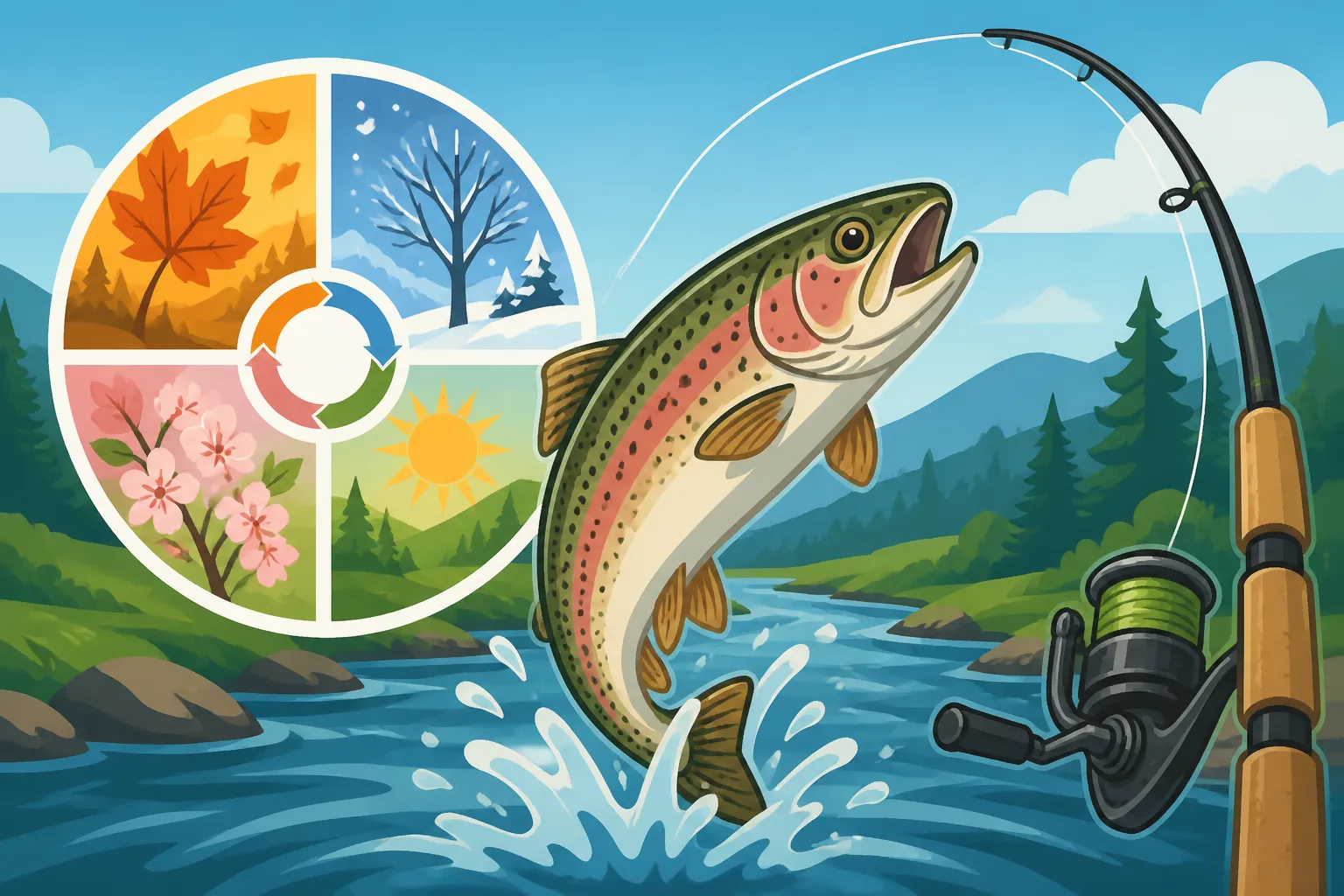
For many trout enthusiasts, the arrival of autumn doesn't just mean changing leaves; it signals the exciting start of the stocked trout season. Typically, the DWR begins its fall stocking efforts in October. This is a highly anticipated time because the cooler water temperatures are ideal for trout survival, and the fish, fresh from the hatchery, are often quite eager to bite. Imagine those crisp fall mornings, a thermos of coffee, and a stream recently invigorated with thousands of feisty trout. It’s a fantastic opportunity for anglers to get out on the water after the heat of summer has passed. These initial stockings help establish good populations that will sustain fishing through the colder months, giving a strong start to the season that runs all the way through mid-June. It's truly a prime time to experience some productive and enjoyable fishing.
Winter Opportunities and the Spring Rush
As the calendar turns to winter, the stocking efforts by the DWR don't stop; they often intensify, especially in areas that remain ice-free. Many smaller streams and ponds are stocked throughout December, January, and February, providing anglers with unique cold-weather fishing opportunities. While some might shy away from the chill, winter trout fishing can be incredibly rewarding, often with fewer crowds and very active fish. Then, as spring approaches, things really kick into high gear. The "spring rush" is perhaps the busiest time of the year for Virginia's stocked trout program. From March through May, the DWR conducts its most extensive stocking operations, replenishing streams and rivers with thousands upon thousands of trout week after week. This period sees the heaviest fishing pressure, as warmer weather draws out anglers of all skill levels. It's a time of consistent action and bountiful catches, making it a perfect season for beginners to learn the ropes or for seasoned pros to hone their skills. The combination of plentiful fish and pleasant weather makes spring the quintessential stocked trout season experience.
The Grand Finale: Mid-June Closure
While it might feel like the stocked trout season could go on forever, all good things must come to an end, at least for a little while. The official Virginia stocked trout season typically concludes around mid-June. This timing is critical and deliberate. As summer approaches, water temperatures in many of Virginia's streams and rivers begin to rise significantly. Trout, being cold-water fish, become stressed in warmer waters, and their survival rates drop dramatically. To protect the fish and ensure sustainable management, the DWR halts stocking and closes certain waters to trout fishing. It’s a responsible practice that allows the waters to recover and protects any remaining wild or stocked trout from undue stress during the hottest months. So, while it's sad to see the season wind down, it's a necessary step to maintain the health of Virginia's aquatic ecosystems. Anglers should always consult the DWR's latest regulations and stocking schedules as the season approaches its closure to ensure they are fishing legally and ethically.
Navigating Stocked Trout Waters and Regulations
Having an understanding of the season dates is just one piece of the puzzle. To truly enjoy Virginia's stocked trout opportunities, you need to know where to go and what rules apply. Neglecting the regulatory side can lead to a really unpleasant encounter with a game warden, so let's make sure you're squared away.
Identifying Designated Stocked Trout Waters
Finding the right spots is half the battle, especially when you're targeting stocked trout. The Virginia DWR maintains a comprehensive list and maps of all the streams, rivers, and ponds that are part of their stocked trout program. These designated waters are regularly replenished, making them prime locations for a successful outing. You’ll often find signs indicating "Designated Stocked Trout Water" at access points, which is a clear signal that you’re in the right place. These waters are spread across the state, from the mountains of Southwest Virginia to the more central regions, ensuring that most residents have a stocked stream within a reasonable driving distance. Some popular examples include portions of the Jackson River, the North Fork of the Holston River, and numerous small ponds and lakes in state parks. Before you head out, always double-check the DWR website for the most current list and any specific area closures or special regulations that might be in effect for particular bodies of water. Knowing these locations is key to maximizing your chances of a catch and avoiding disappointment.
Essential Licenses and Permits for Stocked Trout
This is where things can get a little tricky, and it's super important to pay attention. To fish for stocked trout in Virginia, you’ll definitely need a valid Virginia fishing license. But here's the kicker: in most designated stocked trout waters, you’ll also need an additional Virginia Freshwater Trout License. Yes, it's a separate stamp or endorsement, and it’s non-negotiable if you plan on keeping any trout from these specific waters. This additional fee goes directly to supporting the DWR's stocking program, so think of it as your direct contribution to keeping those streams full of fish. There are exceptions, of course, such as during the annual Virginia Free Fishing Days in June 2026, when license requirements are temporarily waived. However, for the rest of the stocked trout season, ensure you have both your basic freshwater license and the trout license. You can purchase these online through the DWR website, from licensed agents like Walmart or local sporting goods stores, or even by phone. Always carry proof of your licenses, either a printed copy or on your phone, as wardens do check. For a deeper dive into all the different licenses, check out our Virginia Fishing License Guide.
Daily Creel Limits and Size Restrictions
Just because the DWR stocks fish doesn't mean it's a free-for-all. Virginia has strict daily creel limits and, in some cases, size restrictions for stocked trout, all designed to ensure fair use and healthy populations. Generally, the statewide daily creel limit for trout in designated stocked waters is six fish per person. This means you can only possess six trout caught from these waters in a single day. However, it's absolutely crucial to remember that this limit can, and often does, vary by specific body of water. Some streams might have lower limits, or even a slot limit (where fish within a certain size range must be released), or even catch-and-release only sections. Size restrictions are less common in general stocked trout waters but are prevalent in wild trout streams or special regulation areas. Always consult the DWR’s current Virginia Fishing Regulations Explained for the specific water you plan to fish before you cast your line. Ignorance of the rules is not an excuse, and game wardens are pretty serious about protecting these resources. Respecting these limits helps ensure that there are plenty of fish for everyone to enjoy, both today and in the future.
Here's a quick reference table for general stocked trout requirements:
| Requirement | General Stocked Trout Waters (October – Mid-June) | Wild Trout Streams (Year-Round) |
|---|---|---|
| Basic Fishing License | Required (Freshwater) | Required (Freshwater) |
| Trout License | Required (Freshwater Trout License) | Required (Freshwater Trout License) |
| Daily Creel Limit | 6 fish (check local regulations for variations) | Typically 4 fish, 7-inch minimum length |
| Size Restrictions | Generally none, but check local rules | 7-inch minimum length is common; check local rules |
| Season | October through mid-June | Year-round (specific closures may apply seasonally) |
Best Practices for Successful Stocked Trout Fishing
Alright, you've got your licenses, you know the season, and you've identified a stocked stream. Now comes the fun part: actually catching some fish! While stocked trout can be less finicky than their wild counterparts, a little planning and the right approach will significantly increase your success.
Choosing the Right Gear and Bait
When it comes to tackle for stocked trout, simplicity often reigns supreme. You don't need highly specialized, expensive equipment to have a blast. A light to medium-light spinning rod, around 5 to 7 feet long, paired with a matching spinning reel spooled with 4 to 6 lb test monofilament or fluorocarbon line, is usually perfect. The lighter line allows for more natural presentations and is less visible to the fish. As for bait, stocked trout often respond well to a variety of readily available options. PowerBait, in its many colors and forms (often found on Amazon), is a classic for a reason; its strong scent and buoyant nature are irresistible. Corn, salmon eggs, small worms (like red wigglers), and even mealworms are also highly effective. For lure fishing, small inline spinners (Mepps, Panther Martin, Rooster Tail) in sizes #0 to #2, or tiny spoons, are absolute dynamite. If you prefer fly fishing, small nymphs (like a Pheasant Tail or Hare's Ear), wet flies, or even tiny streamers can work wonders, especially right after a fresh stocking. Don't overthink it, but having a few different options can definitely make a difference on a slow day.
Effective Techniques for Catching Stocked Trout
Once you have your gear, knowing how to present it is crucial. For bait fishing, a simple slip sinker rig, allowing the trout to pick up the bait without feeling resistance, is highly effective. You can fish this on the bottom, or add a small bobber to suspend your bait at various depths in slower currents or still water. Many anglers fish PowerBait on a small treble hook, molding it around the hook and allowing it to float just off the bottom. When using spinners or spoons, cast slightly upstream and retrieve just fast enough to get the blade spinning or the spoon wobbling, allowing the current to help sweep it past potential hiding spots. Pay attention to structure – submerged logs, rocks, undercut banks, and current seams are all prime holding areas for trout. Don’t be afraid to move around; if one spot isn't producing, another might be a goldmine. Remember, freshly stocked trout are often schooled up, so where you catch one, there are likely more. Early mornings and late afternoons are often the most productive times, but stocked trout can bite throughout the day, especially after a fresh release.
Respecting the Resource and Other Anglers
Fishing for stocked trout is a fantastic way to enjoy the outdoors, but it comes with a responsibility to respect the resource and your fellow anglers. These waters often see heavy pressure, especially right after a stocking. Be mindful of others' space, avoid loud noises, and keep your fishing area clean. Pack out everything you pack in, including any discarded fishing line or bait containers. If you're planning to keep fish, dispatch them quickly and humanely. Don't waste fish, and only keep what you'll consume. If you practice catch and release, handle the fish as little as possible with wet hands, and release them gently. These ethical considerations ensure that the fishing experience remains enjoyable for everyone and that the DWR's efforts to provide a fishery are sustained. Remember, we all share these precious waterways, and a little courtesy goes a long way. This commitment to responsible angling contributes to the long-term health of our fisheries, benefiting everyone who loves to fish in Virginia.
Planning Your Stocked Trout Adventures
Okay, you're almost ready to hit the water! With all the technical stuff covered, let's talk about some practical tips for planning your trip, because a little foresight can turn a good fishing day into a truly great one.
Utilizing the DWR Stocking Schedule
This is arguably the most valuable tool for any stocked trout angler in Virginia. The DWR regularly updates its trout stocking schedule on its website, providing real-time information on which waters have been stocked, what species were released, and even the approximate number of fish. This schedule is a game-changer because it allows you to plan your trip around recent stockings, significantly increasing your chances of success. Imagine showing up to a stream that was stocked just yesterday – the fish will still be fresh, active, and less pressured. Conversely, showing up to a stream that hasn't seen new fish in weeks might lead to a slower day. Make it a habit to check the DWR's schedule a day or two before your planned outing. You can often subscribe to email alerts or follow their social media channels for instant updates. This digital age resource truly takes the guesswork out of finding active waters and makes trip planning incredibly efficient.
Finding Prime Stocked Trout Locations
Beyond just knowing when fish are stocked, knowing where to focus your efforts within a designated stocked trout water can make a huge difference. Stocked trout, especially soon after release, tend to congregate in certain areas. Look for deeper pools where they feel secure, or slower moving runs adjacent to faster currents where food might drift by. Bridge abutments, large submerged rocks, downed trees, and undercut banks provide cover and ambush points. In larger rivers, look for eddies or seams where the current slows down. If you're fishing a lake or pond, focus on areas with submerged structure, drop-offs, or even around docks and piers, especially if they offer shade. Sometimes, the DWR will even list specific sections of a river or stream that are stocked, so pay close attention to those details on the schedule. Don't be afraid to walk and explore; the most productive spots might be a short hike away from popular access points. Remember, the fish are there, it's just a matter of finding where they're most comfortable and willing to bite.
Weather Considerations for Trout Fishing
Weather plays a surprisingly large role in trout fishing success. While trout are generally more active in cooler water, extreme conditions can shut them down. Overcast days with light rain can be fantastic, as the lower light conditions make trout feel more secure and less wary. Bright, sunny days can make trout seek deeper, shadier cover, making them harder to target. After heavy rains, streams might become muddy and high, making fishing challenging and even unsafe. It's often best to wait a day or two for the water to clear and settle down after a significant storm. On the flip side, extremely cold weather can slow down their metabolism, requiring slower presentations and even smaller baits. Always check the forecast before you go, and dress in layers – temperatures can change quickly, especially in mountainous trout country. Having the right gear, like waterproof boots and a rain jacket (many good options are available on Amazon), will keep you comfortable and focused on fishing, no matter what Mother Nature throws your way. Being prepared for the weather ensures your focus remains on the tug of a trout, not the discomfort of the elements.
Disclaimer
Please note that fishing regulations can change. While this guide provides comprehensive information, always consult the official Virginia Department of Wildlife Resources (DWR) website for the most current rules, regulations, and stocking schedules before planning your fishing trip. This information is for general guidance only and should not be considered legal advice.