Do You Need a Special License for Stocked Trout in Virginia?
It’s a common scenario: you’ve got your fishing rod, your tackle box is packed, and you’re dreaming of pulling a beautiful rainbow trout from a clear Virginia stream. You know you need a fishing license, that much is clear, but then you hear whispers about a "special license" for trout, especially for those highly anticipated stocked waters. Suddenly, that relaxing day on the water feels complicated, and you're left wondering if you've got all your legal ducks in a row. This guide is here to untangle the confusion and clearly explain Virginia's trout license requirements, ensuring your next fishing trip is stress-free and fully compliant.
The Foundation: Virginia's General Fishing License Requirements
Before we dive into the specific world of trout, it’s really helpful to understand the basic licensing framework in Virginia. It’s like building a house – you need a solid foundation before you add the fancy roof. Virginia, like most states, requires anglers to purchase a general fishing license to participate in recreational fishing. This isn't just a formality; these fees are crucial for funding the state’s wildlife conservation efforts, fish stocking programs, and habitat management.
Understanding the Basic Freshwater License
For most folks looking to cast a line in Virginia’s abundant lakes, rivers, and streams, a standard freshwater fishing license is your starting point. This license permits you to fish for a wide array of species, from largemouth bass lurking in the lily pads of Smith Mountain Lake to catfish patrolling the depths of the James River. This is your all-access pass to the majority of the Commonwealth’s inland waters. It's important to remember that this general license is exactly what it sounds like: general. It covers the broad strokes of freshwater fishing, but some specific activities, like trout fishing, often require an additional endorsement. Anglers typically purchase this license annually, and it's always smart to keep a physical or digital copy on hand, as Virginia game wardens check for valid fishing licenses on the water.
Brief Look at Saltwater Licenses and FIP Registration
While our focus today is on trout, it’s worth a quick mention that Virginia’s saltwater fishing has its own set of rules. If you're planning a trip to the Chesapeake Bay for some rockfish (striped bass) or heading offshore from Virginia Beach for flounder, you'll need a saltwater fishing license. What's more, federal regulations often require anglers fishing in saltwater to register with the Virginia Marine Resources Commission (VMRC) for the Virginia Fisherman Identification Program (FIP). This FIP registration is usually free for Virginia residents and is critical for federal data collection on recreational fishing. The point here is that Virginia recognizes the distinct differences between freshwater and saltwater environments, and the licensing reflects that, creating distinct categories that sometimes require separate, or combined, permits. For those who enjoy both, a combination license can sometimes simplify things, offering both freshwater and saltwater privileges under one purchase.
Diving Deep: Virginia's Trout License Explained
Now, let's get to the heart of the matter: stocked trout. You've heard the rumors, and yes, there's a specific requirement when it comes to pursuing these prized fish in Virginia's dedicated trout waters.
The Virginia Trout License (Trout Stamp) Requirement
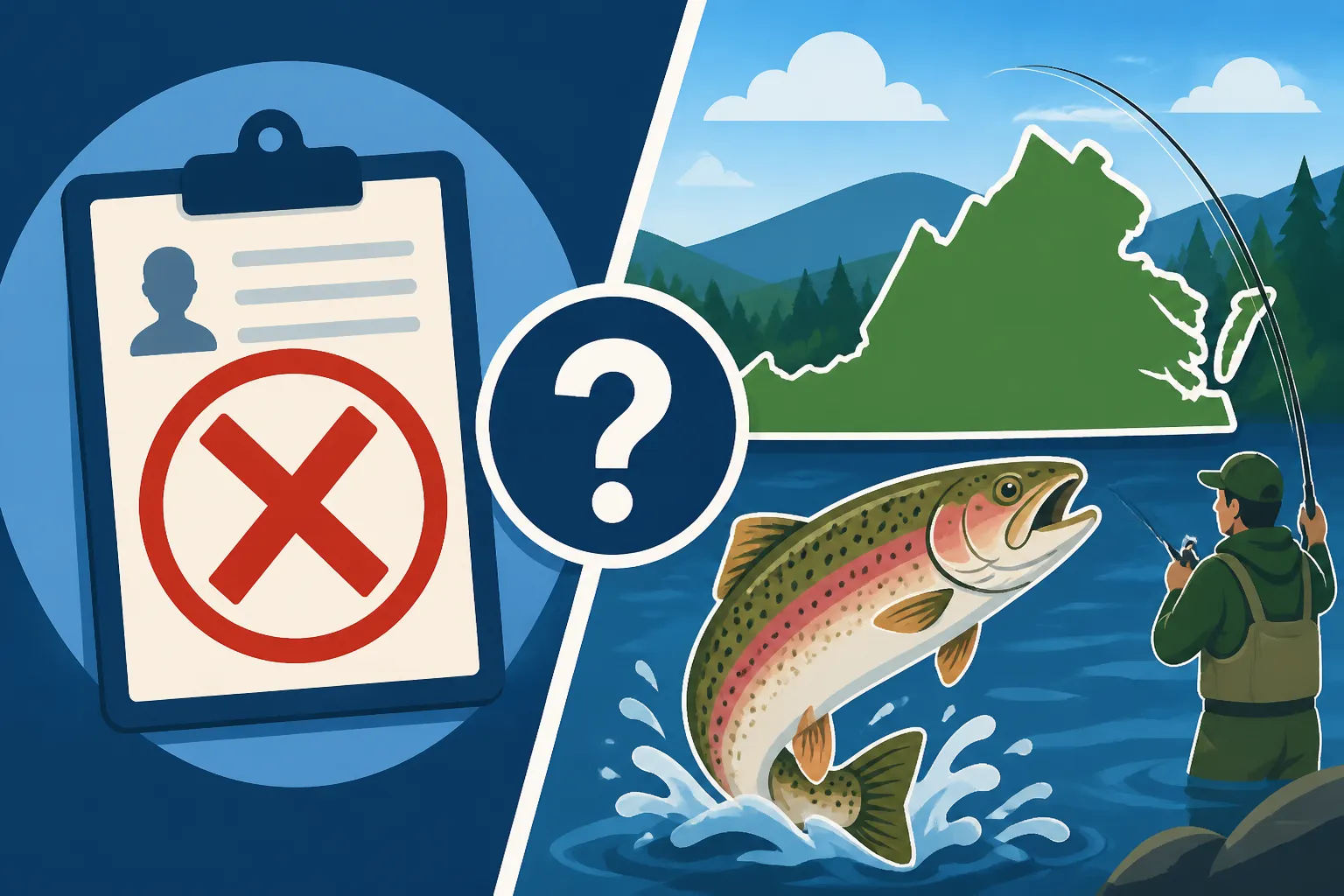
Here’s the straight answer: Yes, if you are 16 years of age or older, you will need a special endorsement, commonly referred to as a "trout license" or "trout stamp," in addition to your basic freshwater fishing license, to fish in Virginia's designated trout waters. This isn't a completely separate, standalone license; rather, it's an add-on or a "privilege" that must be purchased in conjunction with your general freshwater license. Think of it like a special access pass to certain areas or activities. This trout stamp is mandatory for fishing in waters that the Virginia Department of Wildlife Resources (DWR) designates as "stocked trout waters" or "designated wild trout waters." These are specific streams and lakes that are managed intensively for trout, either through regular stocking programs or by protecting natural populations. The DWR publishes lists of these waters annually, and it's always a good idea to check their website or a current regulations digest before you go. The cost of a "stocked trout license requirements in Virginia" is quite reasonable, especially when you consider the extensive program it supports.
Who Needs the Trout Stamp and When?
The requirement for the trout stamp applies to almost everyone over the age of 16. If you're hitting those designated trout streams, whether it's the upper reaches of the Shenandoah River or a small mountain brook teeming with stocked rainbows, you need that stamp. There are a few key exceptions that often cause confusion:
- Children Under 16: Good news for the younger anglers! In Virginia, children under the age of 16 are generally not required to possess a fishing license or a trout stamp. This makes it incredibly easy and accessible for families to introduce kids to the joys of trout fishing. So, if you're taking your child out for their first trout adventure, you only need to worry about your own permit. This policy is fantastic for fostering a love of the outdoors in the next generation of anglers.
- Private Ponds: If you are fishing strictly within a private pond on private land that is entirely enclosed and not connected to public waters, you might not need a state fishing license or trout stamp. However, this scenario is quite specific, and it's essential to be absolutely certain of the pond's status. Any connection to public waterways, even intermittent ones, generally brings it under DWR jurisdiction. Always err on the side of caution and check local regulations.
- Virginia Free Fishing Days: Mark your calendar! Virginia typically offers a few "free fishing days" each June, during which residents and non-residents alike can fish without a license. This is a fantastic opportunity to try out a new spot or introduce a friend to fishing. However, even during these free days, the trout license exception is often still in effect for designated stocked trout waters. You might not need the general fishing license, but the trout stamp could still be required depending on the exact rules of the free fishing days, so always double-check the DWR's specific announcements for that year. These days are a great chance to explore, but don't assume every regulation is waived.
Understanding these nuances is crucial because getting caught fishing without the proper license, including the trout stamp, can lead to penalties for fishing without a license in Virginia, which can be a real headache and certainly put a damper on your fishing trip.
The Purpose Behind the Trout Stamp: Conservation and Funding
It might feel like an extra hoop to jump through, but that little trout stamp plays a monumental role in maintaining Virginia's vibrant trout fisheries. These fees aren't just collected and forgotten; they are directly channeled back into programs that benefit trout and the habitats they rely on.
Funding Virginia's Stocking Programs
One of the primary reasons for the trout stamp is to fund the Virginia Department of Wildlife Resources' extensive trout stocking program. Virginia's climate, especially in the western and mountainous regions, provides excellent conditions for trout, but natural reproduction alone often can't keep up with angling pressure in many areas. The DWR raises millions of trout each year—rainbow, brown, and brook trout—in their state hatcheries. These fish are then carefully transported and released into designated stocked trout waters across the Commonwealth, providing fantastic angling opportunities for thousands of people. The costs associated with running these hatcheries, feeding and caring for the fish, and then distributing them to various locations are substantial. Your trout stamp directly contributes to these efforts, ensuring that Virginia anglers continue to enjoy robust trout populations season after season. Without these funds, the experience of "where to catch stocked trout in Virginia" would be significantly diminished.
Sustaining Wild Trout Waters
Beyond stocking, the trout stamp also helps protect and enhance Virginia's precious wild trout populations. These are the native brook trout and naturally reproducing rainbow and brown trout that thrive in pristine, cold-water streams. The DWR actively manages these wild trout stream rules in Virginia to ensure their long-term health. This management includes habitat restoration projects, water quality monitoring, and scientific research to understand and protect these delicate ecosystems. When you purchase a trout stamp, you're not just supporting a put-and-take fishery; you're also investing in the conservation of Virginia's natural heritage, preserving the opportunity for future generations to experience the thrill of catching a wild, native brook trout. The fees derived from the trout stamp are a tangible way that anglers contribute directly to the ecological balance and sustainability of these vital resources. This is a core example of how fishing license fees support wildlife conservation in Virginia.
Getting Your Virginia Trout License: A Step-by-Step Guide
Alright, so you know you need the trout stamp. Now for the practical part: how do you actually get one? Luckily, Virginia has made the process relatively straightforward, with several convenient options.
Purchasing Your License: Online, In Person, or By Phone
The Virginia Department of Wildlife Resources (DWR) offers multiple avenues for purchasing your fishing license and the necessary trout stamp. This flexibility ensures that no matter where you are or what your schedule looks like, you can get properly licensed.
- Online: This is by far the most popular and convenient method for most anglers. Simply visit the DWR website, navigate to their licensing portal, and you can purchase your basic freshwater license and add the trout stamp endorsement with just a few clicks. The site is user-friendly and allows you to print a temporary license immediately, with your official hard copy typically mailed to you. This method is available 24/7, meaning you can literally decide to go fishing tomorrow morning and buy your license tonight. Learning how to buy a fishing license online in Virginia is a quick process, and it saves a lot of hassle.
- In Person: If you prefer a face-to-face interaction or just like having a physical receipt immediately, you can visit one of the many DWR license agents located across the state. These agents are often found in sporting goods stores, bait and tackle shops, Walmart locations, and some convenience stores. They can help you navigate the options and ensure you get the correct licenses. It's a great option if you have questions or want to pick up some last-minute bait or tackle at the same time.
- By Phone: For those who prefer to speak with someone directly, you can call the DWR licensing customer service line. They can guide you through the purchase process and get your license and stamp issued over the phone. You'll typically receive an authorization number immediately that serves as your temporary license until the physical one arrives in the mail.
Regardless of how you purchase it, always make sure to select the correct "Trout License" option as an add-on to your freshwater fishing license. It's often listed as "Freshwater Fishing with Trout" or similar wording, depending on the purchase platform.
Combining with Other Licenses and Annual Renewal
Many anglers in Virginia enjoy pursuing multiple species in both freshwater and saltwater. To make things easier, the DWR offers various combination licenses. For example, you can often purchase a "Freshwater/Saltwater Combination License" which covers both types of fishing, and then you would add the "Trout Stamp" on top of that if you plan to fish for trout. This can simplify your wallet management, reducing the number of individual permits you need to carry.
Most Virginia fishing licenses, including the trout stamp, are valid for one year from the date of purchase. This means if you buy your license in March, it will be valid until March of the following year, not just until December 31st. This is a nice feature, as it gives you a full year of angling opportunities regardless of when you buy it. When your license is about to expire, the DWR usually sends out reminders, and renewing a fishing license in Virginia is as simple as purchasing a new one, often through the same online or in-person channels. It’s always a good idea to check your license’s expiration date periodically to avoid any accidental lapses in coverage.
Here's a quick comparison of typical resident license costs to illustrate the trout stamp addition:
| License Type | Cost (Resident) | What it Covers |
|---|---|---|
| Annual Freshwater Fishing | $23.00 | All freshwater species, excluding trout in designated waters |
| Annual Freshwater Fishing + | $23.00 + $23.00 | All freshwater species, including trout in designated waters |
| Annual Trout Stamp Only (add-on) | $23.00 | Allows trout fishing if you have a basic freshwater license |
| 5-Day Freshwater Fishing | $14.00 | Short-term freshwater, excluding trout |
| 5-Day Freshwater Fishing + | $14.00 + $10.00 | Short-term freshwater, including trout |
Note: Prices are approximate and subject to change. Always check the official DWR website for the most current fees and regulations.
As you can see, the trout stamp is essentially an additional fee you pay to gain access to those special trout opportunities. It's an investment in a specific type of fishing experience, and one that directly supports the health and abundance of Virginia's trout populations. So, the next time you're gearing up for a trout trip, remember that little stamp isn't just a piece of paper; it's your contribution to keeping Virginia's trout fishing vibrant and sustainable.
Disclaimer
Please note that fishing regulations, license requirements, and fees can change. While every effort has been made to provide accurate and up-to-date information, it is the angler's responsibility to consult the official Virginia Department of Wildlife Resources (DWR) website or current regulations digest before fishing to ensure full compliance. This guide is for informational purposes only and should not be considered legal advice.